Electrical Panel Load Balancing for Commercial Buildings
In commercial and industrial buildings, we use electrical panel load balancing techniques to spread power use across circuits in a way that stays efficient, steady, and safe. Early on, our approach starts with a careful look at how equipment actually runs, then we match that reality to the panel’s design. As a result, hot spots calm down, nuisance trips become less common, and the whole electrical system runs like it got enough sleep. Our technicians and expert service staff explain what they find in plain language, because nobody wants a “mystery box” panel that behaves like a prankster. And yes, we treat it like a serious job, not like a sitcom where the lights flicker right before the punchline.
What load balancing means in commercial electrical panels
Load balancing is the practice of distributing electrical demand across multiple phases and breakers so no single path gets overloaded while others sit underused. In most commercial and industrial facilities, you do not have one steady user. Instead, you have changing loads that rise and fall through the day, influenced by HVAC cycles, production schedules, refrigeration, elevators, and even after-hours cleaning crews.
When a panel lacks proper balance, one phase can carry more current than the rest. That imbalance shows up as heat, faster wear on components, and voltage dips that can affect sensitive equipment. Also, uneven loading can trigger protective devices more often, which interrupts operations and turns business continuity into a very expensive game of “wait and reset.”
Our team at Kord Electric focuses on panel behavior under real operating conditions. Therefore, we do not guess. We measure, compare, and correct, so the electrical panel supports performance rather than fighting it.
Why efficiency and reliability depend on phase balance
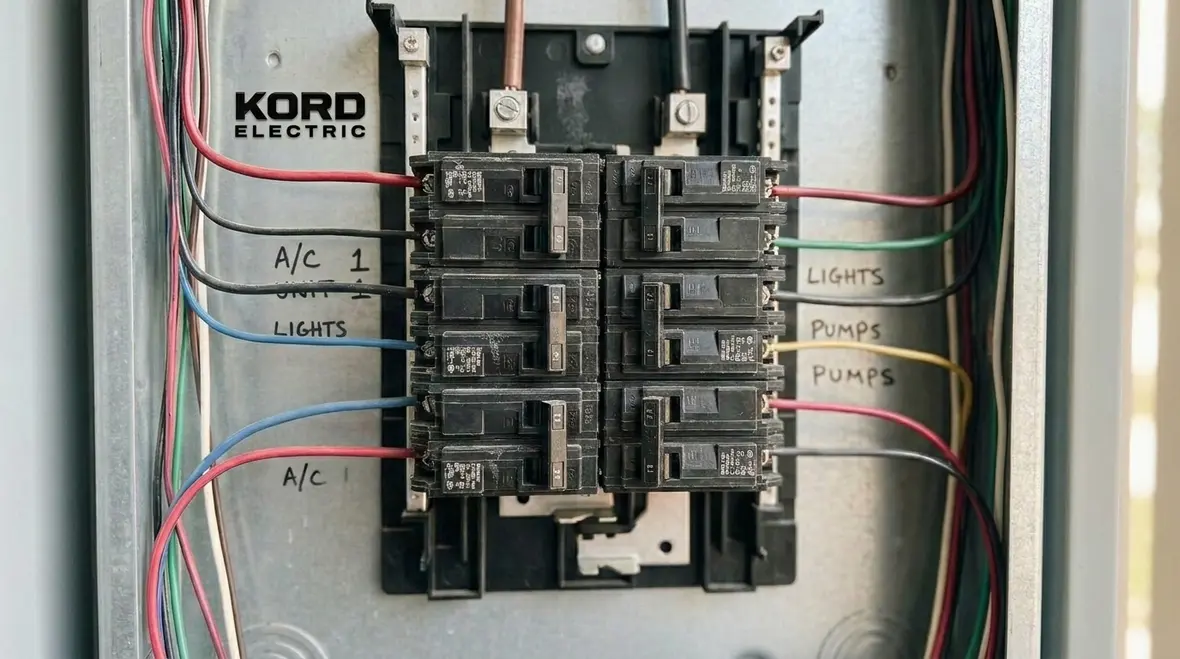
Efficiency sounds like a broad promise, but it becomes concrete at the panel. Phase imbalance typically creates higher current on one side, which increases heat at terminations, busbars, and breaker contacts. Heat shortens component life, and even if the panel still works, it may degrade faster than it should.
Moreover, when load shifts unevenly, voltage drop can become more noticeable. Equipment that runs on motors, drives, computers, and controls often does not tolerate sloppy voltage well. That is especially true for commercial and industrial systems where downtime costs real money.
Others may treat imbalance as a minor annoyance. We treat it as a system-level issue. In practice, our expert service staff looks at how the building uses power through peak hours and low-demand periods. Then we adjust distribution so the panel stays within expected ranges and equipment stays comfortable, not stressed.
How electricians spot imbalance before it causes problems
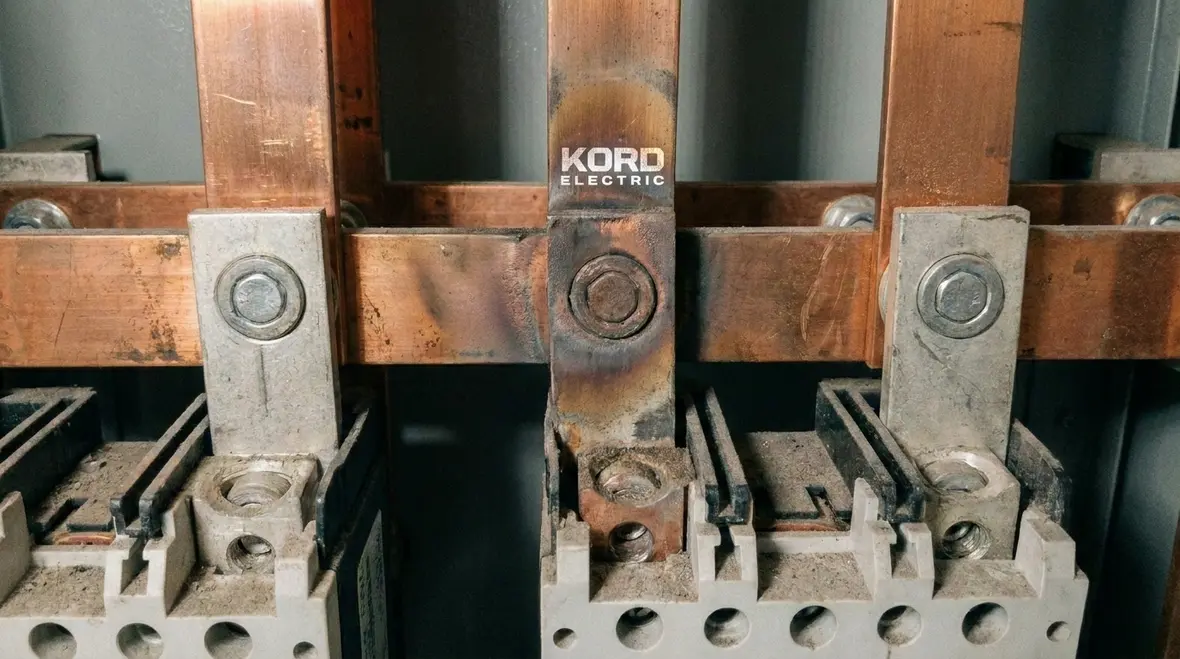
Finding an imbalance requires more than looking for obvious damage. The panel can appear fine while the wiring load pattern quietly drifts out of alignment. So, our technicians start with the basics and then go deeper.
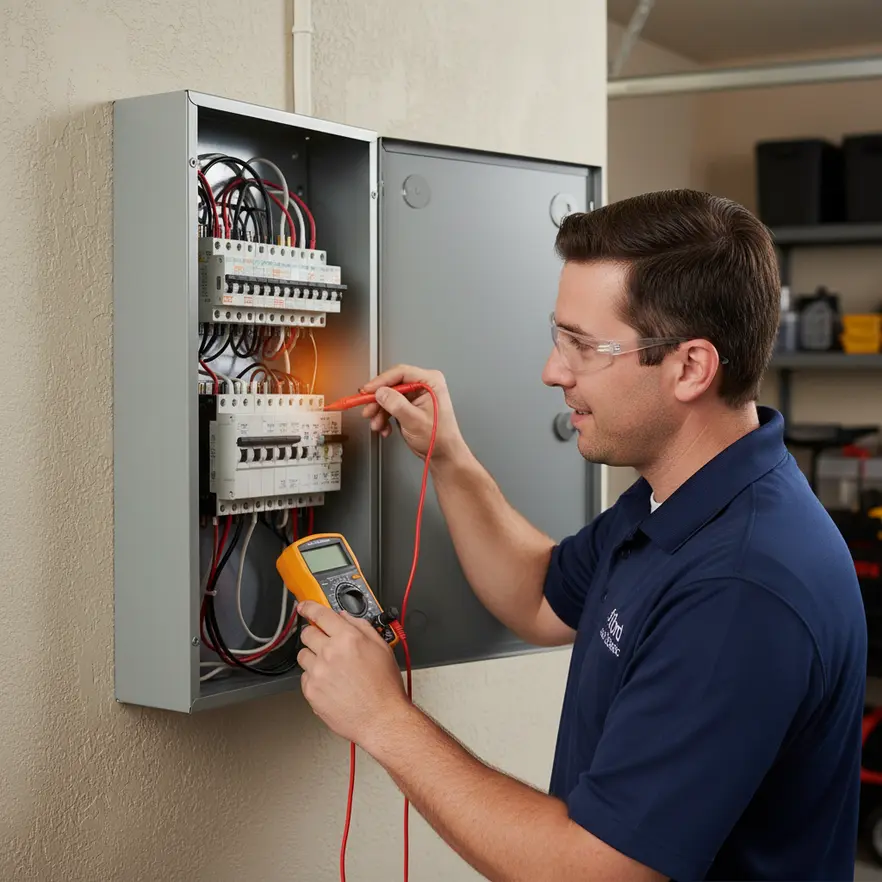
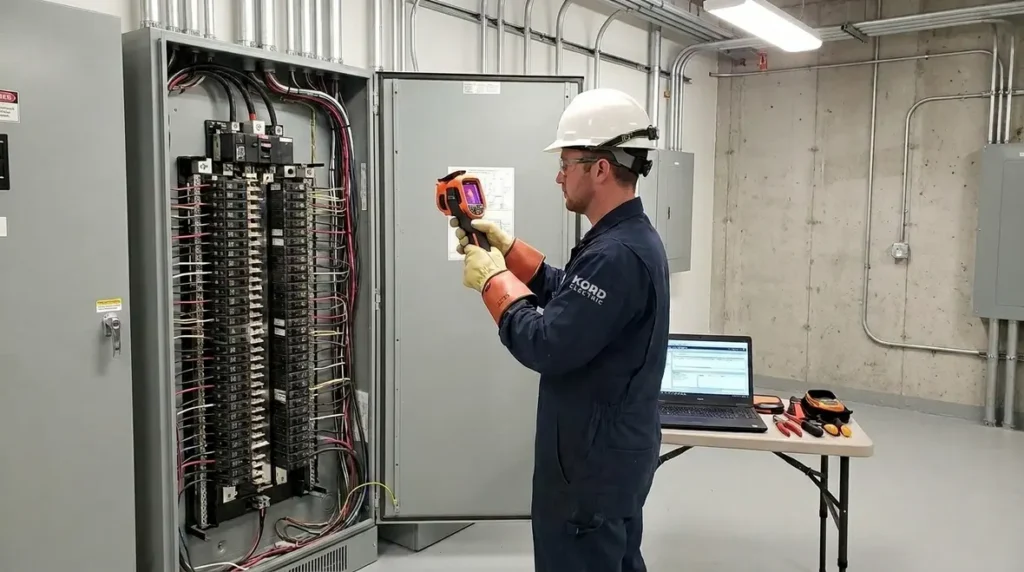
First, we review the panel schedule and the breaker assignments. We then compare those assignments against the building’s actual load profile. After that, we inspect for warning signs such as warm terminations, discolored bus areas, loose connections, and repeated tripping patterns.
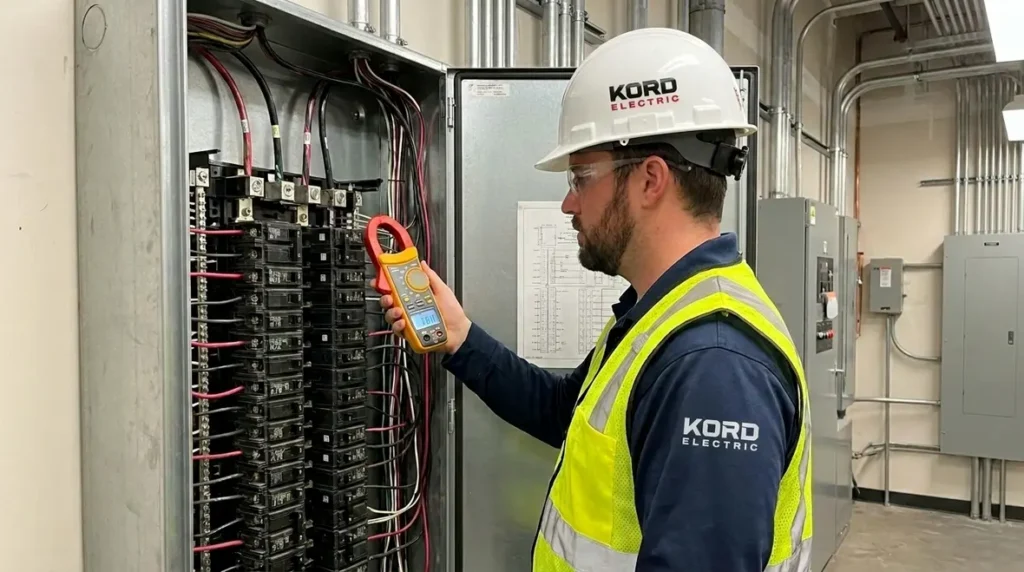
Next, we measure electrical values during realistic operations, not just during idle conditions. That step matters because some equipment only pulls heavy demand when certain processes run. Also, seasonal load changes can shift balance, so a solution that worked in summer might not hold in winter.
When we explain the results to building owners and facility managers, we do it step by step. We show what is happening, why it matters, and what we can correct inside commercial and industrial electrical panels.
Electrical panel load balancing techniques we use for stable power
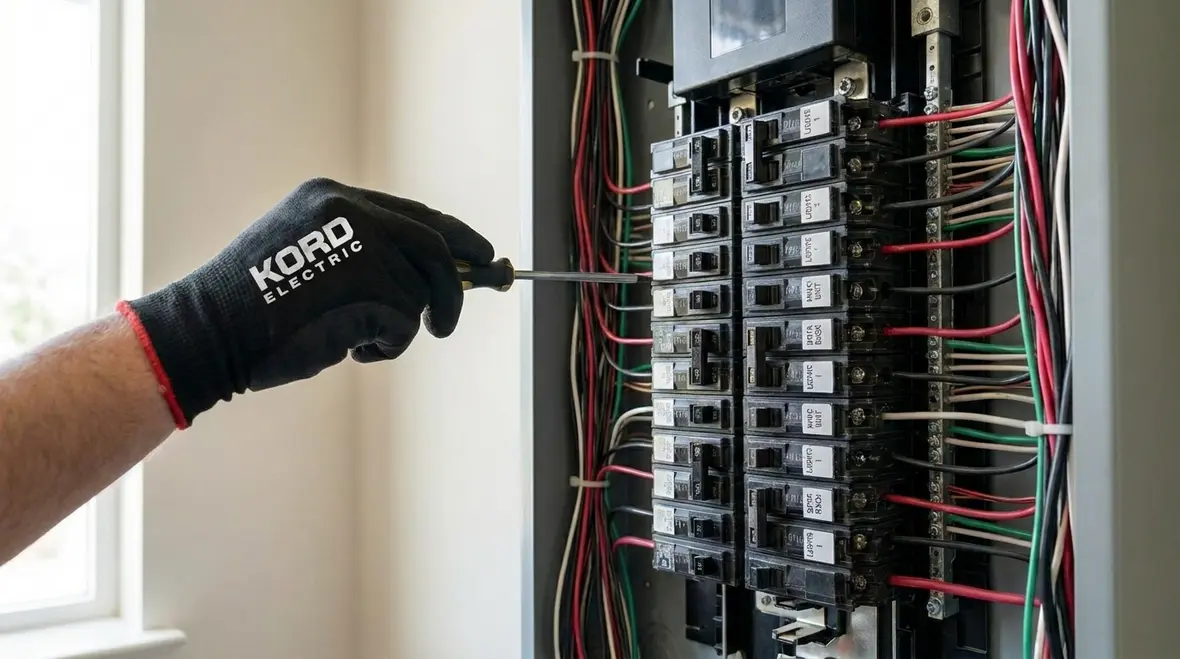
Our work in commercial and industrial facilities relies on repeatable electrical panel load balancing techniques that protect performance while reducing unnecessary stress. We align breaker assignments with actual usage, and we do it in a way that respects code requirements and safe operating rules.
1) Circuit redistribution across phases
When a facility has many single phase loads, those loads should not all land on the same phase. Therefore, we redistribute circuits so each phase carries a more similar current level. We also consider equipment starting currents, because motor start and cycling can change how the panel behaves.
2) Load reassignment based on peak demand
Some circuits matter most during specific periods. For example, a kitchen hood system or production line equipment might spike during shift change. We map peak conditions and align high demand circuits to reduce phase extremes.
3) Panel balancing with attention to sensitive loads
Not every load reacts the same way. Controls, variable frequency drives, and computer equipment can be more sensitive to voltage movement. We account for that by balancing loads in a way that keeps voltage within comfortable limits.
4) Coordination with voltage stability checks
We also connect load balancing work to voltage stability concerns. If a facility already sees voltage issues, the panel arrangement can contribute. In that case, we examine how load changes interact with the incoming supply.
That last point connects directly to voltage behavior in commercial settings. On our site, we address how voltage fluctuations can affect commercial and industrial operations, and we use that understanding to guide panel decisions. If the power quality is already uneven, better distribution helps reduce the strain on the system. For a deeper dive into this topic, you can also review our detailed overview of voltage fluctuations in commercial and industrial facilities.
Managing voltage fluctuations and system stress in commercial buildings

Voltage fluctuations do not happen in a vacuum. They often reflect how loads shift, how the supply reacts, and how the electrical system responds under changing demand. When the panel carries uneven load, the system works harder to maintain stable voltage, and the building sees more variation.
When our technicians examine a site, we treat voltage stability as part of the full electrical story. We consider when the fluctuations occur, what equipment runs during those windows, and whether the panel has phase imbalance that can worsen the effect. For major property buildings, we also look for patterns tied to scheduling changes such as HVAC setbacks, production cycles, or occupancy schedules.
In other words, we do not just balance and walk away. We verify the impact, so the panel changes actually improve day to day stability, not just the paperwork. And yes, we know it can be tempting to ignore it until the lights do a dramatic performance. That is never a good strategy when business operations depend on uptime.
The Kord Electric process for major buildings and industrial sites
Commercial and industrial facilities need a careful process, because a wrong change can disrupt operations. At Kord Electric, our team follows a structured path that keeps the building moving while we improve electrical performance.
Site assessment and panel review
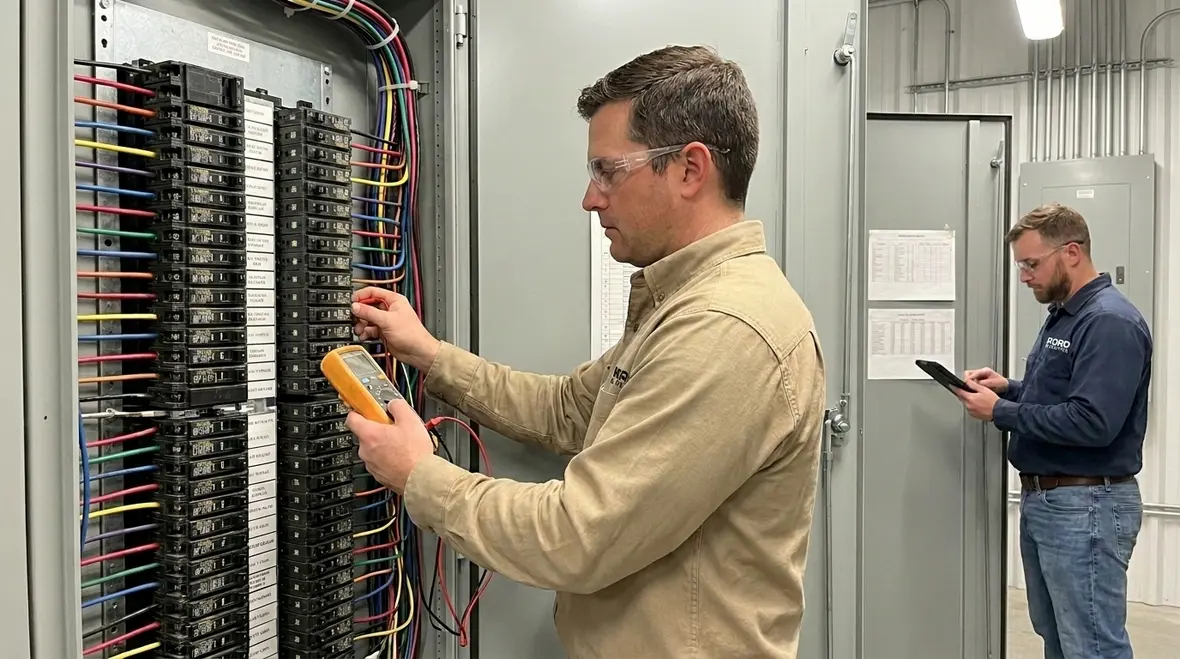
Our expert service staff begins with a panel walk through and a review of breaker assignments, load types, and system conditions. We focus on the parts of the electrical system that affect performance most.
Measurement during real operation
We capture readings during normal building activity so the data reflects how equipment actually draws power. Then we compare phases and look for uneven current paths.
Balancing plan with safety and code in mind
Next, we design changes that meet safety expectations and keep the system reliable. We also plan the work timeline so facility operations do not grind to a halt.
Implementation and verification
After we rebalance circuits, we verify results. We re check performance indicators and ensure the panel behavior improves as expected. Then we share clear findings with the facility team.
Throughout, our technicians explain what they are doing and why. That transparency reduces surprises, and it helps the facility team understand how to support long term stability.
Common mistakes that keep panels from staying balanced
Even well built panels can fall out of balance over time. That usually happens because load changes happen faster than electrical planning. New equipment gets added, circuits get moved, and documentation becomes outdated. Then the panel quietly drifts.
Some frequent issues we see include the following:
- Adding single phase loads without checking phase distribution
- Reassigning breakers during maintenance without updating panel schedules
- Ignoring recurring trips and treating them as random bad luck
- Overlooking how motor start loads and cycling affect current on each phase
- Failing to consider seasonal shifts in HVAC and usage patterns
Kord Electric corrects these problems through practical balancing, clear documentation, and verification. Also, we help facility teams avoid repeating the same mistakes when projects expand. For facilities looking to pair better balance with long term system care, many property leaders also build these steps into broader commercial and industrial electrical maintenance plans that keep panels and distribution equipment in top condition.
FAQ
|
What we check
|
What we do
|
Conclusion: choose steady power with Kord Electric
When a commercial or industrial building runs, its electrical system should not gamble. At Kord Electric, we balance panel loads with a careful process that improves phase distribution, supports voltage stability, and reduces stress on critical equipment. Our technicians and expert service staff explain every step, so you know what changes were made and why they matter. If you see nuisance trips, heat at connections, or voltage complaints, contact us today to schedule an assessment for your facility. We will bring order to the panel, like a professional conductor, not a random percussion section.
For facilities planning broader upgrades, our team can also coordinate load balancing with larger projects such as commercial EV charger installation, lighting improvements, or preventive maintenance programs. That way, every change to your electrical system supports long-term stability instead of introducing new imbalances.