Electrical Power Quality Control: Testing, Monitoring & Reliability
Electrical Power Quality Control: Testing, Monitoring & Reliability sets the standard in commercial power
Kord Electric approaches power industry quality control with a calm, systems based mindset. In our work, Electrical Power Quality Control: Testing, Monitoring & Reliability is not a buzz phrase. It is what we build into every visit, every test, and every report for commercial and industrial facilities and major property buildings. And yes, we test things that most people never notice, until the day lights flicker, motors run hot, or production slows down like a sitcom that keeps running the same joke.
In this article, our team explains how quality control protects equipment, improves uptime, and supports smart decisions for facility managers. We also show how our technicians and expert service staff walk stakeholders through what the data means, in plain language, not in power point poetry.
How we define “quality” in the power industry
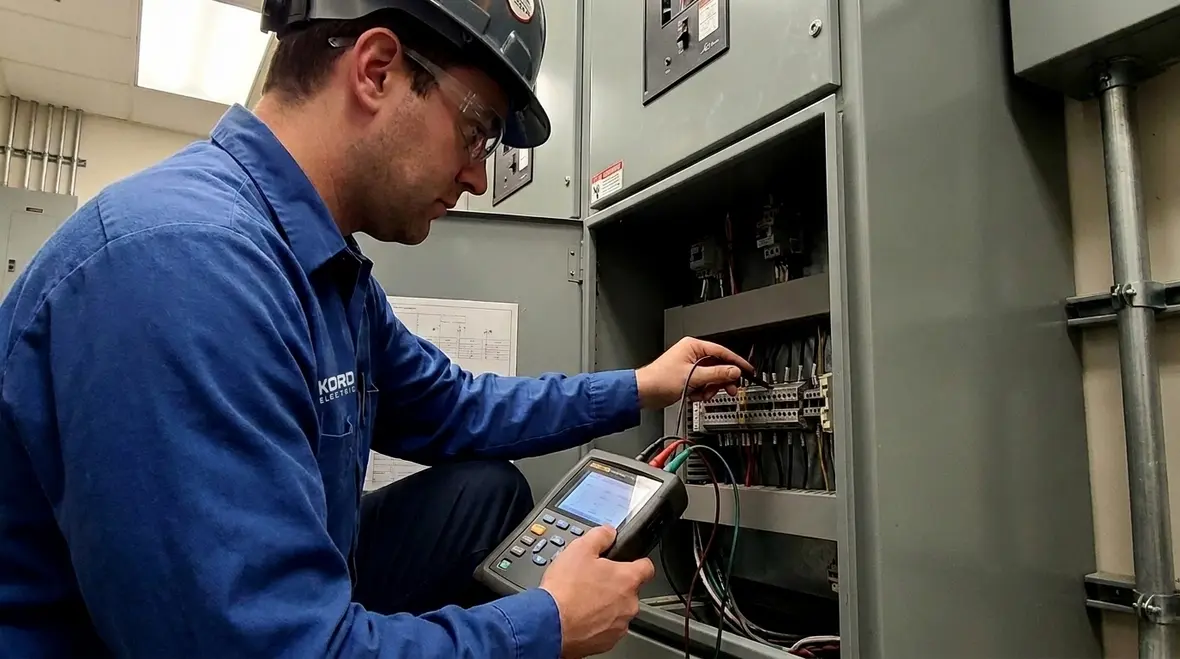
Quality in power does not mean the utility “delivers electricity.” Quality means the electricity behaves in a stable way inside the building. Therefore, we treat quality control as a practical process with clear targets. We look at voltage stability, harmonic distortion, transient events, grounding performance, and how loads respond when the facility is under real work conditions.
To keep it grounded, our technicians check the power that your equipment actually sees. Then we compare that behavior against equipment tolerances and reliability goals. If a facility runs processes that depend on consistent power, even small issues can stack up over time. In other words, power problems rarely stay small, like a spilled drink that somehow ends up under everything important.
Next, our team documents the baseline and identifies patterns. After that, we explain the likely causes. We do this because action without understanding is just guessing with extra steps.
For many commercial properties, this definition of quality lines up closely with broader reliability strategies. That is why facility leaders who care about uptime often pair power quality work with structured assessments like a commercial facility power audit, so testing, inspection, and long term planning speak the same language.
What our commercial facility power audit targets first
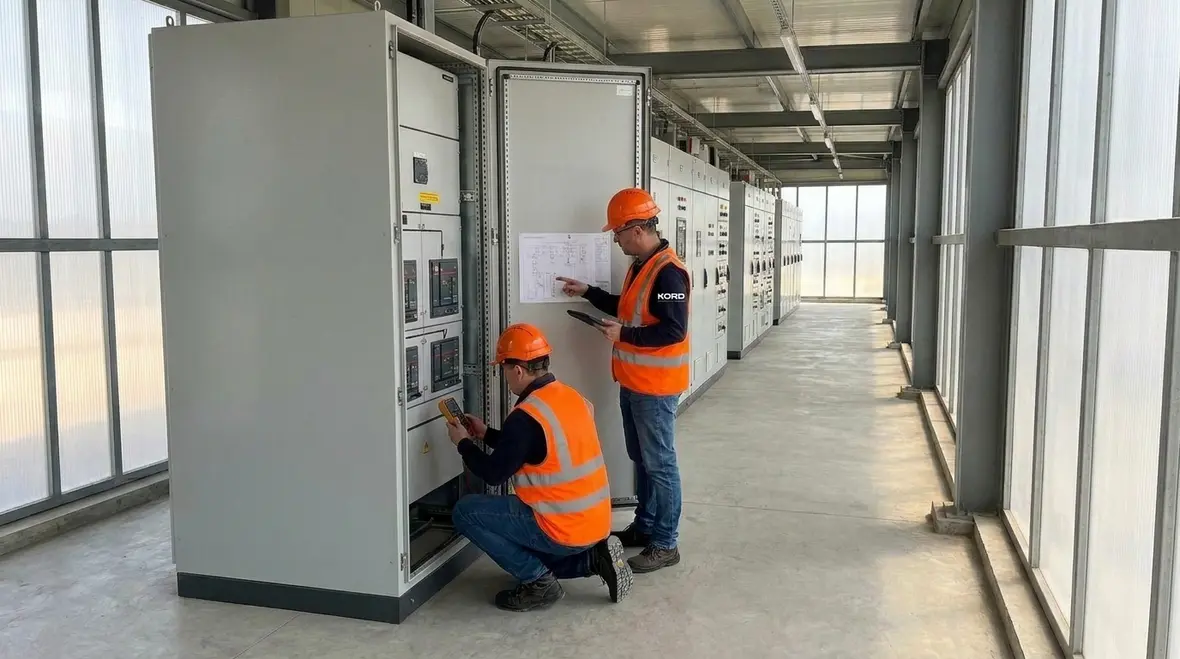
Kord Electric uses a structured commercial facility power audit process, similar to the approach described in our blog on commercial facility power audit. We start where problems usually hide. Then we work outward with controlled tests, so findings connect to real operating conditions.
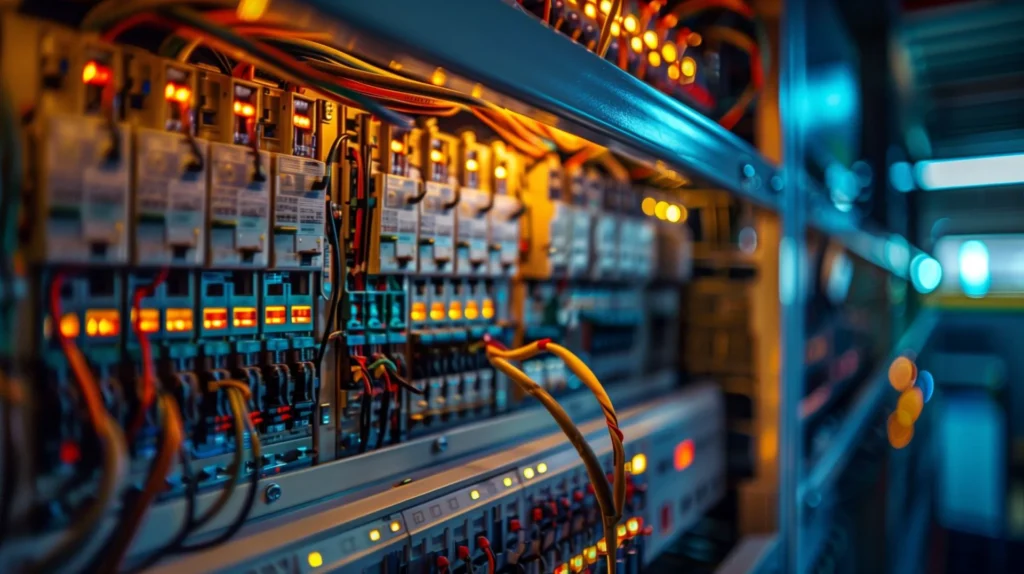
Our technicians prioritize the electrical paths that most influence reliability. Typically, we review service entrance conditions, switchgear and distribution panels, grounding and bonding paths, and critical load panels. We also examine how power flows during startup events, large motor cycles, and peak operating windows.
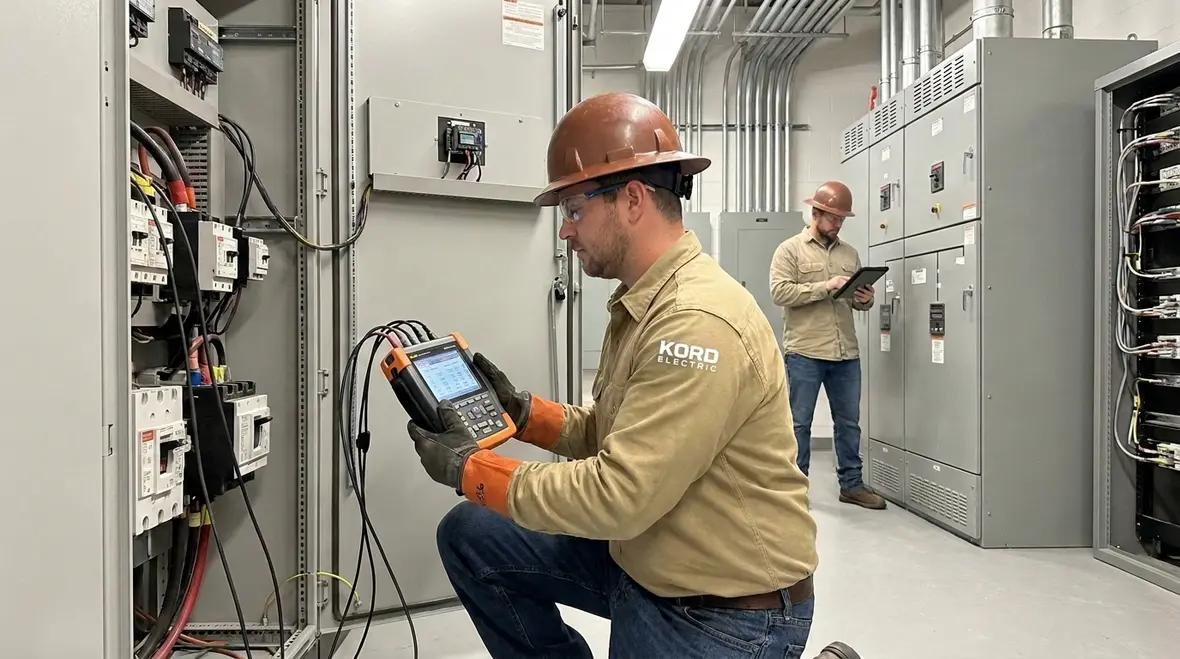
Then we test. We measure what matters, not everything. We track voltage and current behavior, harmonic content, frequency stability, and short term disturbances. Additionally, we confirm protective device coordination assumptions. When equipment trips too often, the story is usually in the details, not in the alarms.
To help stakeholders, our expert service staff explains results in straightforward terms. For example, we connect a harmonic signature to potential overheating risks, or we connect voltage dips to motor starting issues. We do not dump jargon and walk away. We translate.
Testing methods that reveal hidden risk
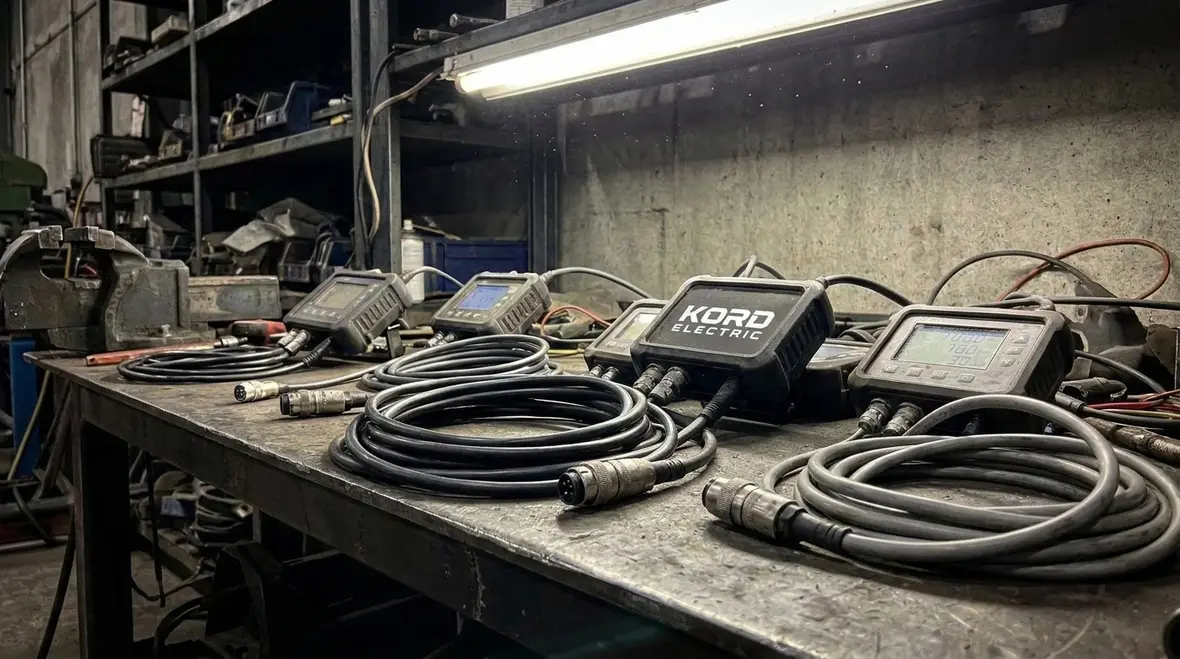
In Electrical Power Quality Control: Testing, Monitoring & Reliability, measurement matters more than guesswork. So we use a mix of field testing and targeted monitoring, designed for commercial and industrial environments. We do not treat every site the same. We tailor the plan to the building type, load mix, and how critical uptime is.
First, we perform snapshot testing to understand immediate conditions. Then we use monitoring to capture power behavior over time. That approach matters because some disturbances happen only during equipment cycles, like chillers starting or conveyors ramping up.
Our technicians also evaluate the electrical system from a reliability angle. Therefore, we look beyond the “numbers” and ask how the system behaves under stress. We check for conditions that can cause nuisance trips, control board failures, overheating in conductors or transformers, and reduced motor life.
Additionally, we confirm that grounding and bonding match the facility design intent. Poor grounding does not always create a dramatic failure. Instead, it can create slow, expensive drift in performance. Think of it like “death by a thousand paper cuts,” except the paper cuts are on your switchgear.
Monitoring for trends, not just single events
Many facilities only notice a power issue after it causes downtime. However, trend data gives leaders earlier warning. That is why we recommend Electrical Power Quality Control: Testing, Monitoring & Reliability programs that include time based observation. We use monitoring windows that match your operating schedule so we capture the real cycles that impact quality.
For example, a warehouse may see the most stress during morning ramp up and peak shipping hours. A manufacturing line may see frequent disturbances around motor startups and process switching. Meanwhile, a major property building may experience power events related to elevator cycles, HVAC staging, and emergency generator transfer.
Then we analyze the trends. We look for recurring voltage deviations, consistent harmonic patterns, and repeated disturbances tied to specific equipment. We also review whether the system returns to stable conditions quickly after events. If not, we identify corrective steps that protect sensitive loads.
Because our expert service staff knows how leadership teams think, we report results with clear next steps. We also explain tradeoffs. Upgrades can be expensive, so we help others prioritize what provides the best reliability return first.
Reliability controls that reduce downtime and repair costs
Testing and monitoring only help if you turn findings into action. Therefore, Kord Electric ties quality control to reliability improvements that commercial and industrial facilities can execute. We focus on actions that prevent recurrence and reduce repair and downtime risk.
We may recommend targeted corrections such as addressing overloaded feeders, improving grounding connections, verifying conductor sizing, and correcting panel level distribution issues. Additionally, we review protective device behavior where events show patterns that can cause repeated trips.
Sometimes, the fix involves coordination. Other times, it involves load side controls. Either way, our technicians explain why the issue exists and how the recommended plan reduces risk. We also confirm that suggested changes align with facility constraints such as operating hours and safety requirements.
And because we serve major property buildings, we plan with stakeholders. We communicate schedules, documentation needs, and operational impacts. In plain terms, we respect the facility’s rhythm. We also respect budgets, because nobody wants to spend twice, like ordering the wrong size parts and then paying for shipping twice, emotionally and financially.
Reporting that facility teams can actually use
Quality control must support decisions. So we deliver reports that help facility managers, electrical contractors, and decision makers act quickly. We organize findings by impact and by likely source, which makes follow up work simpler and less political.
In our reports, our technicians include test summaries, time based observations, and clear interpretations. Then we provide recommended next steps in a way that makes sense to operations teams. Our expert service staff also takes time to explain the results live, so leaders understand what the data means and what to do next.
Moreover, we track how quality control supports long term reliability goals. That includes planning for future load growth, scheduling maintenance before problems develop, and improving the facility’s readiness for sensitive equipment.
When a facility can rely on power stability, production runs smoother and maintenance becomes more predictable. That predictability reduces emergency calls, which in most companies feel like surprise pop quizzes with no warning.
Connecting power quality to broader electrical strategies
Electrical Power Quality Control: Testing, Monitoring & Reliability rarely lives in isolation. In real commercial facilities, it connects to capacity planning, lighting performance, emergency power, and tenant improvements. That is why many building teams treat power quality as one layer in a larger strategy, not a standalone project that stands still while everything else changes.
For example, during a power quality review, we may uncover signs that panel capacity is running too close to its limits or that certain circuits carry more risk than they should. In those cases, it often makes sense to align testing results with a broader plan, whether that means targeted panel upgrades, smarter lighting controls, or focused emergency power improvements that protect critical loads instead of everything equally.
The same thinking applies when facilities are planning commercial tenant improvements or equipment additions. Power quality data gives designers and project managers a better starting point, so new loads, revised wiring, or upgraded distribution do not simply paper over hidden issues. Instead, they can support a structure where testing, monitoring, and reliability stay aligned from design through day to day operation.
For organizations across the region, all of this often folds naturally into a coordinated approach using dedicated Los Angeles County electrical services that bring preventive work, upgrades, and troubleshooting together under one practical reliability roadmap.
FAQ
Ready to improve power stability and protect uptime?
If your commercial or industrial facility needs stronger reliability, Kord Electric can help. We bring Electrical Power Quality Control: Testing, Monitoring & Reliability into your system with focused testing, trend based monitoring, and clear, practical next steps. Our technicians and expert service staff explain results so your team knows what to do and why. Contact Kord Electric to plan a power audit and reliability roadmap that protects critical equipment and reduces costly surprises. Let’s make your power behave like it’s supposed to.
To extend the value of your testing program, you can also connect it with related services such as structured power audits, commercial panel upgrades, and emergency power strategies, all delivered through Kord Electric’s regional Electrical Power Quality Control: Testing, Monitoring & Reliability experience for facilities that depend on calm, predictable power every day.
When you are ready to connect power quality data with a broader service plan, explore how dedicated regional programs like comprehensive Los Angeles County electrical services can unite testing, monitoring, preventive maintenance, and upgrades into one consistent path instead of scattered one off fixes.