
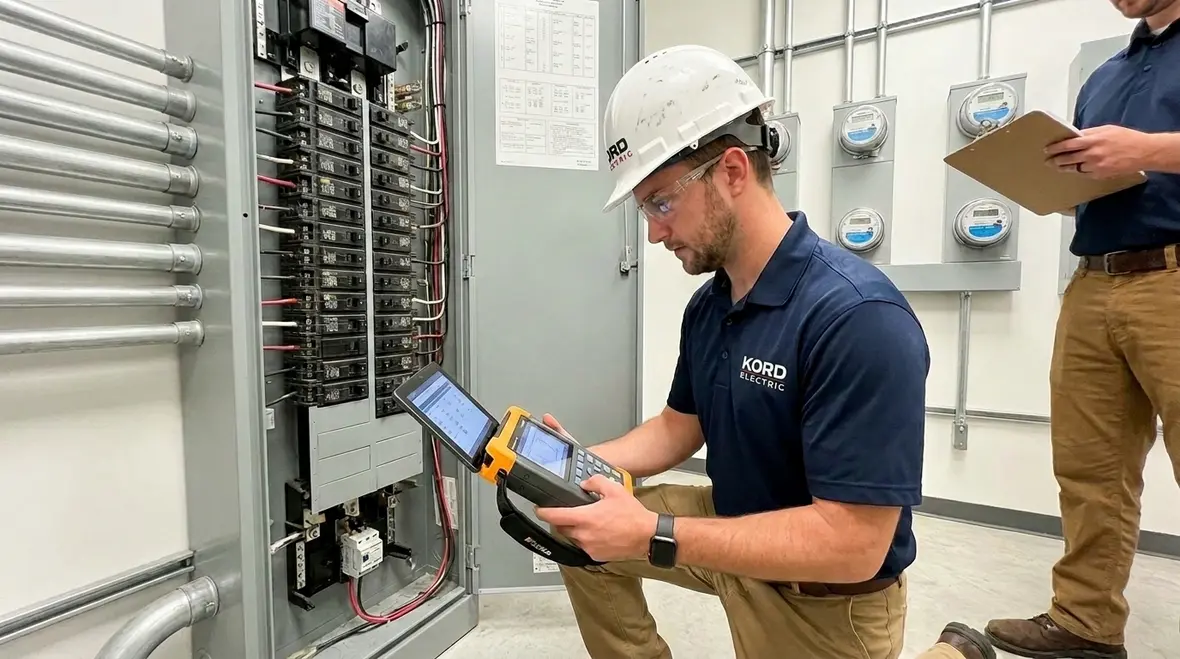
Commercial Facility Power Audit by Kord Electric
How Kord Electric starts a commercial facility power audit with confidence
In a smart commercial facility power audit, we do not guess, we measure, and we document. Kord Electric sends experienced technicians and expert service staff to commercial and industrial facilities and major property buildings, because those sites deserve more than quick opinions and a clipboard smile. First, we build a clear plan, then we review utility bills and equipment data, and finally we verify findings on site with safe testing. Think of it like diagnosing a building the right way, not like changing a light bulb because someone on TikTok said the vibes will fix it.
Once we begin, we keep the process methodical. However, we also keep it practical. After all, the goal is simple: find waste, reduce risk, and improve power quality while protecting operations.
Step 1: Define scope, goals, and how the building really runs
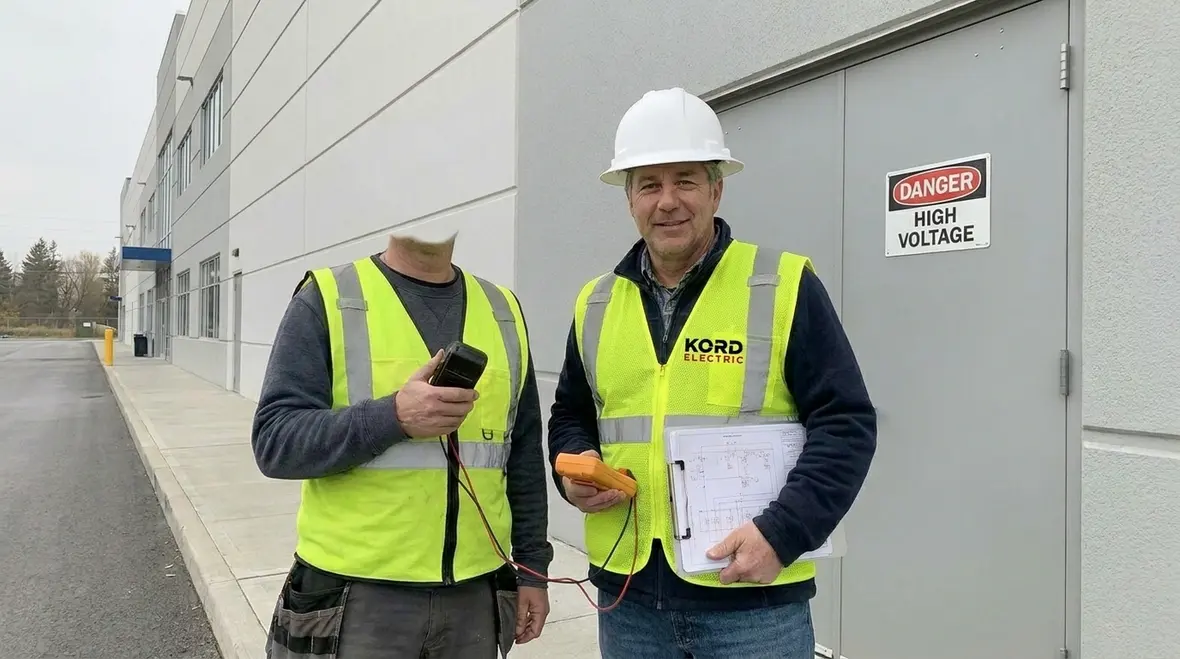
Before any testing happens, our experts set the boundaries. We confirm which systems matter most, such as HVAC, lighting, motors, transformers, switchgear, and any onsite generation or UPS systems. We also align with the facility team on what must stay online during the work. In other words, we do not shut things down just to satisfy our curiosity.
Then we define success. Some clients want lower demand charges, some want fewer motor failures, and others need cleaner power for sensitive controls. Therefore, we capture the business goals and connect them to the electrical picture. Next, we review one year of utility history where available, and we note seasonal changes so the audit does not lie to anyone.
Finally, we create a schedule that fits the site. We plan for access to electrical rooms, mechanical spaces, and any metering points. This up front work saves time later, and it prevents the “we can’t reach that panel” surprise that always seems to show up when the PM is having a long day.
For facilities already planning upgrades, this scoping step often connects directly to other improvements like lighting installation services or broader preventive maintenance work. By tying everything together early, you avoid duplicate site visits and confusing, disconnected project lists.
Step 2: Collect data, bills, and equipment details without missing the obvious
Once the scope is set, our technicians move into data gathering. We collect utility bills, interval data when available, and power factor trends. We also request one line diagrams, panel schedules, and load lists. If a facility has been expanded over the years, we pay extra attention to how those additions changed loading patterns.
Next, we compile equipment nameplate ratings and operational schedules. For example, we check motor sizes and control types, and we verify whether variable frequency drives exist and how they operate. We also look at typical lighting power, emergency circuits, and any unusual loads like battery chargers or process equipment.
Afterward, we walk the site and confirm that the documentation matches reality. Buildings have a talent for “creative bookkeeping.” So we verify transformer taps, breaker ratings, and conductor sizes where possible. Then we capture photos and short notes to make sure later recommendations stand on real facts, not “trust me bro” engineering.
This is also where we start spotting patterns that connect to other risk topics. For instance, the same documents and field checks that support a commercial facility power audit often uncover issues similar to those found in voltage fluctuation investigations in commercial and industrial facilities. By catching those early, we can fold them into one unified plan instead of treating them as separate, surprise problems later.
Step 3: Inspect power distribution with a safety first mindset
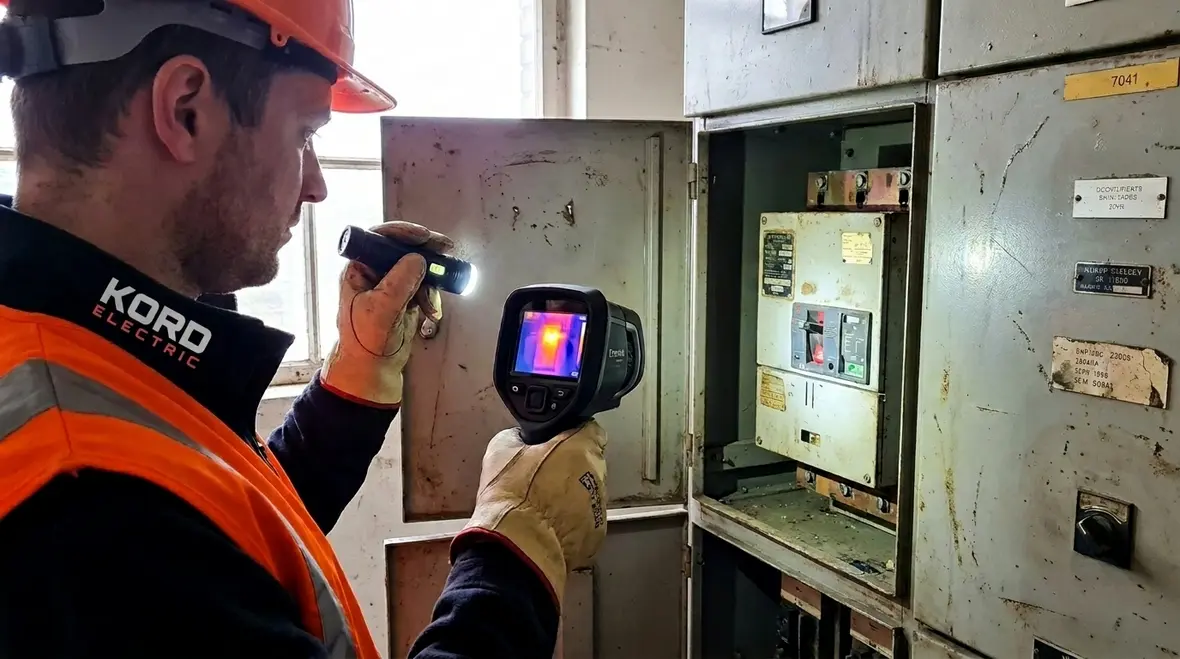
Inspection happens in layers, and we keep it safe. Our expert service staff starts with visual checks: overheating signs, loose connections, corrosion, or damaged insulation. We also inspect switchgear compartments, bus bars, lugs, and grounding systems. Grounding may sound boring, but it is the difference between a nuisance event and a serious failure.
Then we move into more detailed measurements depending on site needs and equipment type. We check insulation condition, verify protective device settings when allowed, and assess harmonic risk where electronic loads exist. We also look for evidence of nuisance tripping, voltage dips, or recurring alarms.
Because many commercial and industrial sites operate under tight schedules, we coordinate with the facility team. We limit disruptions and use procedures that keep power stable during measurements. Additionally, we document everything so the next person in the chain can follow our logic.
In this phase, many facilities also start thinking about long term upkeep. A thorough inspection naturally leads into ongoing programs such as electrical preventive maintenance for commercial and industrial facilities. When a commercial facility power audit and preventive maintenance work together, you get fewer surprises, smoother inspections, and longer equipment life.
Step 4: Measure loads, power quality, and efficiency where it matters most
Now we measure. We do not just take one snapshot and call it a day. Instead, we capture data across representative operating modes such as startup, peak production or occupancy, and off peak hours. This helps us separate true system issues from temporary conditions.
Our technicians typically assess:
- Voltage balance across phases and how it changes
- Current draw patterns by major feeders and equipment groups
- Power factor behavior and whether correction exists and works
- Harmonics that can overheat transformers, cables, and motors
- Surge and transient indicators where the risk profile supports it
We then compare measured results against nameplate expectations and design intent. If we see motors running hotter than they should, we dig into load, ventilation, alignment history, and drive settings. If lighting operates far above planned levels, we check control logic and fixture replacement history. And if the building demand spikes at predictable times, we track what equipment turns on, because electricity likes to announce itself when it behaves badly.
Once the measurement story makes sense, we model potential savings. We evaluate equipment replacement options, control changes, and operational adjustments. In short, we connect electrical data to real dollars and real downtime risk.
For some properties, this is the point where a commercial facility power audit also informs future plans like commercial solar panel electrical integration. By understanding how your building consumes and distributes power today, you can integrate new technologies tomorrow with far more confidence and fewer surprises at the main service.
Step 5: Find root causes, not just symptoms, and build a prioritized plan
After the field data arrives, we move into analysis. We identify root causes tied to the observed symptoms. For example, we do not stop at “low power factor.” We confirm whether the facility has capacitor banks that are mis-tuned, offline at the wrong times, or simply too small for the present load mix. Likewise, we do not just recommend “better lighting.” We identify where controls fail, where fixtures stay on longer than needed, or where wiring changes created unintended loads.
Next, we prioritize actions by impact, cost, and installation complexity. Therefore, we organize recommendations into tiers such as quick operational fixes, moderate upgrades, and longer lead projects. We also include the estimated effect on energy usage, demand, maintenance burden, and power quality.
Here we use plain language and clear reasoning. Our expert service staff explains each step and what it will change in day to day operations. We also address what happens if the facility does nothing. Sometimes the best plan is a phased approach, because not every client wants to redo a distribution system like it is a scene change in a movie.
Additionally, we prepare documentation the team can use, including test summaries, diagrams, and a report structure that supports approvals and budgeting.
This is also the stage where decisions about other building systems become much easier. If the audit reveals overloaded circuits or marginal panels, those findings guide projects such as EV charger installation for commercial and industrial properties or future expansions. Instead of guessing, you are designing around real, measured capacity and a prioritized action plan.
Step 6: Deliver the audit report and support implementation
The final deliverable is not just a PDF with a few charts and a prayer. At Kord Electric, we provide a structured report that leadership and facility staff can act on. We include the measured findings, the root causes, and the recommendations with supporting calculations and clear assumptions. Then we show how each recommendation reduces risk and improves performance.
Once the plan is approved, we support implementation planning. We help coordinate with vendors and contractors when upgrades involve controls, drives, or distribution work. And we make sure the site stays operational as much as possible.
For larger buildings, we can stage work so critical systems remain stable. In addition, we can set up verification steps so results match expectations after upgrades. That way, savings do not vanish like a Wi Fi signal in a basement office.
Many facilities then choose to roll the findings of their commercial facility power audit directly into long term service relationships, such as structured electrical preventive maintenance programs or targeted projects to address hidden risks in existing buildings. By keeping the same technical team involved, you get continuity, faster troubleshooting, and a clear record of what changed and why.
A practical checklist facilities can use during a commercial power audit
Facility teams often like a clear side by side view of what they provide and what our technicians verify during a commercial facility power audit. The checklist below outlines how information flows in both directions so nothing important gets missed.
| What we ask for | What our technicians verify |
| Utility bills and interval data | Voltage, current, and load timing |
| One line drawings and panel schedules | Breaker and bus conditions |
| Load list and equipment specs | Motor and drive operation |
| Operational schedules and change history | Power factor and correction effectiveness |
| Notes on trips, alarms, and downtime | Power quality and harmonic risk |
This checklist becomes even more powerful when paired with broader building evaluations. For example, facilities dealing with unexplained breaker trips, nuisance alarms, or unexplained shutdowns often benefit from insights already outlined in Kord Electric’s guide to hidden electrical risks in commercial buildings. Together, these tools help leadership see the full picture behind the walls, not just the symptoms on a trouble ticket.
FAQ about commercial facility power audit
Facility managers, property owners, and operations leaders usually ask similar questions when they schedule their first commercial facility power audit. The answers below focus on clarity and real world expectations so you can plan with confidence.
Ready for a calm, confident power plan from Kord Electric
If a facility team wants answers that hold up under pressure, we help. Kord Electric conducts a comprehensive commercial facility power audit for commercial and industrial buildings and major property sites, and we explain every finding in clear business language. After that, we deliver a prioritized action plan you can budget and schedule with confidence. Contact us to start with your goals, your utility history, and your on site realities. Then we measure, analyze, and move from uncertainty to control, one decision at a time.
For organizations that are ready to turn audit findings into real projects, our team can also connect you with focused services such as emergency electrical services for high risk issues or ongoing maintenance programs that keep critical infrastructure healthy. Whether you are planning upgrades, chasing hidden faults, or simply trying to reduce risk, a commercial facility power audit is one of the most direct paths from “we think” to “we know.”
When it is time to move from analysis into action, pairing your audit with dedicated electrical preventive maintenance services helps lock in the benefits. Instead of treating reliability as a one time project, you turn it into an ongoing discipline backed by real data, clear documentation, and a team that already understands how your facility runs.


