Key Components of a Data Center Power Distribution System
When people plan a data center, they often treat power like a utility that just shows up. We at Kord Electric do not. We treat power as a living system that must behave under stress, heat, and time. To do that, we focus on the key components of a data center power distribution system: incoming utility feeds, switchgear, transformers, distribution panels, UPS and batteries, generator systems, transfer switches, PDU level distribution, monitoring controls, and grounding and bonding. Then we connect those parts with design choices that support uptime, safe maintenance, and protection from faults. Our technicians and expert service staff explain the why behind every element, because the only thing more risky than downtime is guessing. And yes, we have heard the “it will probably be fine” line. It never is.
Key Components of a Data Center Power Distribution System, explained with calm authority
When people plan a data center, they often treat power like a utility that just shows up. We at Kord Electric do not. We treat power as a living system that must behave under stress, heat, and time. To do that, we focus on the key components of a data center power distribution system: incoming utility feeds, switchgear, transformers, distribution panels, UPS and batteries, generator systems, transfer switches, PDU level distribution, monitoring controls, and grounding and bonding. Then we connect those parts with design choices that support uptime, safe maintenance, and protection from faults. Our technicians and expert service staff explain the why behind every element, because the only thing more risky than downtime is guessing. And yes, we have heard the “it will probably be fine” line. It never is.
Start with the incoming feeds and protection layers
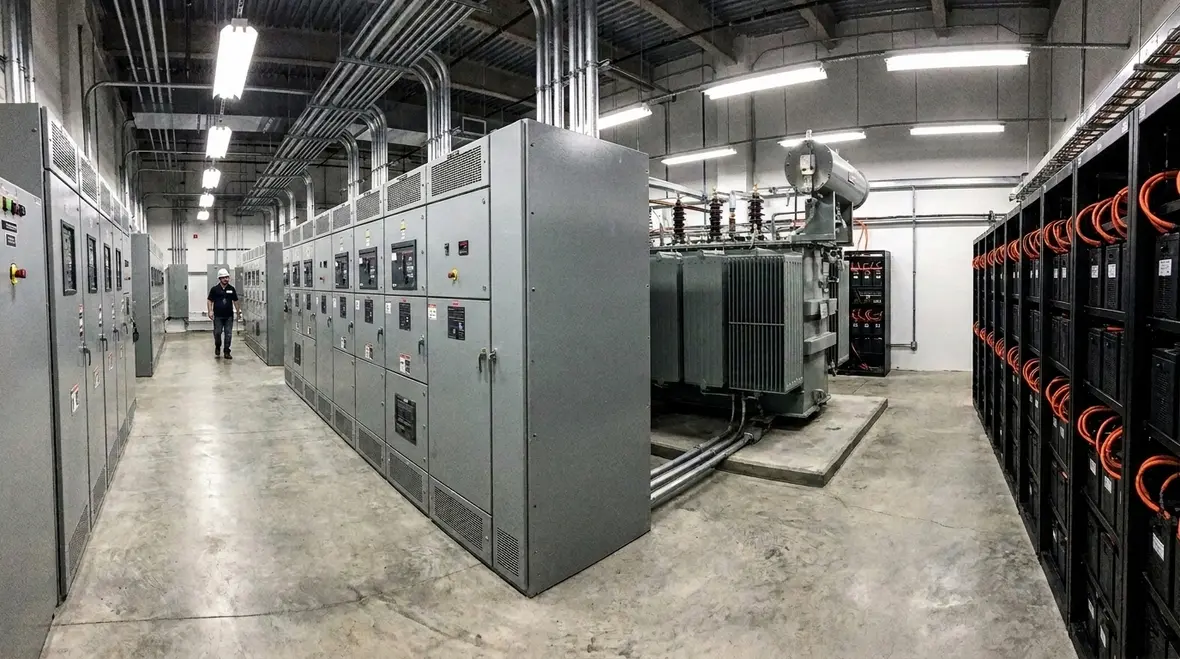
First, a data center power system begins at the utility interface. Our team helps others define the source options, meter points, and the electrical service entry layout. Then we add the protection layers that prevent a small fault from turning into a campus wide “everyone, please panic” moment.
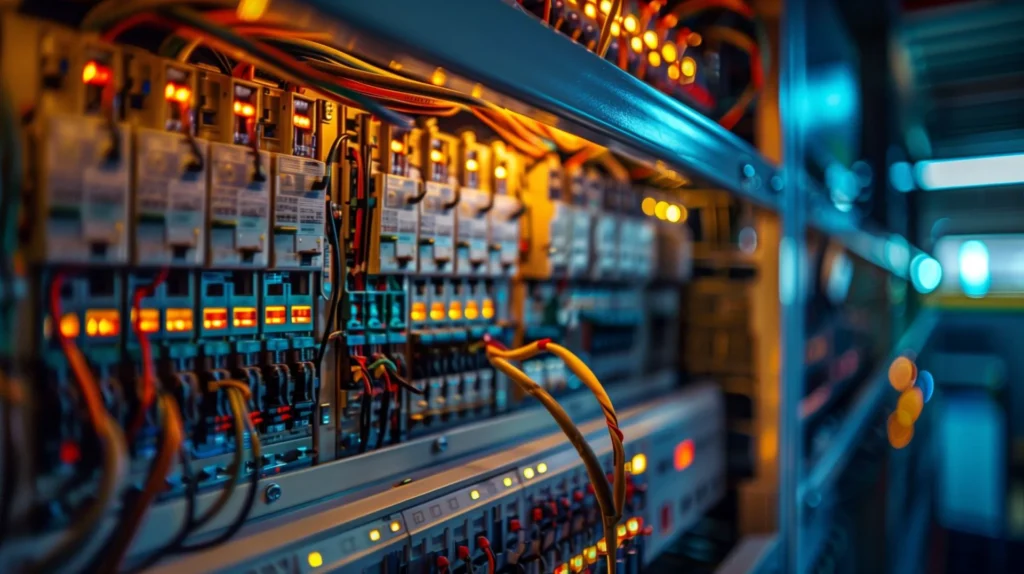
Switchgear sits at the center of this early stage. It routes power safely and interrupts faults. In addition, it supports maintenance without shutting down the whole operation, which matters for commercial and industrial facilities where service windows are tight. From there, distribution choices can include multiple feeders and selective coordination, so that only the faulty branch trips while healthy sections keep running.
Next, grounding and bonding join the party. They control fault current paths and stabilize voltage references. While that sounds like a detail best left to electricians in trench coats, grounding design directly affects protection behavior and personnel safety. Our expert service staff often tells clients: when grounding is right, alarms get quieter and troubleshooting gets faster. When it is wrong, every event becomes a detective novel with no ending.
If you want to see how these early-stage decisions fit into the bigger reliability picture, you can pair this guide with our article on data center electrical distribution design for reliability, which walks through how coordinated distribution and protection support uptime across the full facility.
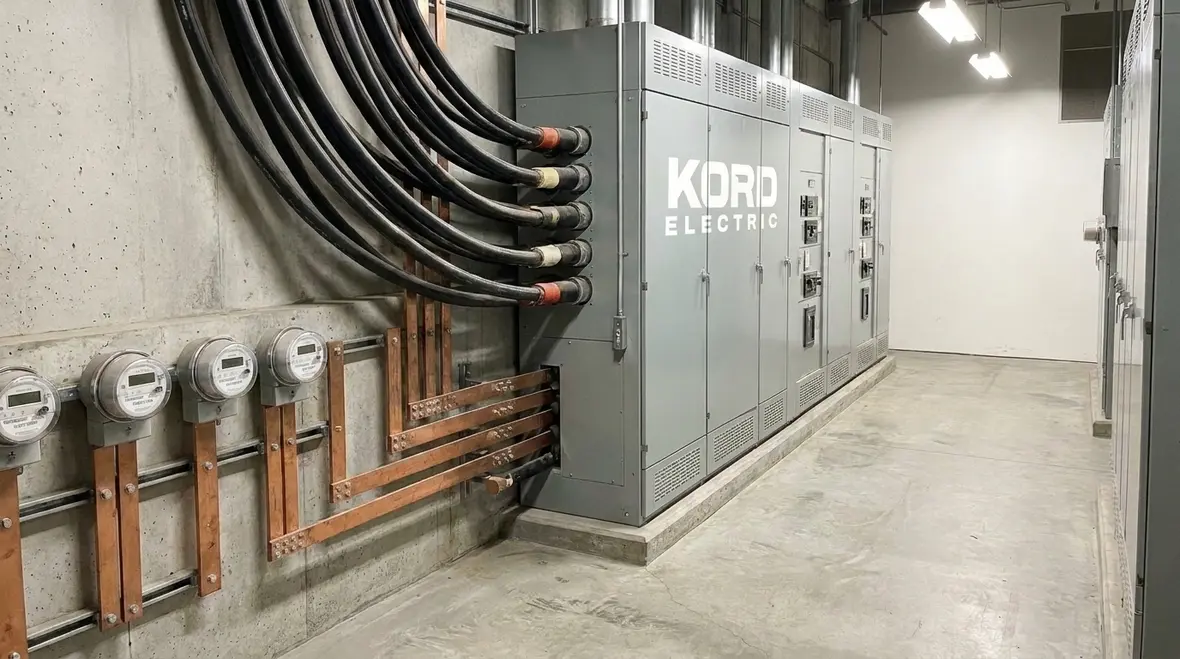
Transformers, buses, and switchgear: where voltage becomes usable power
After the incoming feeds, the system must adapt voltage to match what equipment needs. That is where transformers step in. We help define whether the design uses step down transformers at the main level, at distribution levels, or as part of an overall architecture that supports redundancy.
Then we look at buses and distribution conductors. These components carry power from switchgear to panels, UPS systems, and downstream loads. In a reliable design, buses also support clean segregation between critical and non critical loads, so one area does not bully the rest of the facility. Additionally, bus duct and cable selection accounts for ampacity, heat rise, and fault withstand ratings.
At this stage, monitoring and control matters. Our technicians validate settings, labeling, and operational sequences, and they document how alarms should present in the control room. Consequently, when something changes, the staff can respond with speed rather than stress. Power systems do not care about your schedule, but good engineering does.
Keeping distribution aligned with real-world loads
Distribution drawings may look clean on paper, but real facilities grow, heat up, and age. We tune transformer and bus choices so they handle the actual load profile, including harmonics, motor starts, and long-term thermal stress. That way, the same backbone that powers your servers today can still perform several upgrade cycles from now.
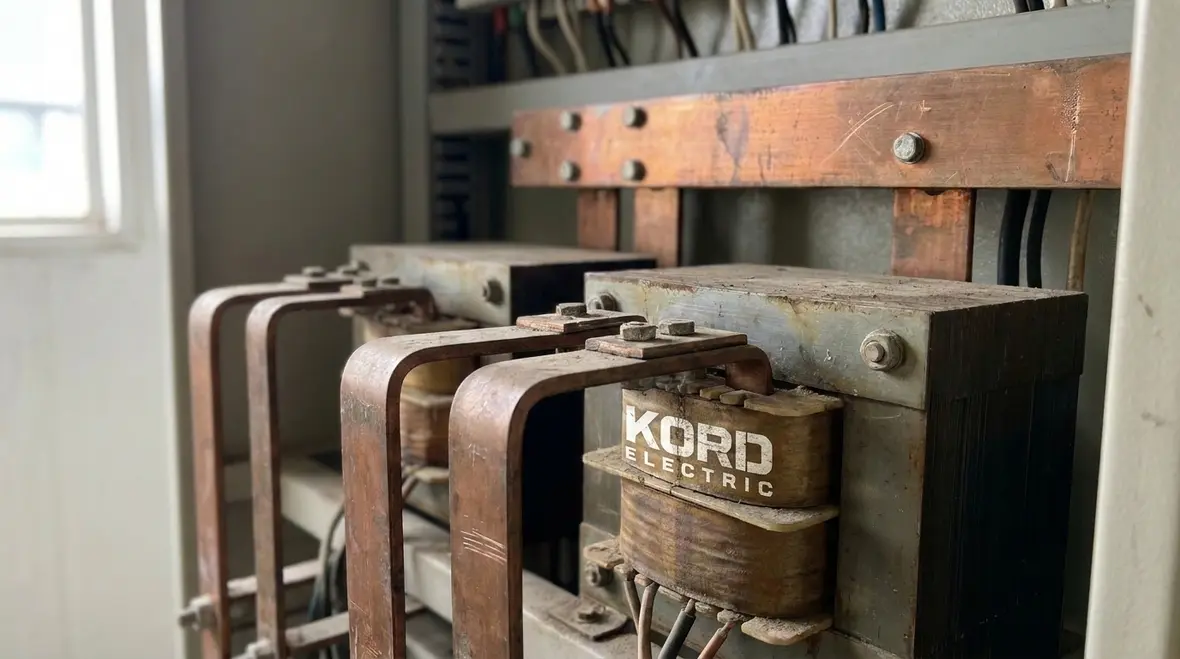
UPS and battery systems for ride through and fast corrections
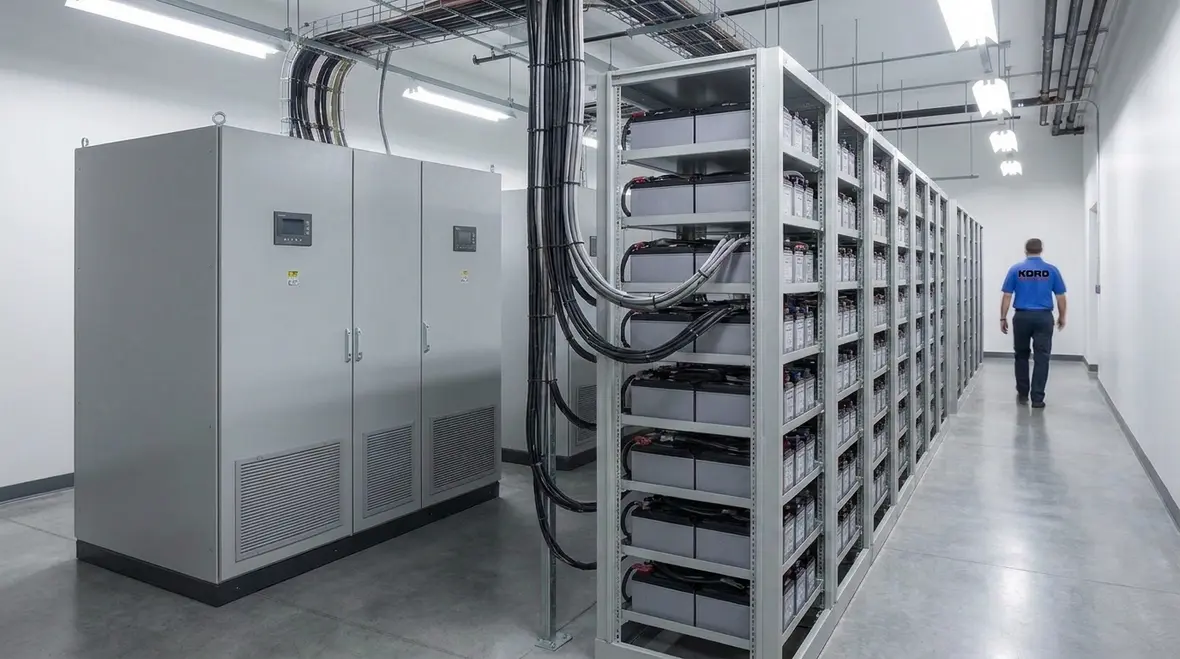
Once power enters the critical distribution path, UPS systems become the shield that keeps loads stable during utility disturbances. We work with clients who run mission critical environments in offices, manufacturing support buildings, and large properties where servers, networks, and process controls cannot wait for a long transfer.
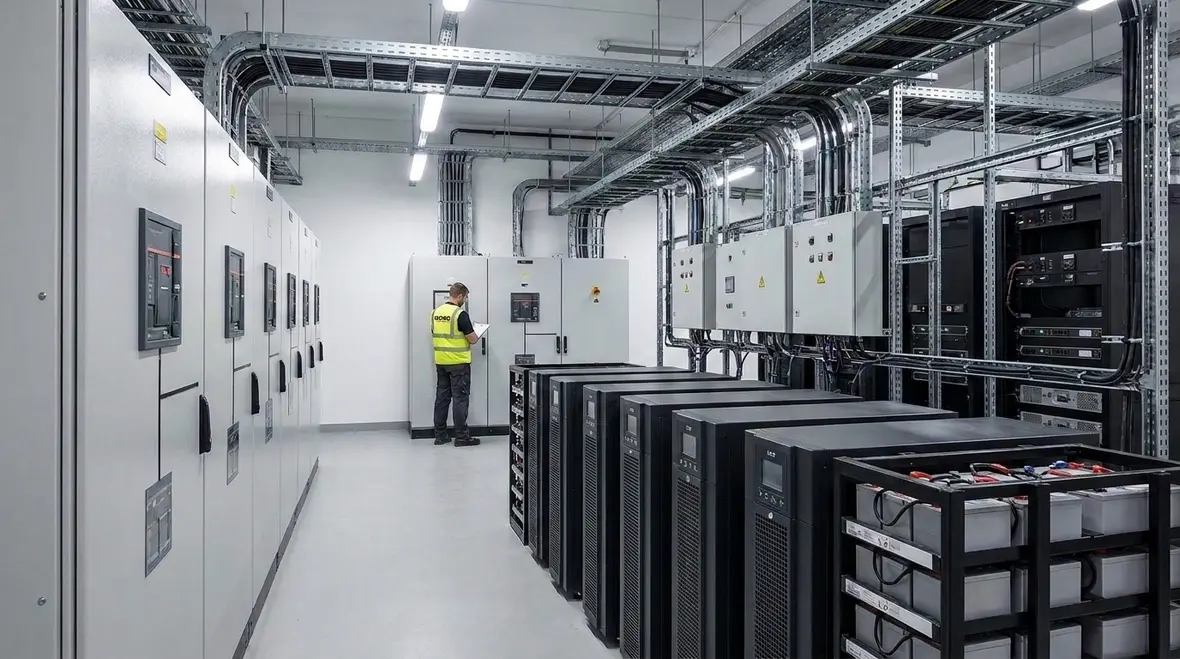
A UPS typically provides ride through during outages or abnormal voltage events and bridges the gap until generators come online. Depending on the design, it can also correct power quality issues such as short dips or brief transients. However, the real reliability comes from how the UPS connects to upstream gear and how downstream loads receive power through distribution panels and PDUs.
Batteries deserve special attention. We advise clients on battery type, capacity, and maintenance practices so the system performs when it matters. Moreover, thermal management and ventilation design help batteries last longer and behave as expected. Our expert service staff often explains this plainly: batteries are like airline snacks. They only matter when the flight goes long, and when you need them, you want them to be fresh.
Designing UPS paths that match uptime targets
We match UPS topology and battery autonomy to your real uptime targets and maintenance plans. For some commercial and industrial facilities, that means distributed UPS blocks near critical loads. For others, it means centralized systems with clearly documented bypass paths. Either way, the key is to make sure UPS behavior, breaker settings, and generator transfer logic all agree under stress.
Generators, transfer switches, and fuel readiness
Even with a UPS, long outages require generator systems. Therefore, we help define generator capacity, paralleling or sequencing approaches, and load mapping so the right equipment comes online in the right order. For commercial and industrial facilities, this can include process loads, building management systems, and IT loads that share the same physical spaces.
Transfer switches then make the transition. They move loads from one source to another while keeping interruption time within tolerances. In addition, transfer switch design should support safe operation and maintenance. Our technicians often review sequence timing, breaker logic, interlocks, and alarm outputs so the switching behaves predictably.
Fuel readiness is the quiet hero. Generator fuel supply must support the expected duration, and the system must meet local codes and operational expectations. We also encourage clients to plan for maintenance testing schedules, because a generator that has not run is like a lifeboat with a beautiful certificate and no proof it floats.
Coordinating UPS, generators, and transfer timing
Real reliability comes from coordination. UPS ride through must cover transfer delays. Generators must start and accept load without causing voltage swings that upset sensitive equipment. Transfer switches must change state in a sequence that operators can trust. We verify these pieces as a system, not as isolated devices.
Power distribution at the PDU and panel level for controlled uptime
Now we move downstream. The system distributes power from main and UPS output to the equipment that actually uses it. That is where panels, PDUs, and branch breakers become the key components of safe, structured delivery.
For reliable operations, we help set up load segmentation and redundancy. Critical racks and mission systems receive dedicated paths, while non critical areas sit on separate branches. In practice, this reduces the blast radius of a fault and supports easier maintenance. Additionally, labeling and metering support faster troubleshooting. When people can find the right circuit quickly, they spend less time chasing ghosts and more time keeping production moving.
We also emphasize proper selection of circuit protection. Breakers, fuses, and coordination settings must match conductor sizes and fault current levels. As a result, protective devices clear faults without unnecessary nuisance trips. Our expert service staff tends to say it like this: selective protection means you do not shut down the whole neighborhood for a single porch light.
Panel-level visibility and control
Good panel and PDU layouts give operators real leverage. With clear schedules, accessible metering, and structured naming, they can see where energy goes and how critical loads behave. We often align these details with broader uptime programs so maintenance, operations, and management share the same picture of risk.
Monitoring, controls, and documentation that prevent surprises
A reliable system is not only about hardware. It also relies on monitoring, controls, and clear documentation. At Kord Electric, we support clients by reviewing how alarms reach the right people and how operators should respond.
Monitoring can include power quality indicators, UPS status, battery health indicators, generator start and load transfer data, and breaker position feedback. Controls define start sequences, shutdown logic, and interlock behavior. Meanwhile, documentation ties it together: single line diagrams, equipment schedules, setpoint records, and tested sequences.
So when an event happens, the staff does not guess. They follow a plan. And yes, plans still fail sometimes, but better design reduces how often and how badly. When our technicians walk clients through the system layout, we also teach them how to read it under pressure. Calm people make safer decisions.
Connecting monitoring with a broader uptime strategy
Monitoring becomes even more valuable when it feeds into a structured uptime program. Many facility teams tie this layer of visibility into a wider data center uptime strategy for power reliability and redundancy, and into their overall commercial electrical system uptime planning. The result is fewer surprises and faster, calmer responses when something does go wrong.
FAQ: quick answers on data center power distribution
What does Kord Electric recommend for commercial and industrial uptime goals?
For commercial and industrial facilities and major property buildings, we recommend a power design approach that supports redundancy, safe maintenance, and clear operational control. We also focus on coordination across all layers from incoming feeds to PDU distribution. In addition, we push for testing and documentation so teams can react correctly, fast, and without confusion.
If our clients need a reliability lift, we often start with a structured review of their existing single line diagram, load classification, and protective settings. Then we align upgrade plans with real operational needs rather than theory. In a data center, theory is cute. But uptime pays the bills.
For organizations operating in and around Southern California, these improvements often connect naturally with our broader Los Angeles County electrical services for commercial, industrial, and data center facilities, so the same team that designs your power distribution can also support field work and long-term maintenance.
Conclusion: let’s strengthen your power distribution with a real plan
Power reliability does not happen by accident, and your critical loads deserve more than hope. Kord Electric brings expert service staff, experienced technicians, and a practical focus on the key components of a data center power distribution system that protect uptime from the utility entrance to the PDU level. If you are planning a new install, upgrading distribution, or tightening reliability for a commercial or industrial facility, reach out to us. We will help you map risks, improve coordination, and build a power system that stands up when conditions get tough.
From incoming feeds and switchgear through transformers, UPS systems, generators, PDUs, and monitoring, every decision shapes how your data center behaves when reality gets loud. With the right design, testing, and documentation, those decisions add up to calm, predictable uptime instead of surprise outage stories.