Electrical Workplace Hazards and Safety in Facilities
Electrical Workplace Hazards, Safety, and the Calm Authority of Preparation
In every commercial tower, manufacturing plant, and major property building, power moves like an unseen river behind the walls. When managed well, it fuels progress. When ignored, it becomes one of the most serious workplace hazards, safety risks included. Kord Electric understands that reality with clear eyes. They see overloaded panels, aging switchgear, exposed conductors, and rushed maintenance as warning signs rather than minor flaws. Moreover, their technicians and expert service staff explain these dangers in plain language, so facility leaders can act before a spark becomes a shutdown. Because in the world of commercial and industrial operations, prevention always costs less than recovery.
They speak about electrical risk the way a seasoned narrator tells a story. Slow. Steady. Certain. And occasionally, with a knowing smile. After all, electricity does not care about production deadlines or quarterly reports. It follows physics. Therefore, understanding those rules keeps buildings standing and teams safe.
Understanding Electrical Hazards in Large Facilities
Electrical systems in commercial and industrial buildings operate at higher loads and greater complexity than most people realize. While a desk lamp at home may trip a breaker, a distribution panel in a production facility can power entire lines of equipment. Consequently, when something fails, the impact multiplies.
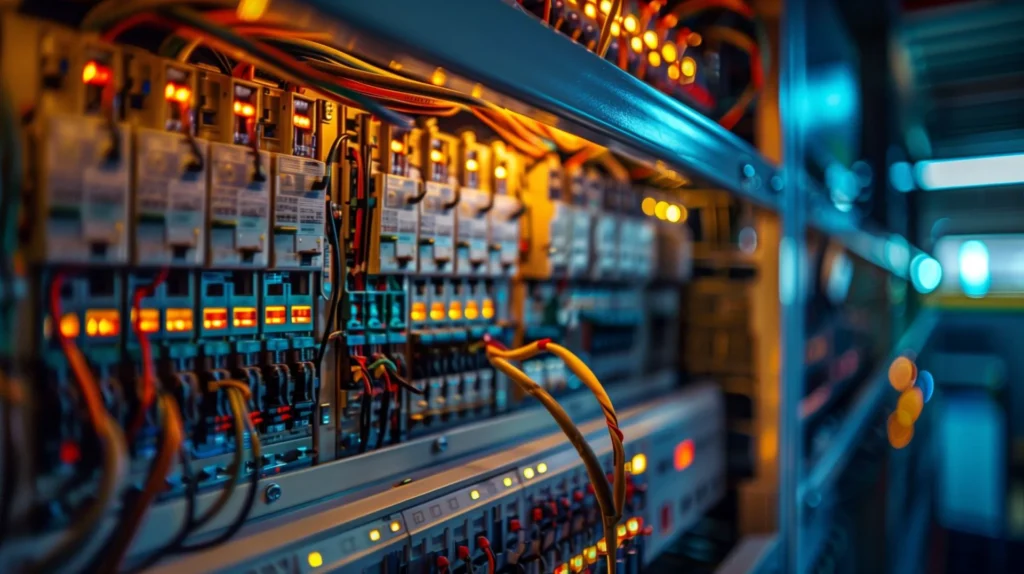
Kord Electric approaches these environments with disciplined focus. Their expert service staff examine switchboards, transformers, bus ducts, and backup systems with a methodical eye. They identify overheating connections, insulation breakdown, moisture intrusion, and improper grounding. In addition, they look for subtle warning signs such as discoloration around lugs or unusual vibration in panels.
Arc flash events remain one of the most severe electrical hazards in industrial spaces. An arc flash releases intense heat and pressure in milliseconds. However, it often starts with something simple, like loose hardware or dust buildup. Therefore, Kord Electric trains facility managers to treat small irregularities as early alerts rather than cosmetic flaws.
They also explain that electricity rarely announces itself with dramatic sparks. Instead, it whispers through rising temperatures, minor breaker trips, and equipment that feels just slightly warmer than yesterday. And while that may not sound like a Hollywood action scene, it is far more dangerous because it hides in routine.
How Kord Electric Identifies Workplace Hazards and Safety Gaps Before They Escalate

Facility leaders often ask what makes a thorough inspection different from a quick visual check. The answer begins with intention. Kord Electric conducts structured assessments designed for commercial and industrial properties, not surface level walk throughs.
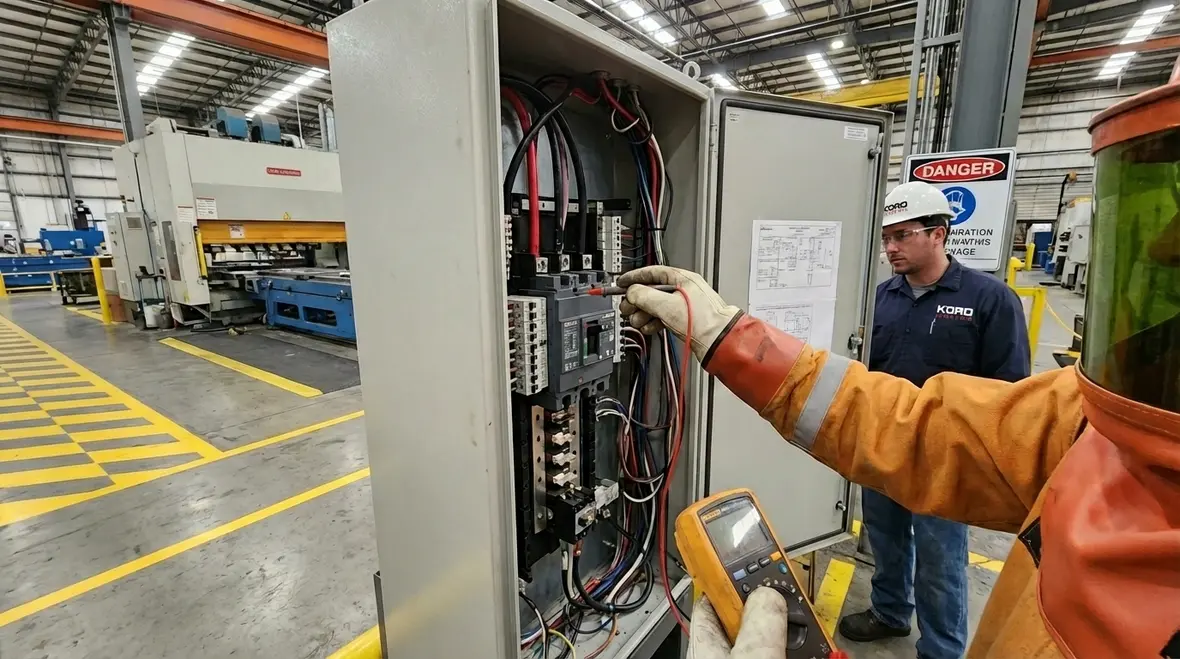
Their technicians use thermal imaging to detect heat anomalies behind closed panels. Furthermore, they test grounding systems to confirm fault currents have a safe path. They review load calculations to ensure circuits operate within capacity. As a result, they uncover conditions that might otherwise remain hidden for years.
During these evaluations, their expert service staff explain each finding in clear, practical terms. They do not bury clients in jargon. Instead, they translate data into operational impact. For example, they might say, this connection runs twenty degrees hotter than it should, which means failure could occur during peak production. That clarity empowers property managers to prioritize corrections.
Additionally, they assess compliance with current codes and industry standards. Codes evolve because lessons are learned, often the hard way. Therefore, staying current is not paperwork. It is protection.
In many cases, clients discover that addressing one issue improves system performance overall. Energy efficiency increases. Equipment lifespan extends. And unplanned downtime decreases. In other words, safety improvements often pay dividends beyond risk reduction. For facilities seeking a structured approach to inspections and ongoing service, Kord Electric’s electrical preventive maintenance programs help align workplace hazards, safety practices, and performance over the long term.
Common Electrical Risks in Commercial and Industrial Buildings

Electrical dangers in major facilities share patterns. However, each building presents its own story. Some properties operate on aging infrastructure that has quietly exceeded its intended lifespan. Others grow quickly, plugging new equipment into systems never designed for those loads. Many juggle production pressures, budget constraints, and competing maintenance priorities, which makes it easy for electrical details to slip into the background until something fails.
Across these environments, the same categories of risk appear again and again: overloading, neglected maintenance, unclear labeling, and workplace habits that unintentionally introduce new hazards. When these factors combine, the margin between normal operations and a serious incident can become uncomfortably thin.
Column One: Frequent Risk Sources
Overloaded circuits during expansion projects
Aging switchgear beyond intended service life
Improperly labeled panels that slow emergency response
Temporary wiring used longer than intended
Dust and debris inside electrical enclosures
Column Two: Operational Consequences
Unexpected shutdowns that halt production
Increased fire probability
Delayed troubleshooting during critical events
Higher maintenance costs over time
Greater exposure to arc flash incidents
Presented side by side, these columns tell a simple truth. Small oversights lead to large disruptions. Therefore, proactive maintenance becomes more than a best practice. It becomes a strategic decision.
Kord Electric reminds facility leaders that expansion often introduces new workplace hazards. When new machinery connects to older infrastructure, load balance shifts. Consequently, systems that once operated comfortably may edge toward strain. Their team evaluates these transitions carefully, ensuring growth does not compromise protection. In some cases, they may recommend targeted upgrades or power quality corrections similar to the strategies outlined for voltage fluctuations in commercial and industrial facilities, helping stabilize systems before issues cascade into outages.
Training Teams to Recognize Early Warning Signs

Even the most advanced electrical system depends on human awareness. While licensed electricians perform technical work, on site personnel interact with equipment daily. Therefore, education strengthens the first line of defense.
Kord Electric offers guidance tailored to commercial and industrial staff. Their technicians demonstrate how to notice unusual sounds from panels, detect burning odors, and observe irregular breaker behavior. Moreover, they encourage reporting without hesitation. A minor concern today may prevent a shutdown tomorrow.
They also explain lockout and tagout procedures in practical terms. Rather than presenting rules as abstract policy, they show how energy isolation prevents serious injury. Because when someone understands the why, compliance becomes instinct rather than obligation.
There is also a cultural element to electrical safety. Facilities that prioritize open communication reduce risk. For instance, when maintenance teams feel comfortable flagging potential hazards, resolution occurs faster. Conversely, when warning signs go unspoken, risk grows quietly.
And yes, sometimes the most advanced safety tool is simply attention. Not glamorous. Not high tech. Just disciplined awareness. As Kord Electric often notes with a gentle smile, electricity rewards respect and punishes shortcuts.
Why Preventive Maintenance Strengthens Workplace Protection
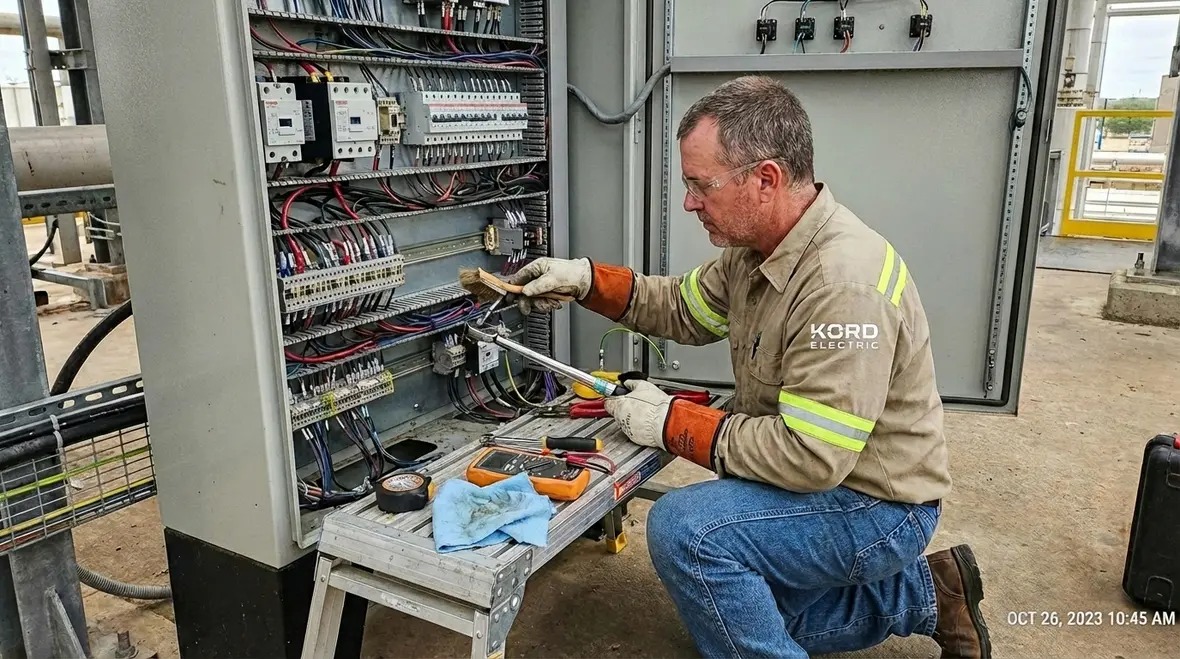
Preventive maintenance in industrial settings serves as both shield and compass. It shields against failure and guides long term planning. However, skipping scheduled service can allow minor deterioration to evolve into serious threats.
Kord Electric structures maintenance programs around facility demands. They inspect connections, torque hardware to specification, clean enclosures, and verify protective device coordination. Additionally, they document system conditions to track changes over time.
This data driven approach reveals trends. For example, if one feeder consistently shows elevated temperature, deeper analysis follows. Therefore, interventions occur before damage spreads.
Preventive care also protects reputation. In large properties, tenants and partners expect uninterrupted operations. A single electrical incident can disrupt contracts and confidence. Consequently, investment in maintenance supports both operational stability and brand strength.
While some may view scheduled inspections as downtime, Kord Electric reframes the perspective. Planned service takes hours. Emergency recovery can take days. The math speaks clearly. For organizations that want maintenance mapped to real-world facility needs, Kord Electric’s dedicated electrical preventive maintenance services provide a framework to keep workplace hazards, safety procedures, and compliance aligned over time.
Building a Culture That Reduces Electrical Workplace Hazards and Safety Risks
Technical solutions matter. Yet culture sustains them. In commercial and industrial environments, leadership sets the tone for how teams approach risk.
Kord Electric collaborates with facility managers to integrate safety into daily operations. They recommend clear signage, updated panel directories, and accessible documentation. Furthermore, they encourage routine review meetings where electrical performance becomes part of broader operational discussion.
Importantly, they advocate for accountability without blame. When an issue surfaces, the focus shifts to resolution rather than fault. As a result, teams remain proactive rather than defensive.
Technology also plays a role. Remote monitoring systems can track load patterns and alert managers to irregularities. However, technology works best when paired with trained professionals who interpret data accurately. Kord Electric provides that expertise, ensuring information leads to action.
Over time, this structured approach reduces workplace hazards across the facility. Employees operate with greater confidence. Leadership makes informed decisions. And the building itself functions as a coordinated system rather than a collection of parts.
After all, a well managed electrical infrastructure resembles a well conducted orchestra. Each component performs its role. No instrument overpowers the others. And when guided by experienced hands, the result is steady performance instead of chaotic noise.
FAQ About Electrical Safety in Commercial and Industrial Facilities
Conclusion: A Steady Hand in a High Voltage World
Electrical systems power progress, yet they demand respect. Kord Electric stands beside commercial and industrial facilities with steady expertise and calm authority. Their technicians identify risks, explain solutions, and strengthen protection at every level. Therefore, when safety and reliability matter, they invite property leaders to act before problems surface. Connect with Kord Electric today, and let experience guide your building toward safer, stronger performance.
If your facility team is also responsible for life safety systems beyond electricity, consider coordinating your planning with specialized fire protection support. Our sister company provides comprehensive fire protection services across sprinklers, alarms, extinguishers, and suppression systems, helping align electrical reliability with code-compliant fire safety for a more resilient facility overall.
When you are ready to evaluate your building’s risk profile in detail, schedule a commercial electrical assessment and build a maintenance plan that fits your operations. Alignment between electrical reliability, fire protection, and workforce training turns workplace hazards and safety concerns into a manageable, measurable program rather than a lingering source of uncertainty.