
Emergency Electrician Near Me: What Businesses Should Do During an Electrical Failure
Emergency situations in commercial buildings: what businesses should do first
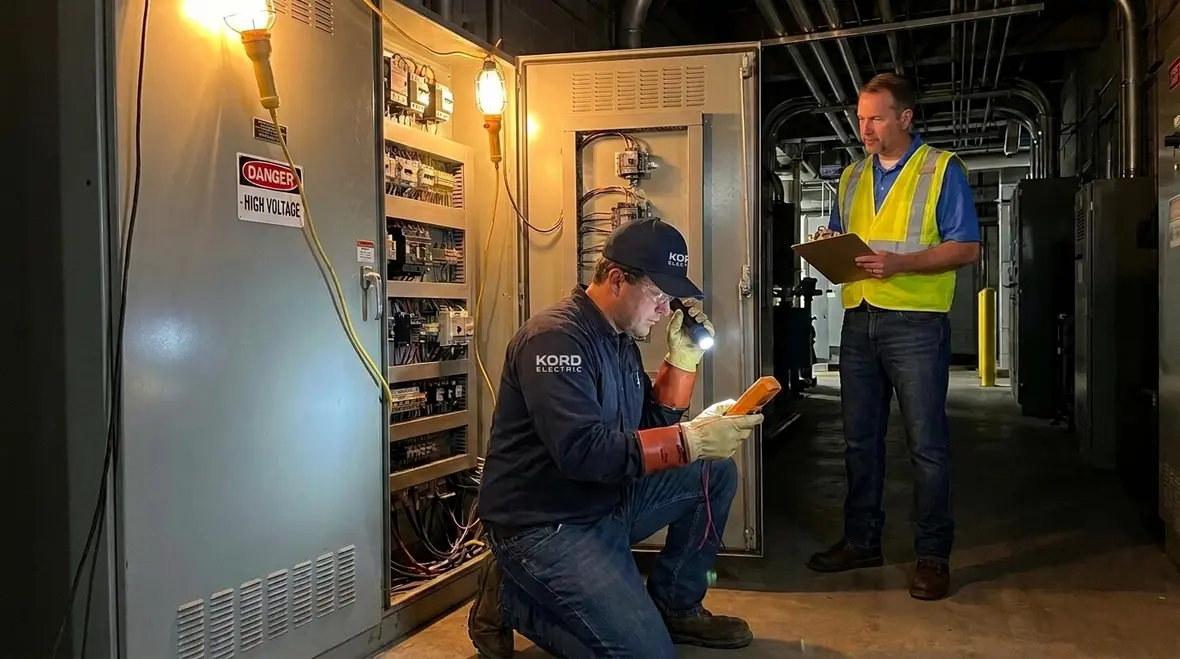
When a store goes dark, a warehouse trips, or a lobby loses power, our response has to be calm and quick. In the first moments, businesses should focus on safety, control the scene, and avoid guesses. That is exactly where an Emergency Electrician Near Me: What Businesses Should Do During an Electrical Failure plan earns its keep. We often see teams do everything right, then still get stuck because they wait too long, or they reset a breaker without understanding the cause. Meanwhile, the outage grows like a pop quiz nobody studied for. That is why our first step is always to stabilize people and protect equipment, then bring in skilled help that can actually diagnose the problem. Kord Electric supports commercial and industrial facilities, and we guide others through the steps our expert service staff uses every day.
Recognize the signs of an electrical failure before it gets worse
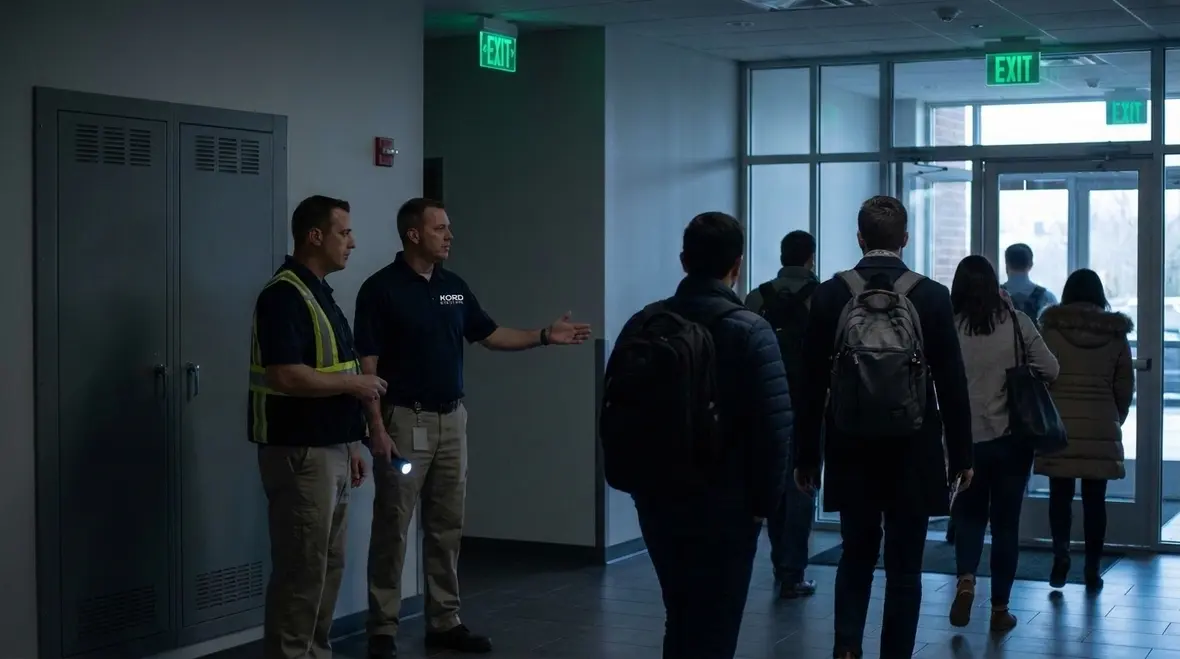
In commercial and industrial settings, electrical failures rarely arrive politely. Instead, they show up through patterns. For example, lights may flicker, panels may make unusual noises, fuses can warm up fast, or breakers may trip repeatedly. At the same time, some systems continue to run while others fail, which confuses teams and makes them treat the situation like a minor glitch.
When that happens, we recommend others look for clear clues. If the issue occurs only at certain times, it may connect to load demand or a scheduled process. If only a specific floor or wing fails, it often points to a feeder or branch circuit problem. If multiple areas drop at once, the cause might sit upstream in the service equipment.
Our technicians also take note of odors, visible scorch marks, and heat at enclosures. Therefore, we treat any burning smell, any melting evidence, or any persistent buzzing as a reason to stop and call qualified support right away. Resetting repeatedly can turn a solvable fault into a costly repair, and nobody wants that kind of drama in a facility where uptime matters.
How to handle an emergency electrical call without panicking
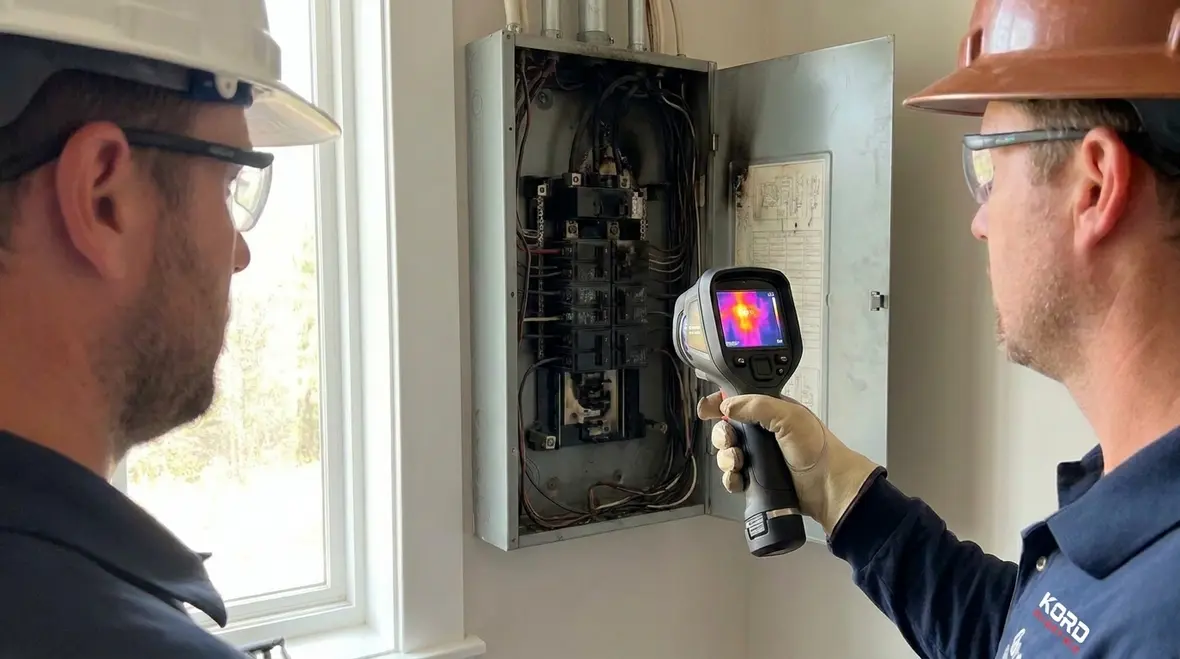
When an electrical failure hits a major property building, the goal is not to improvise. It is to act in a structured way, while we gather the details that help the electricians find the root cause faster. First, others should keep people away from affected panels and avoid “helpful” attempts to troubleshoot live equipment. Then, our team suggests documenting the timeline.
Here is a practical order that works well for commercial and industrial sites:
- Shut down risky processes if equipment behavior looks abnormal, especially anything that could overheat
- Confirm what systems lost power, such as HVAC, lighting panels, EV charging, elevators, or refrigeration
- Record breaker positions and what tripped, and note if any alarms activated
- Check for visible damage from a safe distance, like scorching on panels or cables
- Preserve evidence so our expert service staff can diagnose, not guess
At Kord Electric, we explain what we need and why. Others call, and we listen first, because the fastest path to a solution often starts with good information. If your building has a preferred route for contractors or a security protocol, tell us early. It keeps everything smooth, and yes, it prevents that awkward moment where everyone meets in the wrong loading bay.
Emergency response for commercial and industrial power systems
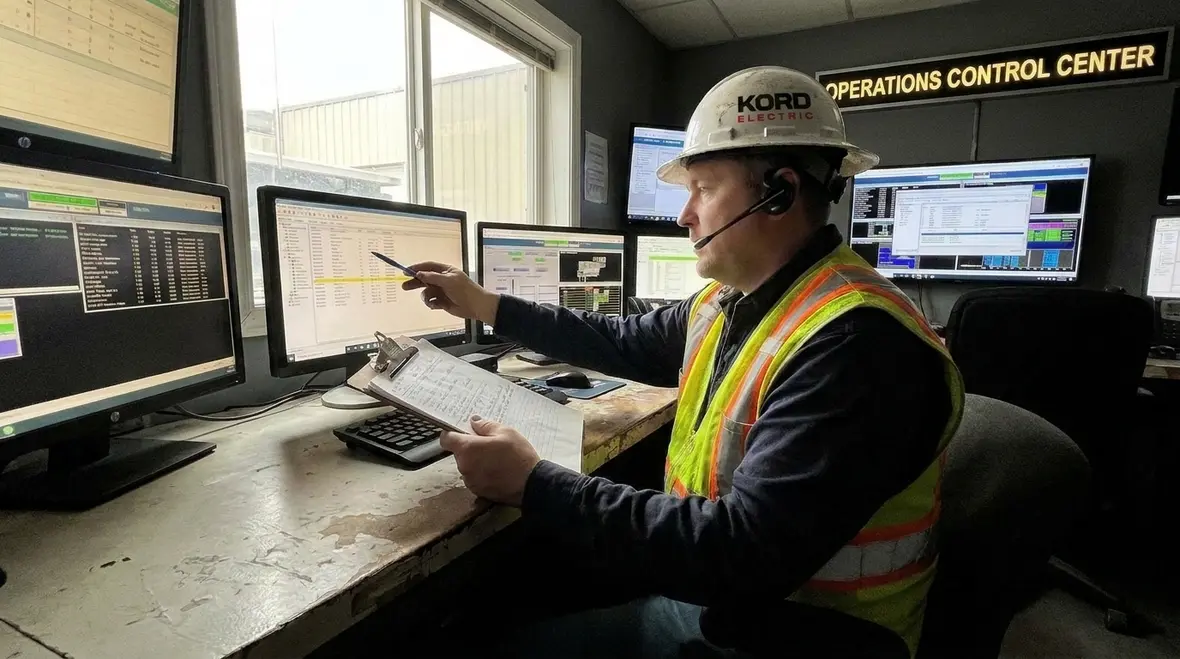
For facilities that run on demand, the electrical system is not a background utility. It is the backbone. Therefore, our technicians focus on both safety and production continuity. We respond to issues across commercial properties, industrial plants, and large buildings where failure impacts staff, customers, and operations.
When we arrive, we do not jump straight to replacement. Instead, we assess the system and narrow the cause. That usually includes a check of service equipment, panel behavior, distribution paths, and any connected loads that may have failed. Then we verify protective device operation. If a breaker trips, we ask why it tripped, not just whether it can reset.
Depending on the situation, our team may test insulation resistance, examine grounding and bonding, review load balance, and inspect for signs of overheating at terminations. We also coordinate with facility staff so that shut downs and restoration happen in a controlled sequence. In other words, we bring order to the chaos, because restoring power incorrectly can create repeat failures and risk further damage.
And since this is a business, not a mystery novel, we provide clear explanations. Our expert service staff walks others through what we found, what it means, and what repairs or next steps reduce the chance of a repeat event. We do not speak in riddles. We speak in practical terms that help your team make decisions fast.
What to do while waiting for help nearby
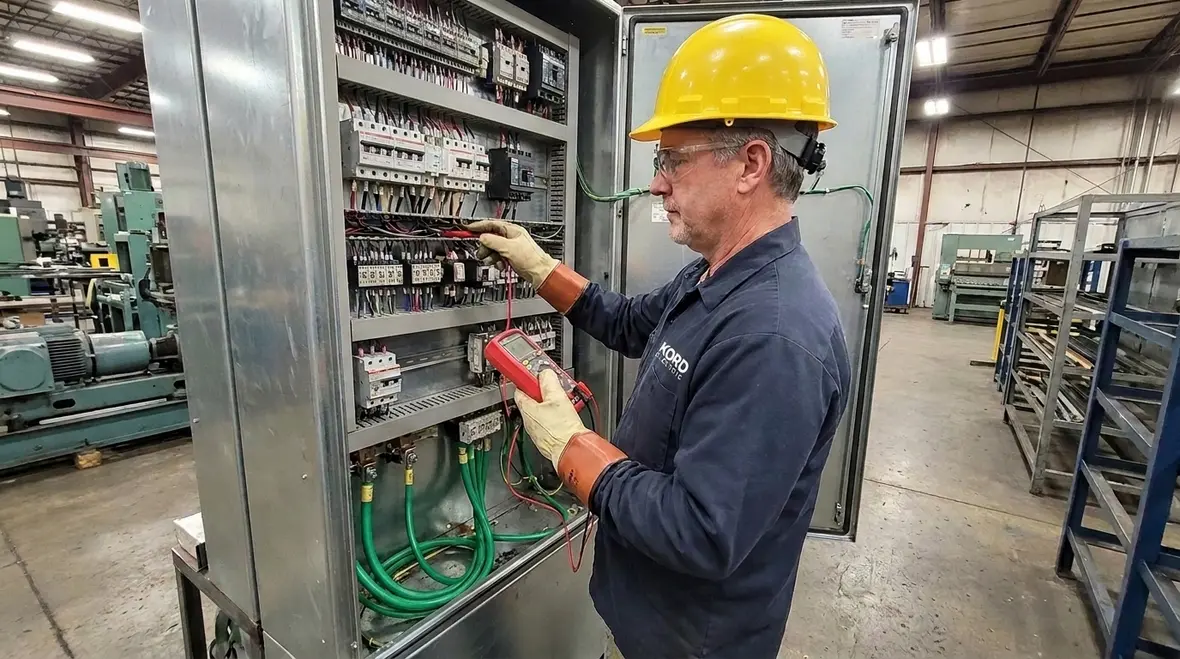
While others wait for an electrician, the wrong moves can multiply the problem. So, if you are searching for an Emergency Electrician Near Me: What Businesses Should Do During an Electrical Failure, you still need a short list of actions that keep everyone safe. These steps also help our technicians once they arrive.
- Do not reset breakers more than once, and avoid “try and see” cycles
- Keep doors closed to electrical rooms and control access with security or onsite leads
- Use emergency lighting and signage to protect foot traffic and safe movement
- Limit equipment restart until the fault is identified, especially motors and large HVAC loads
- Notify our service dispatcher with the exact time of failure and which areas are affected
Yes, it is tempting to flip every switch like you are trying to restart a Wi Fi router. Power systems are not the same thing. They do not care about your optimism. Instead, they care about safety clearances, protective coordination, and fault current paths. So we encourage others to pause and follow the plan until a qualified team takes over.
Common commercial failures we troubleshoot and how we restore power
Electrical failures can come from different places, and commercial buildings have unique load profiles. For example, a manufacturing site may face motor faults and high inrush currents, while retail properties often see issues from seasonal equipment and aging distribution hardware. Major property buildings can include complex life safety loads, elevators, and standby power systems, which require careful handling.
Here are examples of issues our technicians commonly diagnose and repair:
- Tripped breakers with repeat events that point to persistent faults or abnormal load behavior
- Loose or overheated connections at panels, lugs, or busbars that increase heat and cause instability
- Grounding and bonding problems that lead to nuisance trips or unsafe fault clearing
- Failures in distribution components such as feeders, disconnects, or control wiring
- Issues affecting life safety circuits that require exact restoration and verification
Once we identify the likely source, restoration follows a safe sequence. We verify that the repaired components perform correctly under expected load. Then we confirm protective device operation so your system does not “work today” and fail again next week. Throughout, we keep others informed. Our expert service staff explains what we are doing, what readings show, and what it means for ongoing operations.
For emergency service details and how we handle these situations, people can review the emergency electrical services information on our site at kordelectric.com/emergency-electrical-services. We built that resource to help facility managers understand what to expect from our team during urgent electrical events.
Building a plan so the next outage does not become a crisis
After power returns, others often breathe out and move on. That is natural. However, we encourage a short follow up because the next failure can look similar, but the cause may still be active. Therefore, Kord Electric supports post incident steps that reduce downtime and protect assets.
Our team typically helps clients plan around prevention through targeted inspections, maintenance, and testing where it matters most. We look at panels, termination points, protective devices, and the condition of distribution equipment. We also help define operational responses for future events, so onsite teams know how to act without damaging equipment or delaying safe restoration.
To keep things business friendly, we also talk about budgets and timelines. We offer solutions that fit how commercial and industrial facilities operate. That means we plan repairs in a way that protects production schedules, coordinates with facility leads, and limits disruption. Think of it as “prevent the sequel.” Nobody asked for a second outage, but it happens when maintenance is treated like optional homework.
If you want a deeper dive into long term reliability, resources like Kord Electric’s commercial electrical preventative maintenance checklist and commercial electrical troubleshooting guides help facility teams connect everyday observations to maintenance and repair priorities. They pair well with structured services like electrical load capacity assessments and safety audits when you are planning upgrades instead of waiting for the next surprise.
For facilities across the region that need support beyond emergency calls, Kord Electric also offers comprehensive Los Angeles County electrical services for commercial and industrial buildings, so your team has a single partner for both urgent issues and planned projects.
FAQ
Final word from Kord Electric
When a commercial or industrial facility faces an electrical failure, speed matters, but so does accuracy. Kord Electric sends technicians and expert service staff who explain what they find and restore power in a controlled, safe way. If you need an Emergency Electrician Near Me: What Businesses Should Do During an Electrical Failure, contact us now. Tell us what failed, when it started, and what areas went dark. We will guide next steps and move fast toward a real fix.
If your site also needs ongoing support beyond a single emergency, our team can connect you with related services like preventive maintenance, troubleshooting programs, and broader commercial electrical projects so that your next outage is less likely to turn into a crisis.
For urgent issues and structured projects alike, our dedicated emergency team and our broader service crews work together so your building’s electrical system supports your operations instead of surprising them.


