Energy-Efficient Lighting for Warehouses: LED Upgrades & Controls
Warehouse lighting has a quiet job with loud consequences. When it works, staff move safely, inventory stays accurate, and supervisors stop hearing “I could not see it” every time there is an error. When it does not, costs pile up in ways that never show up on a single invoice. That is why Energy-Efficient Lighting for Warehouses: LED Upgrades & Controls is not just about electricity. It is about how your entire operation feels at 3 a.m. on a busy shift.
At Kord Electric, we design warehouse lighting like we are building the backbone of your workflow, not just “putting in some new fixtures.” That means careful audits, LED upgrades tuned to your space, and smart controls that dim or brighten based on real traffic, not guesswork. We also align our design with California energy codes and practical ROI so you can defend the numbers, not just hope the bill drops.
Energy-Efficient Lighting for Warehouses: LED Upgrades & Controls, and why it matters
Warehouse managers want two things at once: lights that stay bright and budgets that do not. Energy-Efficient Lighting for Warehouses: LED Upgrades & Controls gives both, and we at Kord Electric guide facility teams through the full path from assessment to installation. First, we recommend LED upgrades because they deliver strong light with far less power than older fixtures. Then, we add controls that cut waste when space sits idle. However, the real win comes when technology works with your layout, your work patterns, and your maintenance schedule.
In other words, we do not just “swap bulbs.” We tune the lighting system so your warehouse runs like a well paced story, not like a sitcom season that never ends. And yes, we tell our clients the truth: lighting that never gets adjusted is like a coffee machine running on full blast all night. It can work, but it wastes power and money.

Across our warehouse projects, one theme repeats: when lighting finally matches the work, everything else feels calmer. Pick speeds improve, safety observations drop, and supervisors stop joking about “working in a cave.” That is why our team also looks at the electrical backbone, from panel schedules to control wiring, so your upgrade behaves like part of a bigger strategy, not a set of isolated fixtures.
Start with the real audit, not guesswork
Many teams think they already know what needs fixing. Yet, we often see the same pattern: outdated fixtures, uneven brightness, and sensors that were never set up correctly. So, our technicians begin with an on site review that focuses on practical details: fixture condition, mounting height, beam angle, and how workers actually move through the aisles.
Then, we measure or verify light levels so the final plan supports safety and productivity. After that, we map the warehouse into zones. This matters because warehouse areas rarely share the same use case. Dock doors, packing stations, and high bay racks behave differently, and they should not share the same control logic.
Meanwhile, we review your operating schedule and any special requirements from leadership, insurance, or local code. As a result, we propose changes that match real work hours, not a generic daytime template. Our expert service staff also explains the why behind each step, because when the team understands the plan, it sticks. Nobody wants a lighting upgrade that feels like a surprise plot twist.
For many Southern California facilities, this first step also connects directly to compliance. A structured lighting audit helps warehouses align with California Title 24 performance requirements and makes it easier to document savings for local incentive programs. When needed, we pull insights from related projects, like our warehouse lighting power efficiency work, so your plan follows proven patterns rather than experiments.
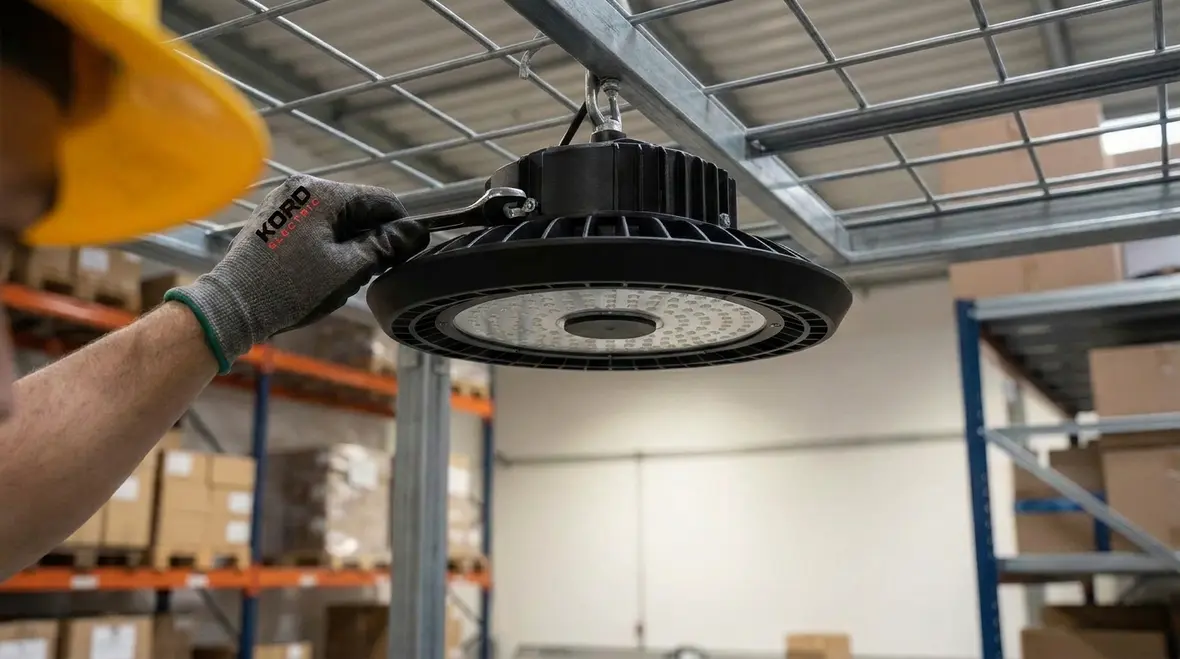
During the audit, we often discover quick wins: controls that were disabled after one confusing week, fixtures aimed at the wrong tasks, or racks added long after the original design. Instead of shaming the layout, we treat it like a live script. We ask what changed, then we reshape the lighting plan so it finally matches the story your building is telling today.
LED upgrades that cut power while keeping light quality steady
When we install LED fixtures, we focus on performance, not hype. LEDs usually cut energy use because they convert electricity to light more efficiently. However, the important part is consistency. Warehouse tasks require clear visibility, good contrast, and minimal flicker or glare.
To achieve that, we pay attention to lumen output, distribution, and color quality. We also match the optics to your ceiling height and racking layout. If the light distribution does not fit your space, you end up with bright patches and dark corners, and then everyone pretends it is fine until an audit or an incident forces action.
Next, we plan for maintenance. Older fixtures often need more frequent relamping, and that downtime adds up for commercial and industrial facilities. In contrast, LED systems reduce replacement frequency, and our technicians outline service intervals so you can schedule work without interrupting operations.
Finally, we consider controls compatibility so the LED system works smoothly with dimming and sensors. If you install LEDs that cannot dim well, the savings can shrink. Therefore, we choose components that support the control approach from day one.
This is also where long term ROI shows up. Stable LED systems with the right drivers and controls deliver predictable payback rather than surprise failures. In our broader warehouse LED lighting benefits work, we routinely see upgrades cut energy use while also improving visibility for forklifts, scanners, and cameras. The trick is to match fixture spec to reality, not to a generic line on a spreadsheet.

If your team wants deeper ROI math, we can tie these LED choices to Title 24 lighting retrofit models and local energy rates. That way, when leadership asks, “Why these fixtures?” you can show a clear answer that includes energy savings, maintenance reduction, and risk mitigation, not just an opinion from the catalog.
Controls that dim when the work pauses
Energy savings often come from controls, not just fixture swaps. So, we design your warehouse lighting around motion, time schedules, and daylight where it applies. When the area runs, lights stay at a comfortable level. When the area rests, the lights lower to a smarter output.
We commonly use occupancy sensing for zones like offices, staff areas, and smaller workflows. For large bays and wide aisles, we use strategies such as zone based switching and scheduled dimming so the system does not hunt for movement every few seconds.
In addition, we account for how forklifts and pedestrian traffic create movement patterns. For instance, a sensor can respond well in one aisle and struggle in another if the mounting location or field of view does not match your traffic flow. That is why our expert service staff walks through sensor placement and testing with the people who know the warehouse best.
And yes, we test it. Lighting that performs on paper but fails during real shift hours is a comedy of errors, and nobody laughs when it delays a shipment.
On many projects, we extend this thinking with advanced warehouse lighting automation, aligning schedules with real shift patterns rather than default calendars. That can include night modes, weekend setback levels, and seasonal tweaks so you are not blasting full output for a skeleton crew. The goal stays simple: keep people safe, keep visibility strong, and stop paying for light that nobody is using.
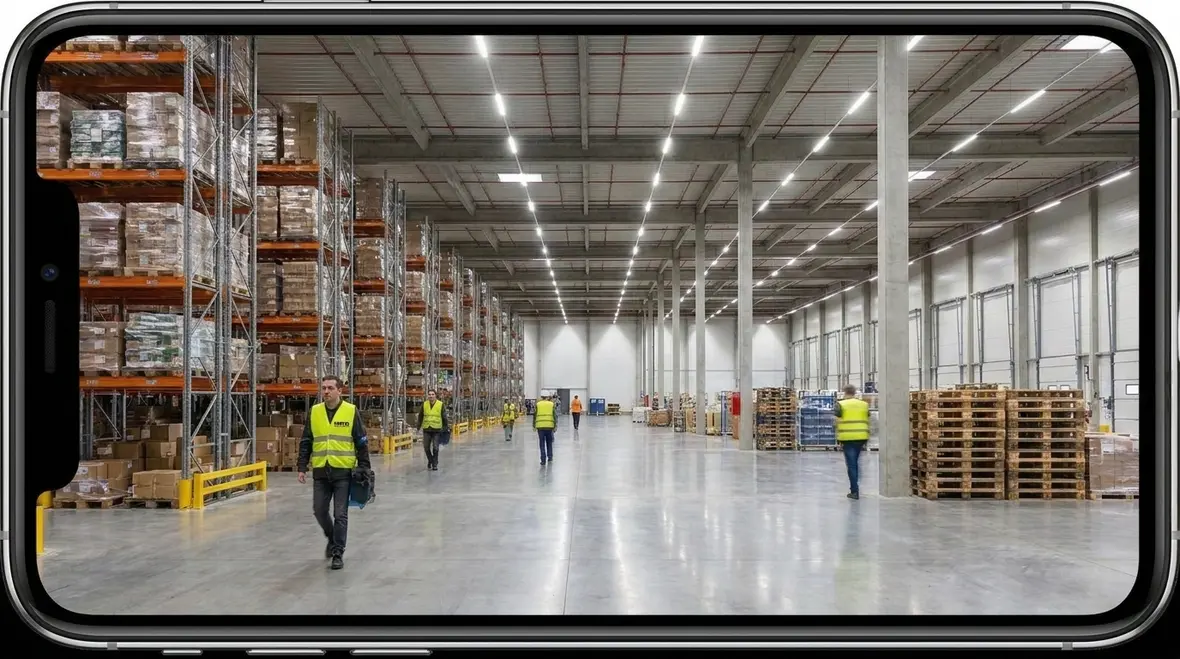
Because controls touch both lighting and power distribution, we also pay attention to how they interact with your panels and any existing building management systems. That way, your schedules do not fight each other, and your team has a clear playbook instead of a wall of mystery buttons.
Daylight harvesting and zoning for multi use layouts
Many major property buildings include loading bays, offices, and partially open areas near windows. In those setups, daylight harvesting can reduce energy while keeping lighting stable. We integrate sensors and controls that respond to natural light, so you do not over illuminate just because the sun decided to show up.
However, daylight harvesting only works when zoning makes sense. So, we segment areas by light behavior and use case. Office spaces may need different dimming levels than corridors. Loading docks may need more robust settings due to glare and changing sky conditions.
To keep the system simple for facility staff, we aim for control schedules they can understand. Then, we label zones clearly and document the settings. As a result, your team can make adjustments without guessing, and our technicians can support future updates.
We also help coordinate with existing building management systems when possible. That way, lighting controls can align with HVAC schedules and other energy strategies, which keeps the whole building from running like an over enthusiastic intern.
If you want to explore more ways automation can support this kind of zoning, our warehouse lighting automation efficiency work walks through how schedules, occupancy, and daylight controls combine to keep the building responsive without feeling unpredictable.
Reduce heat, lower maintenance, and protect uptime
Warehouse lighting influences more than electricity. When you reduce energy draw, you also reduce heat output from fixtures. That can help maintain more stable conditions around sensitive equipment and keep cooling loads in check.
Next, we talk maintenance. In a commercial and industrial environment, downtime costs money faster than people admit. Older lighting systems often require frequent relamping, and that means ceiling access, labor, and sometimes production interruptions.
LED upgrades reduce that frequency. Meanwhile, well designed controls prevent unnecessary full output all night long, and that reduces wear on drivers and related parts. We also recommend a maintenance plan that includes cleaning schedules and periodic checks to ensure output stays consistent.
Our technicians explain each item in plain terms, then they share a realistic timeline for upgrades and tests. Because when a team knows what to expect, they can protect uptime. And that is the part clients care about most, right after “please make it cheaper.”
If your facility has struggled with flickering circuits or recurring lighting issues, this is also where broader electrical troubleshooting comes into the picture. We can trace problems back to panels, distribution, or controls, then build a plan that stabilizes the whole system instead of chasing isolated symptoms.
How we plan for rebates, code, and real ROI
Energy savings should connect to practical numbers. So, we help our customers build a clear ROI story based on your utility rates, operating hours, and the specific fixtures and controls we propose. We also factor in reduced maintenance effort.
In addition, we consider code and safety requirements for warehouse and major property building environments. We do not cut corners on compliance. Then we coordinate documentation and installation practices so the project aligns with what your stakeholders need.
Some markets also offer incentives for energy efficient upgrades. Therefore, we support the steps that help teams pursue available programs, including component details and project records. Our expert service staff can also explain what information matters for program review.
And look, we like simple outcomes. So rather than vague projections, we aim to show savings you can defend. If leadership asks, “How do you know this will work?” we answer with specifics, not fortune telling.
For warehouse operators who want a deeper dive, our California Title 24 lighting retrofit ROI guidance and broader commercial lighting compliance work show how audits, controls, and LED upgrades combine into one clear story for stakeholders, inspectors, and utility reviewers.
Connect lighting upgrades to your broader electrical plan
Lighting never lives alone. Panels, distribution gear, emergency circuits, and backup systems all share responsibility for keeping a warehouse safe and productive. When we plan Energy-Efficient Lighting for Warehouses: LED Upgrades & Controls, we connect those details from the start.
That might mean checking spare capacity for new circuits, coordinating with power distribution so zones line up with panel schedules, or sequencing lighting changes around other planned upgrades. For multi site operators, we can also help standardize your approach so warehouses across Los Angeles County feel familiar instead of each location inventing its own system from scratch.
If you are evaluating partners for this kind of work, make sure your electrician lives in the commercial and industrial world every day. They should speak fluently about Title 24, warehouse safety zones, and smart controls, not just basic fixture swaps. Done right, your lighting upgrade becomes a backbone improvement to your entire electrical plan, not a one off project you will redo in five years.
For facilities across the region, one easy way to start is by reviewing your existing systems with a team that regularly handles Los Angeles County electrical services for commercial and industrial sites. That conversation alone usually reveals which upgrades matter now and which ones can safely wait for a future phase.
FAQ
Conclusion: Let us map the upgrade for your warehouse
At Kord Electric, we help commercial and industrial teams improve safety, visibility, and energy costs with Energy-Efficient Lighting for Warehouses: LED Upgrades & Controls. We start with an on site lighting audit, then we design LEDs and controls that match how your facility truly runs. Next, our technicians install with care, test performance, and document settings so your staff stays confident. If your warehouse lighting feels outdated or wasteful, contact us today to schedule a site review and get a clear plan forward.
If you would like to see how lighting ties into broader electrical planning, you can also review our warehouse lighting and energy efficiency guides on the Kord Electric blog. When you are ready to move from research to action, our commercial and industrial electricians across Los Angeles County can help you plan upgrades that fit real budgets, real shift patterns, and real code requirements.
Whether you are managing a single warehouse or multiple sites, our Los Angeles County electrical services team can help you align lighting, power distribution, and long term maintenance into one roadmap instead of a set of disconnected projects.