Industrial Electrical Diagnostics for Commercial Facilities
In large facilities where production lines hum and data centers glow through the night, failure is never convenient. At Kord Electric, industrial electrical diagnostics are not a side service. They are the heartbeat of how complex systems stay alive. Within the first moments of stepping into a plant room, their technicians read a space the way a conductor reads a symphony. They listen, measure, test, and interpret. Because in commercial towers, manufacturing plants, and major property buildings, electrical issues rarely announce themselves politely. Instead, they whisper through heat, vibration, and subtle voltage shifts. This article walks through practical troubleshooting tips, drawn from the real world, explained the way Kord Electric’s expert service staff explains them to facility managers every day.
Understanding the Real Cost of Downtime in Commercial Facilities
Before wires are traced or panels opened, context matters. In commercial and industrial environments, downtime is not just an inconvenience. It is lost production, missed deadlines, tenant complaints, and sometimes safety risks. Therefore, effective industrial electrical diagnostics must begin with a clear understanding of operational impact.
Kord Electric’s technicians often explain that troubleshooting is part science and part prioritization. For example, a flickering lighting circuit in a storage wing may wait a few hours. However, a voltage drop affecting automated equipment cannot. Consequently, they start by asking three core questions. What systems are affected. What changed recently. What is the risk if the issue continues.
This approach prevents what many call panel chasing. That is when someone opens every breaker panel in sight hoping the problem jumps out like a villain in a superhero movie. It rarely does. Instead, professionals map the system, review schematics, and identify critical loads first. In large buildings, understanding distribution pathways saves hours and protects sensitive equipment.
Moreover, their team documents every finding. Because in complex facilities, today’s minor anomaly can become next month’s shutdown. Good records turn guesswork into pattern recognition.
How to Start Industrial Electrical Troubleshooting Without Guesswork
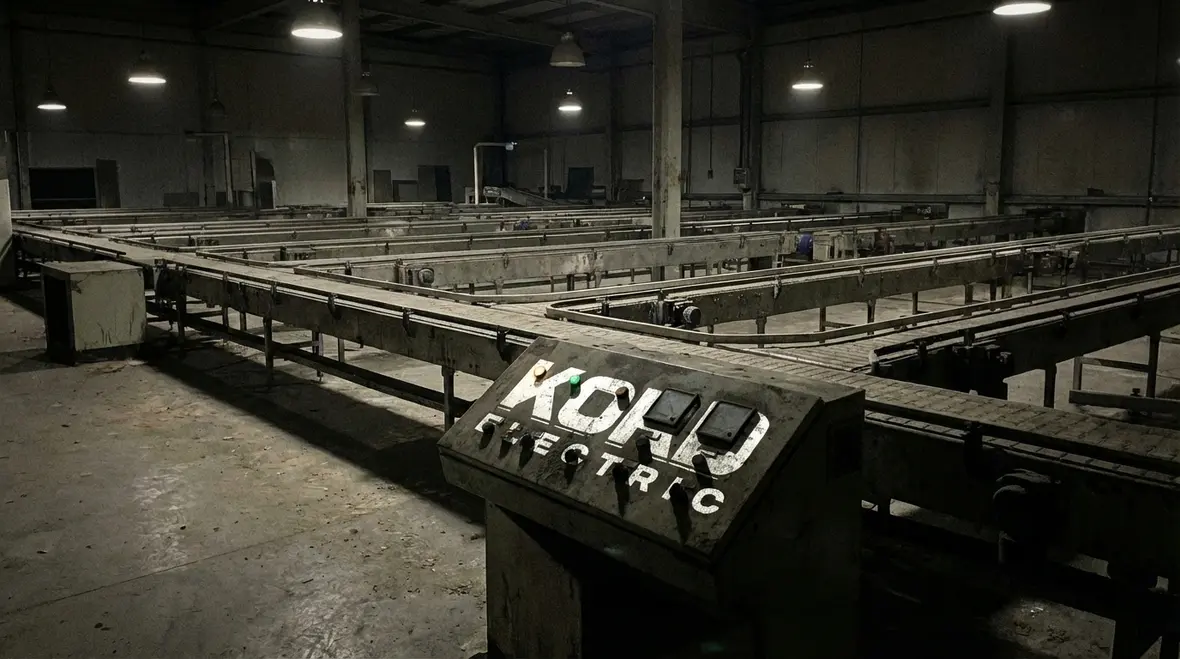
When facility managers ask how to begin industrial electrical troubleshooting, Kord Electric’s service staff usually smiles and says, slowly and calmly, start with what you know. Then verify it.
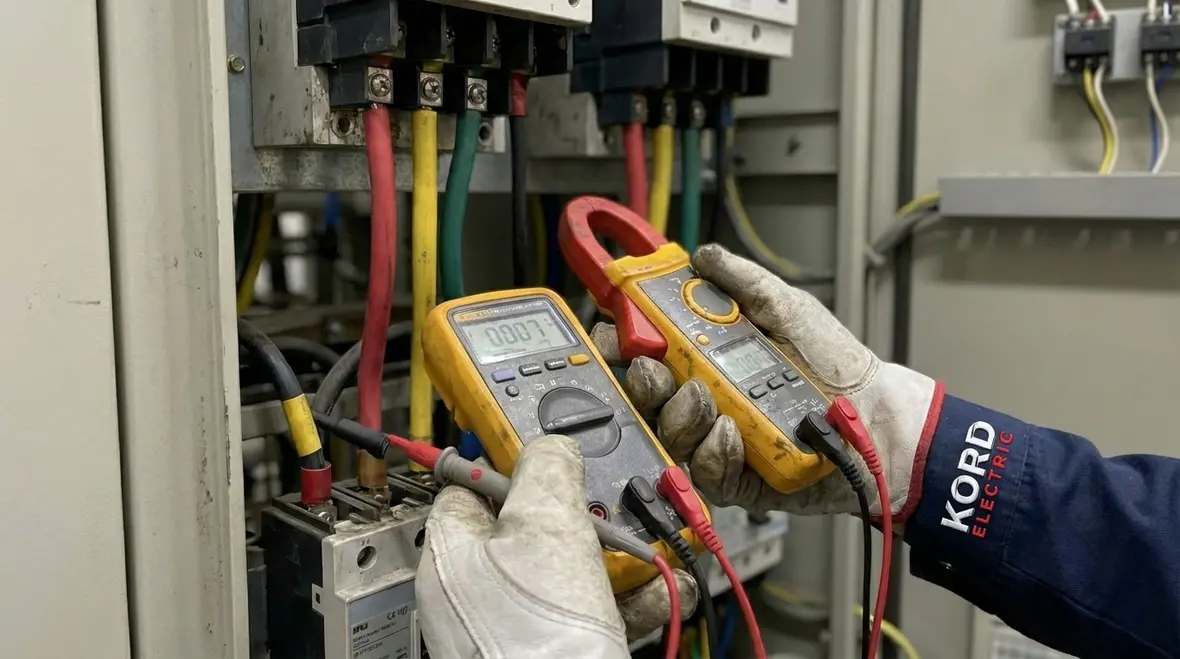
First, confirm the complaint. If a motor trips, do not assume overload. Measure current. Check voltage balance. Review recent maintenance. Although it sounds simple, many issues persist because assumptions replace measurements.
Next, isolate the section of the system involved. In major commercial properties, distribution networks can span multiple floors and mechanical rooms. Therefore, technicians break the system into zones. They test upstream and downstream to determine where normal operation ends and abnormal begins.
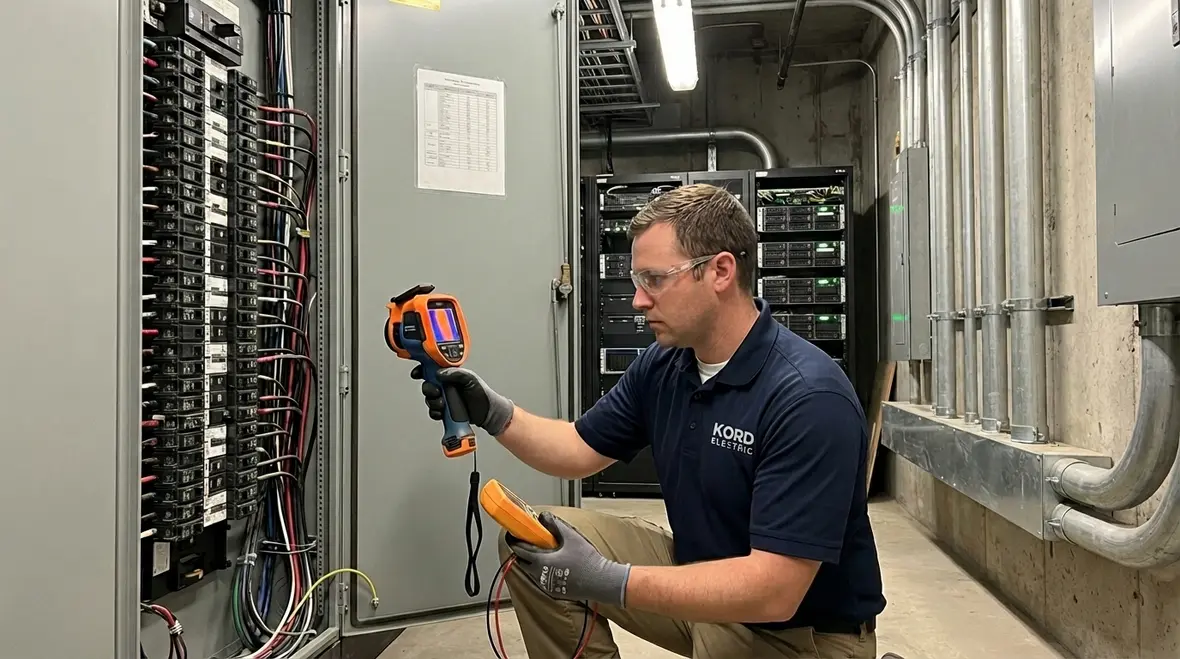
Additionally, they use calibrated tools suited for industrial electrical diagnostics. Thermal imaging identifies hotspots before insulation fails. Power quality analyzers detect harmonics that quietly damage drives. Insulation resistance testers reveal aging cables long before visible failure.
However, tools alone do not solve problems. Interpretation does. For instance, a slightly elevated temperature may be normal under heavy load. On the other hand, the same temperature under light load signals resistance or loose connections. That difference comes from experience, not luck.
And yes, they will occasionally joke that electricity follows rules more faithfully than most humans. If something behaves oddly, there is always a reason. The job is to find it.
Common Failure Points in Large Scale Systems
Although every facility has unique demands, certain trouble spots appear again and again. Recognizing them shortens response time and sharpens industrial electrical diagnostics.
Connection Points
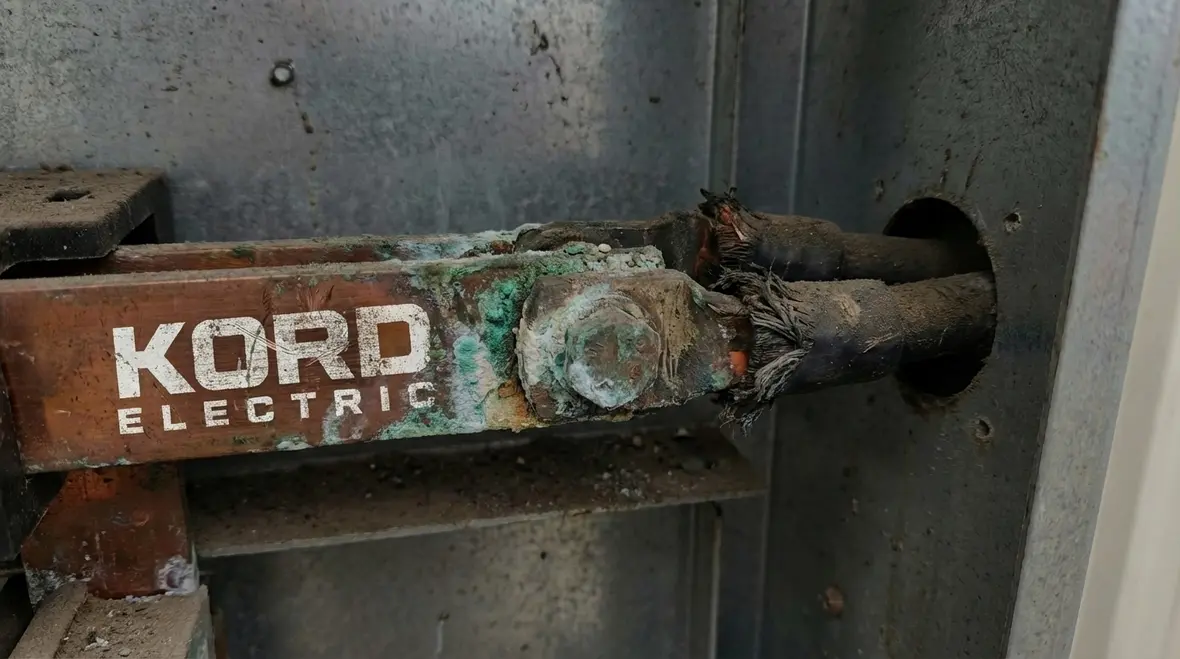
Loose lugs, worn terminals, and corroded bus connections generate heat. Over time, heat increases resistance, and resistance creates more heat. It is a loop that never ends well. Therefore, routine torque checks and thermal scans remain essential in industrial settings.
Overloaded Circuits
As buildings expand operations, new equipment often ties into existing panels. However, load calculations are not always updated. Kord Electric’s technicians frequently discover panels operating near or above design capacity. Consequently, breakers trip without clear explanation until proper load studies are completed.
Power Quality Issues
Variable frequency drives, data equipment, and modern automation introduce harmonics. While these systems improve efficiency, they also distort waveforms. Over time, transformers overheat and protective devices misread conditions. Advanced diagnostics identify these distortions early, and services such as Kord Electric’s dedicated support for voltage fluctuations in commercial and industrial facilities help keep equipment protected.
Aging Infrastructure
Even well maintained systems age. Insulation becomes brittle. Contacts pit. Relays slow down. Therefore, part of effective troubleshooting involves evaluating life cycle status, not just immediate symptoms.
Because of these patterns, Kord Electric builds preventive strategies alongside corrective repairs. After all, solving today’s problem while ignoring tomorrow’s would be like fixing a roof leak during a storm without checking the rest of the shingles. Their electrical preventive maintenance programs are designed specifically to reduce these recurring failure points in commercial and industrial environments.
Using Data and Diagnostics to Prevent Recurring Issues
Modern industrial electrical diagnostics rely heavily on data. In the past, technicians depended on spot measurements. Today, trend analysis reveals the story behind intermittent faults.
For example, a facility may report random breaker trips every few weeks. A single visit might show normal conditions. However, when Kord Electric installs temporary monitoring equipment, patterns emerge. Perhaps startup current spikes every Monday morning. Perhaps voltage dips occur when a neighboring system activates.
Therefore, diagnostics move beyond snapshots. They become moving pictures. Data loggers, remote sensors, and energy management systems feed information into clear reports. Consequently, facility managers gain insight rather than speculation.
Furthermore, Kord Electric’s expert service staff takes time to explain findings in plain language. They do not bury clients in technical jargon. Instead, they describe what the data means for operations, safety, and future planning. Because knowledge shared is risk reduced.
And while charts may not be as thrilling as a blockbuster movie, seeing a clear trend line that explains months of frustration can feel like solving a mystery. Without dramatic music, but satisfying all the same.

When to Call Expert Technicians for Industrial Electrical Diagnostics
Some warning signs demand immediate professional attention. In commercial and industrial properties, delay often multiplies cost.
Burning smells near panels signal insulation breakdown or overheating connections. Repeated breaker trips indicate deeper issues than simple nuisance faults. Unusual equipment noise may point to voltage imbalance affecting motors. In each case, swift action protects assets and personnel.
Additionally, unexplained energy spikes on utility bills often trace back to hidden inefficiencies. Therefore, comprehensive industrial electrical diagnostics help uncover waste that quietly drains budgets.
Kord Electric focuses exclusively on commercial facilities, industrial operations, and major property buildings. Their technicians understand the scale and complexity involved. They arrive prepared with proper testing equipment, safety protocols, and a structured plan. Moreover, they coordinate with facility managers to minimize operational disruption.
Because in high demand environments, shutting down entire systems without strategy is not an option. Instead, they phase testing, isolate segments, and communicate clearly at every step. When conditions escalate into urgent risk, Kord Electric’s dedicated emergency electrical services give facility teams a direct path to rapid response.
Step by Step Process Kord Electric Uses On Site
Clients often ask what actually happens during a service call. The answer is both methodical and thorough. Below is a simplified view of how their team approaches complex troubleshooting in large scale facilities.
| Phase | What Kord Electric Does |
| Assessment | Reviews system drawings, interviews facility staff, verifies symptoms, and identifies critical loads. |
| Testing | Measures voltage, current, resistance, and power quality using calibrated instruments suited for industrial environments. |
| Isolation | Separates affected circuits or equipment to pinpoint the exact source of failure. |
| Analysis | Interprets data trends, compares results to standards, and evaluates equipment condition. |
| Resolution | Implements repairs, recommends upgrades if needed, and confirms stable operation under load. |
| Documentation | Provides detailed reports to support maintenance planning and compliance needs. |
Although each facility presents unique challenges, this structure ensures consistency. It also builds trust. Facility leaders know what to expect, and they receive clear explanations throughout the process.
How Facility Managers Can Support Effective Troubleshooting
Troubleshooting works best as a partnership. Therefore, Kord Electric encourages facility managers to maintain updated one line diagrams, record equipment changes, and log unusual events.
For instance, if a new production line was added last quarter, that detail matters. If a storm caused a brief outage, it may relate to current symptoms. Small pieces of information often unlock larger conclusions.
Moreover, regular preventive maintenance reduces emergency calls. Scheduled infrared scans, breaker testing, and load analysis keep systems stable. While emergencies cannot always be avoided, preparation reduces their frequency. Pairing industrial electrical diagnostics with structured programs such as Kord Electric’s electrical preventive maintenance services creates a stronger reliability baseline for commercial facilities.
And yes, sometimes the solution is surprisingly simple. A mislabeled panel. A recently adjusted setting. Even seasoned professionals double check basics. Because in complex environments, confidence should always follow verification.
FAQ About Industrial Electrical Troubleshooting in Commercial Buildings
Conclusion
In commercial towers and industrial facilities, reliable power is not optional. It is foundational. Kord Electric approaches every challenge with steady focus, deep experience, and clear communication. Their technicians do more than repair faults. They provide clarity, stability, and confidence. When systems falter or questions arise, they stand ready to deliver precise industrial electrical diagnostics that protect operations and budgets alike.
Whether your facility is battling recurring voltage swings, unexplained equipment trips, or the lingering suspicion that your electrical infrastructure is working harder than it should, partnering with an experienced industrial electrical diagnostics team makes a measurable difference. From structured preventive maintenance to rapid emergency response, Kord Electric helps commercial and industrial facilities move from reactive firefighting to strategic, data-driven reliability.
Contact Kord Electric today and let their expert team keep your facility powered, productive, and prepared. If you are ready to move from one-off troubleshooting to a long-term reliability plan, explore their dedicated electrical preventive maintenance services for commercial and industrial properties, and keep your critical systems ahead of the next fault, not chasing it after the lights go out.