Industrial Electrical Meter Installation Requirements & Process
Industrial meter installation for commercial and industrial sites
At Kord Electric, we guide commercial and industrial facilities through Industrial Electrical Meter Installation: Requirements & Process with a steady, no drama approach. First, we review site needs, utility rules, and the panel layout. Then we plan where the meter will sit, verify wiring paths, and confirm we can meet the safety and code demands before any device is mounted. After that, our technicians run the installation in the correct order, test the wiring, and verify the reading quality so the utility can accept it. Finally, we document everything for clean handoff and long term reliability.
Industrial meter work can feel like waiting for a slow elevator. But unlike that elevator, our process moves on purpose. And yes, we explain what we are doing as we do it, because “trust me” is not a plan. It is also not something you would accept from a movie villain. We prefer real results.
What “good” looks like before we touch a wire
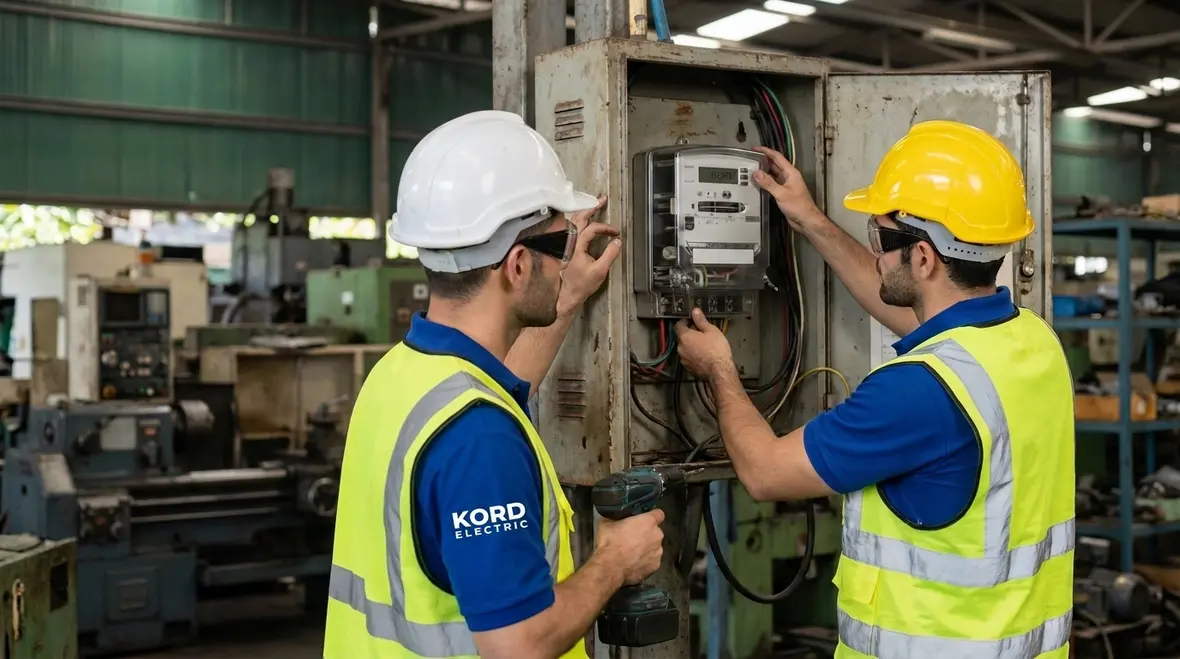
When our team supports an industrial or major property building, we start by confirming the scope and the service boundary. That matters because meter installation is not only about installing a box. It is about matching the electrical design to the utility’s metering requirements, and doing it without surprises later.
To get there, our expert service staff collects key details such as service type, load class, transformer configuration, and any existing metering equipment. Then we examine the route from metering components to the service equipment. After that, we check clearances, ventilation, access, and mounting surfaces. If the location fails a basic requirement, we fix the plan early, instead of discovering problems after the concrete dries.
We also coordinate timing with facility operations. Therefore, we schedule work when power interruptions can be minimized and when site staff can support access and safety controls. In other words, we reduce downtime and keep the building moving.
Industrial Electrical Meter Installation: Requirements & Process for real-world sites
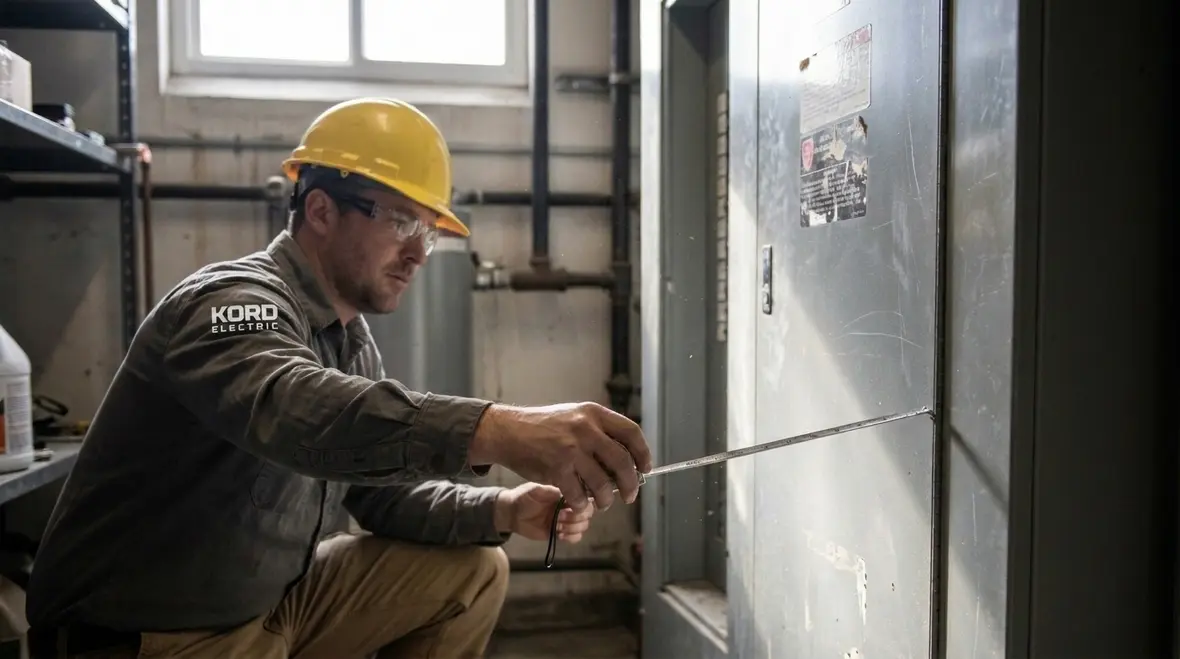
Once planning is locked, we follow a clear sequence that protects safety and performance. In the field, we treat each project like a controlled operation, because the goal is accurate measurement, safe wiring, and a clean utility approval path.
Step 1: Verification and design alignment. We verify utility requirements and confirm the metering diagram matches the facility design. When site conditions do not match the paperwork, we adjust before installation rather than improvise.
Step 2: Equipment checks and correct components. We verify meter type, current and voltage interfaces, sealable enclosures, and labeling needs. We do not mix parts from different generations or assume “close enough” will work. That approach creates headaches, and nobody at your facility needs extra headaches on a Tuesday.
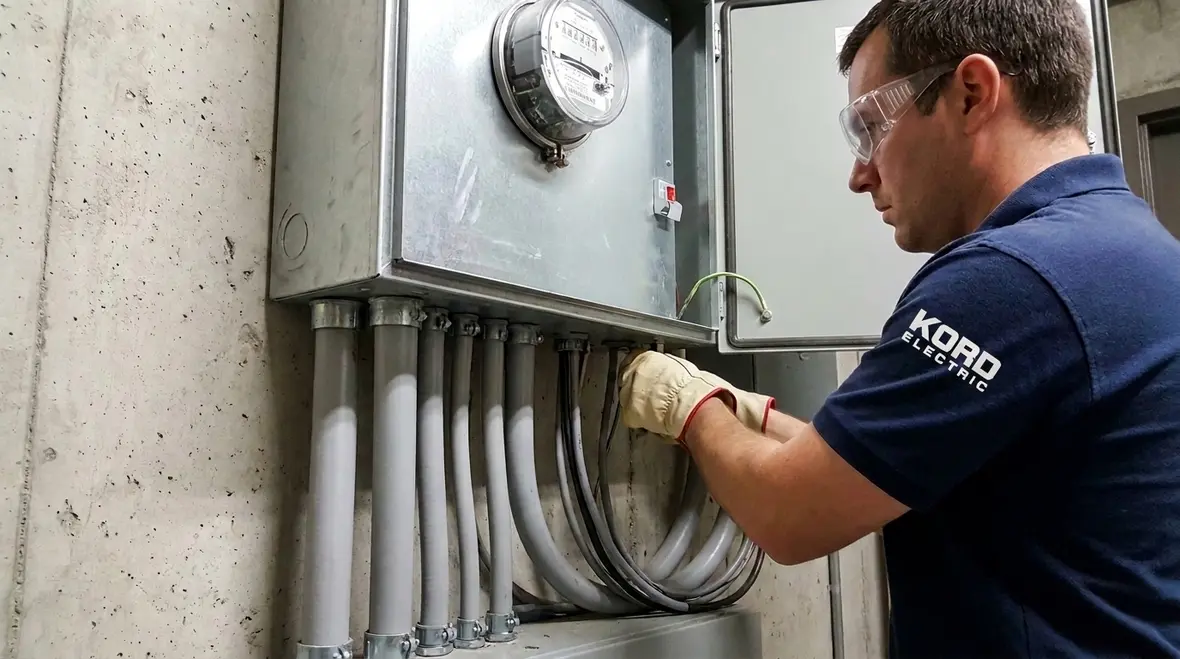
Step 3: Proper mounting and routing. We install the meter base or metering enclosure in the correct position, and we route conductors safely through approved pathways. Then we maintain neat separation between power and control where required.
Step 4: Wiring, torque, and termination quality. Our technicians land conductors with correct torque settings, proper termination practices, and durable strain relief. Meanwhile, we confirm polarity and phase alignment so readings do not drift.
Step 5: Testing and verification. Before we declare the job complete, we run testing to confirm continuity and correct connections. We also verify that the meter reading matches expectations from the design. This step prevents the classic problem where the meter “works” but the data is wrong.
Step 6: Documentation and handoff. We provide labeled records and installation notes suitable for utility review and ongoing maintenance. Therefore, your facility has a trustworthy trail for audits and future upgrades.
That is the heart of Industrial Electrical Meter Installation: Requirements & Process at Kord Electric, and it is how we keep accuracy steady for months and years, not just the first day.
Meter locations, enclosures, and safety rules that actually matter
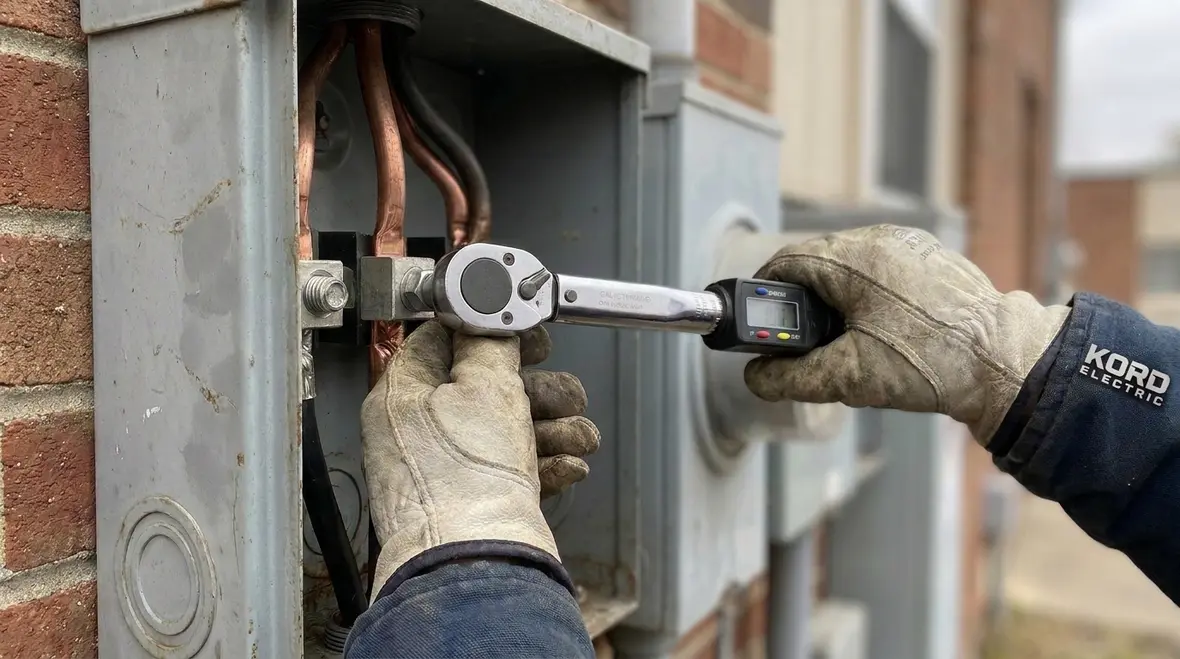
Commercial and industrial facilities often have strict metering access rules. Therefore, we evaluate physical access for utilities, facility staff, and safety teams. We confirm that the meter position allows safe work at the device without bypassing safety procedures.
We also pay close attention to the enclosure choice. A proper enclosure protects against dust, moisture, and accidental contact. It also supports safe sealing so the utility can secure the metering components without forcing repairs later. Additionally, we confirm grounding and bonding points meet the needed design, because metering systems depend on stable electrical reference points.
In many industrial buildings, we work around existing infrastructure. Yet we avoid shortcuts like “temporary mounting” that becomes permanent. Instead, our technicians select mounting methods that match the building structure and allow future inspections. And if a location needs correction, we address it in the plan.
We keep safety front and center. Consequently, we use the right lockout steps, PPE, and test methods for the service type. In other words, we treat the electrical room like it deserves respect. It is not a set on a sitcom where someone pulls a wire and everyone laughs.
How our technicians explain the work while they install
Some contractors rush. We do not. Our expert service staff explains each phase in plain language, then confirms understanding with your electrical lead or facility manager. That approach helps everyone make better decisions during the project.
For instance, before wiring begins, we explain what we are connecting and why. Then we outline how we will test and what “pass” looks like. We also discuss what facility staff should expect after installation, including any seal requirements, labeling, and access considerations.
During the work, we keep communication practical. If we see an obstruction that affects conduit routing, we show it and offer options that keep the project on track. Moreover, we update the schedule when field conditions change. We do not surprise people, because surprise usually comes with a bill and we prefer transparency.
And yes, we sometimes use humor. If that helps people stay calm, it helps our work. The goal is simple: accurate meter installation, clear documentation, and a team that knows what they own.
Smart metering and data quality for major property buildings
Many large properties want data that supports operational decisions, demand planning, and energy management. Therefore, we treat smart metering as both an electrical and a data integrity task.
We confirm that the metering design supports the right measurement channels, correct scaling, and reliable communication where applicable. Then we check the wiring and interfaces used for data capture so the system reports consistent values.
Our approach aligns with what we share in our smart meter installation guidance for commercial buildings, including the idea that correct installation starts with the right planning and continues through testing. In addition, we help facilities understand what happens after energization and how to verify the readings match expectations from the electrical one line.
Because if the data is wrong, the dashboards become motivational posters. They look nice, but they do not help anyone run the site.
Common challenges we handle on site
Large facilities rarely have “easy days.” We typically encounter site realities that can slow projects or affect accuracy if not handled correctly.
Existing panels and aging components. Sometimes the metering interface area is crowded or the previous installation did not match current standards. We inspect before changes and we keep wiring safe and compliant.
Conduit routing and access constraints. Doorways, structural beams, and cable trays can limit routing paths. We plan routes that meet safety and maintainability needs.
Utility timing and approval steps. We coordinate installation timing with utility expectations so the handoff process stays smooth. That helps avoid delays caused by incomplete documentation.
Accuracy verification. We verify connections so readings align with the system design. As a result, facility managers receive dependable data they can trust, instead of guesswork.
When challenges show up, our technicians respond with process and testing, not quick fixes. And honestly, quick fixes are how problems learn to multiply.
FAQ about industrial meter installation
Featured snippet quick comparison
Planning focus
Utility requirements, equipment match, access and safety checks
Execution focus
Correct wiring, clean terminations, torque checks, and testing
Handoff focus
Documentation, labeling, and utility approval readiness
Ready for accurate metering and cleaner utility handoff?
When your facility needs dependable Industrial Electrical Meter Installation: Requirements & Process, Kord Electric brings the planning discipline, field testing, and clear communication that commercial and industrial sites require. Our technicians work with your electrical team, explain the process as we go, and document the results so approvals and long term maintenance stay straightforward. If you are planning a meter change, upgrade, or new installation for a major property building, contact us today to schedule an on site review.
For broader upgrades tied to meter work, many facilities also evaluate distribution capacity and protection. When that conversation comes up, our Los Angeles County electrical services for commercial and industrial properties help align metering, panels, and reliability planning across your sites.
If your project roadmap also includes advanced monitoring and demand planning, you can connect this work with data-driven system planning and broader upgrade strategies across your facilities, building on dedicated resources such as Kord Electric’s commercial and industrial design and upgrade guides.