Commercial Electrical Meter Installation: Costs, Requirements & Process
Commercial Electrical Meter Installation: Costs, Requirements & Process starts with a simple truth: a reliable meter setup keeps utility billing accurate, helps load management, and protects your building from headaches that no one wants to explain to tenants. At Kord Electric, our team handles commercial meter installation for commercial and industrial facilities and major property buildings, and we walk customers through the work from start to finish. In this guide, we share the steps, the typical cost drivers, and the requirements that come up most often. Then, we explain how our technicians and expert service staff confirm wiring, verify readings, and document the job, so the meter does its job and your business keeps moving. Because nobody logs onto a portal and says, “Ah yes, let me admire my billing errors.”
What does commercial meter installation involve for pro facilities?
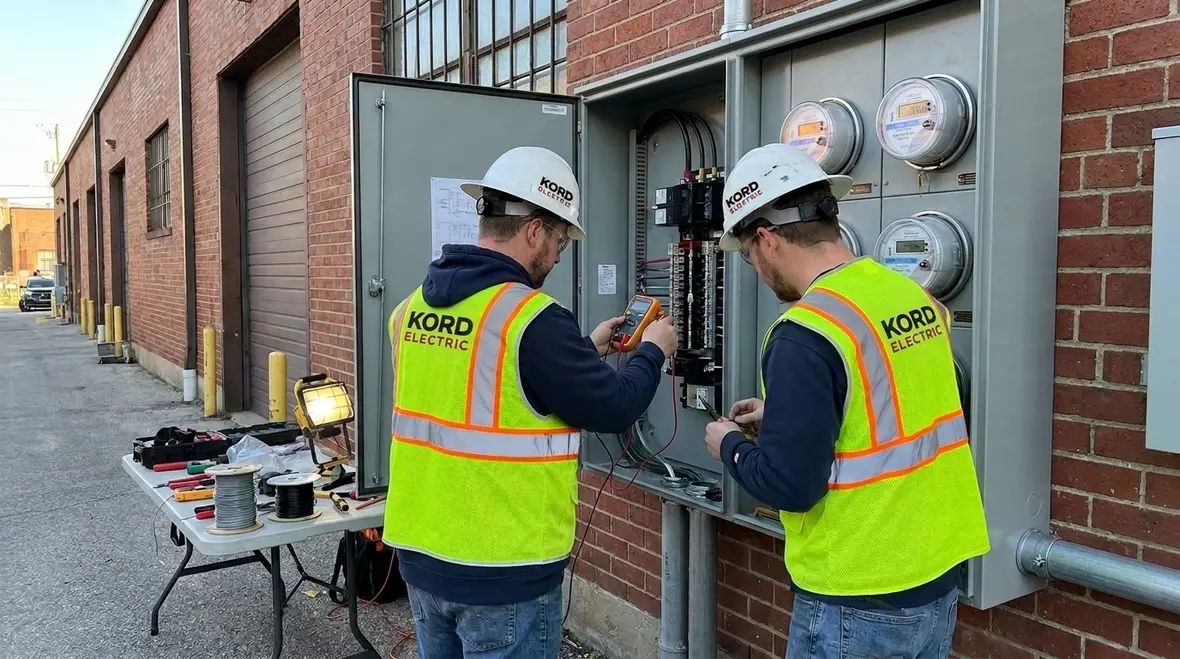
In a major building, the meter location and wiring scheme matter just as much as the meter itself. We plan the installation around access, safety, and utility company requirements. Then we coordinate with the building electrical system so the meter captures the right loads, without surprises during peak demand.
Our expert service staff typically begins by reviewing the service setup, identifying the metering type, and confirming what the utility expects. From there, our technicians validate the equipment layout, verify grounding and bonding, and inspect the incoming conductors. Next, we install or replace the meter equipment with care, and we test for correct operation before we ever leave the site.
Yes, this work can feel like paperwork with wires attached. And it is. However, the paperwork matters because the utility will only accept certain setups. So we treat both sides with equal seriousness, then we keep your schedule in mind.
For facility teams who want to see how metering fits into a broader upgrade roadmap, you can also explore how our electrical infrastructure upgrade planning approach keeps projects organized across fast growing commercial buildings.
Key requirements before we touch a meter
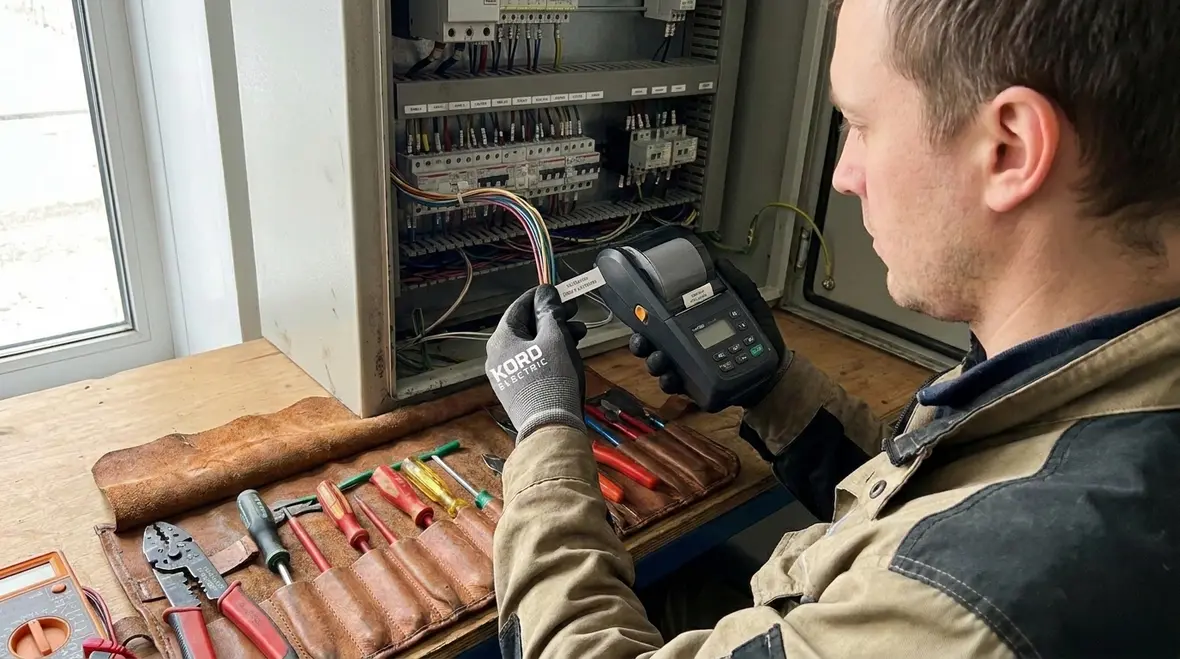
Before we begin any Commercial Electrical Meter Installation: Costs, Requirements & Process planning, we confirm that the job has the right prerequisites. Utilities often require specific meter cabinets, clearances, labeling, and approved wiring paths. Additionally, many commercial and industrial facilities need coordination with existing switchboards, transformers, and panel feeds.
Here is what we commonly check with our customers and on-site teams, so the project does not stall later:
- Utility service rules for your rate class, metering configuration, and inspection steps
- Metering point access, including lockable cabinets and safe working clearances
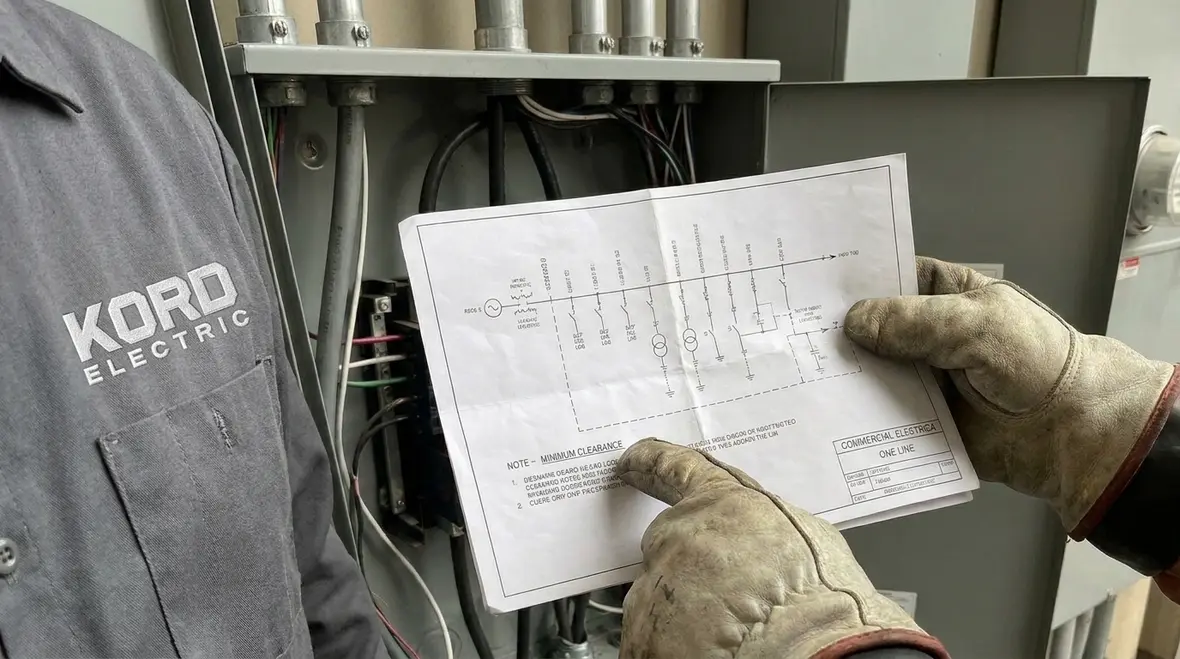
- Existing electrical one line diagram updates, so crews connect the correct circuits
- Grounding and bonding continuity, which helps protect both people and equipment
- Wire size, conductor type, and routing limits that match the approved design
- Labeling standards for panels and metering equipment, so readings stay readable
Furthermore, we schedule work around operations. For many major property buildings, shutting down power for long periods causes ripple effects. Therefore, we plan test timing carefully and we communicate with facility managers early.
Meter work also connects directly to capacity planning. If your current panels already feel crowded, our process often ties into electrical panel upgrades when commercial buildings need more capacity, so metering and distribution stay aligned instead of patched together later.
Smart meter planning for commercial buildings and major properties
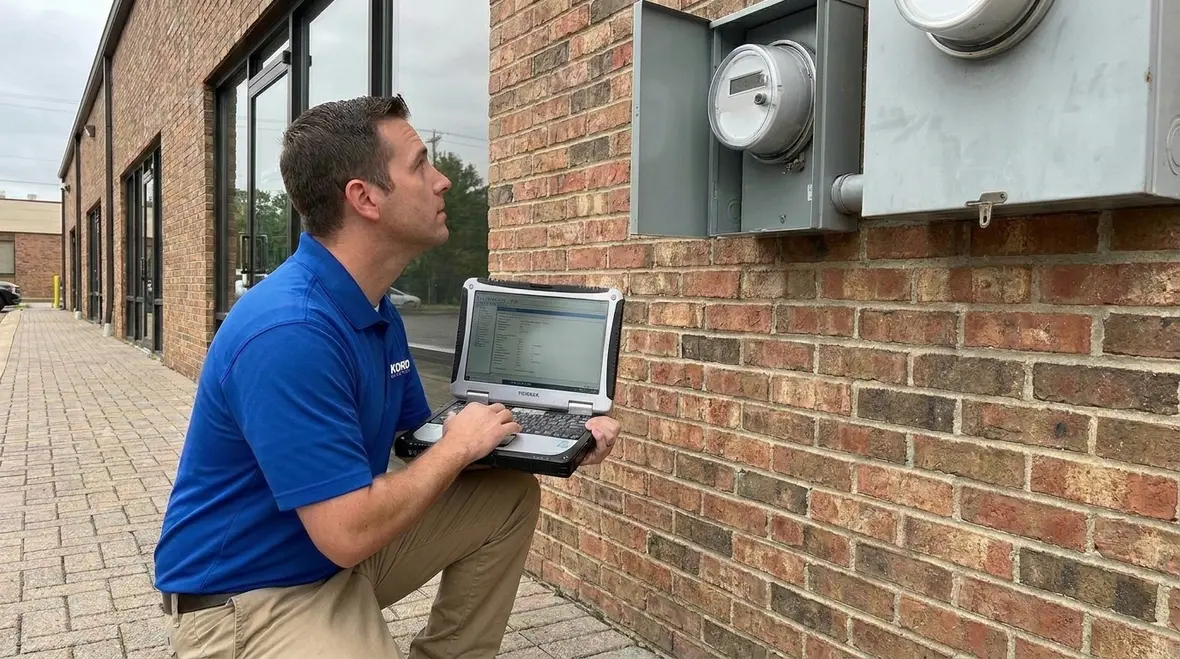
Many commercial clients eventually ask for smarter metering, and we guide them like we would guide our own team: calmly, clearly, and with a focus on results. While smart meters improve data access, we still treat the installation as an electrical job first. Then, we verify that the communications method works with the utility and the building plan.
If you have read our guidance on smart meter installation for commercial buildings, you already know that the process often includes coordination, correct placement, and confirmation of compatibility. We follow that same practical approach when we deploy smart meter setups for major property buildings. That means we check mounting, verify wiring compatibility, and confirm how the utility authorizes and activates the meter.
Also, we do not just “install and hope.” Instead, our technicians verify that the meter registers correctly and that the building’s electrical system behaves as expected. Then we document the readings and equipment details. After all, smart meters can report more data, but if the wiring is wrong, you still get wrong data. Technology does not fix wiring errors, and it never will. Batman can’t either.
For facilities taking the next step into smart building strategies, smart meters pair well with broader energy management efforts. Tools like smart building energy management for offices or smart lighting control scheduling help your team turn those meter readings into practical, everyday decisions.
Commercial Electrical Meter Installation: Costs, requirements, and what moves the price

When we talk about Commercial Electrical Meter Installation: Costs, Requirements & Process, we keep the conversation grounded. Cost varies based on equipment, site conditions, and how complex the existing system is. Then, it depends on whether the work is new installation, upgrade, or replacement.
Here are the common cost drivers we see in commercial and industrial facilities:
- Meter type and configuration, including metering cabinet needs and approved components
- Distance and access to the metering point, since routing can change labor time
- Whether we must modify switchboards or feeder conductors to meet code and utility rules
- Labor complexity, including coordination with existing labeling and documentation
- Scheduling constraints for occupied buildings, which can add planning and safety time
- Required testing, verification, and utility inspection support
Next, we explain requirements in plain terms before anyone signs off. We find that clarity reduces delays, and it prevents surprise change orders. So we share what we see, what the utility likely expects, and what it means for timelines and costs.
If you want a joke, here it is: utilities can be like movie critics. They show up, look at the setup, and decide whether it passes. Our job is to make sure it passes before they step on set.
Because metering ties directly into how power flows through the building, we often align cost conversations with bigger plans like data-driven electrical design for commercial and industrial facilities. That way, each meter project supports your long term roadmap instead of becoming a one-off expense.
Step by step, how our technicians complete the installation
Every strong project runs on a sequence. We keep ours consistent so quality stays steady, regardless of the building size. Also, this structure helps our expert service staff answer questions without guessing, because the customer always deserves a straight story.
Here is the process we follow for commercial and industrial installations:
- Site review and scoping where we confirm the metering point, access, and existing equipment
- Utility coordination where we confirm the expected setup and inspection path
- Safety planning where our technicians verify lockout and safe work practices for the area
- Equipment preparation where we stage approved parts, labeling tools, and testing equipment
- Wiring and mounting where we install metering hardware and complete the correct connections
- Testing and verification where we confirm continuity, correct operation, and proper readings
- Documentation and handoff where we provide the details facility teams need for records
Because commercial systems can include multiple feeders and complex distribution, we also cross check identification. Then, we verify that each circuit aligns with the intended metering scope. As a result, billing matches reality and maintenance teams can troubleshoot faster later.
And if someone wonders whether we “just wing it” on the day of the job, the answer is no. We plan the job before we show up. That is not confidence. That is experience.
On many projects, this same structured approach supports other upgrades happening in parallel, from industrial facility electrical power distribution upgrades to solar, lighting, or automation work. When we coordinate them together, your team gets one clear story instead of a patchwork of separate projects.
How we reduce risk after the meter goes live
Once the meter is installed and activated, the work is not finished in our minds. We help ensure stability by focusing on verification and clear communication. Utilities can take time to finalize reads, and sometimes systems need a brief period to settle. Therefore, we coordinate a proper closeout with checks that make sense for your building.
Our technicians confirm that:
- The meter registers correctly and the data aligns with expected load behavior
- Cabinet setups stay secure, labeled, and accessible for future maintenance
- Any required documentation is included for compliance and internal recordkeeping
- Facility staff understand what changed and how to monitor it
Additionally, we educate. Our expert service staff explains what you should notice, where to look for key updates, and how to respond if readings look unusual. That way, your team does not panic at midnight like it is a surprise plot twist from a streaming show.
For organizations that rely on consistent operations, we often pair meter projects with services that support broader reliability, such as redundant power systems, preventive maintenance, and Los Angeles County electrical services for commercial properties. That combination helps keep your building ready for everyday loads and unexpected events alike.
FAQ about commercial meter installation
Get a clear plan for your facility’s metering
If you run a commercial or industrial facility or you manage a major property building, your meter work needs more than a quick swap. Kord Electric brings expert service staff, experienced technicians, and a methodical process that supports utility requirements and protects your schedule. Contact us for a site review and a clear plan for your commercial meter installation. We will explain the scope, outline the requirements, and confirm the steps from install to verification so your power data stays accurate and your team stays confident.
When metering is part of a bigger upgrade, our team can also connect it with projects like solar, smart lighting, or smart building controls so your investment compounds over time instead of living in separate silos. If you are planning multiple improvements across your portfolio, our broader commercial electrical services across Los Angeles County help your facility move from one-off fixes to a coordinated roadmap.