Industrial Subpanel Load Management Strategies
At Kord Electric, we manage power distribution the way a good conductor manages an orchestra: with timing, balance, and a steady hand. In commercial and industrial facilities, industrial subpanel load management strategies keep equipment running, reduce nuisance trips, and protect sensitive loads. We start by mapping what will run, when it will run, and how much it draws, then we apply smart load splitting, sensible circuit design, and ongoing monitoring. Our technicians, and our expert service staff, walk clients through the process in plain terms, so teams can make decisions without guessing. And yes, the goal is to avoid the “everything turns on at once” moment, the one that always feels like a sitcom cold open. We take that chaos out of the plot.
How industrial subpanels get overloaded in the real world
Industrial subpanels rarely fail because someone “forgot electricity exists.” They overload because real buildings behave like living things. Motors start, compressors cycle, production lines ramp, HVAC stages kick on, and lighting schedules drift when shifts change. As a result, demand peaks show up at the exact wrong time, usually when a facility expects stable power for critical work.

To make matters worse, subpanel layouts often get built from past guesses. Over time, tenants add equipment, maintenance adds circuits “just for now,” and new processes come online. Eventually, the panel faces a load profile that no longer matches the original design. Then the protective devices do their job, and someone hears the breaker click and thinks, “Great, now we troubleshoot.” That moment can cost hours, not because the panel is weak, but because it no longer fits the job.
For facilities that operate like clockwork, power problems can be rare. For facilities that operate like a busy kitchen on a Friday night, planning matters. That is where our approach takes the lead.
Load forecasting and panel sizing that actually hold up
We do not size industrial subpanels by vibes or by nameplate ratings alone. We build a load story. First, our technicians gather data from the facility team: which loads run continuously, which loads cycle, and which loads draw in short bursts. Then we review equipment data and operating patterns. Next, we forecast demand using practical diversity and duty cycle thinking, so the design matches real use.

After that, we confirm capacity margins. We check conductor ampacity, breaker ratings, and the total heat the bus and enclosures must handle over time. Then we look at voltage drop and performance needs, especially for equipment that needs stable voltage to avoid nuisance faults.
Finally, we validate the panel plan against operating sequences. For example, if a refrigeration compressor and a process pump often start during the same shift window, we treat that as a real event, not a theoretical one. In other words, we design for what happens, not what someone hopes happens.
This is also where we explain tradeoffs. If the facility wants to add loads later, we build headroom now, because a future upgrade should not turn into a full rewiring project. Nobody wants that surprise ending.
We split loads by function to prevent peak chaos
Once we understand the load story, we apply load splitting and sensible circuit organization. Instead of grouping everything by “who installed it,” we group by function and starting behavior. Motor loads, HVAC stages, process equipment, and receptacle circuits each get a lane. That makes protective behavior predictable. It also improves troubleshooting, because when something trips, teams can find the cause faster.
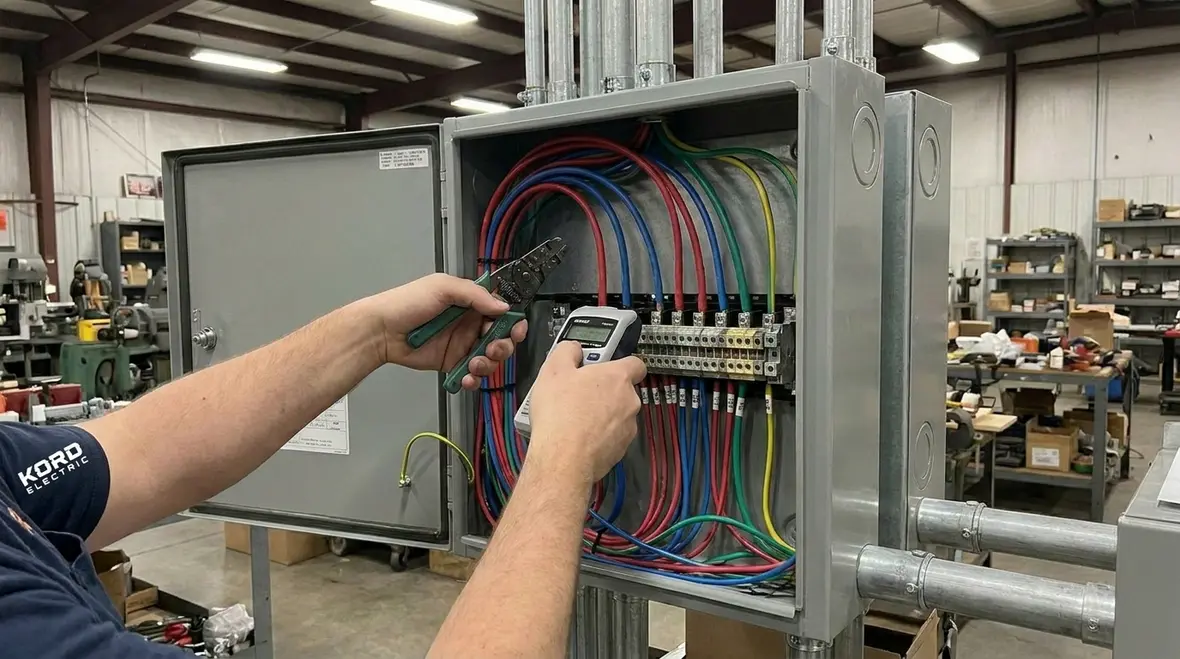
We also separate sensitive loads from high-start current loads. Sensitive electronics, controls, and data equipment do not need to ride the same current wave as large motors. When a start event causes a voltage dip, sensitive equipment can glitch. Meanwhile, if everything shares a common path, one event can ripple into multiple systems.
Then we apply phase balancing. We balance currents across phases to reduce overheating and to keep the panel operating evenly. This step looks simple on paper, but we have seen “equal” loads turn out not equal once actual runtime is measured. So our technicians check results, not just assumptions.
And because commercial and industrial buildings rarely stay still, we leave room for planned expansion. We design with a path for growth, not a dead end with a label that says “Good luck later.”
Protection, coordination, and the art of stopping nuisance trips
Protective devices do not just cut power when something is wrong. They shape how the system behaves during stress. Therefore, we coordinate breakers, fuses, and downstream protection so that the device closest to the fault clears first, while upstream devices stay calm. When coordination fails, the wrong breaker trips and the facility loses more than it needs to.
We also tune settings based on load characteristics. Some loads tolerate brief inrush. Others need a calmer ramp. Our expert service staff walks clients through the logic so facility teams understand why certain settings matter and why we avoid overprotecting circuits that behave normally.
In addition, we check for loose connections and aging components that can create heat. Heat creates resistance. Resistance creates more heat. That cycle can push a panel into trouble slowly, then all at once. Our team addresses that with inspection and terminations that meet standard practice.
If you have a recurring trip, we do not just reset the breaker and move on. We track patterns, compare them to operating schedules, and identify the real trigger. Because electricity can be patient, but it is rarely forgiving.
Monitoring and maintenance routines that keep future loads in check
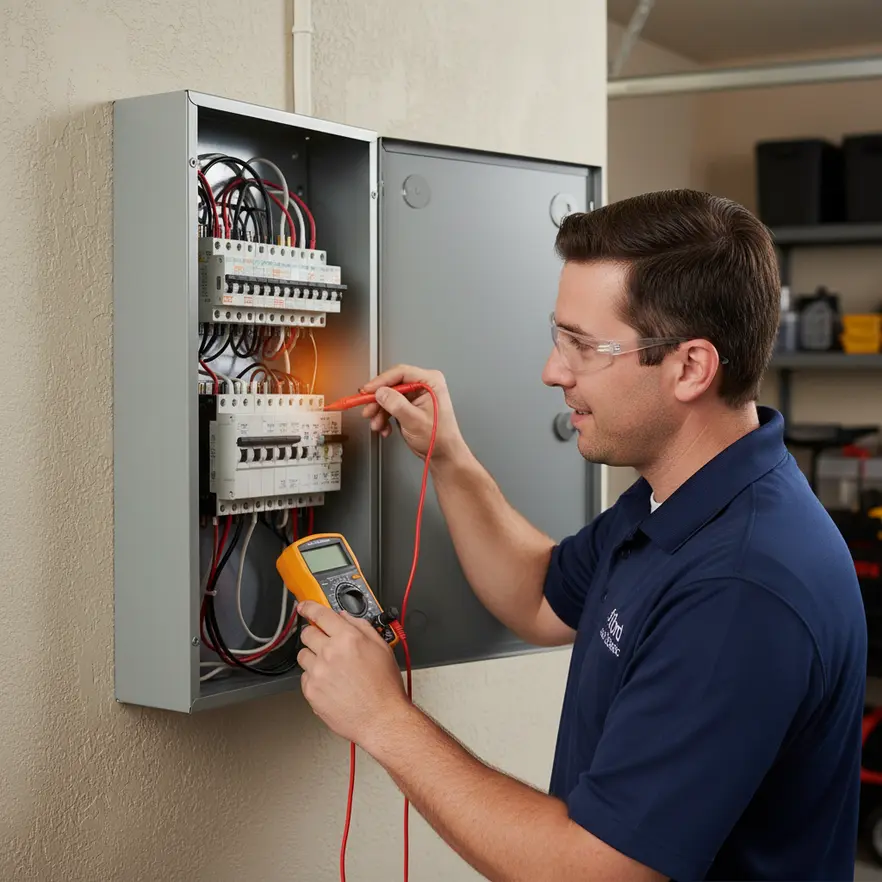
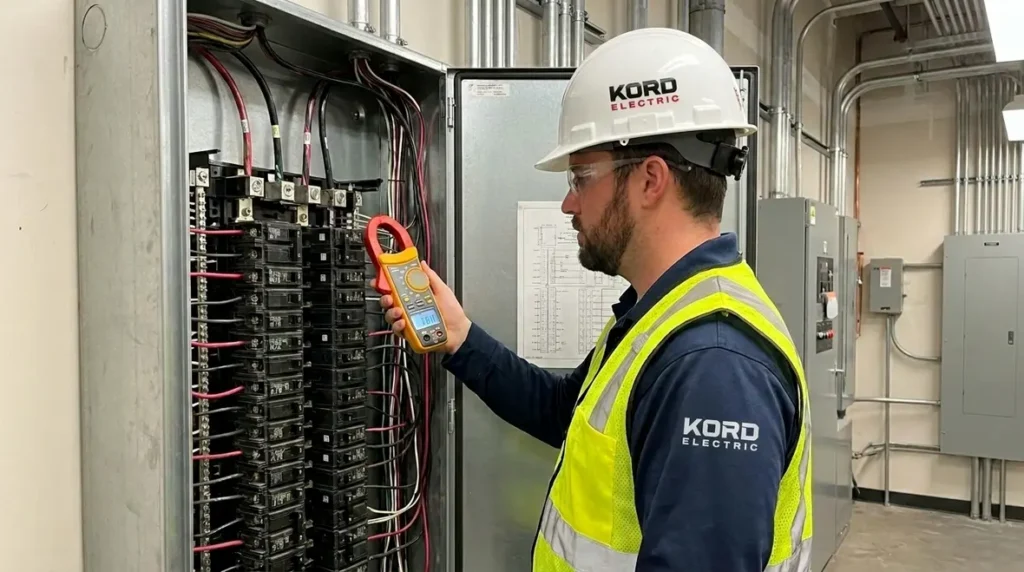
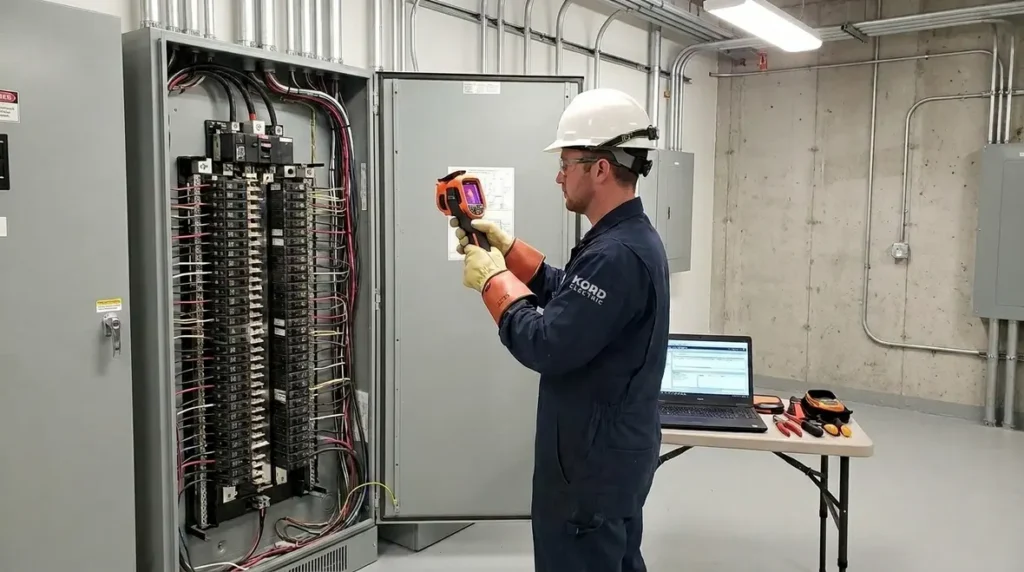
Planning matters, but ongoing control keeps plans alive. That is why our approach includes monitoring and disciplined maintenance. We recommend routine checks that align with facility operations. For example, we verify load levels during peak windows, check thermal performance, and confirm that circuit labels still match the equipment actually connected.
We also help teams manage change. When new equipment arrives or when production schedules shift, we review how the addition affects the panel. This keeps industrial subpanel load management strategies on track, rather than letting the system drift into an overload situation.
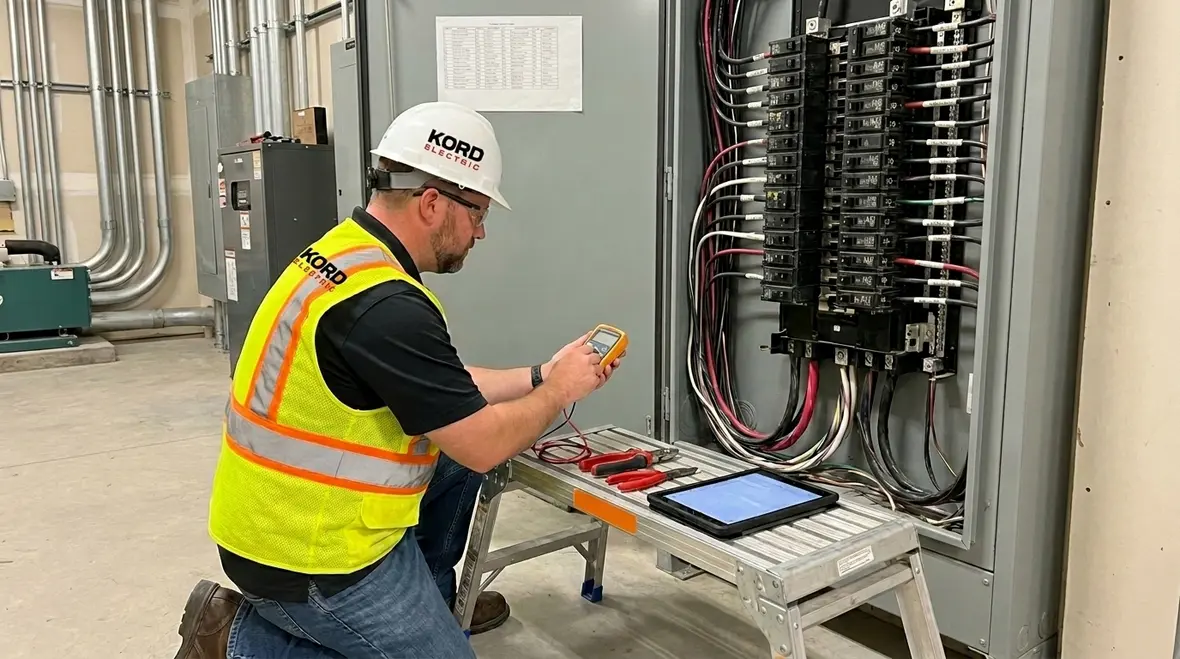
During service visits, our technicians explain what they find in practical terms. They show how current draw and starting behavior affect panel health. Then they propose changes that fit the facility budget and downtime limits. No vague recommendations, no guesswork, no “maybe it will be fine.”
And when a facility needs upgrades, we plan them to reduce downtime. We sequence work to protect critical processes. We also consider how new circuits will route and how labels will update so the next team does not inherit confusion.
Panel upgrades and smart layout choices for commercial and industrial sites
Upgrades should improve reliability, not just add more space. So we start with a clear goal. Are we preventing trips? Are we protecting sensitive systems? Are we preparing for added equipment? Then we choose changes that match the target outcome.
Common upgrades we support include adding subpanel capacity with proper bus rating, revising circuit grouping, and improving phase balance. In some cases, we add selective protection so only the impacted area loses power during a fault. In other cases, we adjust wiring paths and conductor sizes to address voltage drop and heat.
To support broader facility improvements, we also align with related electrical work. For example, while the page we maintain focuses on recessed lighting installation, the same mindset applies: we plan layout, manage power paths, and keep workmanship consistent. In that lighting work, clients benefit from clean placement, careful coordination, and correct installation details. In subpanel upgrades, the details look different, but the standard of thinking stays the same.
We make sure commercial and industrial facilities get solutions that respect code, operational needs, and long-term maintenance realities. In short, we help buildings stay steady while the business keeps moving.
FAQ
Call Kord Electric when power distribution stops feeling predictable
If your industrial facility experiences trips, hot spots, or unexplained demand spikes, do not wait for the next outage to teach the lesson. Kord Electric brings experienced technicians and expert service staff who plan, test, and improve how your subpanels carry load. We help commercial and industrial sites prevent overloads, coordinate protection, and make future expansion safer. Reach out to schedule a site assessment and get a clear, practical plan for stable power. Your uptime deserves better than guesswork.
For facilities that want to keep panels stable while improving overall reliability, our electrical preventive maintenance services help keep breakers, terminations, and distribution gear in good health before small issues turn into downtime.
And when your projects extend beyond subpanels into broader system changes—like lighting upgrades, new equipment feeds, or power quality corrections—our dedicated lighting installation services and commercial electrical teams are ready to design and install solutions that match your operational goals.