Lighting Installation Guide for Property Managers Compliance
Lighting Installation for Property Managers A Practical Guide to Staying Compliant
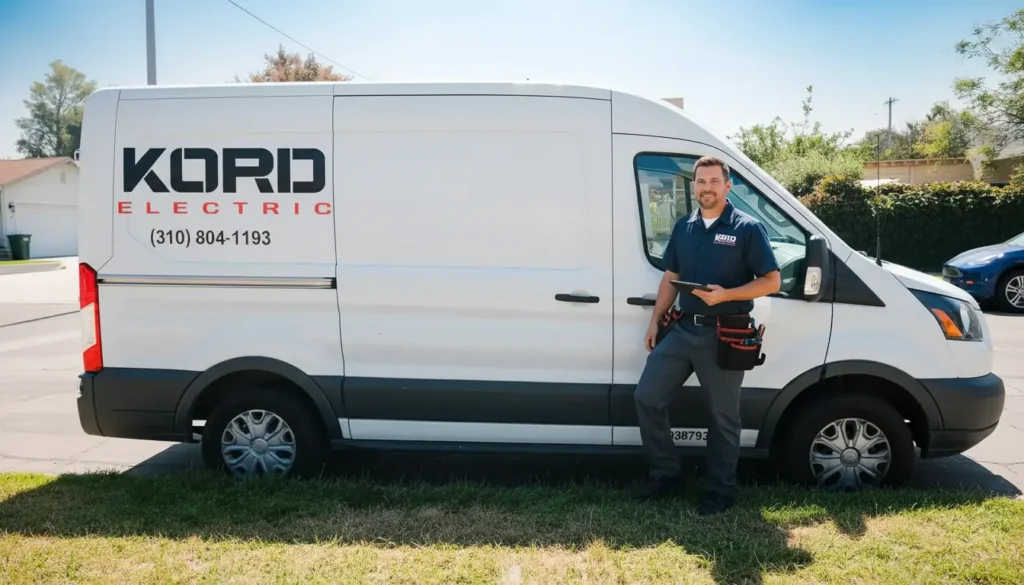
At Kord Electric, we often tell property managers that lighting is not just about brightness. It is about safety, liability, tenant comfort, and long term asset value. That is why we created our lighting installation guide specifically for commercial and industrial facilities and major property buildings. In this article, we expand on that guide and walk through what compliance really means, how to avoid costly missteps, and why expert service staff make all the difference. Think of this as the calm voice in the control room while the rest of the building hums along.
Because when the lights work, no one notices. When they do not, everyone does.
Understanding Compliance in Commercial Lighting Systems
Compliance is not a suggestion. It is the line between a well run property and a headline nobody wants to read. For commercial and industrial facilities, lighting must meet local electrical codes, energy standards, fire regulations, and accessibility requirements. Moreover, these standards evolve. What passed inspection ten years ago may not pass today.
Therefore, property managers must stay ahead of code updates, not chase them. At Kord Electric, our technicians routinely review current regulations before any lighting project begins. They do not guess. They verify. In addition, they document each step so property managers have clear records for audits and inspections.
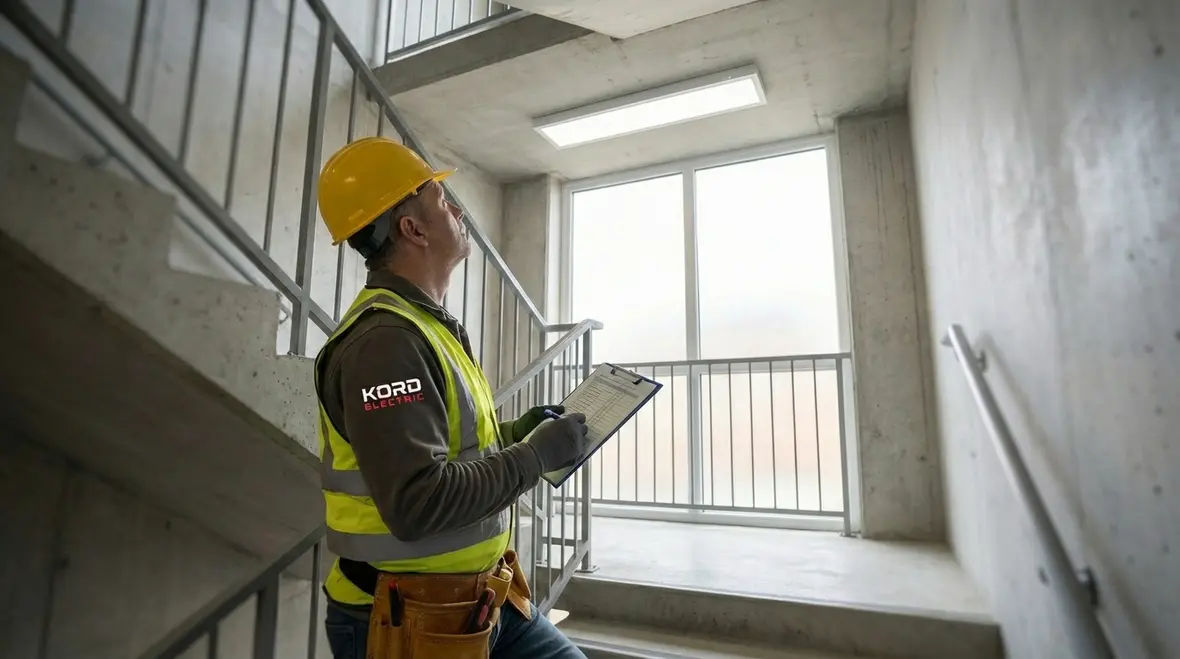
Lighting in stairwells, parking structures, emergency exits, and production floors requires specific light levels and backup systems. Consequently, every fixture choice affects compliance. Our expert service staff explain these requirements in plain language. No jargon. No dramatic music. Just facts and a clear plan.
After all, compliance should feel controlled, not chaotic.
For deeper state-specific regulations, property managers in California can also review Kord Electric’s dedicated resource on commercial lighting codes, which pairs perfectly with this compliance-focused lighting installation guide and helps ensure every system design lines up with current state standards and Title 24 requirements.
What Should a Property Manager Look for in a Lighting Installation Guide?
A practical lighting installation guide should answer three essential questions immediately.
First, does it address the specific needs of commercial and industrial facilities? Large office towers, distribution centers, manufacturing plants, and institutional buildings all have unique lighting demands. For example, warehouse aisles require uniform illumination to reduce accidents, while office environments demand glare control to protect productivity.
Second, does it outline the full installation process? Property managers need clarity on timelines, shutdown windows, safety planning, and coordination with other trades. Our team maps out each phase before lifting a single tool. As a result, disruptions stay minimal.
Third, does it prioritize long term performance? Because lighting systems are investments, not temporary decorations. Our internal lighting setup manual emphasizes fixture durability, energy efficiency, and maintainability. In other words, we do not install systems that look impressive on day one and fail quietly by year three.
And yes, we have seen that movie before. It never ends well.
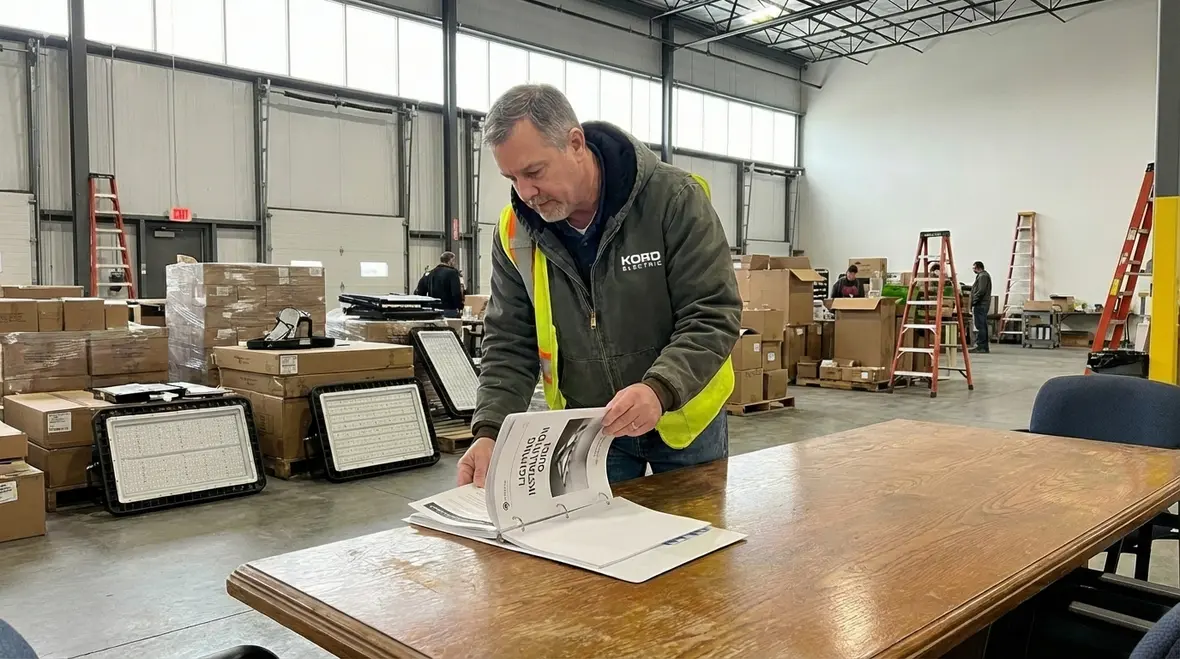
For property teams who prefer a turnkey partner instead of juggling multiple contractors, Kord Electric’s dedicated lighting installation services give you a single, accountable expert from first walkthrough to final inspection. That way, your lighting installation guide is backed by a field team that lives and breathes large-scale commercial work.
From Assessment to Activation: The Kord Electric Process
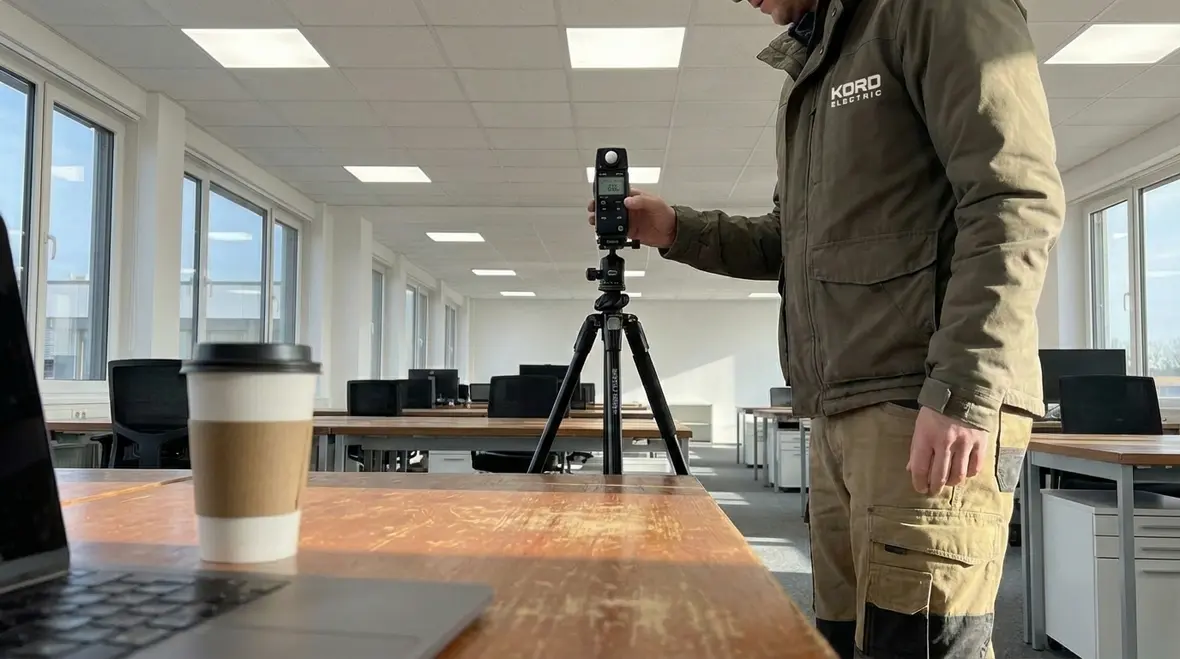
Every successful project begins with observation. Our technicians walk the property, evaluate existing systems, measure light levels, and review panel capacity. They ask questions about tenant complaints, maintenance history, and future expansion plans. Consequently, no assumption goes untested.
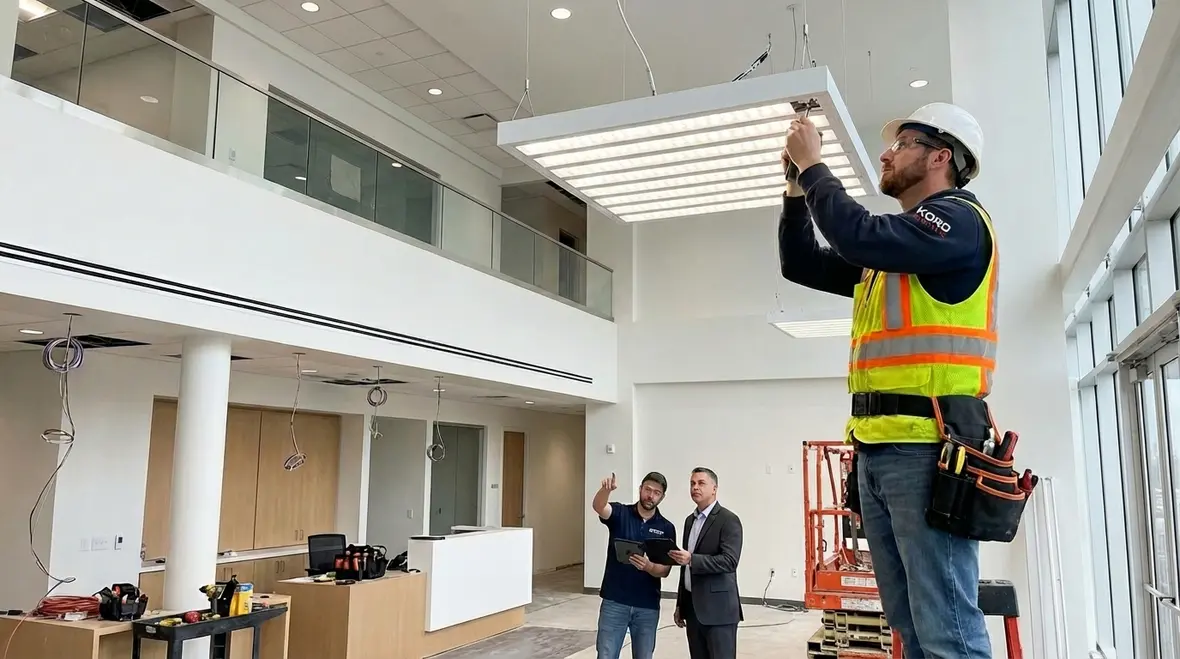
Next comes design and planning. Using our lighting installation guide as a foundation, we select fixtures that meet code, support energy goals, and align with operational needs. Additionally, we coordinate with facility managers to determine optimal installation windows. Night shifts, phased floor closures, and sectional upgrades all reduce operational impact.
During installation, safety leads the way. Our crews secure work zones, verify lockout procedures, and protect surrounding equipment. Moreover, they test each circuit before final activation. Nothing flips on without verification.
Finally, we conduct system testing and documentation. Emergency lighting undergoes battery checks. Control systems receive programming and validation. As a result, property managers receive a complete record of compliance and performance metrics.
It is not dramatic. It is disciplined. And discipline keeps buildings running.
Key Compliance Factors in Major Property Buildings
Although every property differs, several compliance elements remain constant across large commercial facilities.
Emergency and Egress Lighting
Emergency lighting must activate during power loss and provide adequate illumination for safe exit. Therefore, battery systems and generators require regular testing. Our expert service staff schedule and document these tests so managers stay inspection ready.
Energy Efficiency Standards
Energy codes often mandate specific wattage limits and control strategies such as occupancy sensors and daylight harvesting. Consequently, outdated fixtures may increase operating costs and create compliance risks. Our lighting system planning process identifies opportunities for efficient upgrades without disrupting tenants.
Accessibility Requirements
Proper illumination supports safe navigation for all occupants. Hallways, ramps, and entryways must meet minimum light levels. In addition, control switches and panels must remain accessible. We verify placement and function to ensure full compliance.
Industrial Task Lighting
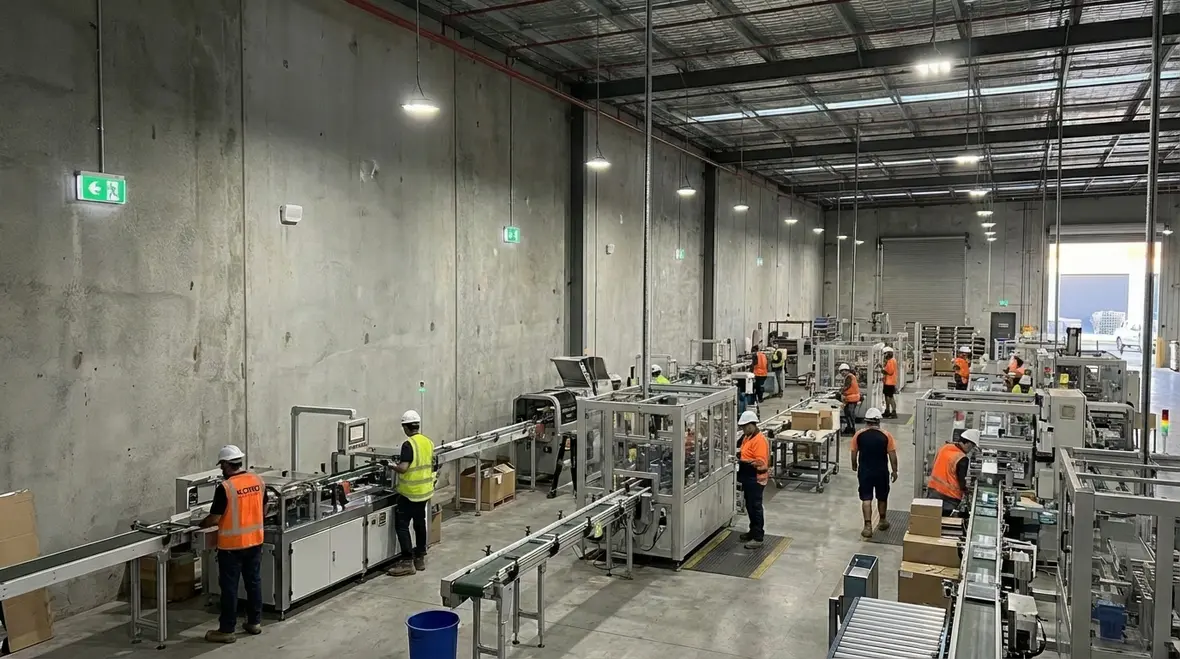
Manufacturing and processing facilities demand precise lighting levels to protect worker safety. Insufficient illumination increases accident risk. Thus, we calculate light distribution carefully, especially in areas with heavy equipment.
Each factor connects to the next. Compliance is not a checklist. It is an ecosystem.
How Our Technicians Simplify Complex Requirements
Regulations can feel overwhelming. However, our role is to translate complexity into clarity. Our technicians and expert service staff explain code requirements in direct language. They show property managers what needs updating, why it matters, and how we will address it.
Furthermore, we provide side by side comparisons to highlight practical outcomes.
Existing Condition
• Aging fluorescent fixtures
• Inconsistent light levels
• Manual switching only
• Limited documentation
Upgraded System
• High efficiency LED fixtures
• Verified uniform illumination
• Automated controls and sensors
• Complete compliance records
This clear breakdown removes guesswork. Instead of technical overload, managers see measurable improvements. And yes, sometimes we add a gentle reminder that lighting technology has evolved since the days when flip phones were cutting edge.
Progress is a beautiful thing.
Balancing Tenant Satisfaction with Regulatory Demands
Property managers answer to both regulators and tenants. Fortunately, these interests often align. Well designed lighting improves comfort, safety, and productivity. At the same time, it satisfies code requirements.
For instance, flickering lights in a commercial office tower can trigger tenant complaints. However, they may also signal electrical inefficiencies or outdated ballasts. By following a structured lighting installation guide, we address both concerns at once.
Additionally, modern control systems allow for zone based adjustments. Tenants gain flexibility, while managers maintain centralized oversight. Consequently, buildings operate more efficiently without sacrificing comfort.
And let us be honest. A well lit lobby makes a stronger impression than a dim one that feels like a suspense film set.
Long Term Maintenance Planning for Industrial and Commercial Facilities
Installation marks the beginning, not the end. Therefore, maintenance planning must follow immediately. Our lighting installation guide includes recommended inspection intervals, cleaning schedules, and performance reviews.
Dust accumulation, vibration, and temperature shifts can affect fixtures in industrial environments. As a result, periodic inspections protect system integrity. Our service staff document findings and recommend proactive adjustments before small issues grow into costly repairs.
Moreover, we help property managers track component lifespans. LED drivers, sensors, and control modules each have expected service windows. By planning replacements strategically, facilities avoid sudden failures.
In large commercial buildings, predictable maintenance equals predictable budgets. And predictable budgets make everyone breathe easier.
For properties that want a structured program rather than reactive fixes, Kord Electric’s broader electrical preventive maintenance and Title 24 support can be paired with your lighting installation strategy so that emergency lighting testing, generator checks, and documentation all stay aligned under one master plan.
Frequently Asked Questions
Conclusion
At Kord Electric, we approach every commercial and industrial project with discipline, clarity, and respect for compliance. Our technicians and expert service staff guide property managers through each step with confidence and calm authority. If your facility needs a structured lighting solution grounded in experience, we are ready to help. Contact Kord Electric today, and let us bring precision, safety, and reliability to your building lighting systems.
If you are coordinating a larger electrical scope that goes beyond lighting alone, our commercial team can also support broader upgrades and maintenance planning so your new lighting installation integrates cleanly with panels, emergency systems, and future projects across the property.
Whether you are planning a retrofit across multiple buildings or a new construction project that needs a code-conscious lighting installation guide from day one, partnering directly with a commercial specialist keeps your schedule tight, your documentation organized, and your tenants focused on their work—not on what is happening above the ceiling tiles.
To see how this looks in practice for large campuses, warehouses, and government properties, explore Kord Electric’s dedicated lighting installation services overview, then bring those capabilities directly into your next capital plan.