Smart Lighting Installation Repair vs Replacement
Making Smart Lighting Installation decisions is not just about brighter bulbs or sleeker fixtures. It is about strategy, performance, and long term value. At Kord Electric, they guide commercial and industrial facilities through the careful process of deciding when to repair existing systems and when to invest in full replacement. In large properties and major buildings, lighting is not decoration. It is infrastructure. Therefore, every choice affects safety, productivity, energy use, and operating costs. Their technicians and expert service staff walk facility managers through each option with patience and clarity, ensuring no one feels left in the dark. Yes, they have heard every lighting joke in the book. They still smile.
Because in the world of commercial power systems, guesswork is expensive. And while changing a lamp may seem simple, deciding whether to upgrade an entire system requires foresight. The following guide explains how Kord Electric approaches these decisions with calm authority, practical insight, and just enough humor to keep it human.
Understanding the Real Cost of Commercial Lighting Systems
Lighting in commercial and industrial facilities operates for long hours, often around the clock. Consequently, even minor inefficiencies multiply quickly. An outdated system may still function, but it quietly drains energy and inflates maintenance costs. On the other hand, a modern smart lighting system adjusts automatically, reduces waste, and improves visibility across production floors, warehouses, and office towers.
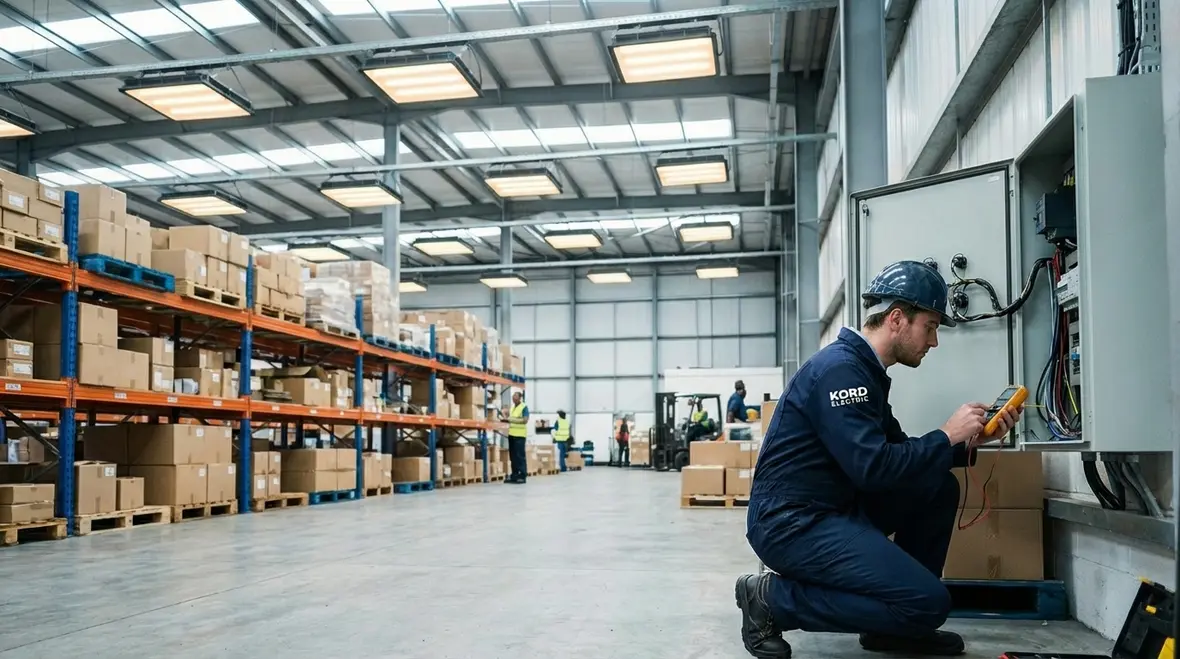
Kord Electric evaluates more than the fixture itself. They examine control systems, wiring integrity, panel capacity, and overall load distribution. Moreover, their expert service staff review maintenance logs and energy bills to uncover patterns that building managers may overlook.
Repair often appears cheaper in the short term. However, when ballast failures become routine and technicians climb ladders every other week, those small invoices stack up. In many cases, the tipping point becomes clear when downtime begins to interrupt operations. In industrial settings, downtime is not merely inconvenient. It is costly.
Therefore, making a thoughtful decision requires looking beyond the immediate fix. It demands a wider lens that measures efficiency, reliability, and scalability.
For facility teams that want to dig deeper into how lighting infrastructure affects compliance and operating costs, Kord Electric’s own guide on evolving California lighting codes offers helpful context for long term planning and upgrades. California Commercial Lighting Code Guide for 2026 connects efficiency decisions with real regulatory expectations across large properties.
Signs It Is Time to Replace Instead of Repair
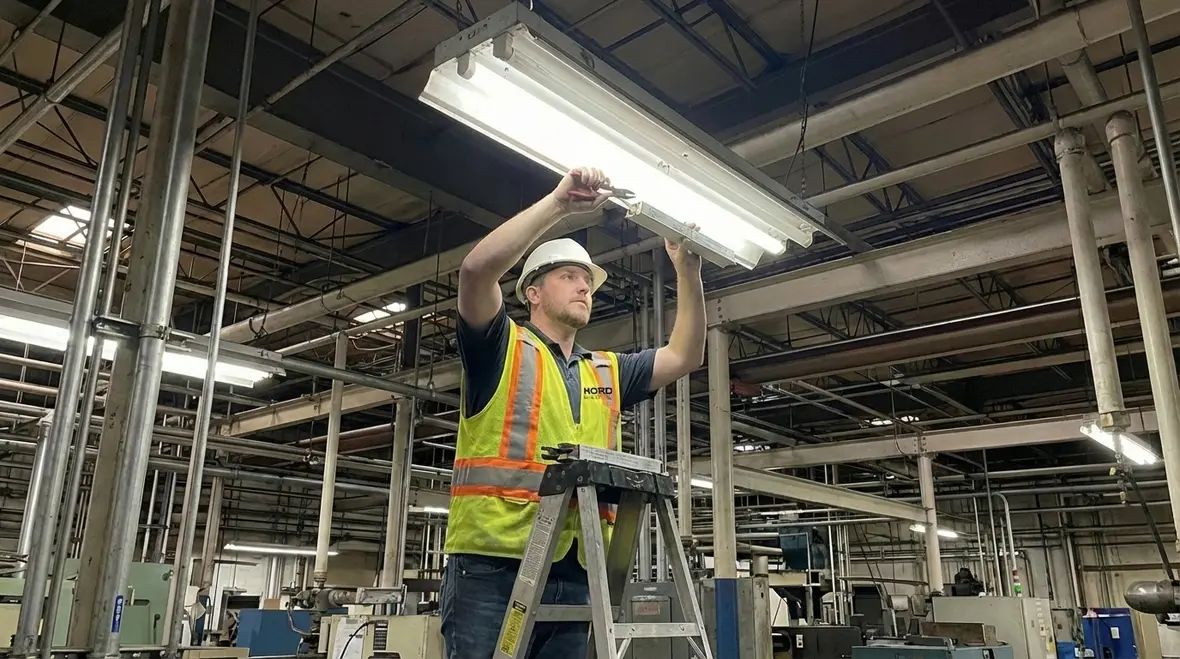
Many facility managers ask the same question. How do they know when repair no longer makes sense? Kord Electric encourages clients to watch for consistent signals rather than isolated failures.
First, frequent component failure signals system fatigue. If ballasts, drivers, or control modules fail repeatedly, the system likely operates beyond its intended lifespan. Second, rising energy bills often reveal inefficiency. Older fluorescent or HID fixtures consume more power than modern LED systems with integrated controls.
Additionally, inconsistent lighting levels across work zones create safety concerns. Flicker, dimming inconsistencies, or uneven coverage may affect employee performance and compliance standards. In industrial facilities, proper illumination directly impacts inspection accuracy and equipment operation.
Finally, compatibility issues matter. As buildings integrate advanced automation and energy management platforms, outdated lighting systems struggle to connect. When integration becomes impossible, replacement becomes the logical next step.
Kord Electric technicians do not rush that conclusion. Instead, they conduct site evaluations, measure load data, and present options clearly. Their goal is informed choice, not impulse spending.
These signs often show up alongside other electrical red flags. If voltage fluctuations or unstable power have started to affect lighting performance, it may be time to zoom out and address the broader electrical backbone supporting your fixtures. The team’s analysis process mirrors the structured diagnostic work they apply when resolving voltage fluctuations in commercial and industrial facilities, ensuring replacement decisions support long term stability.
When Repair Is the Smart Move
Not every lighting issue calls for replacement. In fact, targeted repair can extend system life significantly when conditions are right. For example, newer LED installations with isolated driver failures often benefit from component replacement rather than full fixture changeouts.
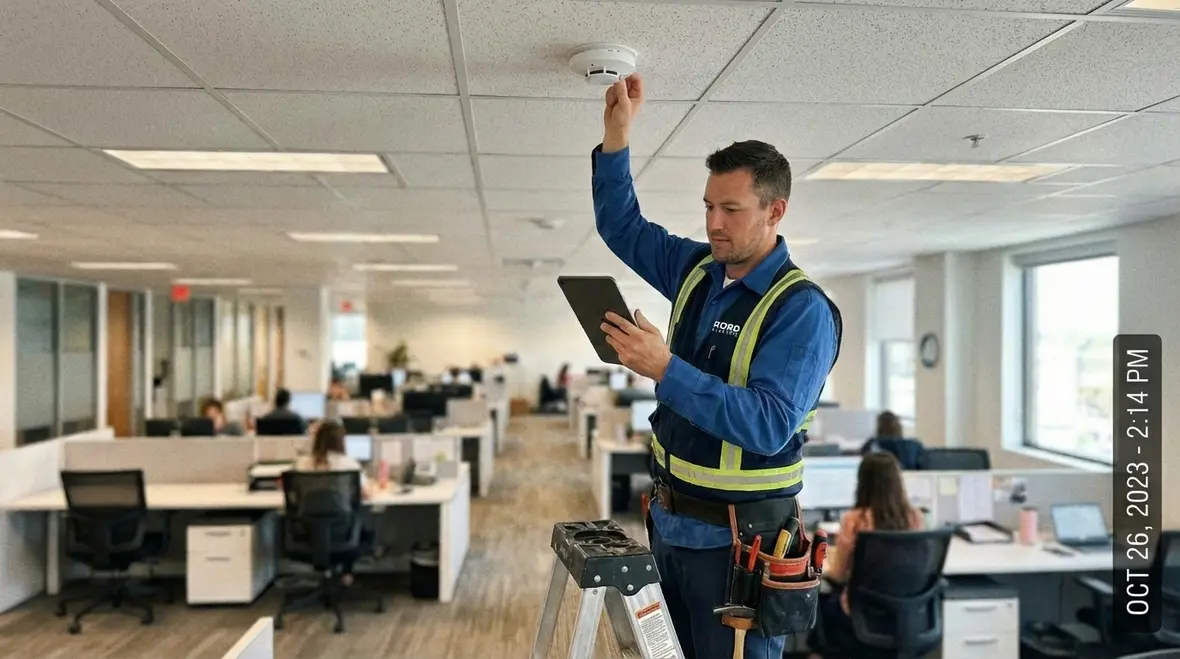
Similarly, control recalibration may solve performance issues without capital expense. Sensors sometimes drift out of alignment, and programming adjustments restore efficiency. Therefore, before recommending major upgrades, Kord Electric investigates root causes thoroughly.
In large commercial properties, partial retrofits can bridge the gap. Replacing high use zones while maintaining newer sections balances budgets and performance. Their expert service staff explain these phased approaches in simple terms, ensuring stakeholders understand timelines, cost projections, and expected return.
Repair works best when infrastructure remains sound. If wiring, panels, and mounting systems remain stable, strategic updates preserve value. In those cases, a steady hand beats a wrecking ball.
This mindset matches how Kord Electric handles broader preventive strategies. Smart lighting repair is often paired with structured programs like electrical preventive maintenance, so that small fixes fit into a bigger plan for reliability instead of becoming random, reactive line items.
Making Smart Lighting Installation Decisions for Large Facilities
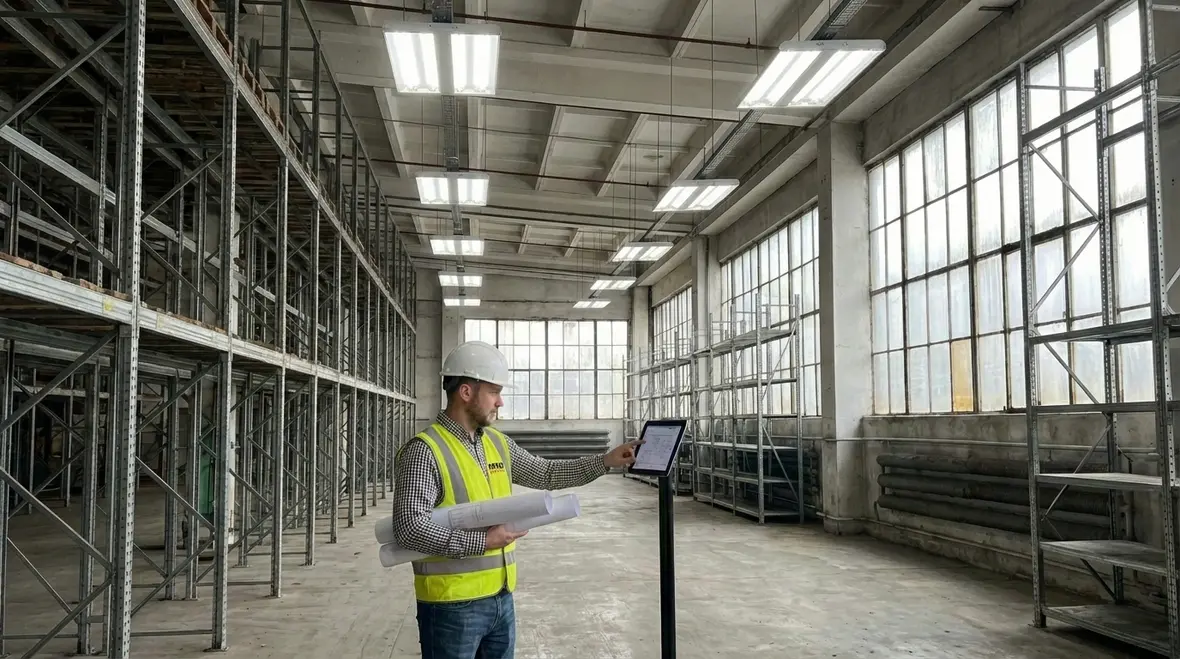
Every major property carries unique operational demands. A distribution center differs from a manufacturing plant. A corporate campus differs from a hospital complex. Consequently, making informed lighting installation decisions requires tailored analysis.
Kord Electric approaches each project methodically. They assess ceiling heights, production layouts, occupancy patterns, and energy goals. Furthermore, they coordinate with facility engineers to ensure new systems align with long term infrastructure plans.
Smart lighting technology introduces dimming controls, motion sensors, daylight harvesting, and centralized dashboards. However, technology alone does not guarantee performance. Proper configuration matters just as much. Their technicians program systems carefully, testing response times and verifying load distribution before completion.
They also understand that large buildings cannot pause operations easily. Therefore, installation schedules often occur in phases, during planned downtime, or in coordination with other upgrades. Precision planning prevents disruption.
And yes, someone always asks if the lights will turn on with a clap. The answer is no. But they will respond to occupancy sensors faster than you can say open sesame.
Repair vs Replacement Comparison
Below is a simplified comparison that Kord Electric often reviews with facility managers.
Repair
- Lower upfront cost
- Short term extension of system life
- May require ongoing maintenance
- Limited integration with smart controls
- Suitable for stable infrastructure
Replacement
- Higher initial investment
- Long term efficiency gains
- Reduced maintenance frequency
- Full compatibility with automation systems
- Ideal for aging or inefficient systems
This side by side view clarifies tradeoffs quickly. Still, every facility requires deeper analysis. Numbers, usage hours, and operational demands ultimately guide the decision.
Energy Efficiency, Compliance, and Long Term ROI
Energy standards evolve continuously. As regulations tighten, older lighting systems struggle to comply. Consequently, commercial property owners face potential penalties or lost incentives. Upgrading systems often unlocks rebates and energy credits that offset capital expense.
Kord Electric evaluates available programs and integrates compliance planning into every proposal. Moreover, they calculate projected energy savings over five, ten, and even fifteen year periods. This long view shifts the conversation from cost to investment.
Return on investment rarely hinges on electricity alone. Improved lighting boosts worker accuracy and reduces safety incidents. In manufacturing facilities, better visibility directly supports quality control. In large office towers, consistent illumination improves occupant comfort.
Therefore, making strategic lighting installation decisions extends beyond utility bills. It supports operational excellence. And while spreadsheets may lack drama, the savings over time tell a compelling story.
Smart, efficient lighting is also one of the fastest ways to tackle invisible workplace hazards. If you have ever walked through dim aisles or squinted at poorly lit workstations, their breakdown of workplace lighting safety hazards that hurt productivity shows how much safety, morale, and compliance ride on every fixture and control decision.
How Kord Electric Guides Decision Makers with Clarity
Large scale projects demand trust. Facility directors and property managers need partners who explain technical details without hiding behind jargon. Kord Electric prides itself on clear communication.
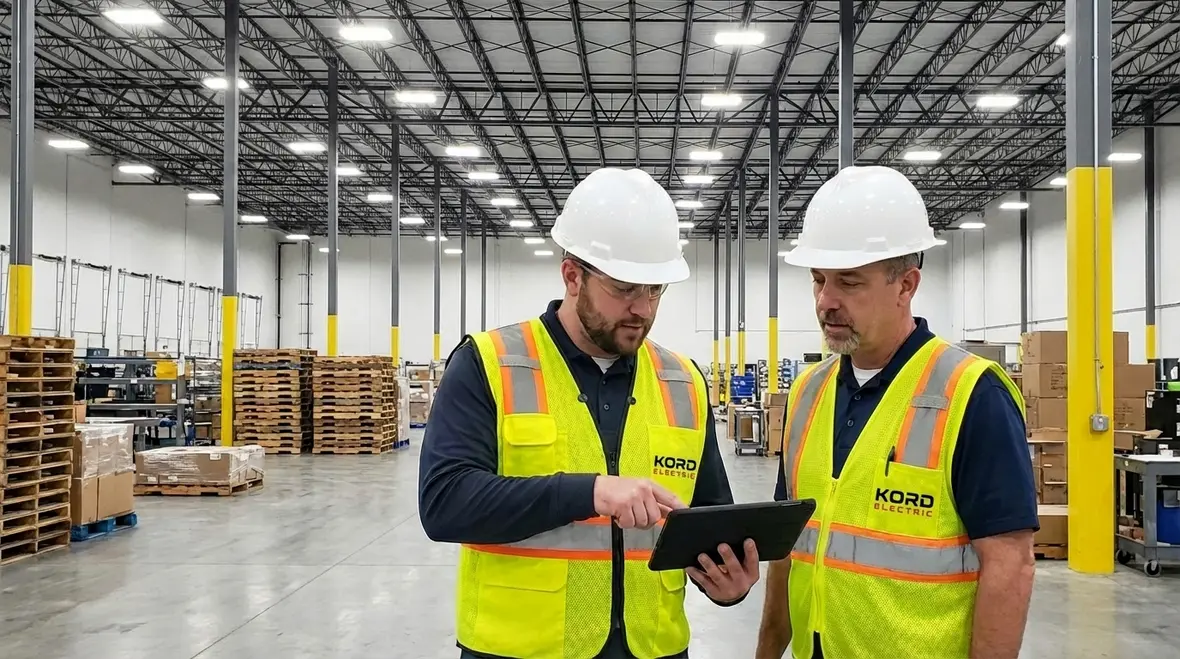
Their technicians document findings with photographs, load measurements, and performance data. Then, their expert service staff walk stakeholders through each recommendation step by step. They outline benefits, risks, and projected timelines.
Importantly, they remain neutral between repair and replacement when both remain viable. Their credibility rests on honest assessment. Over time, that approach builds long term partnerships across commercial campuses and industrial complexes.
Additionally, safety remains central. Every evaluation follows strict safety protocols. Crews coordinate with on site teams to prevent disruption or hazard. Because in major facilities, even minor oversights carry serious consequences.
Lighting may seem simple. Flip a switch. Room brightens. Yet behind that simplicity stands careful engineering and thoughtful planning. And Kord Electric treats it with the respect it deserves.
Aligning Smart Lighting with Broader Electrical Strategy
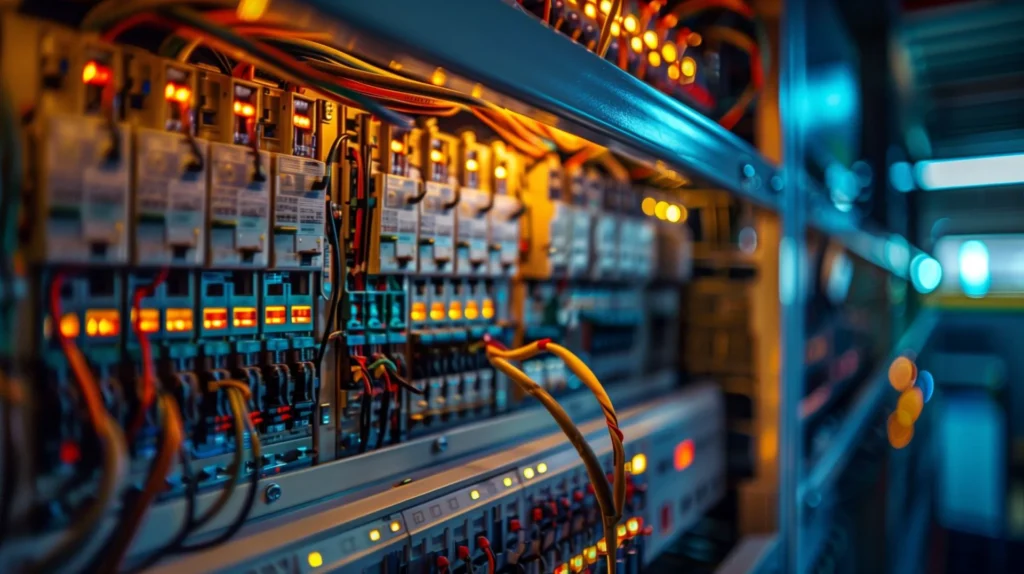
Smart lighting does not operate in isolation. It pulls power from the same commercial electrical systems that support HVAC, production machinery, data centers, and life safety equipment. When Kord Electric designs or upgrades lighting, they consider how each circuit, panel, and control device fits into the overall electrical architecture of the building.
That holistic perspective mirrors their approach to modern power infrastructure more broadly. In their breakdown of commercial electrical systems for modern buildings, lighting is treated as one part of a responsive, data driven network. This big picture view helps ensure that Making Smart Lighting Installation choices today does not create electrical bottlenecks or code issues tomorrow.
Connecting Lighting Upgrades with Related Services
In many facilities, lighting projects happen alongside other electrical upgrades. Some properties pair smart lighting retrofits with EV charging infrastructure, updated panels, or power quality corrections. Treating these as coordinated efforts rather than isolated tasks allows Kord Electric to design systems that share capacity intelligently and avoid rework.
If your lighting review reveals broader opportunities to modernize how your facility uses power, their dedicated lighting installation services page outlines how full scale commercial and industrial lighting projects are planned, designed, and delivered across campuses, warehouses, and large government or institutional properties.
Frequently Asked Questions
Conclusion
At Kord Electric, they believe lighting decisions should feel steady and informed, never rushed. Whether repairing a reliable system or planning a full upgrade, their technicians and expert service staff guide commercial and industrial facilities with clarity and confidence. If your property faces rising energy costs or aging infrastructure, now is the time to act. Contact Kord Electric and let them help you move forward with purpose, precision, and a brighter path ahead.
If you are ready to move beyond quick fixes and start Making Smart Lighting Installation decisions that align with safety, compliance, and long term strategy, their dedicated commercial lighting installation services page is a direct way to explore how full scale projects are scoped and delivered across large buildings and campuses.