Prevent Lighting Failures in Multi Tenant Buildings
Lighting Installation for Multi Tenant Buildings: Avoid These Common Failures
In large commercial and industrial properties, lighting is more than illumination. It is safety, productivity, security, and reputation wrapped into one system. Yet time and again, property owners face common lighting installation failures that lead to uneven brightness, overloaded circuits, premature fixture burnout, and tenant complaints that echo down the halls louder than a fire alarm at 2 a.m. At Kord Electric, we have seen how poor planning and rushed work create lighting installation mistakes that cost far more to fix than to prevent. Therefore, we approach every multi tenant building with discipline, foresight, and a steady hand.
After all, in a building where dozens of businesses operate under one roof, lighting cannot be an afterthought. It must be engineered, installed, and maintained with precision.
Understanding the Complexity of Multi Tenant Lighting Systems
Multi tenant commercial and industrial buildings operate like small cities. Each tenant has unique operational hours, power loads, branding preferences, and compliance requirements. Consequently, the lighting system must balance flexibility with centralized control.
Common lighting installation failures often begin with a one size fits all mindset. For example, installing identical fixtures across retail spaces, warehouses, and office corridors may seem efficient. However, it ignores how different environments demand different lumen levels, color temperatures, and control strategies.
At Kord Electric, our technicians and expert service staff walk property managers through these distinctions. They explain why warehouse bays require high output fixtures with proper spacing, while office suites benefit from glare control and balanced distribution. Moreover, they clarify how shared panels and metering influence layout decisions.
Because when lighting design ignores operational diversity, problems follow. And unlike a bad haircut, poor lighting does not grow out in two weeks.
What Are the Most Common Lighting Installation Failures in Multi Tenant Buildings?
Property managers often ask this directly, especially after experiencing unexpected outages or tenant complaints. The truth is straightforward. Most lighting installation mistakes stem from planning gaps, installation shortcuts, or poor communication.
Frequent failures include:
Improper load calculations that overload shared circuits
Inconsistent fixture alignment that creates dark zones and glare
Incorrect color temperature selection across adjacent tenant spaces
Failure to integrate lighting controls with building management systems
Ignoring local commercial and industrial code requirements
However, these issues rarely appear all at once. Instead, they surface gradually. First, a flicker. Then a breaker trip. Eventually, a tenant requests a meeting. Therefore, prevention remains the most cost effective strategy.
To build that prevention into every project, lighting installation for multi tenant buildings needs deliberate engineering, not guesswork or copy-paste layouts borrowed from single use facilities.
Load Management and Circuit Integrity
Electrical infrastructure in multi tenant properties must handle fluctuating demand. While one tenant powers down at 5 p.m., another may operate through the night. As a result, lighting circuits often experience varied load cycles that test every weak point in the system.
One of the most overlooked lighting installation mistakes involves underestimating total demand across shared panels. Although fixtures today are more efficient, improper grouping can still cause overheating and nuisance tripping. These are exactly the kinds of common lighting installation failures that frustrate tenants who thought “new lighting” meant “no more problems.”
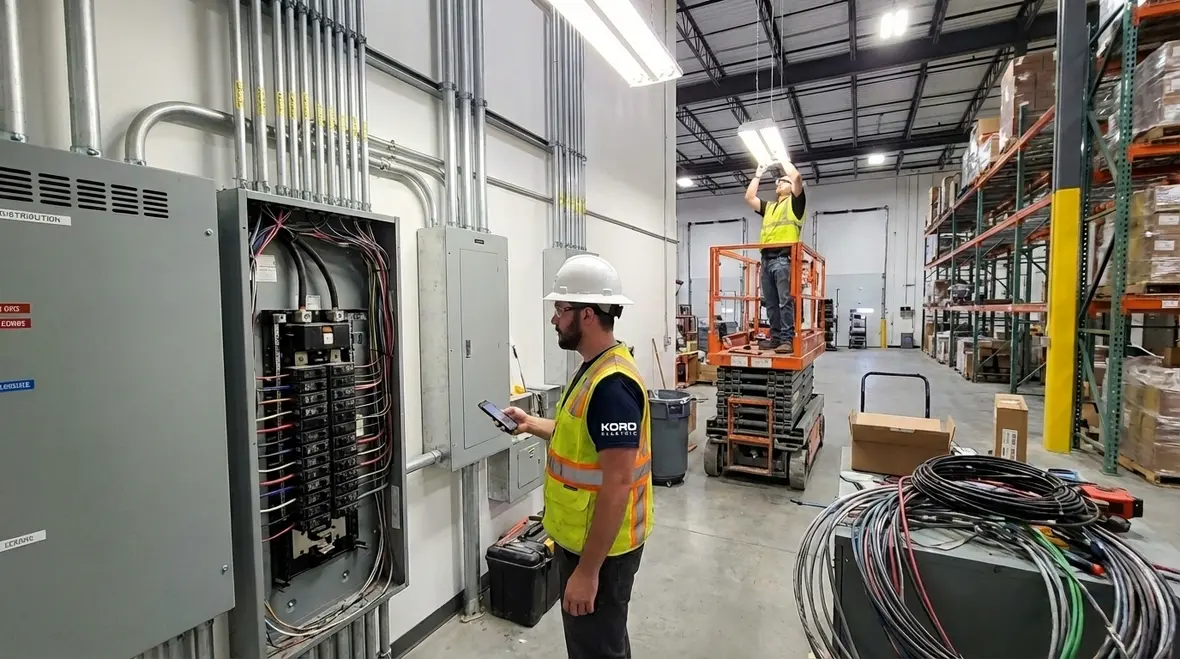
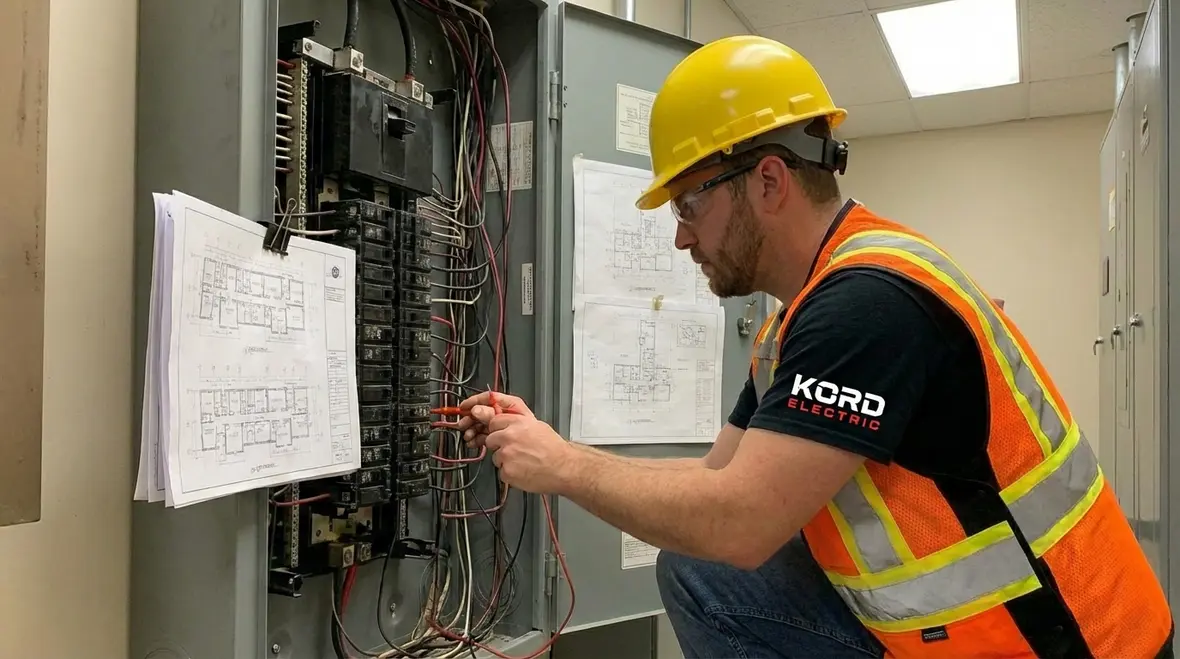
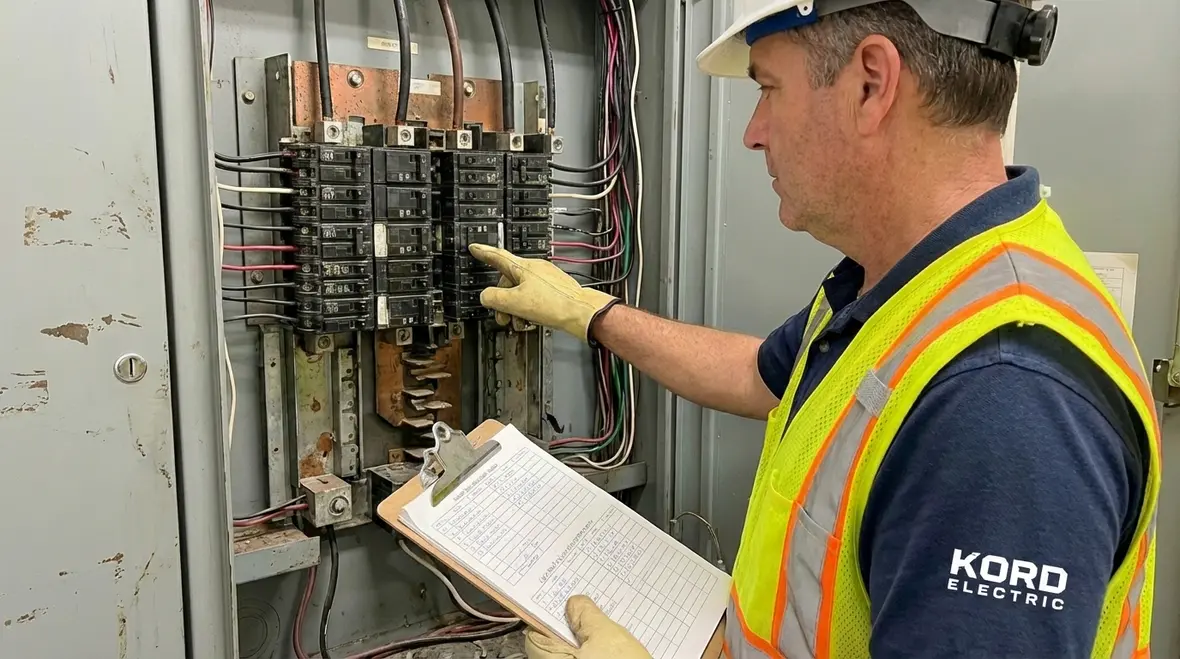
At Kord Electric, we calculate demand with precision. Our technicians evaluate panel capacity, branch circuit distribution, and expansion allowances. Furthermore, we coordinate with facility managers to anticipate tenant growth and future build outs. That foresight prevents costly rewiring later and helps avoid the kind of voltage instability and nuisance trips that can disrupt operations.
In addition, we separate critical lighting circuits where required. Emergency egress lighting, for example, must remain reliable under all conditions. Therefore, we ensure it operates independently from general tenant loads so that life safety systems stay online even when another space is pushing its equipment a little too hard.
Because when circuits fail in a commercial tower, it is not just an inconvenience. It disrupts operations, safety, and trust across every floor that suddenly goes dark.
Lighting Design That Serves Every Tenant Without Conflict
Design consistency across shared corridors and lobbies matters. Yet within tenant spaces, flexibility matters more. Balancing both requires experience and an understanding that multi tenant buildings behave more like campuses than single storefronts.
Common lighting installation failures occur when installers treat a multi tenant property like a single occupant facility. However, different businesses often require tailored lighting layouts. A distribution center needs uniform high output illumination to keep product moving accurately and safely. Meanwhile, a corporate office values visual comfort, low glare, and energy efficiency during long hours at computer screens.
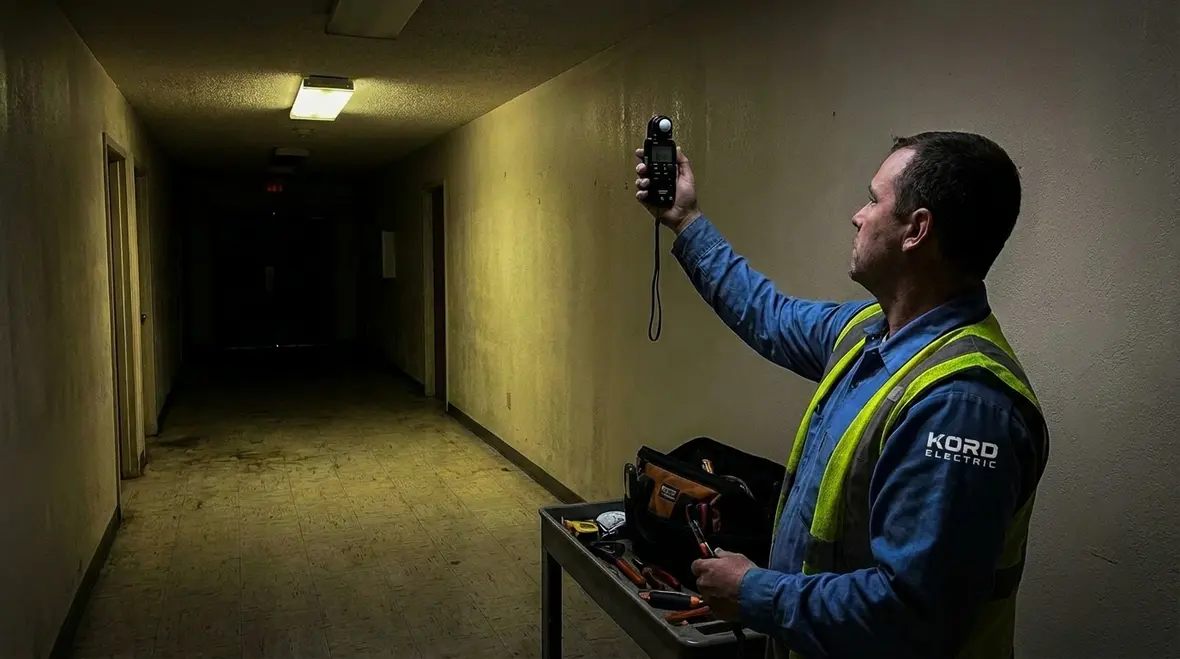
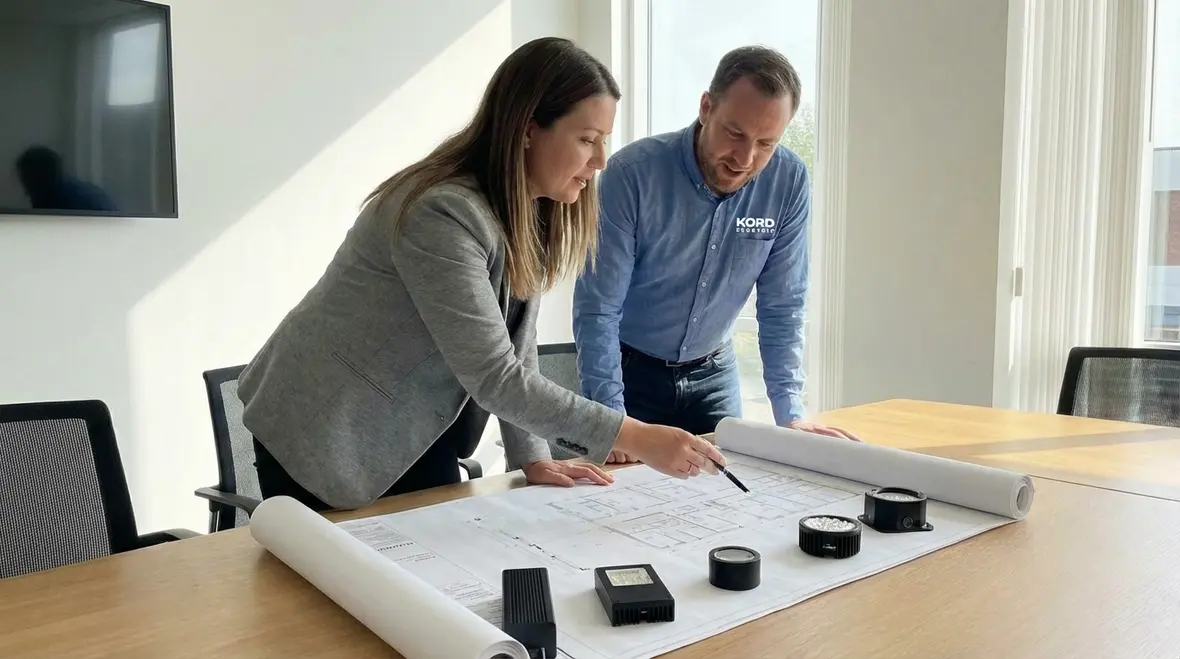
Our expert service staff takes time to explain photometric plans in plain language. They show property managers how spacing, mounting height, and beam spread influence performance. Moreover, they demonstrate how subtle layout changes reduce shadows, tame bright spots, and eliminate harsh contrasts that send complaints to your inbox.
Interestingly, lighting affects mood and productivity more than most realize. Studies consistently show that proper illumination improves focus and reduces fatigue. So yes, lighting can make or break a Monday morning meeting. And nobody needs help making Mondays harder.
This is also where Common lighting installation failures show up visually: mismatched fixtures, clashing color temperatures between suites, and hallway lighting that feels like a tunnel instead of a welcome path. A thoughtful, building-wide design approach avoids those headaches.
Control Systems and Smart Integration
Today, lighting is not simply on or off. Advanced controls allow zoning, scheduling, occupancy sensing, daylight harvesting, and integration with building automation platforms. Yet without proper integration, these features can become a source of frustration rather than a selling point.
Lighting installation mistakes often appear when control systems are added as an afterthought. Consequently, tenants struggle with inconsistent dimming, delayed sensor response, lights that seem to shut off right when someone gets comfortable, or software that does not play nicely with other building systems.
At Kord Electric, we design lighting controls as part of the overall electrical strategy, not as a late line item. Our technicians coordinate with building automation systems to ensure seamless communication from the first commissioning test. Additionally, we test each zone thoroughly before project completion so that the first “grand opening” is not also the first troubleshooting session.
Because smart lighting should feel intuitive. If it requires a manual thicker than a classic novel, something went wrong. Property managers should feel confident adjusting schedules, scenes, and occupancy settings without calling for emergency tech support every time the seasons change.
Dual Focus Approach for Reliable Lighting Installation
To prevent recurring lighting installation failures, we focus on two essential pillars. Rather than treating installation and maintenance as separate conversations, we align them from day one so the system you install today will still serve you well five or ten years from now.
Proactive Installation Strategy
Accurate load calculations
Code compliant wiring methods
Strategic fixture placement
Integrated control planning
Future expansion allowances
Long Term Performance Planning
Scheduled inspections
Thermal imaging for early detection
Driver and ballast monitoring
Energy usage reviews
Clear documentation for property managers
By combining these two columns of focus, we reduce risk and extend system life. Moreover, property managers gain clarity instead of confusion and have a clear roadmap for maintaining performance over the life of the building.
Code Compliance and Safety Standards in Commercial Properties
Commercial and industrial buildings operate under strict regulations. Lighting systems must meet national and local electrical codes, energy standards, and life safety requirements. However, compliance involves more than checking boxes on a form or installing whatever was used in the last project.
Common lighting installation failures often trace back to overlooked code details. For instance, improper grounding, inadequate emergency illumination levels, missing occupancy sensors, or incorrect fixture ratings for specific environments can all trigger violations and expensive rework.
At Kord Electric, our technicians stay current with evolving regulations, including Title 24 and other commercial lighting requirements that affect large facilities. They explain code requirements in practical terms, not legal jargon. Furthermore, we document installations carefully, which simplifies inspections, audits, and future upgrades. For deeper code insight, property managers can also review our resource on California commercial lighting code requirements to see how design decisions and regulations connect in real facilities.
Because in major property buildings, safety is not optional. It is foundational, and the fastest way to avoid fines and tenant frustration is to get the design and installation right the first time.
Maintenance Planning That Prevents Future Headaches
Even the best installation requires maintenance. However, reactive service models invite disruption. Therefore, proactive maintenance plans remain essential if you want to avoid surprise outages that hit in the middle of a workday or a key tenant event.
Lighting installation mistakes sometimes reveal themselves months after project completion. Drivers fail prematurely. Sensors drift out of calibration. Connectors loosen under vibration in industrial settings. Poor connections create hot spots that only show up when a thermal camera or a frustrated tenant finally notices the problem.
Our expert service staff conducts routine inspections to catch these issues early. Additionally, we analyze performance trends to identify patterns before failures spread. When multi tenant buildings pair professional installation with a structured electrical preventive maintenance program, they dramatically reduce the odds of hidden problems evolving into system wide headaches.
After all, in multi tenant buildings, reputation spreads quickly. One unhappy tenant often shares their experience with others. Conversely, consistent lighting reliability builds quiet confidence and gives leasing teams one more advantage when showcasing the property.
How to Spot Common Lighting Installation Failures Early
The earlier you catch common lighting installation failures, the easier and less expensive they are to correct. Property managers and facility teams can watch for subtle clues that something beneath the ceiling tiles is not quite right.
Frequent breaker trips: especially when multiple suites share panels or when specific areas always seem to be the first to go dark.
Uneven brightness along corridors: bright sections followed by noticeably dim pockets that create safety and aesthetic concerns.
Mismatched color temperatures: hallways that change from warm to cool white between doors, or neighboring suites that feel visually disjointed.
Tenant complaints about flicker or glare: employees reporting headaches, eye strain, or “harsh” lighting at workstations.
Controls that confuse users: wall stations nobody understands, occupancy sensors that time out too quickly, or lights that refuse to follow schedules.
Each of these signs suggests that something in the original design, load planning, or control strategy deserves a second look. The good news is that with the right commercial lighting team, many of these issues can be corrected without tearing your building apart.
Partnering With Specialized Commercial Lighting Experts
Lighting for multi tenant buildings is not the place for guesswork, generic office standards, or hoping that a small change order will fix big design flaws. It requires a partner who understands complex facilities, code requirements, and the realities of keeping tenants satisfied across many different business types.
Kord Electric’s team specializes in commercial and industrial lighting installation services for large properties, campuses, and multi building portfolios. From recessed lighting in high end offices to robust illumination in warehouses and parking structures, we design and deliver systems built for performance, safety, and long term efficiency.
For property managers planning upgrades or new build outs, exploring dedicated lighting installation services is one of the fastest ways to align tenant expectations, building codes, and long term operating costs under a single, well planned strategy.
FAQ: Lighting Installation for Multi Tenant Buildings
Conclusion: Partner with Kord Electric for Reliable Commercial Lighting
Lighting defines how commercial and industrial properties function every day. When installed correctly, it operates quietly and reliably. When handled poorly, it disrupts business and safety. At Kord Electric, we prevent common lighting installation failures through disciplined planning, expert craftsmanship, and clear communication.
If your multi tenant building demands dependable lighting performance, our technicians stand ready to deliver clarity, stability, and confidence. From initial design through commissioning and ongoing maintenance, we align load calculations, fixture selection, controls, and code compliance into a single, coherent plan.
Whether you are addressing existing hotspots and nuisance trips or planning a full scale upgrade, partnering with specialists in commercial lighting installation is the most reliable way to avoid the Common lighting installation failures that derail budgets and tenant satisfaction.
Connect with Kord Electric to review your current lighting conditions, explore upgrade options, or coordinate a structured maintenance plan that keeps your building shining for years to come.
To go deeper into large scale lighting installation strategy for commercial and industrial properties, explore our dedicated lighting installation services page and see how a purpose built approach can transform your building from “good enough” to confidently future ready.