Retrofit Facility Lighting for Commercial Buildings
When it comes to Retrofit facility lighting, most commercial and industrial property owners know one thing for certain. Lighting can either drain a budget quietly in the background or become a powerful asset that boosts productivity, safety, and long term value. At Kord Electric, they have seen both stories play out. Fortunately, they prefer the second one.
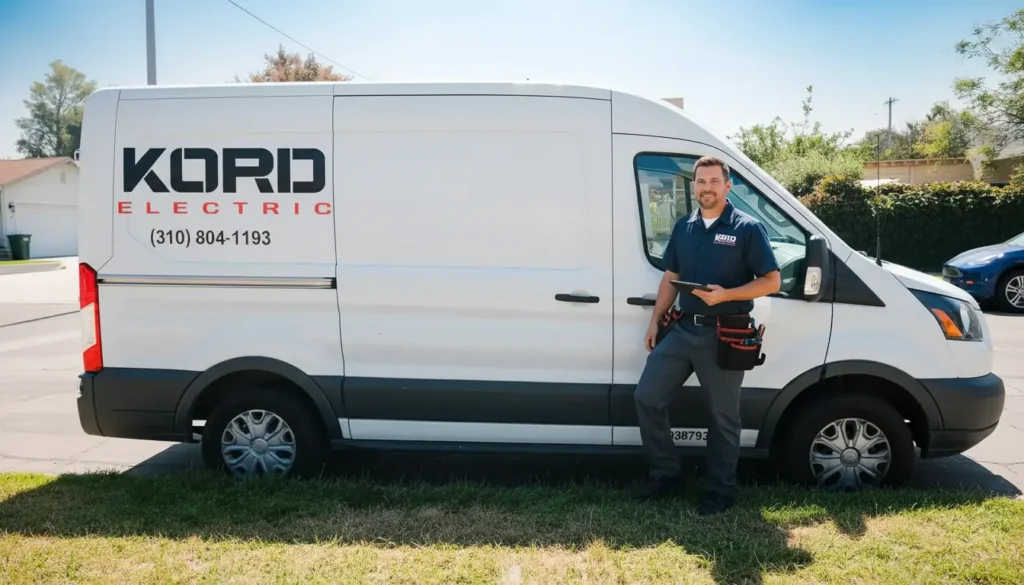
From aging warehouses to brand new distribution centers, Kord Electric helps large facilities move from outdated systems to modern, efficient lighting designs that actually work. Their technicians and expert service staff do more than install fixtures. They explain the why behind every recommendation, translate complex specs into plain language, and guide building managers through decisions with the calm confidence of someone who has done this a thousand times. Because they have.
Let us take a steady walk through what separates average lighting projects from strategies that truly deliver results.
Understanding Retrofit Facility Lighting in Large Scale Buildings
In simple terms, a lighting retrofit means upgrading existing lighting systems without tearing the building apart. However, in commercial and industrial environments, it becomes far more strategic than swapping bulbs.
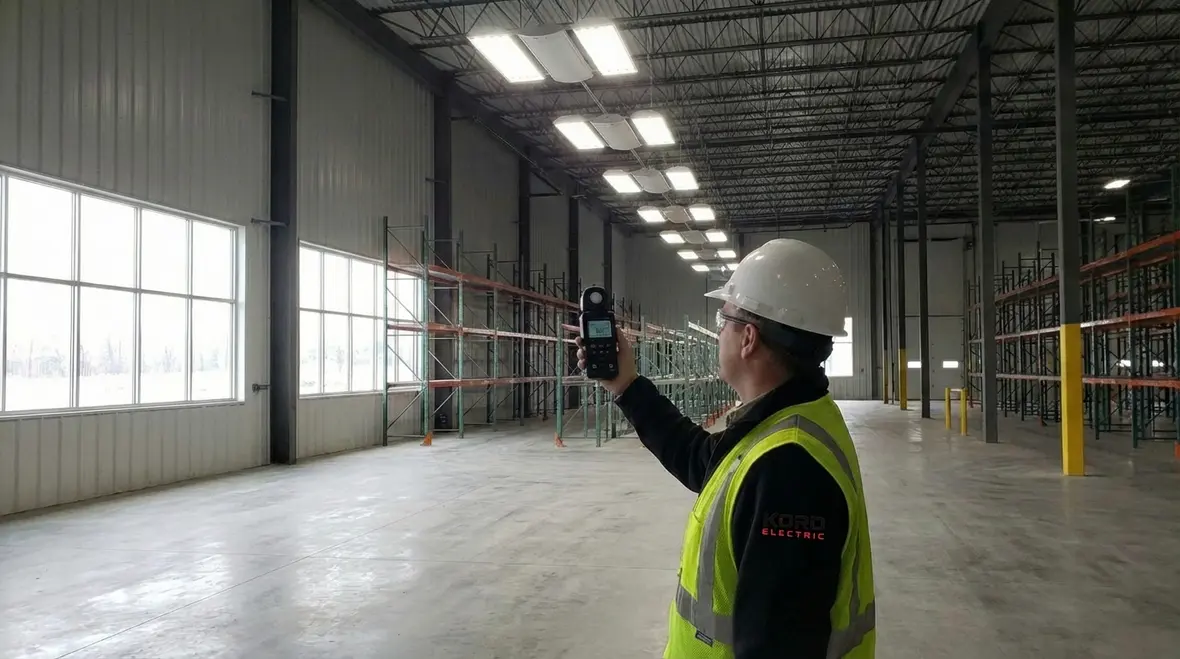
Kord Electric approaches retrofits as performance upgrades. First, their team audits the current system. They measure light levels, review utility data, and inspect panel capacity. Then, they identify inefficiencies hiding in plain sight. Often, older HID or fluorescent systems burn more power than necessary while producing uneven light. As a result, facilities pay more and see less.
Moreover, retrofitting allows operations to continue with minimal disruption. Warehouses stay open. Production lines keep moving. Tenants remain undisturbed. That balance matters in high revenue environments where downtime costs more than the lighting project itself.
Their expert service staff also explain rebate opportunities and compliance standards. Instead of handing over a stack of paperwork, they walk facility managers through incentive programs step by step. It feels less like reading tax code and more like having a trusted guide at your side.
And yes, they occasionally compare outdated fixtures to flip phones. They still work. Technically. But we all know it is time.
Explore Kord Electric’s commercial and industrial lighting installation services to see how retrofit upgrades and new lighting strategies come together in real facilities.
How to Plan Lighting Installation for a New Commercial Build

New construction offers a blank canvas. However, without a smart strategy, that blank canvas can become an expensive guessing game.
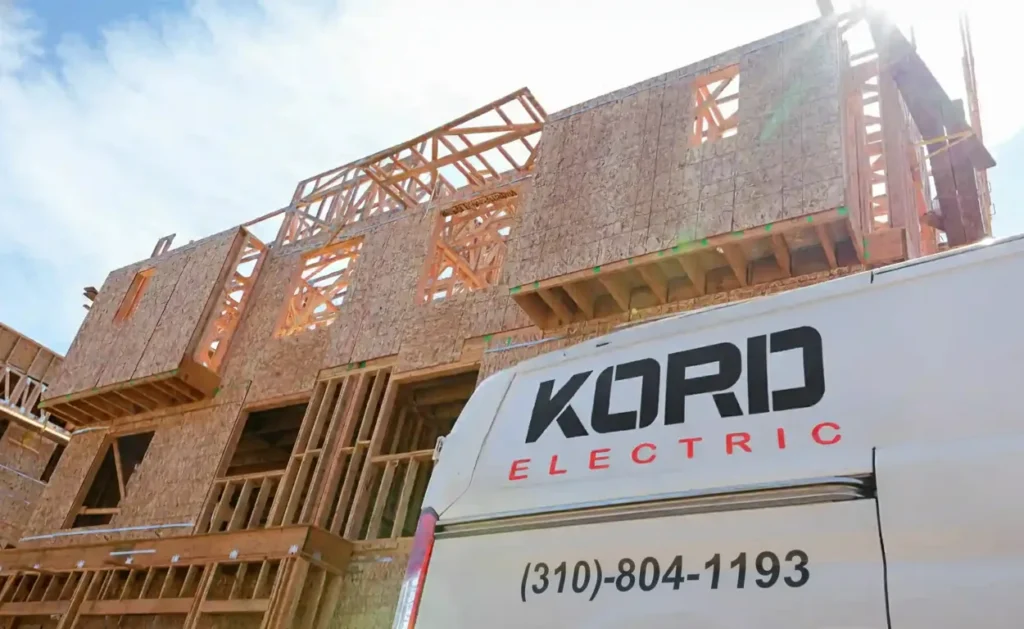
Kord Electric begins with collaboration. They coordinate with architects, engineers, and project managers early in the design phase. Consequently, lighting layouts align with ceiling heights, rack systems, equipment placement, and safety codes before concrete is poured.
They focus on three core principles.
Performance
Light levels must support the tasks inside the space. For example, precision manufacturing requires different illumination than bulk storage. Therefore, they calculate foot candle targets based on real operational needs.
Efficiency
Energy codes continue to evolve. Kord Electric designs systems that not only meet current regulations but also anticipate future standards. That forward thinking protects investments over the long term and pairs well with evolving requirements like California’s rigorous commercial lighting codes.
Control
Lighting controls matter just as much as fixtures. Occupancy sensors, daylight harvesting, and programmable zones reduce waste automatically. In large facilities, even small percentage savings translate into significant annual returns.
Throughout the process, their technicians explain layout decisions in practical terms. Instead of abstract diagrams, they relate choices to workflow, safety, and maintenance. That clarity builds trust, which in construction projects is worth its weight in copper wiring.
If your project is in California, pairing new construction planning with insights from the California Commercial Lighting Code Guide for 2026 helps ensure every new fixture supports both performance and compliance from day one.
Retrofit vs New Build Lighting Installation Strategies That Actually Work

So which approach works better. Retrofit or new build strategy. The honest answer is both, when executed with precision.
Retrofit strategies focus on constraint management. Existing wiring paths, panel capacities, and ceiling structures dictate options. Therefore, Kord Electric evaluates structural limits before recommending fixture types. They often use high efficiency LED high bays that match or exceed previous light output while reducing energy draw significantly.
On the other hand, new builds prioritize optimization from day one. Designers can position fixtures for ideal spacing ratios, eliminate shadows, and integrate smart control systems seamlessly. As a result, performance becomes part of the building’s foundation.
Here is where strategy becomes practical.
In retrofit projects, they:
Conduct detailed load analysis to avoid overtaxing panels
Sequence installation in phases to limit downtime
Upgrade controls alongside fixtures for maximum savings
Document improvements for compliance and rebate claims
In new builds, they:
Coordinate lighting plans with structural and mechanical systems
Specify fixtures based on lifecycle cost rather than upfront price
Integrate smart systems that scale with future expansion
Design maintenance access with long term service in mind
In both scenarios, Kord Electric applies the same principle. Lighting should support operations, not fight against them. If workers squint, shadows creep across loading docks, or maintenance teams constantly replace failing components, something went wrong. Their team works to make sure it does not.
Their commercial recessed lighting installation services show how retrofit facility lighting and new build strategies can share one goal: clear, consistent visibility with minimal disruption.
Energy Efficiency, Rebates, and Long Term ROI

Money talks. In large commercial and industrial properties, it tends to speak loudly.
Energy efficient upgrades reduce operating costs immediately. However, the real value appears over time. LED systems last significantly longer than legacy fixtures. Consequently, maintenance cycles extend, lift rentals decrease, and labor costs drop.
Kord Electric runs lifecycle cost comparisons before finalizing recommendations. They calculate projected savings across energy, maintenance, and potential utility incentives. That data driven approach gives decision makers a clear financial picture rather than a hopeful estimate.
Additionally, many regions offer rebates for commercial lighting upgrades. Their expert service staff guide clients through documentation requirements and inspection processes. Instead of chasing paperwork alone, facility managers receive step by step assistance.
And while spreadsheets are not known for excitement, there is something deeply satisfying about watching operational expenses shrink year after year. It is the financial equivalent of a well delivered punchline. Quiet. Effective. Memorable.
What Facility Managers Ask AI About Retrofit Facility Lighting
What is the first step in upgrading lighting in a large warehouse
The first step is a professional lighting audit. Kord Electric evaluates existing fixtures, energy usage, and light levels before recommending changes.
How long does a commercial lighting retrofit take
Timelines vary by facility size. However, phased installation allows most operations to continue with minimal disruption.
Will new lighting reduce maintenance costs
Yes. Modern LED systems last significantly longer than traditional fixtures, which reduces replacement frequency and labor.
Are smart lighting controls worth it in industrial buildings
In most cases, yes. Occupancy sensors and daylight controls reduce unnecessary usage and improve overall efficiency.
These are not theoretical answers. Kord Electric technicians address these exact questions on job sites every week. They speak plainly, avoid jargon, and back every claim with measurable results.
Side by Side Comparison for Decision Makers
Retrofit Projects New Build Installations
Work within existing structure Design without structural limits
Focused on efficiency upgrades Focused on optimized layout from start
Phased to reduce downtime Installed during construction schedule
Leverages existing infrastructure Integrates advanced controls seamlessly
Often supported by rebate programs Built to meet future code requirements
Both paths demand experienced execution. Therefore, choosing a contractor with commercial and industrial expertise becomes critical. Large scale properties carry complexities that smaller projects simply do not. High ceilings, heavy equipment, strict safety standards, and multi tenant coordination all require seasoned planning.
The Human Element Behind the Fixtures
Technology matters. Strategy matters. Yet people make the difference.
Kord Electric’s technicians bring years of field experience into every facility. They understand how a distribution center operates at peak season. They recognize the lighting demands of manufacturing floors. Because of that, they tailor recommendations to real world conditions rather than theoretical ideals.
Their expert service staff also prioritize communication. Before installation begins, they review project timelines with stakeholders. During execution, they provide progress updates. After completion, they walk teams through control systems and maintenance guidelines.
That approach prevents surprises. It also builds long term partnerships. In commercial and industrial environments, trust becomes as valuable as efficiency gains.
After all, anyone can install a fixture. Not everyone can design a system that performs reliably for years while aligning with operational goals. That level of foresight requires discipline, technical skill, and yes, a bit of pride in doing things right.
If you are already thinking beyond today’s project, pairing retrofit facility lighting with structured electrical preventive maintenance services helps keep new systems performing at their best for the long haul.
Conclusion: Light the Future with Confidence
From strategic retrofits to fully integrated new build installations, Kord Electric delivers lighting solutions built for commercial and industrial performance. Their technicians and expert service staff guide clients with clarity, precision, and steady confidence. If your facility demands efficiency, reliability, and measurable results, it is time to act. Contact Kord Electric today and let them design a lighting strategy that works as hard as your operation does.
When you are ready to turn Retrofit facility lighting into a long term advantage instead of a quiet expense, their lighting installation services for commercial and industrial facilities are built to handle the scale, complexity, and compliance demands of large properties.