Medical Wiring and Electrical Upgrades for Compliance
In medical environments, electricity is not just a utility. It is a lifeline. At Kord Electric, they approach medical wiring and compliance with the respect it deserves, because every circuit supports patient care, advanced diagnostics, and critical equipment. From imaging rooms to surgical suites, precision matters. Moreover, regulatory standards demand strict adherence, and that is where experience steps in. Their technicians do not simply install systems. They explain them, test them, and stand behind them. In complex commercial and industrial medical facilities, reliable power is not optional. It is the quiet hero in the room, working long after everyone else has gone home.
Electrical Upgrades for Medical Offices That Actually Support Patient Care
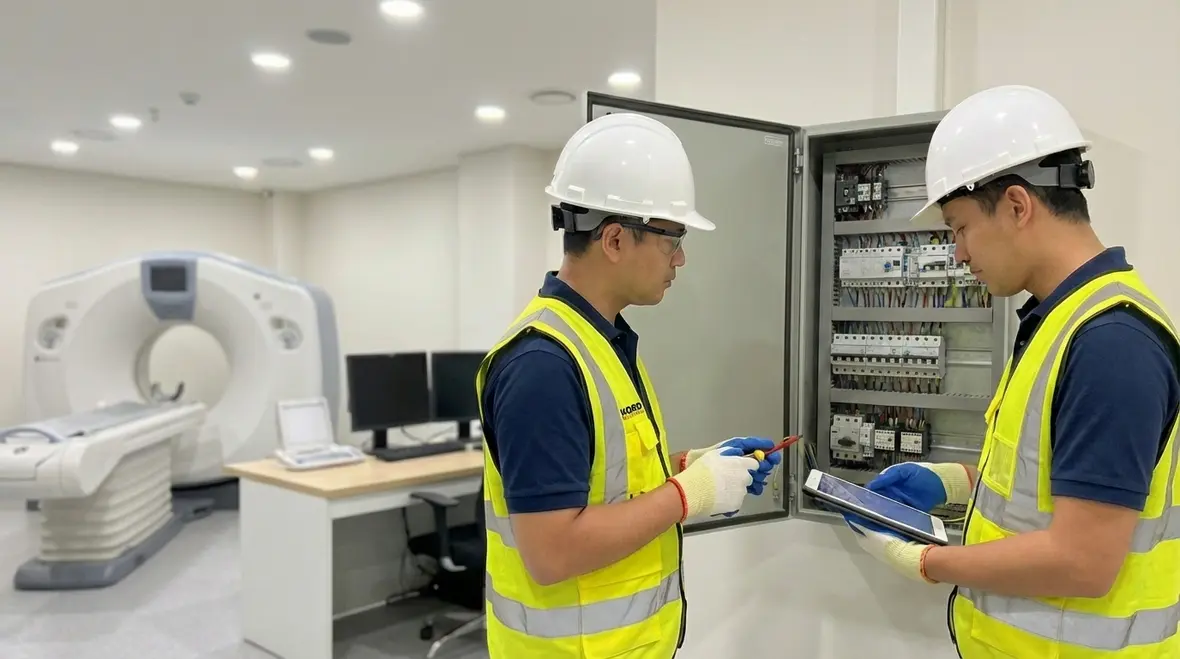
Medical offices are evolving rapidly. New imaging machines draw more power. Digital record systems require secure data cabling. Specialized treatment rooms need isolated grounding and dedicated circuits. Consequently, older electrical infrastructures often struggle to keep up.
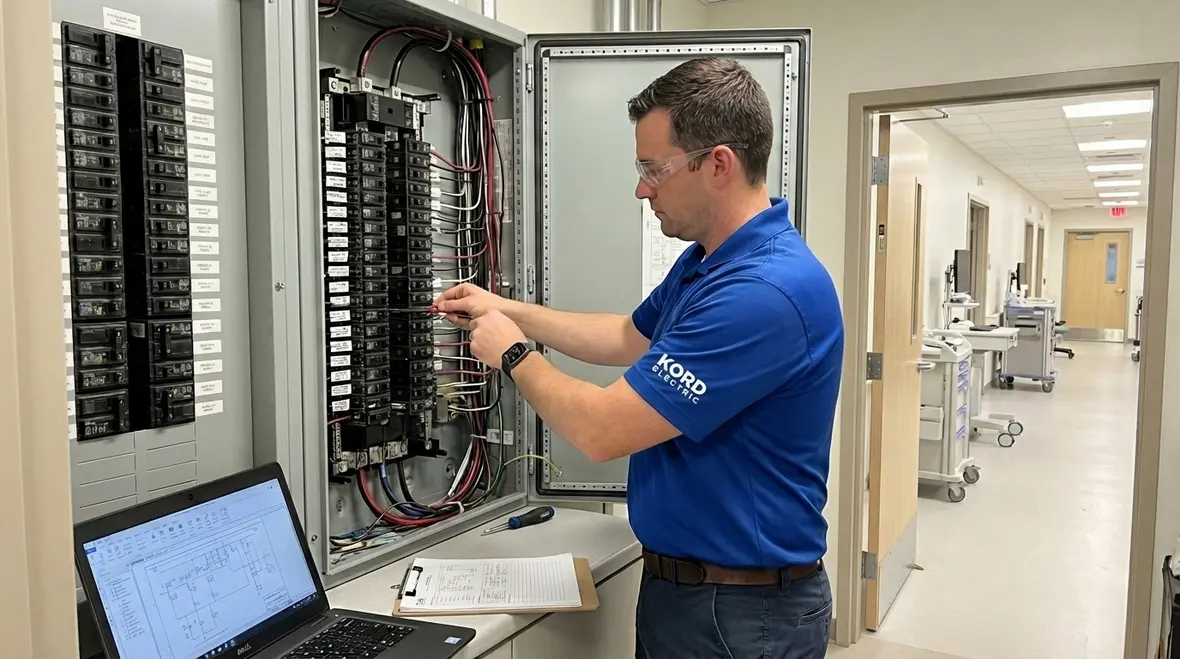
Kord Electric approaches upgrades with a clear strategy. First, they evaluate the current load and distribution system. Then, they identify gaps that may compromise safety or compliance. Finally, they design an upgrade plan that aligns with both present demands and future expansion. After all, no facility director wants to revisit the same electrical overhaul in three years because someone underestimated growth.
In large commercial clinics and medical buildings, even small inefficiencies can ripple outward. For example, overloaded panels may lead to nuisance tripping. That might sound minor, until it interrupts a diagnostic test halfway through. Therefore, upgrades often include panel replacements, transformer adjustments, and branch circuit expansions.
Additionally, their expert service staff take time to explain why certain changes matter. They walk facility managers through load calculations and code requirements in plain language. Think less textbook lecture, more calm voice saying, “Here is what this means for your building.” It is practical knowledge delivered without the headache.
How Do Electrical Upgrades Improve Compliance in Medical Facilities?
Compliance is not just a box to check. It is a system of safeguards designed to protect patients and staff. Electrical codes for healthcare settings demand specific grounding methods, emergency power integration, and separation of essential circuits. Therefore, upgrades must reflect those standards in every detail.
Kord Electric stays current with national and local regulations affecting large medical and healthcare properties. As a result, when they perform upgrades, they align installations with healthcare electrical standards and inspection requirements. This includes:
- Segregated critical and life safety branches
- Proper labeling and documentation
- Isolated ground receptacles in sensitive areas
- Coordination with emergency power systems
Furthermore, they document each stage of the project. Inspectors appreciate clarity. So do administrators. When a surveyor walks in, the last thing a facility manager wants is a mystery panel with unlabeled breakers. That kind of suspense belongs in a thriller movie, not in a hospital corridor.
By aligning upgrades with established compliance standards, they reduce risk and create a safer operational environment. That is not flashy. However, it is foundational.
Strengthening Infrastructure in Large Commercial Medical Buildings
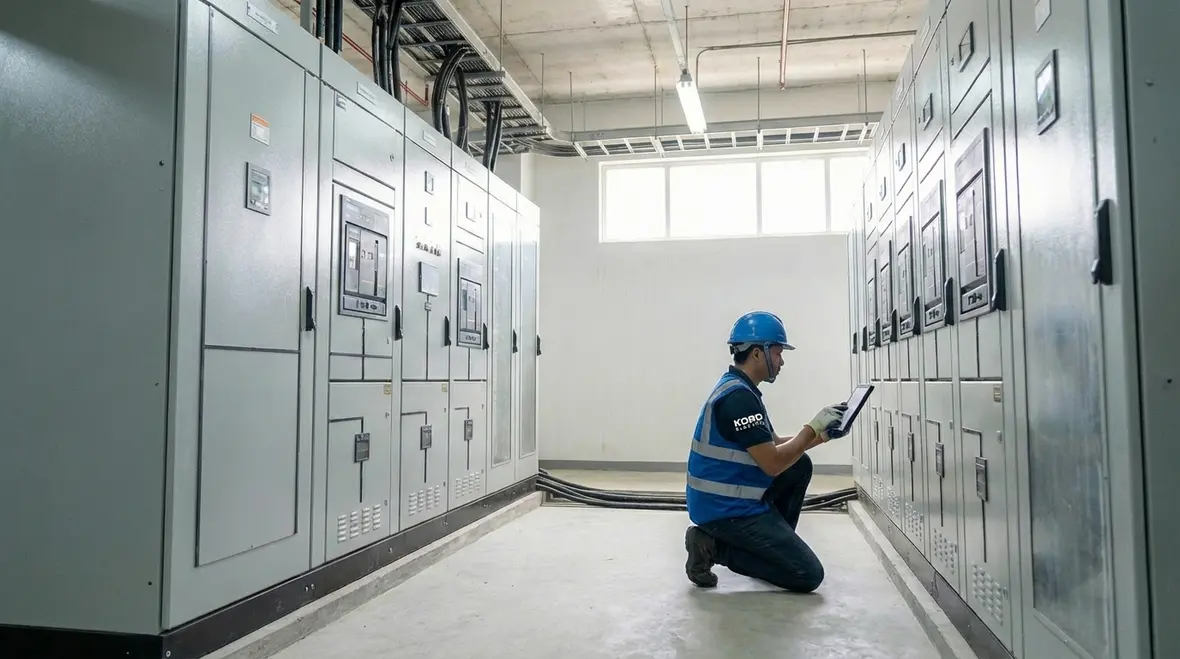
Major medical office buildings and healthcare campuses operate like small cities. They have laboratories, imaging suites, administrative offices, and specialized treatment zones under one roof. Consequently, their electrical systems must support varied loads with precision.
Kord Electric evaluates the backbone of the system first. This includes switchgear, distribution panels, and feeder lines. If these elements show strain or age related wear, they recommend modernization. Upgrading branch circuits without addressing main distribution is like putting racing tires on a car with a weak engine. It may look impressive, but it will not perform when pushed.
Moreover, they consider redundancy. In medical environments, downtime is more than an inconvenience. Therefore, they design systems with backup pathways and integration with generators or uninterruptible power supplies where required.
Their technicians also assess power quality. Voltage fluctuations and harmonics can damage sensitive imaging and laboratory equipment. As a result, upgrades may include surge protection, improved grounding, and harmonic mitigation. These improvements protect expensive assets and extend equipment life. In the long run, that translates to fewer emergency calls and more predictable budgets.
Modern Medical Wiring and Technology Integration
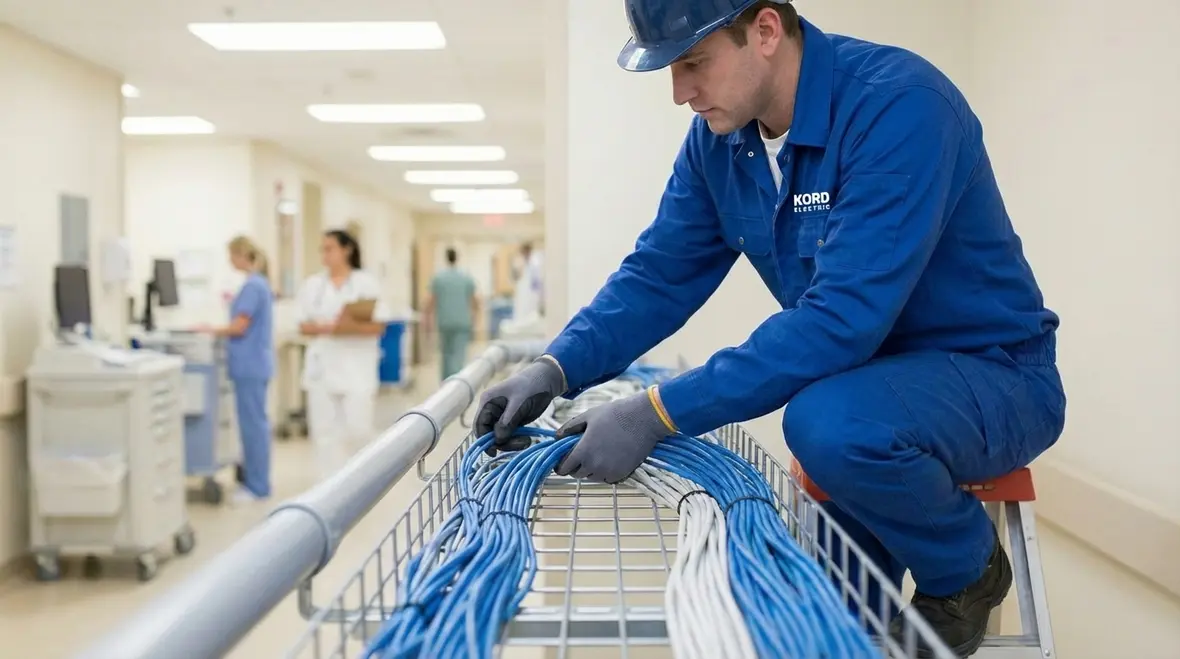
Today’s healthcare facilities rely heavily on interconnected systems. Electronic health records, imaging networks, security systems, and building automation all depend on stable power and structured cabling. Consequently, modern medical wiring must support both electrical and data needs.
Kord Electric coordinates power distribution with low voltage infrastructure in large commercial properties. They plan pathways carefully, separating sensitive data lines from high voltage runs to reduce interference. In imaging rooms, they account for shielding and dedicated grounding requirements. In laboratories, they ensure consistent power for precision instruments.
Additionally, they future proof installations. Technology evolves quickly. So, instead of designing only for today’s equipment, they consider tomorrow’s upgrades. Extra conduit capacity, scalable panel configurations, and thoughtful layout planning make expansion smoother later on.
Their expert service staff often explain these decisions during walkthroughs. They show property managers how thoughtful routing and labeling simplify maintenance. It is a bit like organizing cables behind a television. When done right, everything works and no one sees the chaos. When done poorly, well, you get a tangled mess that requires a flashlight and patience.
Inside a Medical Electrical Upgrade Project
Every successful upgrade follows a disciplined process. Kord Electric begins with a detailed site assessment. They review load data, inspect panels, and evaluate grounding systems. Then, they meet with facility leadership to understand operational schedules. After all, medical offices cannot simply close for a week because someone needs to swap a panel.
Next, they create a phased plan. Work often occurs during off hours to minimize disruption. Critical circuits receive temporary support where needed. Communication remains constant, because surprises belong at birthday parties, not in electrical rooms.
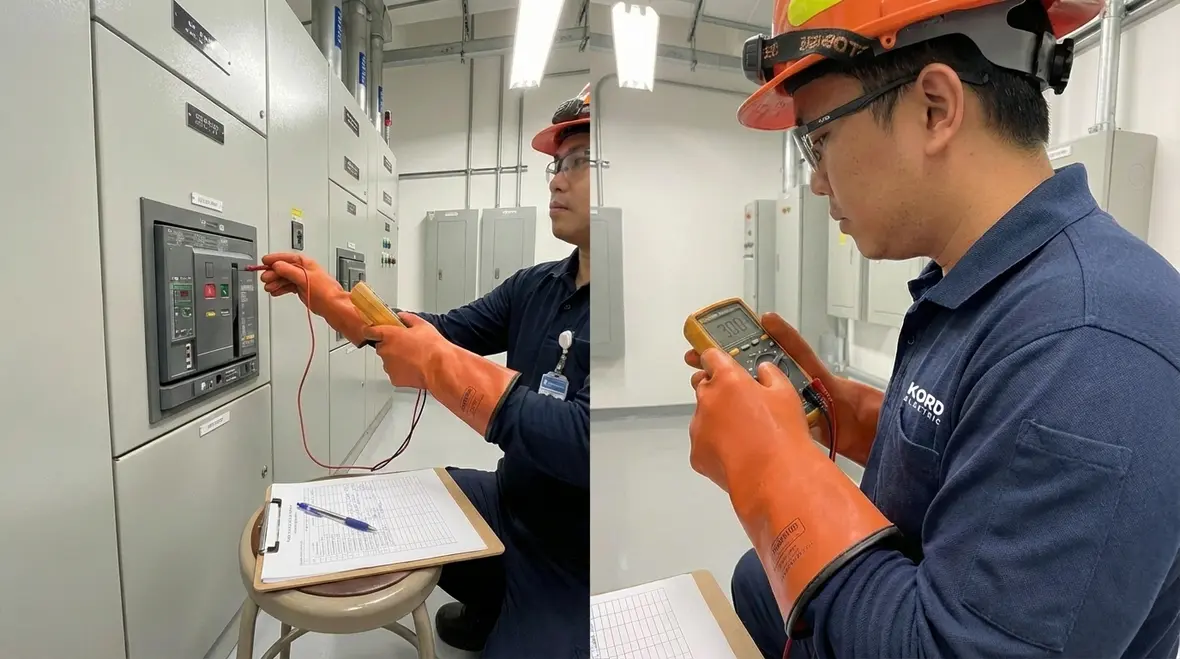
During installation, their technicians follow strict safety protocols. They verify lockout procedures and test circuits before energizing them. Furthermore, they coordinate with other trades in larger renovation projects. This teamwork ensures that electrical upgrades align with mechanical and structural changes.
Once installation is complete, they conduct thorough testing. They confirm load balancing, verify grounding continuity, and review documentation. Only after confirming performance do they consider the project finished. In medical facilities, “good enough” is not in their vocabulary.
Common Electrical Risks in Older Medical Offices
Many commercial medical properties operate in buildings that were designed decades ago. While the walls may look solid, the electrical infrastructure often tells a different story.
One frequent issue is undersized service capacity. As equipment demand grows, original service ratings may fall short. Consequently, breakers trip or panels overheat. Another concern involves outdated grounding methods. Without proper grounding, sensitive devices can malfunction or become unsafe.
Additionally, some facilities lack clear separation between critical and non critical loads. This can complicate emergency power distribution. Therefore, upgrades focus on reorganizing circuits and clearly identifying life safety branches.
Lighting systems also deserve attention. Older fixtures consume more energy and generate excess heat. Modern LED upgrades reduce load and improve illumination quality. While that may seem simple, improved lighting supports clinical precision and reduces strain for staff.
Kord Electric addresses these risks systematically. They do not patch problems temporarily. Instead, they recommend solutions that align with current safety standards and operational goals. That long term view saves money and prevents recurring disruptions.
Before Upgrade
Outdated panels near capacity
Limited surge protection
Inconsistent grounding
Minimal documentation
Higher risk of downtime
After Upgrade
Modern panels with expansion room
Integrated surge suppression
Verified grounding systems
Clear labeling and records
Improved operational stability
Partnering With Experts Who Explain Every Step
Large commercial and industrial medical facilities require more than technical skill. They require communication. Kord Electric understands that facility directors and property managers need clarity as much as they need reliable installations.
Their technicians and expert service staff take time to walk clients through recommendations. They explain load calculations, panel layouts, and compliance considerations without overwhelming jargon. As a result, decision makers feel confident approving upgrades that impact significant budgets.
Moreover, they remain available after project completion. Questions arise. Expansion plans evolve. Because of that, ongoing support matters. Kord Electric builds long term relationships with commercial property owners and healthcare administrators who value consistency and accountability.
In the end, electrical upgrades for medical offices are about trust. Patients trust providers. Providers trust their facilities. Facilities, in turn, trust the professionals who keep the power steady. It is a chain of reliability, and every link matters.
Frequently Asked Questions
Powering the Future of Healthcare Facilities
Electrical systems in medical buildings carry enormous responsibility. They support diagnostics, treatment, research, and daily operations. Therefore, thoughtful upgrades protect more than infrastructure. They protect people.
Kord Electric serves large commercial and industrial medical properties with precision and care. Their team evaluates, explains, upgrades, and verifies every system with a steady hand and a clear plan. If your facility demands reliable performance and code aligned solutions, it is time to work with professionals who treat power as a mission critical service. Contact Kord Electric and move your medical facility forward with confidence.
For specialized projects that involve critical care spaces, diagnostic imaging suites, or complex medical office build-outs, partnering with a contractor who understands both medical wiring and compliance is essential. Align your next project with an experienced team that respects every circuit as part of the larger standard of care your facility provides.