NFPA 70 Section 695.7 Fire Pump Power Wiring Guide
Kord Electric steps into the electrical world with a simple promise: we help commercial and industrial facilities stay safe, compliant, and reliable. In this article, we focus on the rules that govern fire protection power systems, including NFPA 70 Section 695.7 fire pump power wiring. We explain how this wiring approach supports proper operation when a fire pump must run in real time. After all, when the alarm rings, nobody wants electricity behaving like a reluctant sitcom character. It should do its job, immediately.
We also lean on what our technicians and expert service staff know from the field, not just code books. And yes, we read code books too. We just treat them like blueprints for real life, not like bedtime reading. So, let us guide you through what matters for 2026 updates, installation practices, common failure points, and practical compliance steps for major property buildings.
Why NFPA 70 and fire pump power wiring matters for buildings
Fire pump systems do not “sort of” work. They either perform on demand or they fail when time matters most. That is why the National Electrical Code has dedicated sections for fire pumps and their power supply. When your facility depends on those systems, you cannot treat electrical design as a generic project with a generic checklist.
In our experience at Kord Electric, commercial and industrial sites usually face one of two problems. Either the design did not account for how the fire pump actually starts under load, or the wiring details were left to assumptions during construction. Then, months later, someone asks why the system did not behave like the plan. Meanwhile, the fire pump remains faithful, but the electrical path does not.
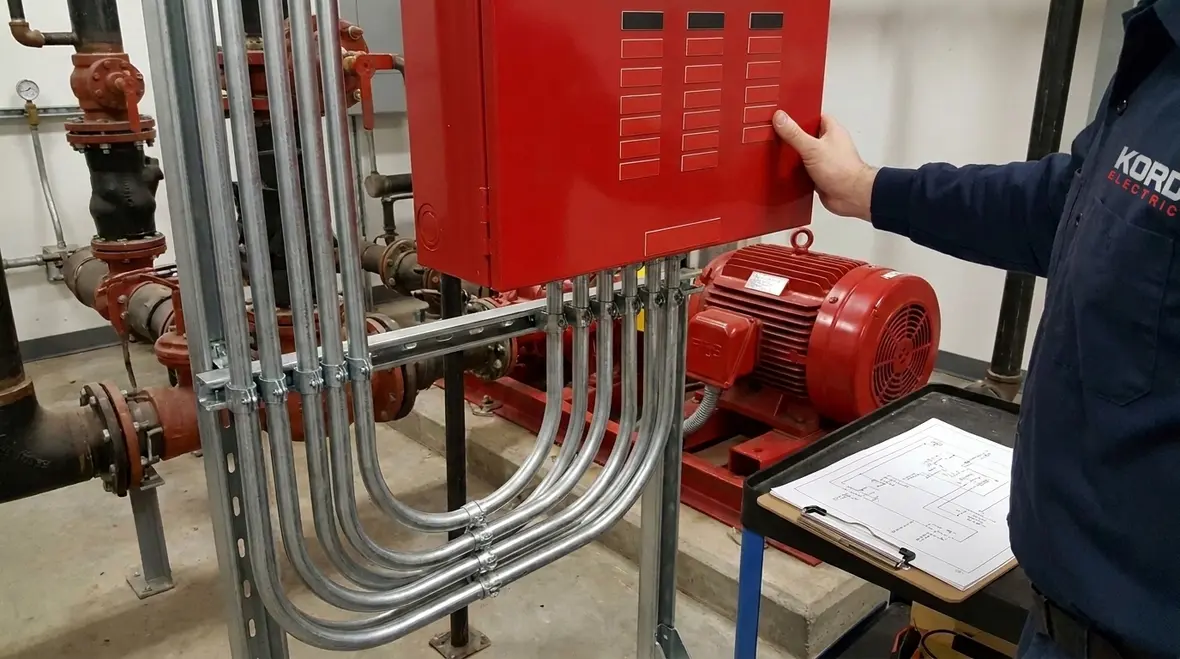
To keep performance dependable, standards such as NFPA 70 Section 695.7 fire pump power wiring establish how power conductors, connections, routing, and protection should be handled. Because when a fire pump must run, the electrical supply must stay available, stable, and correctly arranged from the start.
How Section 695.7 shapes installation choices in the field
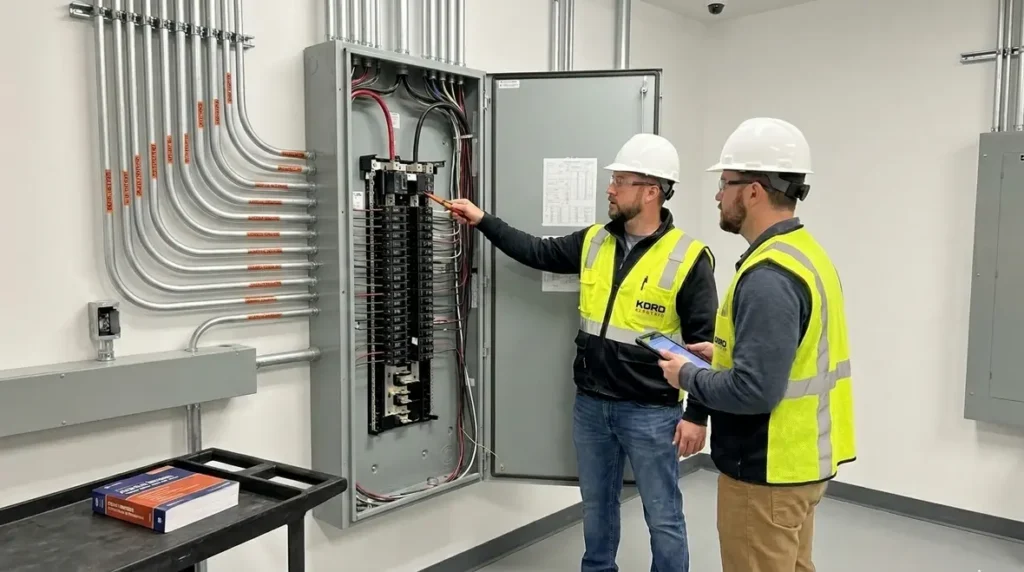
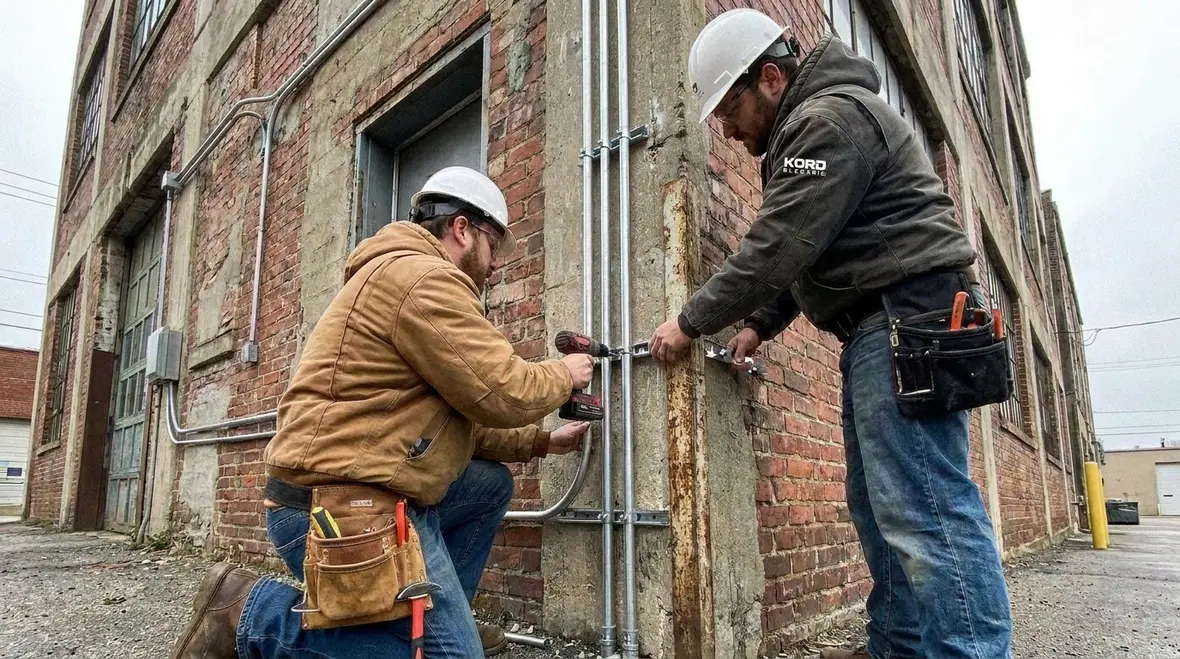
Our expert service staff often tells clients the same thing: the code is not written to be mysterious. It is written to prevent failures. In practice, NFPA 70 Section 695.7 fire pump power wiring drives several installation decisions that affect real outcomes, especially for commercial and industrial environments where reliability expectations are high.
First, we help teams treat wiring methods and physical protection as performance factors, not just compliance items. Next, we review how the electrical path supports operation during fire conditions. Then, we verify that installers maintain correct labeling, connection quality, and routing discipline.
From our side, we also see a pattern. When projects move fast, crews sometimes rush transitions, skip documentation, or allow contractor substitutions without confirming impact on code requirements. That is where we step in. Our technicians explain what needs to stay consistent, and why the electrical route must support the system’s duty under emergency conditions.
- Routing discipline: we support layouts that reduce risk and avoid unnecessary changes that complicate inspection and future service.
- Termination quality: we ensure terminations meet the standard and hold under operating conditions.
- Protection strategy: we confirm protection choices align with the intended wiring setup and do not undermine continuity.
- Coordination: we help electrical scope match the fire pump control and system design so the whole system works, not just the pump motor.
And if you think this sounds intense, you are right. But fire pump electrical supply is not the place for “good enough.” It is the place for good engineering.
Wiring design details that affect performance during demand
Now we zoom in on the wiring details that can make a fire pump behave correctly or incorrectly. In many major property buildings, the system depends on a stable power supply, correct conductor sizing, and reliable connections at every transition point. Even when the fire pump equipment itself is strong, electrical issues can still interrupt operation.
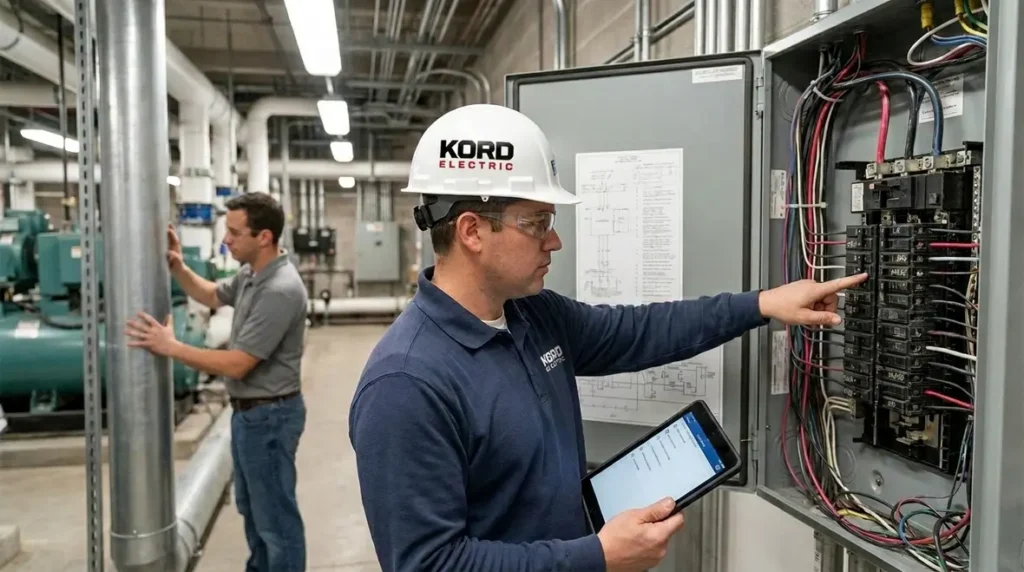
When our technicians review a job, we do not stop at “installed.” We look for how installed components perform as a system. That includes how conductors run, how they connect, and how those connections hold up to the realities of a commercial environment.
First, we consider how voltage drops and load behavior can affect starting performance. Then, we validate that the wiring plan accounts for the conditions the system must face. Finally, we confirm that the electrical supply stays dependable during emergencies.
What we check during commissioning and service reviews
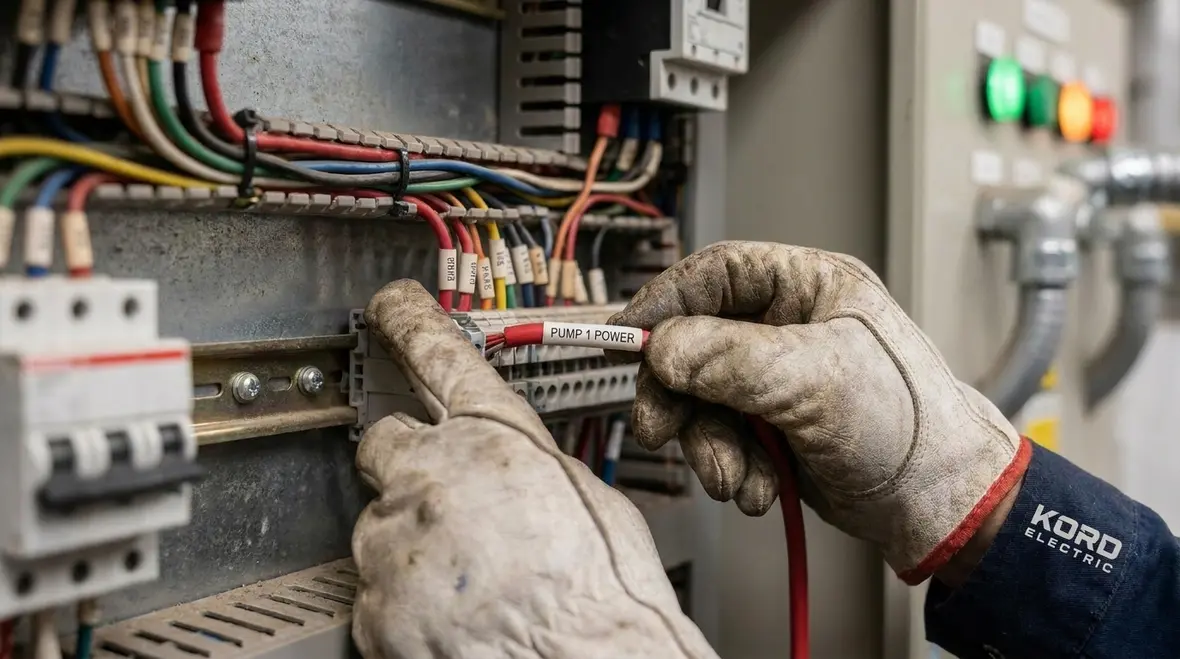
Electrical path and continuity
- Correct conduit and wiring method choices
- Reliable routing that supports inspection access
- Solid termination practices
- Verification of labeling and documentation
System behavior under emergency use
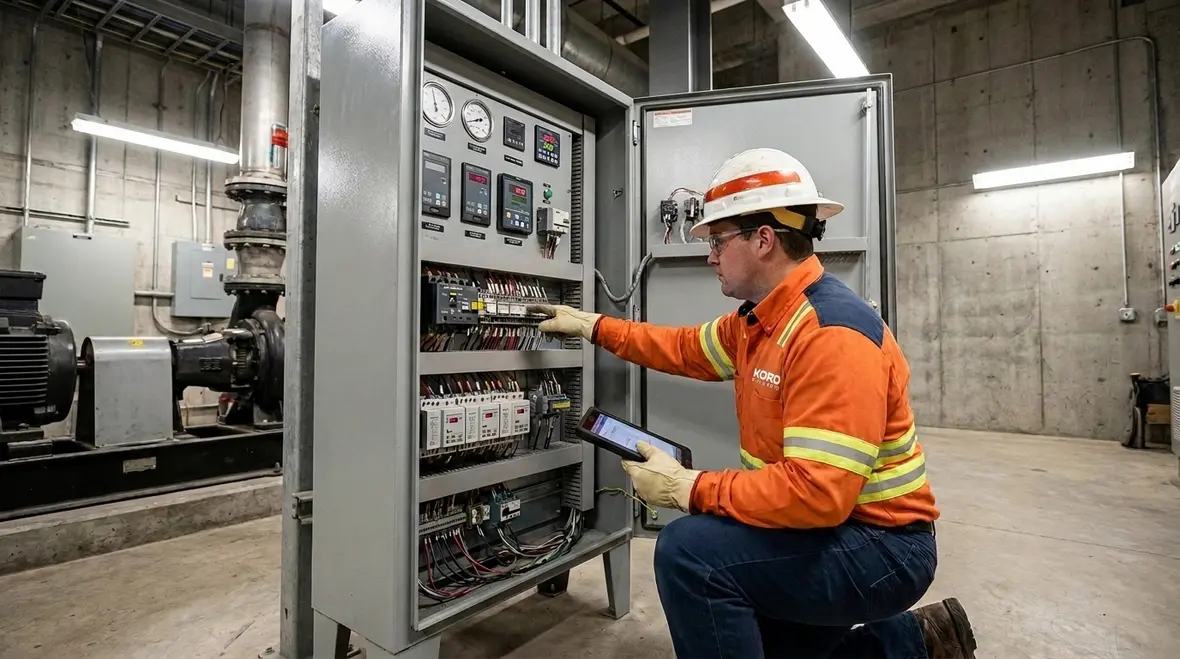
- Coordination with pump controls
- Support for proper start and load transfer
- Protection without sacrificing emergency readiness
- Clear field readiness for technicians
We also remind teams that code compliance and real-world performance go together. One without the other can still leave you with surprises. And surprises are fun in movies, not in fire protection systems.
Meeting 2026 expectations while keeping projects practical
Facility teams often worry about changing requirements, especially when the project timeline feels tight. However, the best path forward is not panic. It is planning. We help commercial and industrial clients build a compliance approach that stays practical while aligning with the direction of the NEC for 2026.
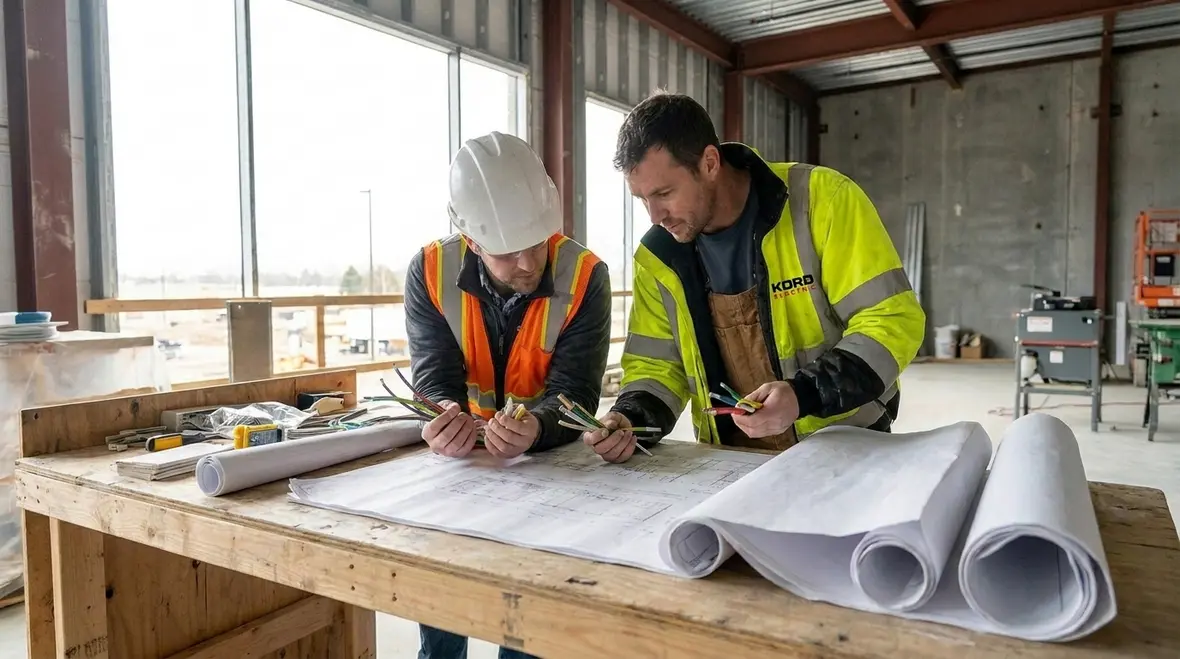
In our process, we start by understanding what the facility needs from the fire pump system, then we map the wiring requirements to the actual build plan. That means we coordinate early with electrical contractors, fire protection teams, and owners’ representatives. When everyone works from the same wiring intent, fewer issues show up during inspections and acceptance testing.
We also explain tradeoffs in plain terms. For example, a wiring plan may look simple on paper, yet still create future service barriers if routing access is poor. So, we aim for solutions that meet code intent and stay service friendly. After all, if a future technician has to wrestle with a maze to find a connection, your “maintenance plan” turns into a mini obstacle course.
To support this work, we lean on reliable references and expert industry guidance. We take direction from the NEC explanations published by our related resources, and we keep context from fire pump education sites such as firepumps.org. We also align with the broader understanding shared in code-focused content from our teams and partners, including kordfire.com and regional guidance from kordfire.com.au. And yes, we keep the conversation grounded in how commercial sites operate.
If you want a deeper dive into how the rulebook fits together, Kord Electric also maintains a broader NEC education series, including articles like their practical primer on reading NFPA 70 for commercial and industrial buildings and their 2026 NEC application requirements guide, which connect neatly with the fire pump perspective in this article.
Common mistakes we see with fire pump power wiring
When we show up for troubleshooting, we typically find that the wiring problem started earlier. Maybe someone substituted a component without confirming it still matched the code intent. Maybe conductors were routed with poor protection discipline. Or maybe the wiring was installed correctly, but connections were not finished with the care the system demanded.
Our technicians explain these risks clearly so teams can prevent them early. Because the cost of a correction after installation is always higher than the cost of doing it right while the project is still open. And nobody wants to pay for “fix-it later” when the goal was compliance from day one.
Here are some mistakes we commonly address in commercial and industrial facilities:
- Rushed termination and connection work: weak terminations can cause failure under emergency demand.
- Uncoordinated routing changes: what seems minor in the field can affect protection and inspection alignment.
- Documentation gaps: missing or unclear labeling makes future testing and service slower and riskier.
- Assuming the pump is the only critical item: the power path must match the system duty, every time.
- Protection choices that undermine emergency readiness: we confirm protection does not create a shutdown risk.
We also see a less obvious error: crews sometimes treat these systems like “special equipment, special rules” but do not apply that care consistently across the entire electrical path. That is how small gaps turn into big problems. In other words, do not let the fire pump become the hero while the wiring plays the villain.
FAQ for facility teams and building owners
Trusted support from Kord Electric, built for major properties
If you manage a commercial or industrial facility, you already know the stakes are real. We at Kord Electric help you plan, install, review, and support fire pump electrical systems with care and clarity. Our technicians explain the “why” behind the wiring decisions, so your team understands what we do and why it matters. If you want a reliable electrical path for emergency operation, contact us now to schedule a service review and move your project forward with confidence.
For facilities in Southern California and the surrounding region, Kord Electric’s Los Angeles County electrical services bring that same disciplined approach to broader commercial electrical design, upgrades, and maintenance, so your fire pump wiring, normal power, and emergency systems all work together as one reliable network.
Next steps: connect NFPA 70 insights to your real project
If this guide helped clarify how NFPA 70 Section 695.7 fire pump power wiring fits into your building’s bigger electrical picture, the next step is to look at your own drawings, one-line diagrams, and existing installations. Whether you are planning new construction, preparing for a major renovation, or reviewing legacy infrastructure, Kord Electric’s team can help you tie together NEC guidance, fire pump performance, and long-term reliability.
Conclusion
Fire pump systems demand more than a checkbox approach. They require wiring that is designed, installed, and maintained with the same seriousness as any other life safety system. By treating NFPA 70 Section 695.7 fire pump power wiring as a practical roadmap instead of a distant rulebook, facility teams can keep people safer, inspections smoother, and operations more resilient when emergencies test the system for real.
Kord Electric is ready to help you align your fire pump power wiring with 2026 NEC expectations, integrate those decisions into your broader commercial electrical strategy, and make sure the path from service to pump behaves exactly the way it should when the alarm sounds.