Power Equipment Audit Systems Assess Commercial Electrical Infrastructure
Power Equipment Audit Systems: How to Assess Commercial Electrical Infrastructure
At Kord Electric, we approach a commercial power challenge with calm, methodical clarity. We use Power Equipment Audit Systems: How to Assess Commercial Electrical Infrastructure to map what your facility has, what it does, and what it will do when the load shifts at the worst possible time. Others may bring a flashlight, point at a panel, and call it a day. We do not. We build a clear picture of your electrical infrastructure so you can plan repairs, upgrades, and energy decisions with confidence.
And yes, we know audits can sound as thrilling as watching paint dry. However, when a facility loses power, the downtime costs more than any “boring” checklist. Therefore, we focus on commercial and industrial facilities and major property buildings where reliability matters and the stakes are real.
Why commercial electrical audits prevent expensive surprises
In our experience, power failures rarely announce themselves with a dramatic villain laugh. They usually show up as small warning signs that get ignored. For example, equipment runs hotter than normal, breakers trip more often, harmonics creep upward, or voltage dips appear during peak usage. Then, one day, the building behaves like a bad streaming service: buffering, dropping, and refusing to load the basics.
Our technicians and expert service staff explain what they see in plain language, and they connect each finding to likely causes. Meanwhile, we document how the facility operates under real conditions, not guesswork. As a result, the audit becomes a tool for risk reduction, not a report nobody reads.
Also, commercial sites often have multiple loads that interact, such as HVAC, lighting, production equipment, pumps, and elevators. When those loads overlap, the electrical system can strain. Therefore, the audit must cover more than one piece of equipment. It must trace relationships across the power path.
What we inspect first across the power chain
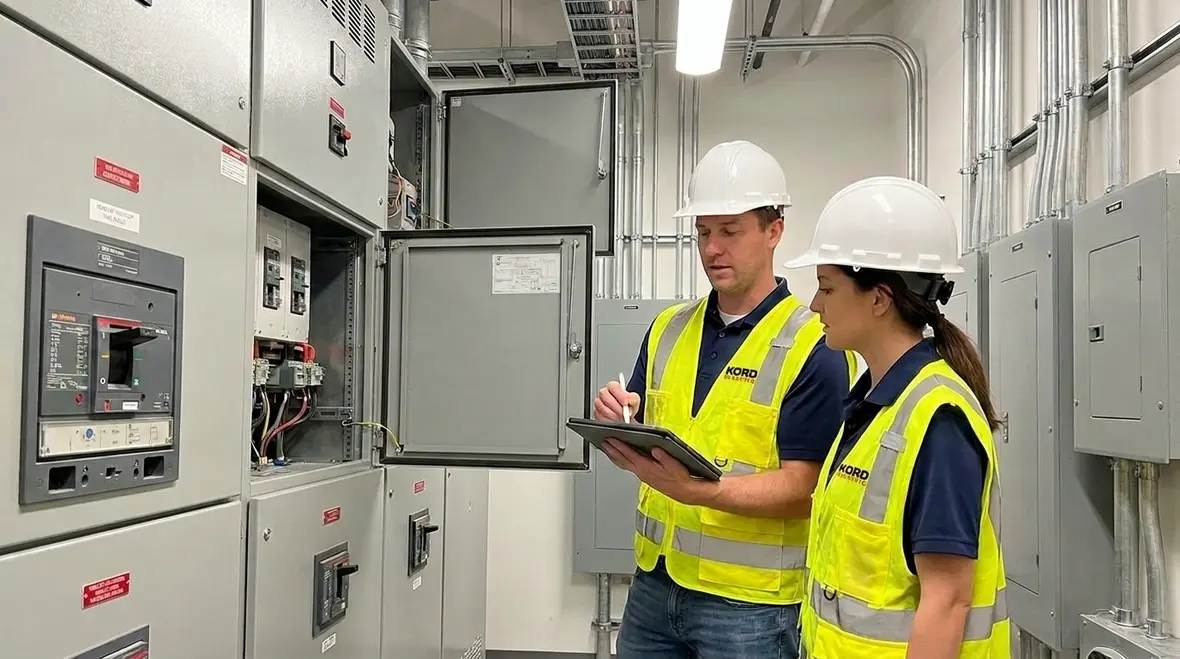
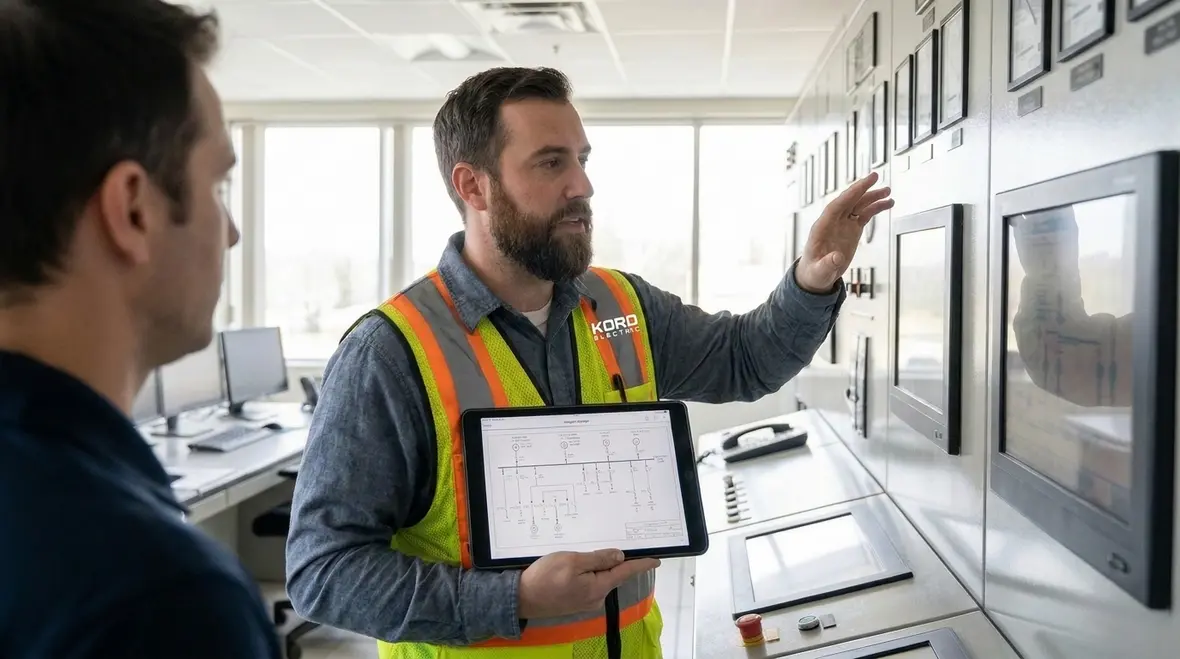
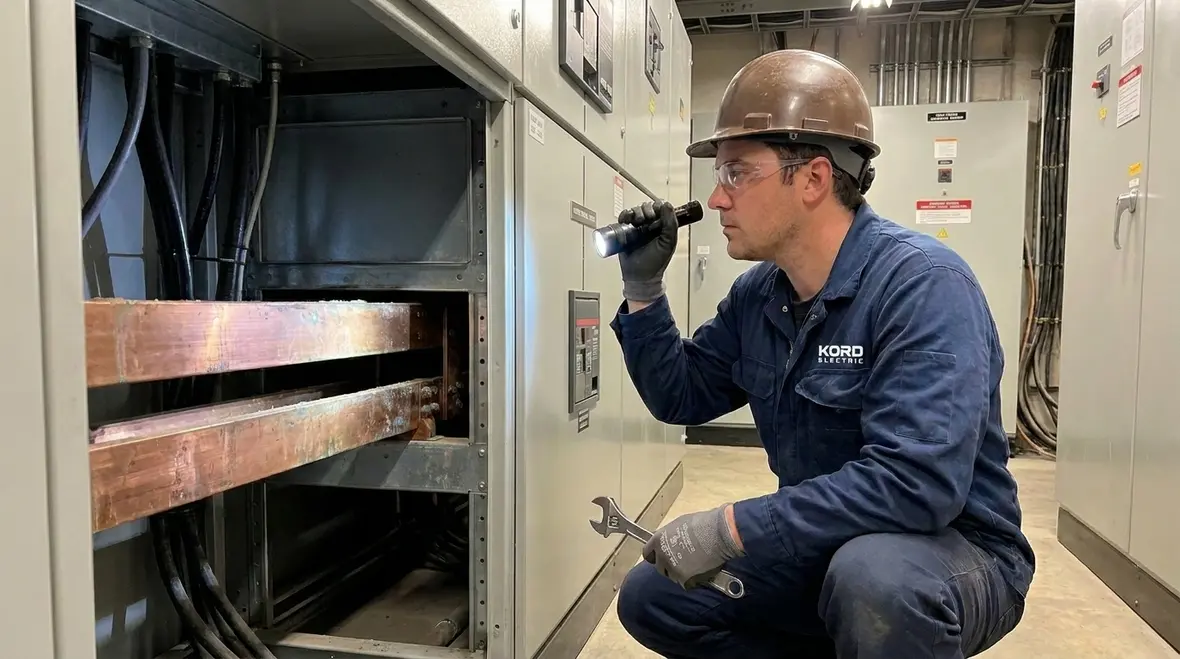
Every facility has its own quirks, but the process stays disciplined. We start by understanding your one line diagram, available documentation, and operating schedule. Next, we inspect the main power distribution and work forward, because that is where problems hide. A weak connection at the wrong point can create heat, loss, and sudden failure.
Our team typically focuses on these areas during a commercial and industrial power evaluation:
- Service entrance and main switchgear for signs of wear, loose hardware, or abnormal condition
- Transformers for thermal patterns, oil or insulation concerns, and loading behavior
- Switchboards and panelboards including bus bars, feeders, and breaker conditions
- Bus connections that can loosen over time from heat cycling and vibration
- Grounding and bonding because safety depends on it and performance follows it
- Cabling and terminations since failure often begins where work was done, not where the trouble is observed
Then, we use field measurements to confirm what the eye can only suggest. In other words, we do not replace inspection with numbers. We combine them.
Why methodical inspection matters more than quick guesses
Fast walkthroughs may feel efficient, but they rarely reveal how a system behaves when production ramps up, seasons change, or tenants add new loads. A structured inspection, backed by data and experienced technicians, connects those dots. It is the difference between spotting a loose lug and understanding how that loose lug will behave at peak summer demand.
How we build the audit system from data, not guesswork
A strong audit system uses a structured method so we do not chase random symptoms. We collect information in a sequence that makes sense for commercial sites and major property buildings, where uptime matters and access must be planned.
First, our expert service staff gathers historical details: prior maintenance, equipment nameplate data, any breaker replacement events, and known nuisance trips. Then, we add current observations from the field. After that, we measure key electrical factors that reveal stress before failure.
Depending on your facility and utility setup, we may evaluate electrical performance such as:
- Voltage levels and stability across operating modes
- Load behavior during peak and transitional periods
- Harmonics and power quality that can overheat equipment and reduce efficiency
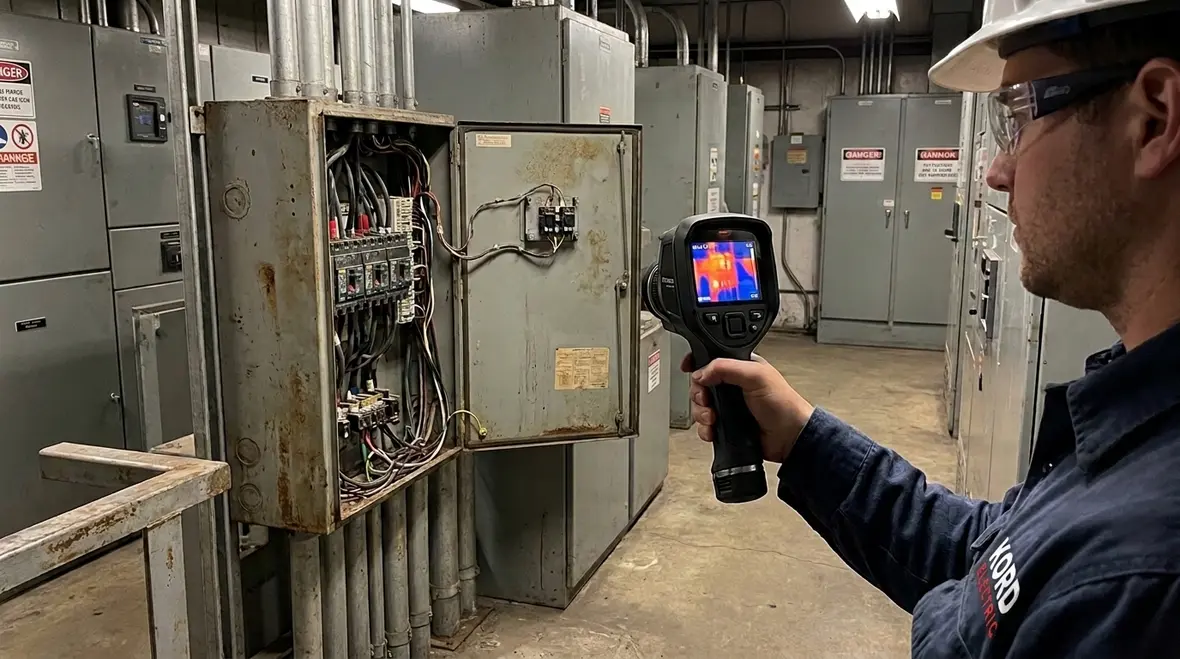
- Thermal indicators that show where heat is building
- Protective device coordination so trips match the right fault conditions
Next, we analyze how these results align with the facility’s one line design and real usage. Therefore, you get more than a list of issues. You get a path to decisions.
And if you are thinking, “We already have maintenance tickets,” we get it. Maintenance tickets track problems after they appear. Our audit aims to prevent problems from becoming disasters that your staff has to explain to leadership at the worst time possible.
Turning raw measurements into a practical roadmap
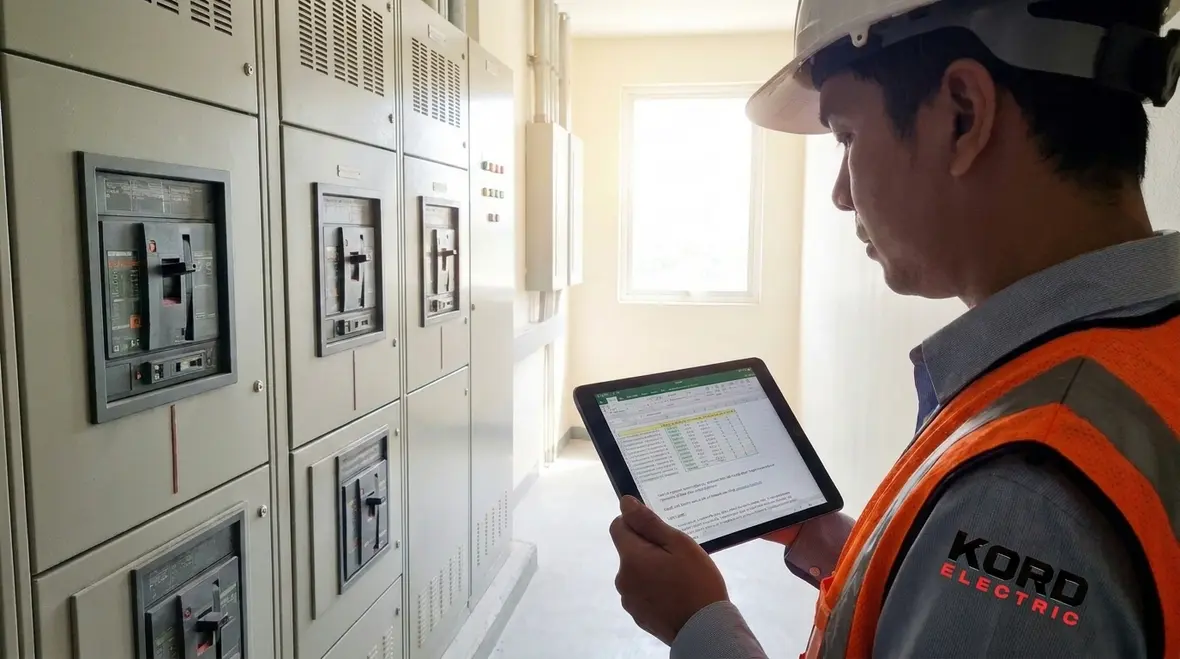
Data without context just clutters your inbox. During a Power Equipment Audit Systems: How to Assess Commercial Electrical Infrastructure review, we link each measurement to where it lives in the power chain, what equipment it affects, and how it behaves over time. That is how a kW reading turns into a scheduling change, or a thermal hotspot turns into a targeted repair instead of a surprise outage.
What Power Equipment Audit Systems reveal about risk and cost
When we use Power Equipment Audit Systems: How to Assess Commercial Electrical Infrastructure, we do not just identify failing parts. We identify the chain of conditions that can turn a minor concern into a major outage. We then translate those risks into practical next steps.
Here is how our process typically maps findings to outcomes:
- Reliability risk when components show abnormal thermal patterns or degradation signs
- Safety risk when grounding, bonding, or termination quality falls outside good practices
- Efficiency loss when power quality issues drive unnecessary heating and energy waste
- Operational impact when protective devices behave unpredictably or coordination is off
- Future capacity limits when current equipment struggles with growth plans
Then, we help decision makers understand tradeoffs. For example, replacing a component might solve a symptom, but upgrading coordination or connections might fix the root cause. In many cases, targeted repairs provide better returns than broad, expensive replacements.
We also respect your reality. Facilities do not pause production just because a surveyor shows up. So we plan our recommendations in a sequence that supports scheduling, parts lead times, and downtime limits.
Linking audit insights to long term reliability
A well-structured audit is not a one-time snapshot. It becomes the baseline for future maintenance, upgrades, and expansions. When you combine these findings with preventive service and planning, your power system starts behaving like a documented, predictable asset instead of a mystery that only speaks up when something fails.
How our technicians explain findings in plain business language
One reason clients trust Kord Electric is how we communicate. Our technicians and expert service staff explain what the data means, and they do it without turning the room into a science lecture. We translate test results into facility impacts: overheating, nuisance trips, reduced service life, and the kind of failure modes that create real costs.
To keep things clear, we present findings with a structure that leaders can use. We prioritize by severity and by how quickly an issue could affect uptime. Then we show what actions reduce risk the fastest and most safely.
As a calming example, if a panel shows signs of heat stress, we explain why connections can loosen, why load changes accelerate wear, and how a corrective plan prevents repeat issues. Meanwhile, we suggest verification steps so the fix holds up after the next seasonal demand shift.
And yes, sometimes we make light jokes. Not because this stuff is funny, but because anxiety makes people miss details. If your electrical system is the heart of your facility, we treat the diagnosis seriously and the conversation respectfully.
Keeping teams aligned from the field to the boardroom
Facility managers, operations leads, and executives do not all need the same level of technical detail. During our Power Equipment Audit Systems: How to Assess Commercial Electrical Infrastructure review, we tailor the message for each audience. Field teams receive specific steps, while leadership sees risk levels, cost ranges, and scheduling options they can approve without guessing.
Next steps after the audit: a plan you can schedule
After the field work and analysis, we help you move from report to action. First, we confirm the most critical issues that need attention to protect uptime and safety. Then, we recommend a phased plan so you can coordinate with facility operations, procurement, and budgets.
In many commercial and industrial environments, the best plan includes:
- Corrective maintenance such as tightening connections, repairing terminations, or replacing degraded parts
- Targeted upgrades to improve power quality, reduce stress, or enhance protection and coordination
- Operational adjustments when load sequencing or scheduling affects voltage stability and equipment loading
- Follow up verification to ensure changes achieved the intended electrical improvement
We also help you align the recommendations with how your facility runs. Therefore, your team can plan maintenance windows and minimize disruption. Plus, because major property buildings often include multiple stakeholders, our approach keeps communication steady and expectations clear.
Connecting audits with preventive maintenance and energy strategy
An effective audit feeds directly into preventive maintenance, capital planning, and even energy management. For example, when we identify overloaded panels, inefficient equipment, or hidden voltage issues, we can coordinate with broader initiatives such as smart building energy management or commercial EV charging projects so improvements happen once, in the right order, instead of piecemeal.
Leaning on regional expertise in Los Angeles County
For facilities across the region, pairing a structured power audit with dedicated Los Angeles County electrical services for commercial and industrial sites keeps maintenance, upgrades, and troubleshooting aligned under one coordinated strategy. That way, each repair or project builds on a clear understanding of your infrastructure instead of starting from scratch.
Related insight: how audits support broader facility strategies
If you manage a portfolio of properties or a complex facility, it can help to see how similar evaluations support other initiatives. For example, a detailed commercial facility power review can align with energy management, EV charging plans, and critical power protection so all projects pull in the same direction instead of conflicting with each other.
To go deeper on how structured assessments support long term reliability, you can also explore how a comprehensive commercial facility power audit connects field findings, preventive maintenance, and future expansion plans into one roadmap your team can actually use.
FAQ
Call Kord Electric for a calm, thorough power plan
If your facility runs on tight timelines, we can help you stay ahead of electrical risk instead of chasing failures. Kord Electric brings structured Power Equipment Audit Systems: How to Assess Commercial Electrical Infrastructure, plus expert technicians who explain each finding in plain terms. We serve commercial and industrial facilities and major property buildings, and we build phased recommendations you can schedule.
Whether you are troubleshooting chronic issues, planning a major upgrade, or simply want a clearer picture of how your power system behaves under real load, our team connects field data, documentation, and scheduling into one practical plan. We also integrate your audit with regional support through dedicated Los Angeles County electrical services so your system stays aligned from today’s fixes to tomorrow’s expansions.
Contact us today to start an audit and secure your uptime with a plan that makes sense for your operations, your budget, and your future projects.
As you plan your next steps, remember that a power audit is not just about finding what is wrong. It is about documenting what is working, clarifying how your infrastructure behaves, and building a roadmap so every future decision about upgrades, energy use, and expansion stands on solid electrical ground.