Power Outage Troubleshooting for Commercial Facilities
Power Outage Troubleshooting Guide for Commercial and Industrial Facilities
When the lights cut out in a commercial tower or a manufacturing plant, silence can feel louder than any alarm. Elevators pause. Production lines stall. Servers blink into darkness. In those moments, clear thinking matters more than panic. That is why Kord Electric approaches power outage troubleshooting with a steady hand and a methodical plan. Within the first few minutes of any outage, their technicians assess risk, isolate the source, and protect critical systems. This guide explains how they do it, why each step matters, and how facility managers can respond with confidence while expert help is on the way.
Because in large properties, power loss is never just an inconvenience. It is a chain reaction. And like any chain reaction, it can be controlled with the right knowledge.
Understanding the Real Impact of a Power Failure
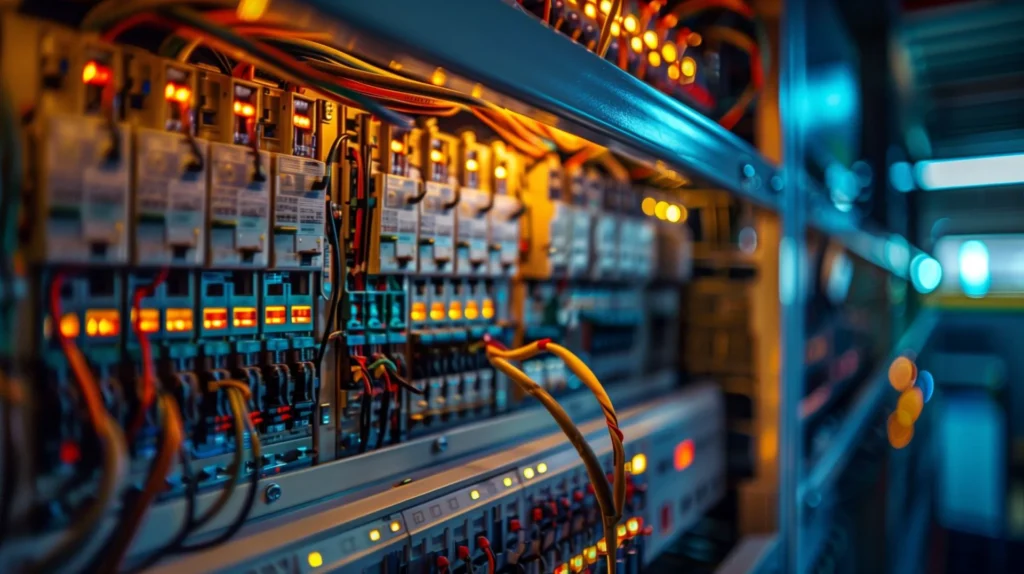
First, it helps to recognize what is truly at stake. In commercial and industrial settings, a blackout affects far more than lighting. Security systems, fire alarms, access controls, refrigeration units, data centers, and automated machinery all rely on steady electrical flow. Therefore, every minute without power can translate into financial loss, safety concerns, or compliance risks.
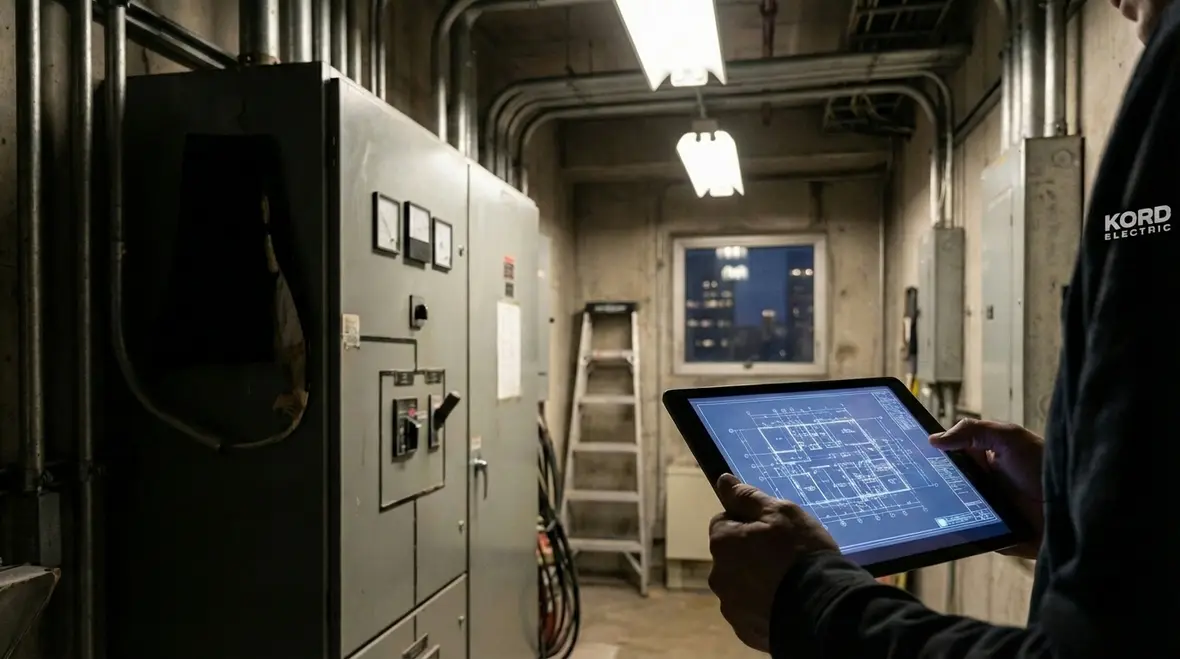
Kord Electric trains its service staff to look beyond the obvious. While someone might focus on a dark hallway, their technicians consider load distribution panels, backup power transfer switches, and surge history. In addition, they review the building’s electrical drawings to understand how circuits interact. This broader view allows them to identify whether the outage stems from a localized breaker issue, a feeder line fault, or a utility side disruption.
Moreover, commercial properties often house multiple tenants or departments. As a result, a single failure can affect several operations at once. By contrast, a quick and structured response reduces confusion and keeps communication clear. And yes, while it might feel like the opening scene of a disaster movie, most outages have practical, traceable causes. No aliens required.
For facilities that struggle with unstable power even when the lights are technically “on,” issues like voltage swings and recurring flicker can be early warning signs. Pairing outage response with a long view of power quality helps avoid repeat disruptions and equipment damage over time.
If your operation regularly battles nuisance trips or unexplained shutdowns, it may be worth exploring how broader electrical reliability services tie into your outage strategy. For example, Kord Electric’s work with voltage fluctuation diagnostics and repair can complement emergency response by stabilizing the system before the next storm, surge, or utility event tests it again.
Step by Step Power Outage Troubleshooting Process
Kord Electric follows a deliberate sequence during power outage troubleshooting. Each step builds on the last, ensuring no detail is overlooked.
First, they confirm the scope of the outage. Is the entire facility dark, or only one wing? Because this distinction narrows the search area immediately, it saves valuable time.
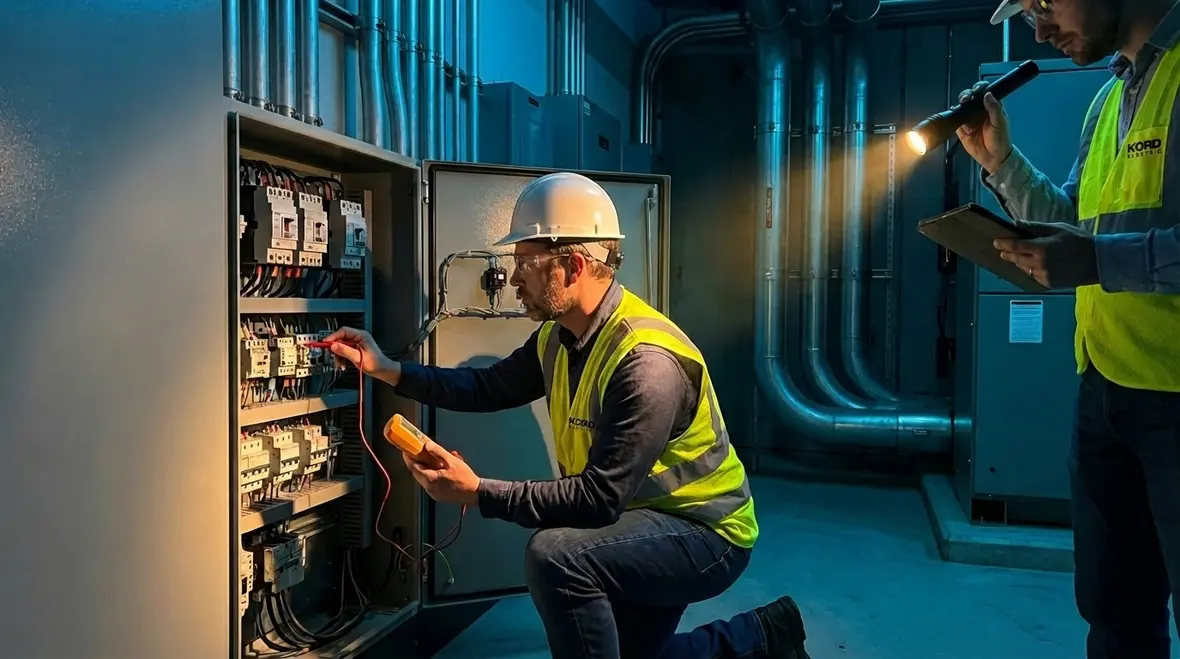
Next, they inspect the main electrical panel and distribution boards. Tripped breakers, blown fuses, or visible signs of overheating provide immediate clues. However, experienced technicians know that resetting a breaker without investigation can mask deeper issues. Therefore, they examine load conditions before restoring power.
After that, they evaluate upstream components. This includes transformers, switchgear, and automatic transfer switches. If a building uses backup generators, they check fuel supply, battery condition, and control settings. Meanwhile, they coordinate with the utility provider when evidence points outside the facility.
Finally, once power returns, they test circuits under load. Because restoration is only half the job, confirming stability prevents repeat failures. In other words, they do not simply flip a switch and hope for the best. They verify, document, and advise.
That methodical approach to power outage troubleshooting looks different in a data center than in a warehouse or high-rise, but the principle is the same: define the problem clearly, test from the safest and most likely points of failure outward, and avoid turning equipment back on until you know why it went off in the first place.
What Facility Managers Should Check First
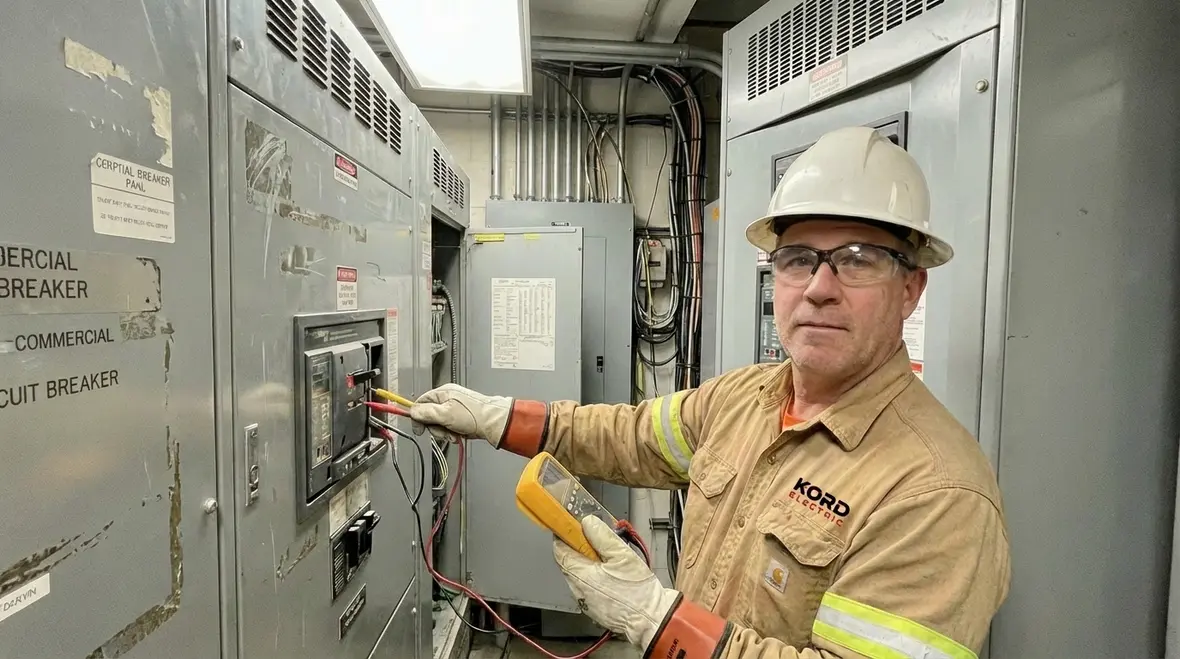
Although major diagnostics require licensed professionals, facility teams can perform safe preliminary checks. However, safety always comes first. If there is smoke, burning odor, or exposed wiring, the area should be cleared immediately and professionals contacted.
For manageable situations, managers can:
- Confirm whether the outage affects the entire building or specific zones
- Check for tripped breakers without forcing them back on
- Look at digital meters or building management systems for alerts
- Verify whether nearby properties are also without power
- Ensure critical systems such as emergency lighting activate properly
Because time is critical in commercial environments, these early observations help Kord Electric’s technicians arrive prepared. In fact, when clients provide clear details, resolution often accelerates. Think of it as giving a detective the right clues before the investigation begins.
It is also helpful to document how often outages, flicker, or unexplained resets occur. If your building repeatedly experiences power dips or intermittent failures, you are not just dealing with a single bad day; you are gathering evidence that a deeper electrical reliability project is overdue.
Common Causes Behind Commercial Electrical Failures
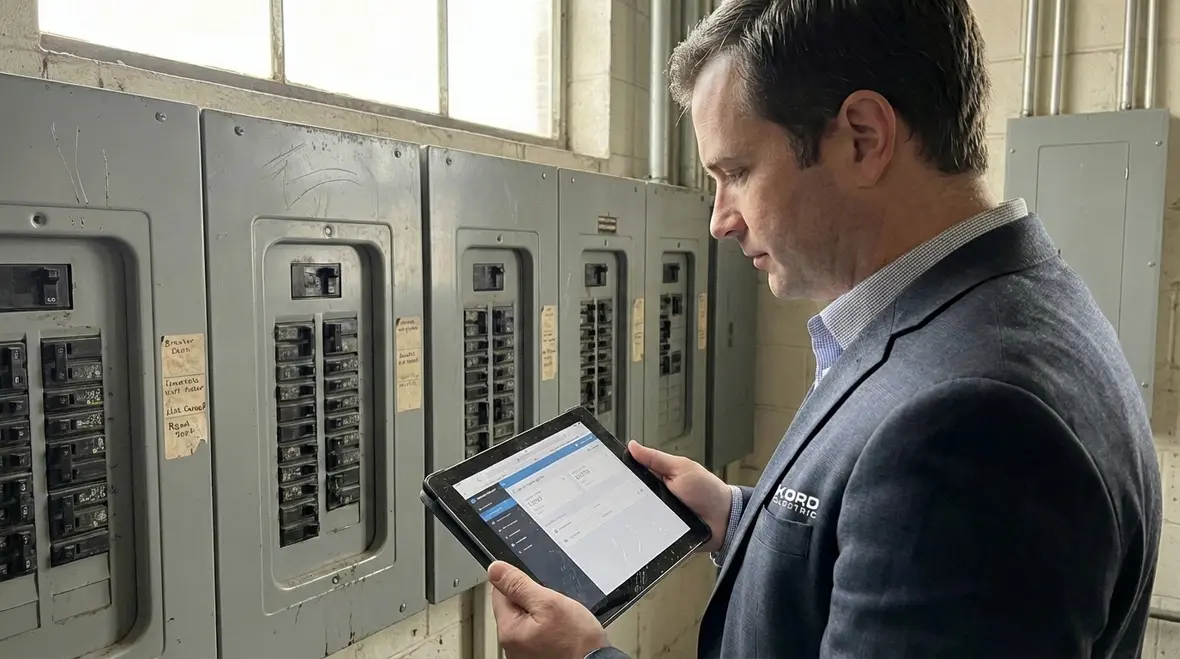
Understanding typical causes strengthens any power outage troubleshooting plan. In large facilities, outages usually stem from predictable factors.
Overloaded circuits rank high on the list. As businesses expand operations, additional equipment often connects to existing panels. Consequently, systems that once handled moderate demand begin operating at capacity. Eventually, protection devices trip to prevent overheating.
Equipment failure also plays a role. Aging transformers, worn insulation, and outdated switchgear components degrade over time. Although routine maintenance reduces risk, deferred upgrades increase vulnerability.
Weather events present another challenge. Heavy rain, wind, or extreme heat can damage utility lines or stress building systems. Meanwhile, internal surges caused by large machinery cycling on and off can destabilize sensitive electronics.
Human error cannot be ignored either. Improper modifications, unbalanced loads, or accidental contact during renovations frequently contribute to electrical faults. Therefore, professional oversight matters.
Kord Electric addresses each scenario with detailed inspection protocols. Their expert service staff explain findings clearly, ensuring property managers understand not only what failed, but why. Because when people grasp the cause, they make smarter decisions moving forward.
Many of these root causes are the same ones that create chronic power quality problems long before a full outage occurs. If your facility has already dealt with voltage swings, nuisance trips, or unexplained equipment resets, exploring a more in-depth evaluation, such as a structured electrical preventive maintenance program, can turn scattered emergencies into a coordinated reliability plan.
Dual Focus During Electrical Failure Investigation
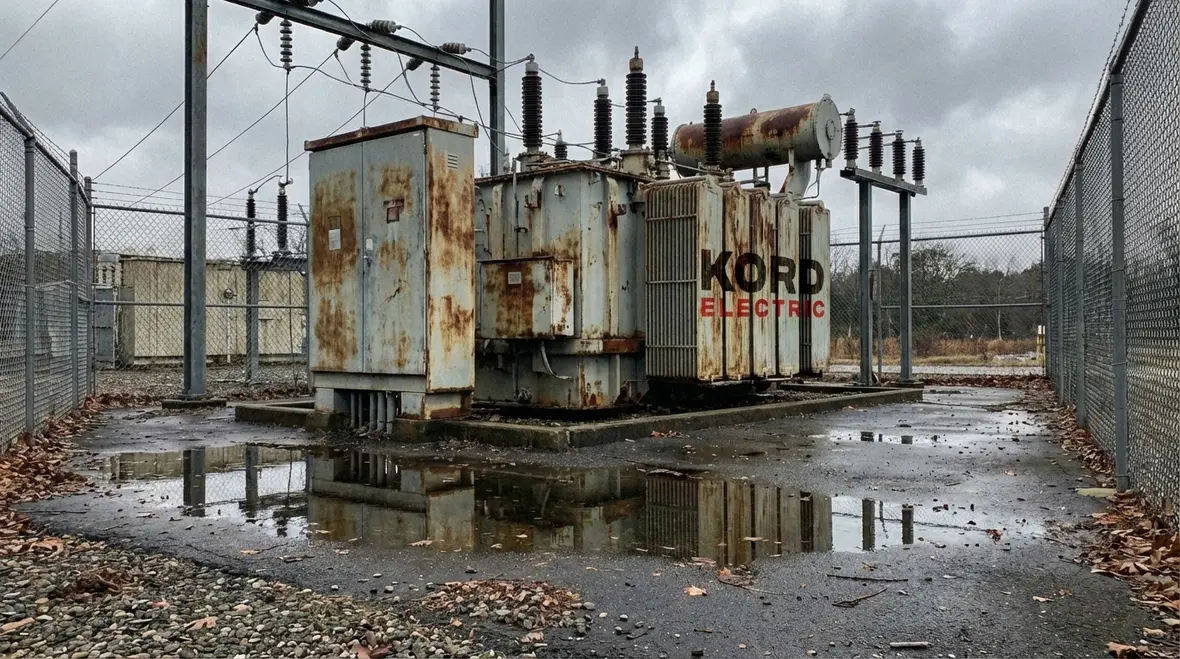
During complex outages, Kord Electric divides attention between immediate restoration and long term prevention. Below, two parallel priorities outline how their teams balance both goals.
Immediate Response Priorities
- Secure affected areas to protect occupants and equipment
- Identify fault location through systematic testing
- Coordinate with utility providers when necessary
- Stabilize critical systems such as data rooms and life safety equipment
- Restore power in controlled stages to prevent surge damage
Long Term Reliability Measures
- Analyze load distribution and recommend balancing adjustments
- Inspect and upgrade aging components
- Test backup generators and transfer switches under real conditions
- Implement preventative maintenance schedules
- Document findings for compliance and insurance reporting
Because these efforts happen together, clients benefit twice. First, operations resume quickly. Second, future disruptions become less likely. It is a bit like fixing a flat tire while also checking the alignment. One solves today’s problem, while the other protects tomorrow.
Can Backup Generators Solve Every Problem?
Not always. Backup systems play a vital role, yet they are not magic boxes that erase every risk. While generators provide temporary power, they depend on proper sizing, fuel availability, and routine testing.
Kord Electric frequently discovers that generators fail during outages because they were never load tested. In other cases, automatic transfer switches stick or misread signals. Therefore, power outage troubleshooting must include generator diagnostics, not just main panel inspections.
Furthermore, facilities with sensitive equipment require clean and stable power. Although generators supply electricity, voltage fluctuations can still damage electronics. As a result, technicians may recommend surge protection, voltage regulators, or uninterruptible power supply systems.
In large commercial properties, redundancy is often the smarter path. Instead of relying on a single backup unit, layered systems create resilience. And while that may sound dramatic, resilience is simply preparation wearing a hard hat.
How Preventative Maintenance Reduces Emergency Calls
Interestingly, the best power outage troubleshooting often happens before any outage occurs. Preventative maintenance identifies weak points early, allowing repairs during scheduled downtime rather than peak hours.
Kord Electric designs maintenance programs tailored to commercial campuses, industrial plants, and multi tenant towers. Their technicians inspect thermal readings, torque connections, clean panels, and test protective devices. Because small irregularities often precede major failures, early detection makes a measurable difference.
In addition, documentation supports regulatory compliance and insurance requirements. When audits arise, clear maintenance records demonstrate due diligence. Consequently, property owners avoid unnecessary disputes.
There is also a financial angle. Emergency repairs typically cost more than planned upgrades. While no one enjoys budgeting for electrical improvements, they enjoy surprise shutdowns even less. As many facility directors admit, stability rarely makes headlines, yet instability certainly does.
For facilities that want to shift from reactive to proactive, Kord Electric’s electrical preventive maintenance services give power outage troubleshooting a long-term partner. Instead of treating every blackout like a mystery, maintenance data turns each event into another data point that refines your overall reliability strategy.
Communication During a Facility Wide Outage
Technical skill alone does not resolve large scale outages. Clear communication keeps operations organized. Therefore, Kord Electric assigns a lead technician to coordinate with property management, safety officers, and utility representatives.
Throughout the process, they provide real time updates. What has been tested? What has been ruled out? What remains under review? Because uncertainty fuels frustration, consistent information calms teams.
Their service staff also explain technical details in plain language. Instead of overwhelming clients with jargon, they translate findings into actionable steps. This approach builds trust and helps decision makers approve necessary repairs quickly.
Meanwhile, they document timelines and corrective actions. In complex commercial environments, written records protect all parties. And frankly, when the lights come back on, everyone appreciates knowing exactly what happened.
When to Call Professional Electrical Experts Immediately
Some situations demand immediate expert response. Facility managers should contact commercial electrical specialists if they notice:
- Repeated breaker trips affecting the same equipment
- Burning smells or visible scorch marks on panels
- Partial power loss in three phase systems
- Generator startup failure during an outage
- Water intrusion near electrical rooms
Because industrial systems operate at higher voltages and loads, attempting complex resets without training can cause injury or further damage. Kord Electric focuses exclusively on commercial and industrial facilities and major property buildings. Their technicians understand the scale, compliance standards, and operational pressures unique to these environments.
In high demand industries, downtime equals lost revenue. Therefore, swift and skilled power outage troubleshooting becomes a strategic advantage, not just a repair service.
FAQ: Commercial Power Loss and Electrical Diagnostics
Conclusion: Restore Confidence Along With Power
When commercial facilities face electrical failure, steady expertise makes all the difference. Kord Electric delivers structured, reliable power outage troubleshooting tailored to industrial plants, commercial campuses, and major property buildings. Their technicians restore systems safely, explain every step clearly, and strengthen infrastructure against future disruption. If your facility demands resilience rather than guesswork, it is time to partner with professionals who treat every outage as both a challenge and an opportunity to improve.
If your operation is already dealing with recurring outages, voltage swings, or equipment shutdowns, you do not have to wait for the next blackout to act. Kord Electric’s dedicated emergency electrical services team responds 24/7 to stabilize systems and protect critical loads, while long term maintenance and power quality services help keep those emergencies from repeating.
From first response to long term reliability planning, the right partner turns power outage troubleshooting into a core strength of your facility—not a recurring headache that disrupts every busy season, production run, or tenant move in. When the next outage hits, the question is not just “When will the lights come back on?” It is “Will we be ready?”