Power Reliability Audits for Commercial Facilities by Kord Electric
Power Reliability Audits for Commercial Facilities: What to Expect from Kord Electric
When a commercial building loses power, the damage does not stay inside the electrical room. It shows up in downtime, spoiled product, delayed operations, and annoyed people who did nothing wrong except clock in on time. That is exactly why Kord Electric performs Power Reliability Audits for Commercial Facilities: What to Expect with a practical, thorough approach built for real-world stress, not textbook fantasies.
In this article, we explain how our expert service staff and technicians review power quality, spot weak points, and map fixes that fit your budget and timeline. Also, we help your team understand the results in clear language, because the last thing anyone needs is an electrical report that reads like a spy movie script. Now, let us walk through what the process actually looks like.
How an Audit Starts at a Major Property Building
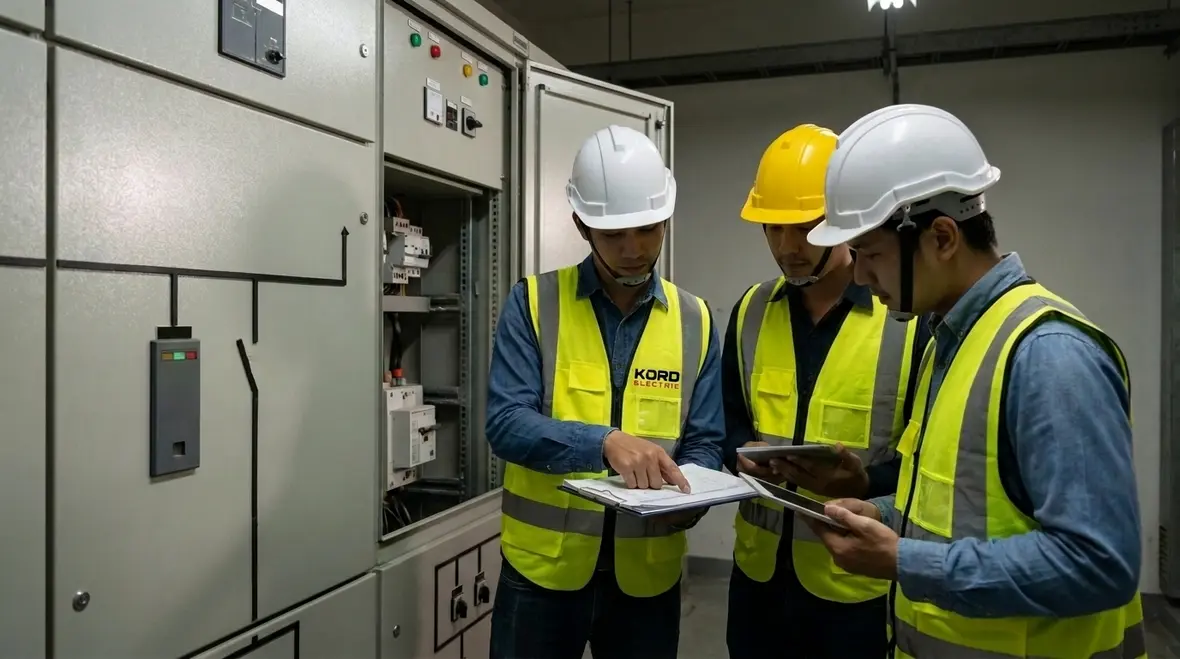
First, our team meets with the people who live with the electrical system every day. That means operations managers, facility leaders, and electrical supervisors. We ask about outages, voltage complaints, nuisance trips, and any recurring “it only happens sometimes” events that tend to haunt shift schedules.
Next, our technicians review available documents such as single line diagrams, past maintenance work, protective device settings, and any utility or generator data. Then we look at how the facility actually operates: start stop cycles, seasonal loads, critical equipment, and where downtime hurts most. In other words, we align the audit with your priorities, not ours.
Finally, we set a scope that focuses on commercial and industrial facilities and major property buildings only. So the plan targets the systems that run the show, including distribution equipment, switchgear, panels, ATS and transfer gear, UPS interfaces, and generator integration where applicable. Because if your building needs power to survive the workday, we treat it like it does.
What Our Technicians Measure During a Power Reliability Audit
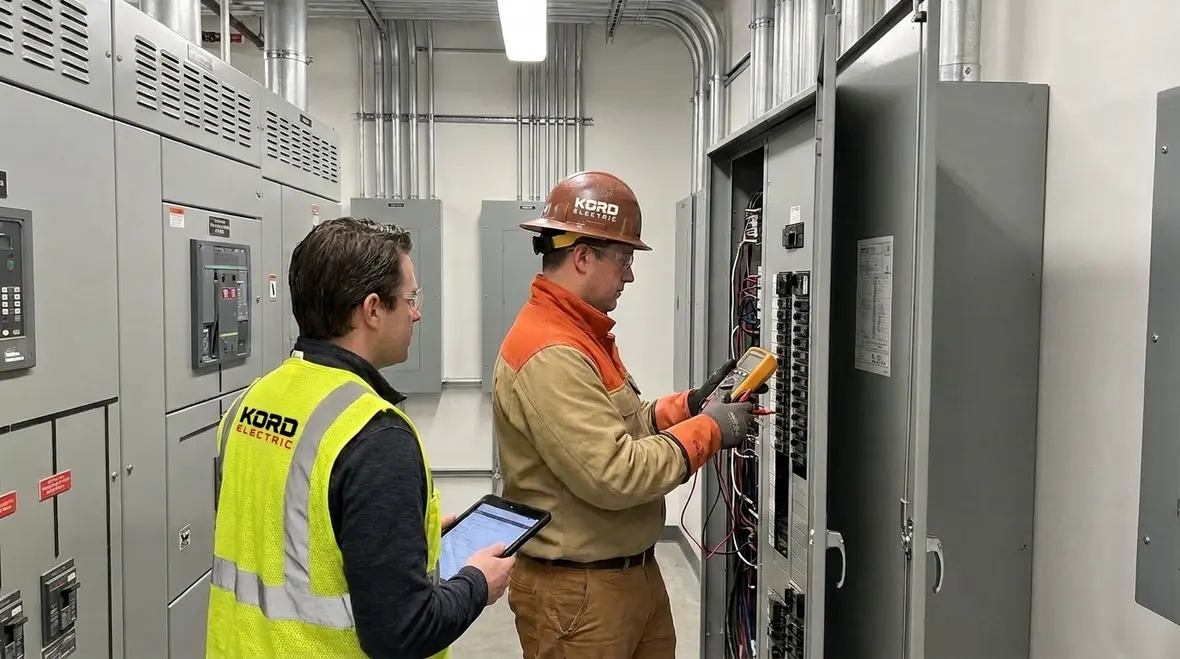
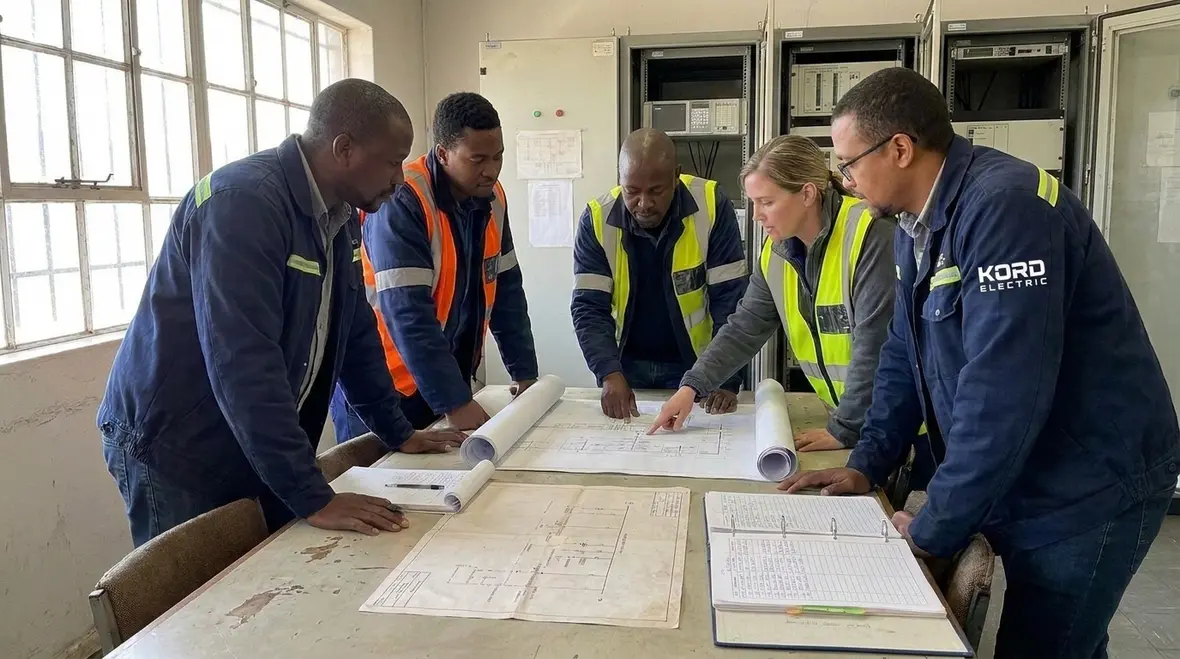
After the initial coordination, we move into field work. Then the audit becomes real, fast. Our service staff measures electrical parameters that reveal problems long before a full failure occurs. For example, we monitor voltage stability, frequency drift, and harmonic distortion that can quietly overheat components and shorten equipment life.
We also evaluate current imbalance across phases. When one leg carries more load than the others, motors run hotter and breakers age faster. And yes, that “minor” imbalance often turns into a big issue during peak seasons, when everyone else is busy enjoying the same thing you are, higher demand.
We check protective device coordination and verify that breakers and relays will actually clear faults safely and selectively. If devices fight each other, the building does not learn anything from the event except chaos. We also inspect grounding and bonding practices because many reliability problems begin at the foundation, literally and electrically.
In addition, we review transfer paths between utility and backup systems. We look at ATS behavior, generator load switching, and the transition time that affects sensitive processes like IT racks, medical devices, data storage, and building automation systems. If a transfer introduces a voltage dip, we want to know how deep and for how long.

Why Power Quality and Protection Testing Matter Most
Some facilities have power “on paper” but still suffer performance issues in the real world. Therefore, we treat power quality and protection as two sides of the same coin. Power quality issues can make protective devices trip early or fail to trip when they should. Protection problems can mask power quality faults until the system reaches its breaking point.
During the testing phase, we analyze waveform conditions such as sag, swell, and short interruptions. Then we connect those events to how your equipment behaves. For instance, drives and control power supplies may be sensitive to brief disturbances, especially in facilities with frequent mechanical cycling.
We also verify that insulation resistance and electrical continuity meet safe operating expectations. If a motor or feeder shows signs of insulation breakdown, we surface it before it becomes an outage. In plain terms, we help prevent the kind of failure that makes people say, “How did we not see that sooner?”
Finally, we inspect arc flash risk. Our approach focuses on making the system safer and more predictable for your staff, so the electrical team can work with confidence. Safety does not slow down progress. It stops surprises.
Interpreting Results: We Turn Data Into Decisions
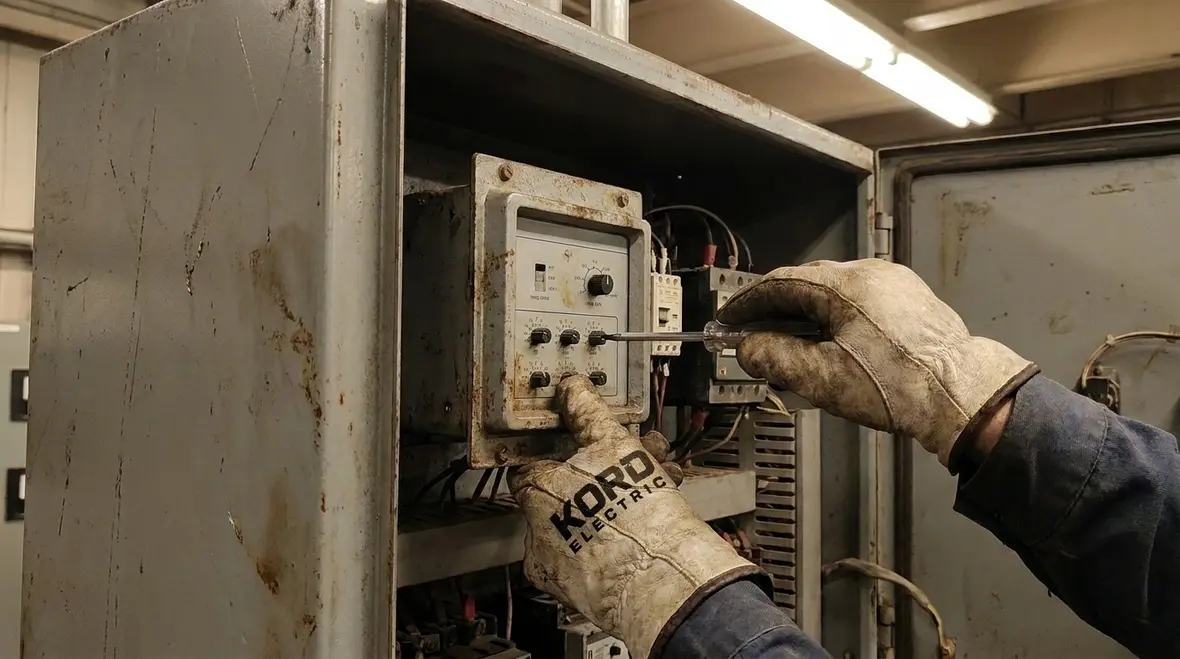
Once the measurements wrap, others might toss numbers into a PDF and call it a day. We do not. Our expert service staff organizes the findings into clear categories tied to reliability impact and risk. Then we connect each observation to the likely root cause.
For example, we may find that harmonic distortion contributes to overheating and nuisance trips. Or we may discover that protective settings do not match the current system configuration. Maybe the grounding approach does not support stable reference under load. Whatever the outcome, we explain it in a way your operational team can act on.
We also show priority levels. That matters because you cannot replace an entire electrical system during one lunch break. Instead, we help you sequence fixes. So your facility gets the biggest reliability improvements first, then the next wave of improvements after that.
Then we discuss options and tradeoffs. We talk about what can be corrected through settings, maintenance, and targeted upgrades. And when replacement is needed, we identify the equipment most likely to fail, not just what is old on a label.
Common Findings in Commercial and Industrial Facilities
Every major building has its own story, yet the reliability patterns tend to repeat. Here are the most common findings Kord Electric surfaces during Power Reliability Audits for Commercial Facilities: What to Expect and, more importantly, what to do next.
- Loose or aging connections that raise resistance and create heat hotspots.
- Protective device miscoordination leading to trips that block critical loads.
- Unbalanced phase loading that stresses motors, transformers, and feeder cables.
- Harmonics and waveform distortion that shorten component life and affect control circuits.
- Transfer path performance gaps during utility to generator switching.
- Grounding and bonding inconsistencies that destabilize references under fault and load conditions.
- Outdated single line documentation that causes maintenance confusion and delays.
- Maintenance intervals that do not match actual operating stress.
Notice how none of these show up as “dramatic lighting” on day one. Instead, they hide in stress cycles, changing loads, and maintenance shortcuts. And yes, sometimes they hide because the last person who documented the system already moved on, like a coworker you miss but never call. We help close that gap.
If you want to dig deeper into how subtle issues turn into outages, you can also explore our guide on electrical troubleshooting for Los Angeles County facilities, which pairs real-world diagnostics with practical fixes for commercial and industrial properties.
After the Audit: Reliability Improvements That Fit Your Schedule
After the audit, we help your team plan improvements with minimal disruption. That means we coordinate with facility operations and align work windows with production needs, occupancy patterns, and safety requirements. We also consider lead times for parts and scheduling for shutdowns.
Then we recommend actions in a logical order: quick wins that reduce immediate risk, medium scope upgrades that improve long-term stability, and higher impact projects for equipment that shows the most wear or the poorest performance.
We also offer clear next steps for verification. So after a correction, we can confirm results through follow-up testing. That closes the loop and reduces the chance of “we fixed it, but did we really?” moments that waste time and energy.
Because reliability does not come from one repair. It comes from a strategy that keeps power steady and controls predictable, even when the building runs at its busiest.
For multi-site portfolios and high-demand locations, many property teams connect these upgrades with broader programs outlined in Kord Electric’s Los Angeles County electrical services, so preventive maintenance, emergency response, and planned projects all pull in the same direction.
FAQ
Ready to Strengthen Electrical Reliability?
If your commercial or industrial facility depends on stable power, waiting for the next incident is a costly habit. Kord Electric helps you see what is really happening in your electrical system through Power Reliability Audits for Commercial Facilities: What to Expect type assessments built for serious uptime. Contact us to schedule an audit and get a clear plan for improvements. Then you can run your building with steadier power, fewer interruptions, and fewer meetings about why the lights decided to take a break.
To see how audits, troubleshooting, and long-term planning fit together, you can also review Kord Electric’s overview on choosing a top commercial electrical contractor in Los Angeles, which connects reliability work with broader project strategy for major property buildings.