Commercial Lighting Control Retrofit: Costs, Benefits & Energy Savings
Kord Electric helps commercial and industrial facilities cut waste and improve comfort with a Commercial Lighting Control Retrofit: Costs, Benefits & Energy Savings approach that fits how the building actually runs. In the first phase, we review your existing lighting, schedules, occupancy patterns, and control wiring. Then we map the changes to energy savings, tenant comfort, and maintenance impact. From there, our team puts the system on a clear path: reduce unnecessary light, keep illumination stable where people work, and make controls easy to manage. Yes, it is as thrilling as it sounds. No, we are not saying it is “fun,” but we do promise it beats guessing with wall switches like it is 1998.
Why retrofitting lighting controls matters for buildings that never sleep
In commercial and industrial environments, lighting is rarely just “lighting.” It is a system that must match shift schedules, daylight changes, and areas with different usage intensity. When controls are outdated or missing, you get lights running at full output longer than they should. And when you try to fix it with manual adjustments, the building ends up with human error and inconsistent results. So, we build control logic that responds automatically, while still giving facility teams predictable settings.
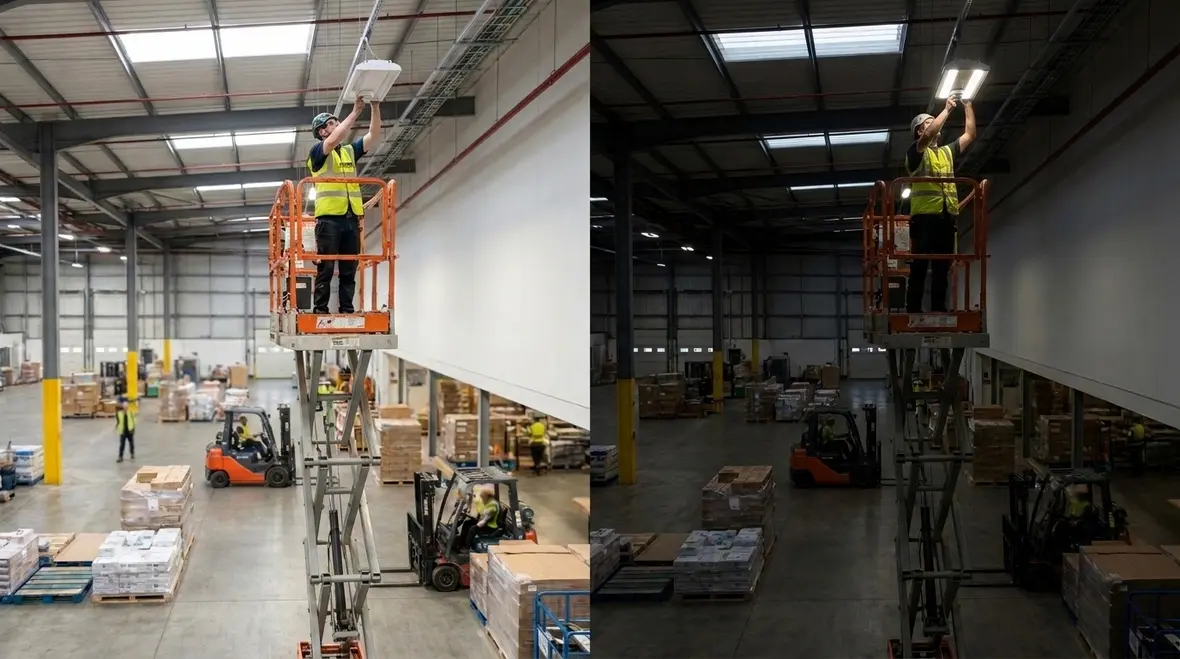
We often see the same story during walk-throughs. Warehouses run long hours. Office floors shift between quiet and busy. Corridors get daytime occupancy and overnight emptiness. Meanwhile, skylights and windows change the light levels throughout the day. Therefore, a retrofit that targets these realities gives you better comfort and meaningful energy reduction. It also lowers lamp and fixture stress, because controlled systems reduce time spent blasting lights when the space does not need it.
Our expert service staff explains the “why” in plain language. They do not just show an app and walk away like a magician pulling a rabbit. Instead, they explain how the building sensors and schedules coordinate, and how that reduces costs without sacrificing visibility.
What a Commercial Lighting Control Retrofit: Costs, Benefits & Energy Savings scope usually includes
When we discuss a Commercial Lighting Control Retrofit: Costs, Benefits & Energy Savings project, we start by defining the scope in a way your team can maintain. Not every building needs the same level of control, and we refuse to sell you complexity you do not need. So we build around your operational goals, your electrical layout, and your lighting assets.
Typically, our retrofit scope includes these pieces, depending on the facility:
Lighting control hardware such as occupancy sensors, daylight sensors, dimming drivers, and panel level control devices
Switching and dimming strategy that matches your fixture types and your desired comfort levels
Time schedules and override options so staff can adjust zones without fighting the system
Integration support for building management or energy platforms, when your facility uses them
Testing and commissioning so control behavior matches design intent, not hope
After that, we document how the system works, which is crucial for major property buildings where multiple teams touch the equipment. Our technicians explain the commissioning results and confirm that overrides, delays, and dimming set points land where people actually feel comfortable.
And if you are thinking “Do we really need all that?” we hear you. But in commercial and industrial buildings, controls act like a steady hand, not like a remote that always loses the battery.
Control types that fit offices, warehouses, and mixed-use areas
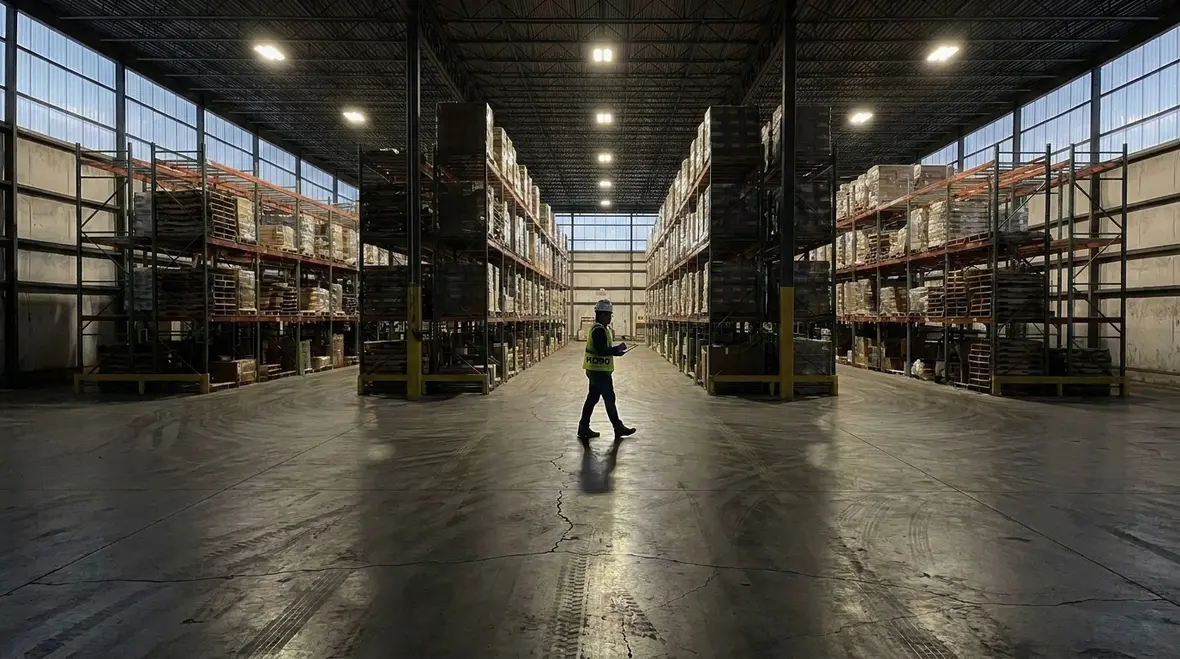
A smart retrofit does not use one control method everywhere. It uses the right method for each zone, because the behavior of a lobby is not the same as a loading bay. Therefore, we choose control layers that work together, instead of stacking separate devices and hoping they coordinate.
Common control approaches we deploy include:
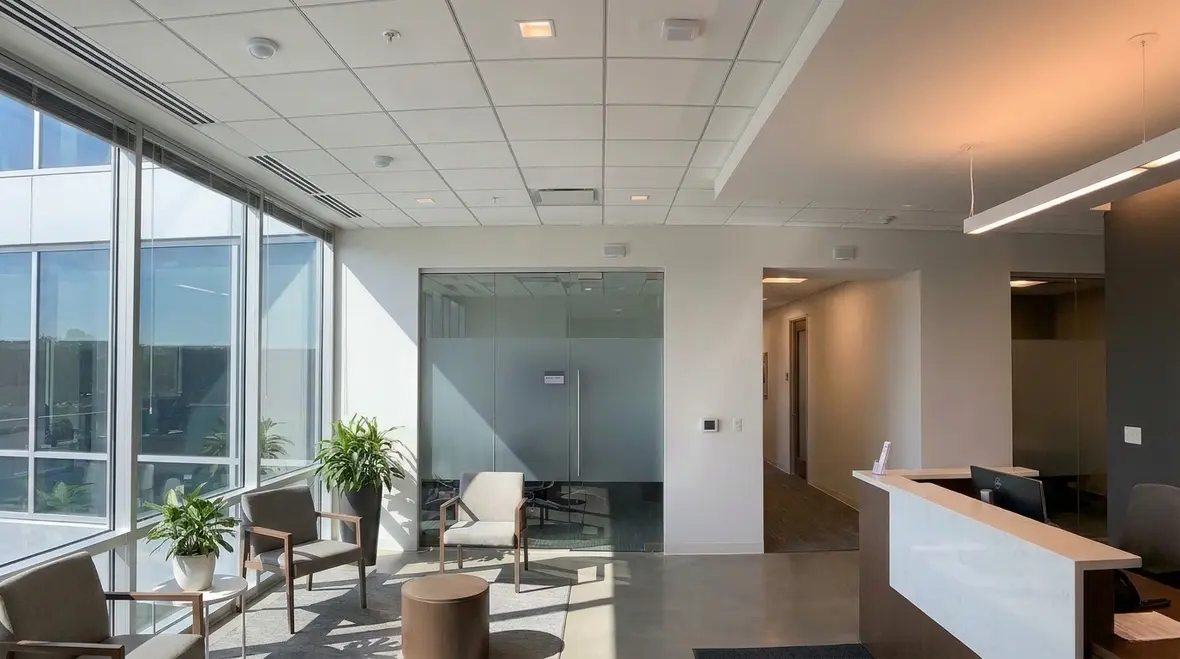
Occupancy based control for offices, conference rooms, restrooms, and storage spaces where usage changes through the day
Daylight harvesting near windows and skylights to reduce output when natural light rises
Scheduling and step dimming for areas with consistent routines, such as corridors during shift changes
Zone based control to avoid turning off an entire floor when only one part needs a change
Local overrides that keep operations smooth when staff need temporary adjustments
Additionally, for industrial areas, we consider work visibility and safety needs. We design control behavior so light levels stabilize where tasks require consistent illumination. Then we tune time delays and sensor settings to reduce “flicker fatigue,” which is what you get when a building tries to learn your habits faster than your schedule changes.
Our technicians walk facility managers through these design choices. They show how each control type affects user comfort and how it protects fixtures from unnecessary cycling.
How we calculate retrofit costs and expected energy savings
Costs vary because buildings vary, and we treat every site like a real site, not a cookie cutter drawing. When people ask about retrofit budgets, we also ask about lighting age, fixture counts, existing wiring, desired control granularity, and how the building uses space. Once we understand that, we estimate both the install and the operational impact.
For energy savings, we focus on the largest controllable behaviors:
Reduced run time from occupancy detection and schedules
Reduced output from dimming strategies tied to daylight and demand
Lower maintenance load from reduced stress and operating hours
Then we sanity check the results with real usage patterns. We do not just apply a generic percentage and call it a day. Instead, we review shift schedules, peak occupancy periods, and seasonal daylight changes. As a result, your facility sees savings that match operations, not marketing math.
One more detail that often gets skipped: controls can reduce energy, but they must also prevent nuisance behaviors. Therefore, our expert service staff helps clients choose set points that keep lighting steady enough for tasks, while still allowing savings. That balance is where many “cheap installs” fall apart. They cut too hard, and then people start overriding everything. And then the system becomes a fancy piece of wall art.
If you want to dig deeper into how smart controls perform over time, you can also compare your project vision with practical insights in Kord Electric resources like their guide on automated lighting control benefits for facilities, which shows how well planned control logic translates into durable savings and better user comfort.
Implementation steps that reduce downtime and keep stakeholders informed
Retrofits can feel disruptive, especially in facilities with tight production schedules or customer traffic. We reduce that stress through a staged plan and clear communication. Our process typically follows these steps.
Site walk and documentation to confirm fixture types, controls currently in place, and panel conditions
Control design and zoning to align coverage with usage and daylight
Procurement and scheduling to minimize impact on operations
Installation in phases so occupied areas stay functional as long as possible
Commissioning and tuning to ensure behavior matches the design
Training for facility teams so overrides and settings make sense
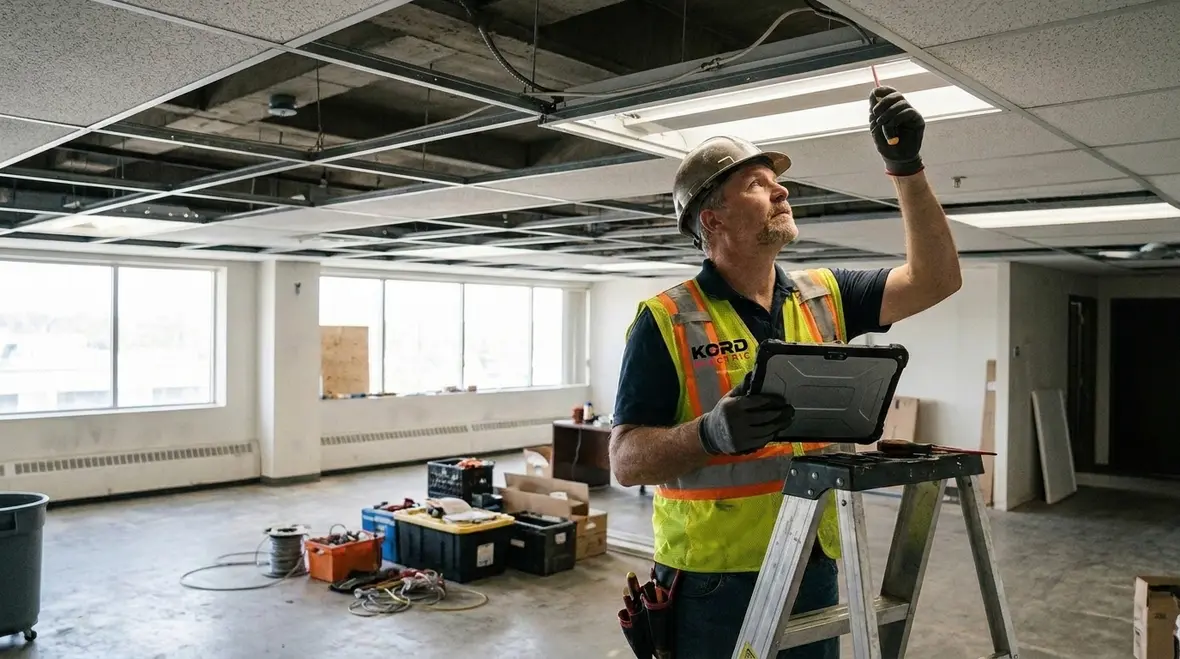
During commissioning, our technicians explain what they are adjusting and why. For example, they may fine tune sensor sensitivity or time delays so the system responds to actual occupancy patterns. Then they test daylight dimming to confirm that the lighting level stays comfortable as sun conditions change.
In other words, we keep the retrofit under control. And yes, that is a pun. But it is also the truth.

Common risks in lighting control retrofits and how we prevent them
Even strong designs can stumble if people ignore the practical details. We see a few recurring risks across commercial and industrial facilities, and we handle them early.
1) Mismatched dimming compatibility
If fixtures and drivers do not work well together, you can get poor dimming performance or flicker. We verify compatibility and select control components that support smooth output changes.
2) Poor zoning decisions
When zones are too large, controls turn off or dim spaces that still need lighting. We design zones around real movement patterns and usage.
3) Over sensitive occupancy settings
If sensors react too quickly, people get annoyed and start overriding. Our technicians tune behavior during commissioning so response is reliable, not jumpy.
4) Lack of documentation
Facilities change staff and contractors. Without clean documentation, the system becomes hard to manage. We provide straightforward operation guidance and share settings so the next person is not left guessing.
Ultimately, a successful retrofit acts like good choreography. Everyone knows the steps, and the building flows without drama.
How lighting controls support code compliance and broader electrical plans
A Commercial Lighting Control Retrofit: Costs, Benefits & Energy Savings project rarely lives in isolation. Many commercial and industrial facilities pair control upgrades with broader electrical work or code driven changes. Smart planning keeps those efforts aligned instead of letting them collide.
For example, if your building team is preparing for inspections or reviewing California Title 24 requirements, modern controls can support those goals by documenting schedules, set points, and sensor behavior clearly. Kord Electric’s own commercial lighting code compliance guide highlights how controls, lighting layouts, and equipment selections all intersect when inspectors review a project.
We also see facilities that want to modernize their electrical backbone while they upgrade controls. In those cases, Kord Electric’s Los Angeles County electrical services team can coordinate panel work, new circuits, or service upgrades so the lighting control retrofit sits on solid infrastructure instead of aging gear that struggles to keep up.
When controls, wiring, and compliance planning move together, your Commercial Lighting Control Retrofit: Costs, Benefits & Energy Savings initiative becomes part of a larger reliability strategy instead of a one off project.
FAQ
Ready for smarter lighting that actually saves energy?
If you run a commercial, industrial, or major property building, you deserve lighting controls that match how your spaces get used. Kord Electric can evaluate your facility, recommend the right scope, and deliver a retrofit with commissioning and clear training. Contact us today to discuss your zones, schedules, and energy goals, and we will map a plan that supports comfort and performance without adding unnecessary complexity. Let us turn your lighting from a guessing game into a dependable system.
When you are planning your Commercial Lighting Control Retrofit: Costs, Benefits & Energy Savings journey, remember that controls can also work alongside focused upgrades like commercial lighting control systems for facilities, where coordinated design, wiring, and commissioning keep each retrofit aligned with broader electrical and code requirements.
If your facility is located in Southern California and you want your retrofit to align with panel, circuit, and compliance planning from day one, Kord Electric’s dedicated service teams can coordinate everything from control devices to broader electrical scopes. That way, your retrofit supports present operations and future expansion, instead of boxing you into a layout that only works for today.