Title 24 Compliant Hospitality Lighting California Requirements
Title 24-Compliant Hospitality Lighting: California Requirements & Design, and what it means for your property
In California, Title 24-Compliant Hospitality Lighting: California Requirements & Design is not just a checkbox we place on a plan set. Instead, we treat it like a promise: lights that look inviting, perform reliably, and follow state energy rules. Our team at Kord Electric guides owners and builders through the details that matter for hotels, restaurants, resorts, senior living, and other major propertie buildings. And yes, we know lighting can feel as exciting as a DMV waiting room, so we bring calm clarity and real field experience to the conversation.
To keep things straightforward, we explain what Title 24 requires, how hospitality design choices affect compliance, and how our technicians verify the final result. We also show how smart controls, proper fixture selection, and documentation prevent surprises later. Meanwhile, you get a lighting system that supports comfort, safety, and code.
What California Title 24 requires for hospitality spaces
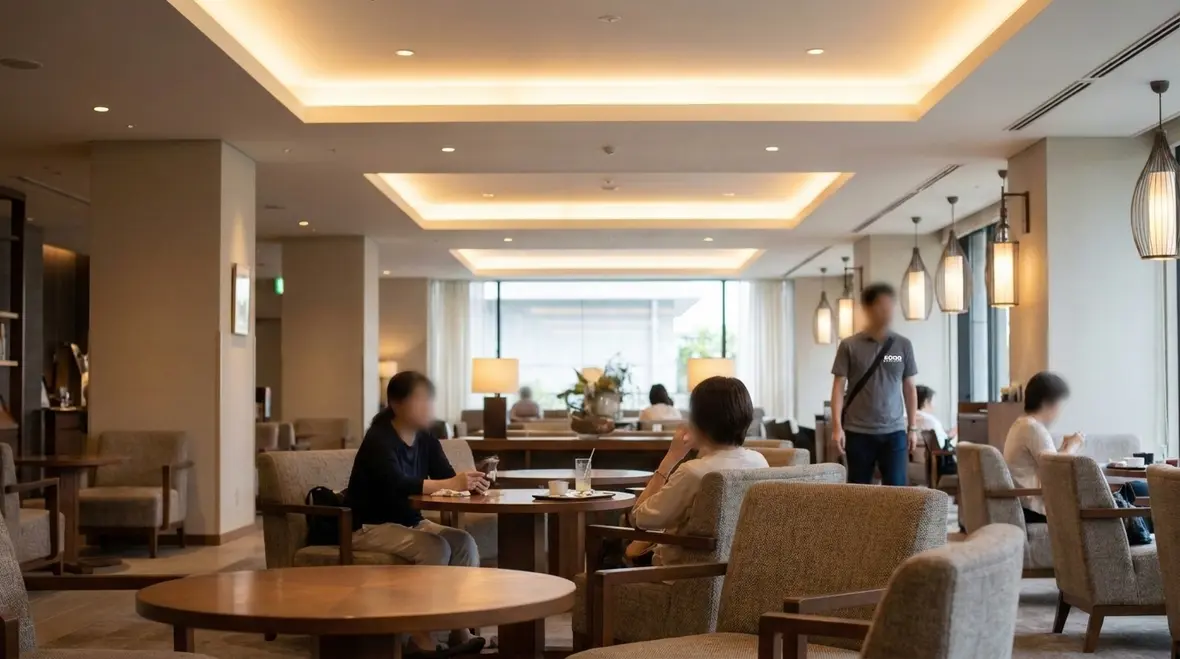
Title 24 impacts how lighting uses electricity across time. Specifically, it targets energy use through limits on lighting power and through mandatory control strategies. In hospitality settings, the challenge is balancing guest comfort with the math behind compliance. So we start with how your spaces operate, because a lobby during lunch hours does not need the same behavior as a late night bar.
From there, we coordinate design intent with measurable controls such as automatic shutoff, dimming where appropriate, and time based schedules. When designers choose decorative fixtures without considering the control approach, we often see them get cornered during review. That is where our service staff steps in early. Our technicians break down the options in plain language, and we explain tradeoffs so the final build matches the real world.
For major propertie buildings, we also pay attention to how areas connect. Guest corridors, stairwells, common restrooms, exterior entries, and parking areas each carry different expectations. And because Title 24 spans both lighting and controls, we make sure the system behaves as the code model expects, not as the idea in someone’s head. The code has no sense of humor, but we try to help.
How we plan lighting zones that guests actually feel
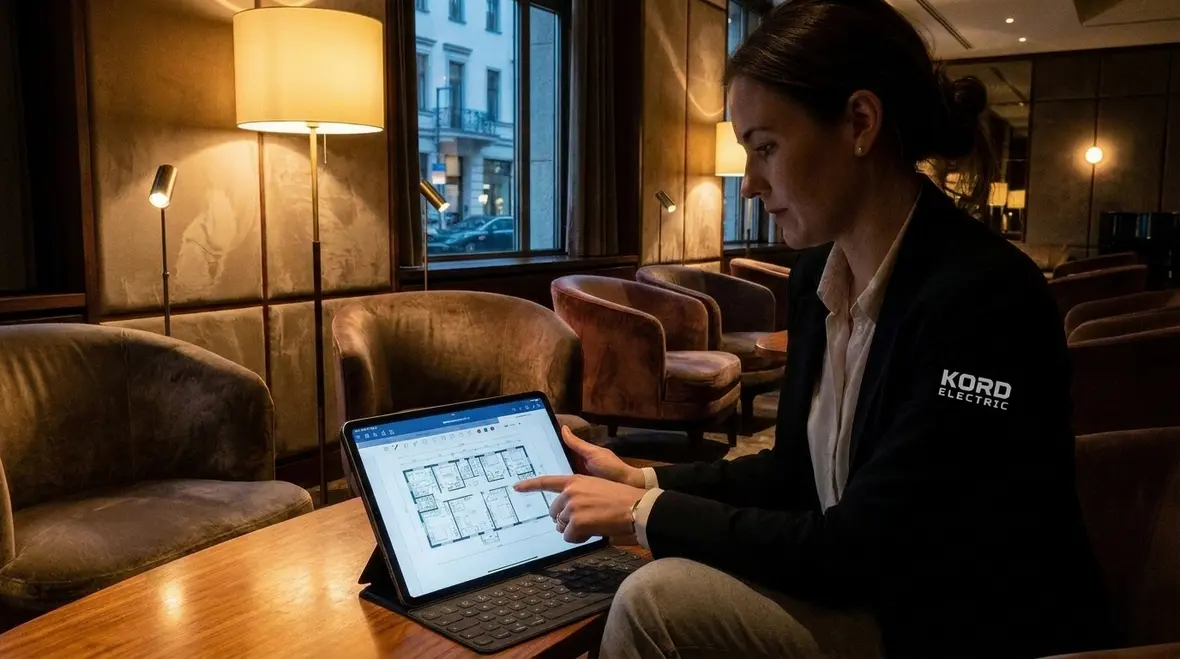
Hospitality lighting succeeds when guests feel warmth and ease. However, compliance relies on zones and control boundaries. We therefore map the building into areas that make sense for operation and for code rules. Then we align dimming or switching to those zones.
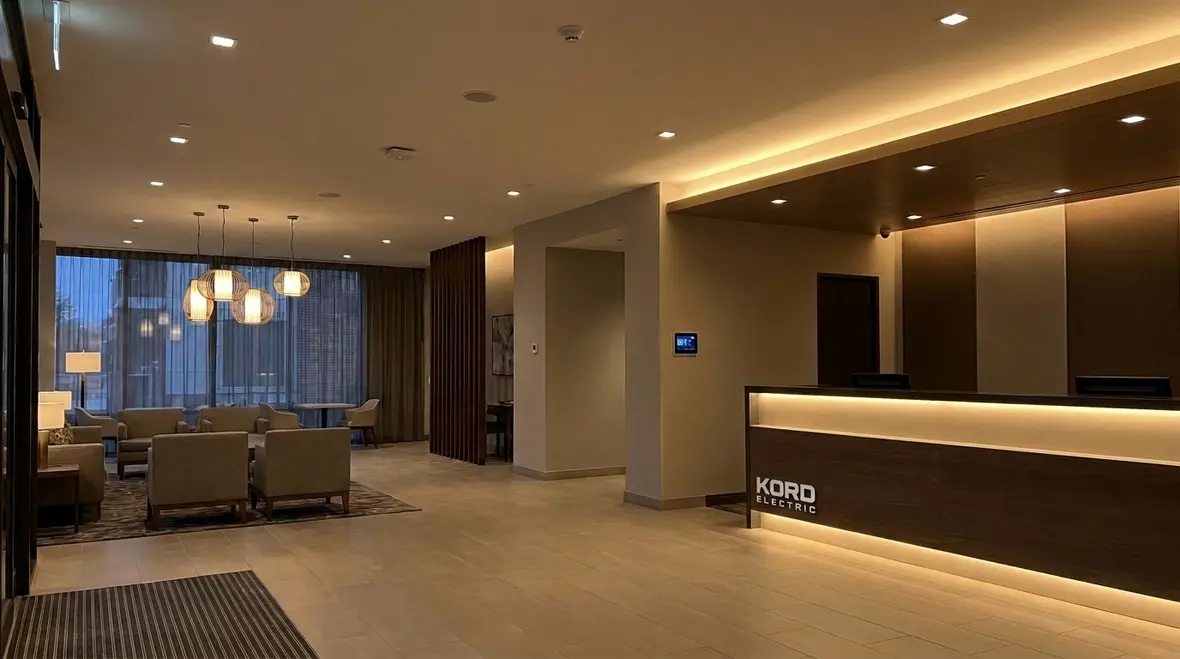
For example, we often separate spaces by guest flow and occupancy patterns. A lobby might need a steady, welcoming look during busy hours, while back of house areas can follow stricter schedules. Similarly, dining rooms can use continuous dimming that preserves ambience, while restrooms may follow occupancy based control for efficiency.
Our expert service staff walks owners and architects through the zoning process. We explain it like a conductor guiding an orchestra, because lighting needs coordination, not randomness. And when we encounter conflicting design priorities, we propose adjustments that protect both mood and compliance. If your plan says “romantic dimming,” we translate that into something your compliance path can actually support.
Transitioning from concept to compliance also means we review the fixture layout and the expected runtime. We then confirm that every zone uses the right control strategy for that space type and use pattern.
Fixture selection: the part everyone underestimates
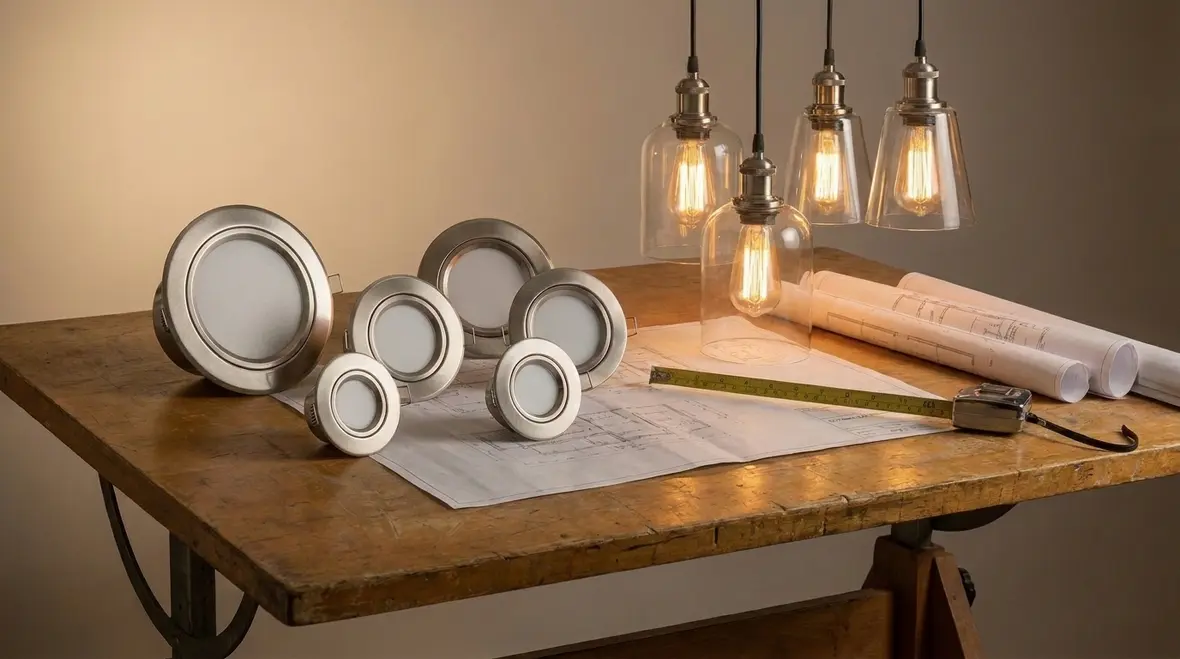
In most commercial and industrial facilities, fixture choices drive both performance and compliance. In hospitality, that is doubly true because aesthetics matter. So we help you pick fixtures that meet both the look and the energy rules.
We focus on these elements while keeping the design team informed. First, we confirm the lighting power approach aligns with Title 24 modeling needs. Second, we check that lamps, drivers, and luminaire efficiencies match what the documents require. Third, we ensure the dimming method and control compatibility support the intended control sequences.
Here is where people often get surprised: a “similar looking” fixture can behave very differently under compliance modeling. Even small changes in power or optics can alter results. Meanwhile, if a fixture needs a special driver or does not dim as expected, your controls may fail to deliver the intended performance.
Our technicians handle these details with on site awareness. We review submittals, ask the right questions early, and document decisions clearly. That reduces redesign during construction and helps keep the project from turning into a late night troubleshooting session, the kind where the only thing shining bright is everyone’s stress.
Controls and sensors that keep energy down without ruining the vibe
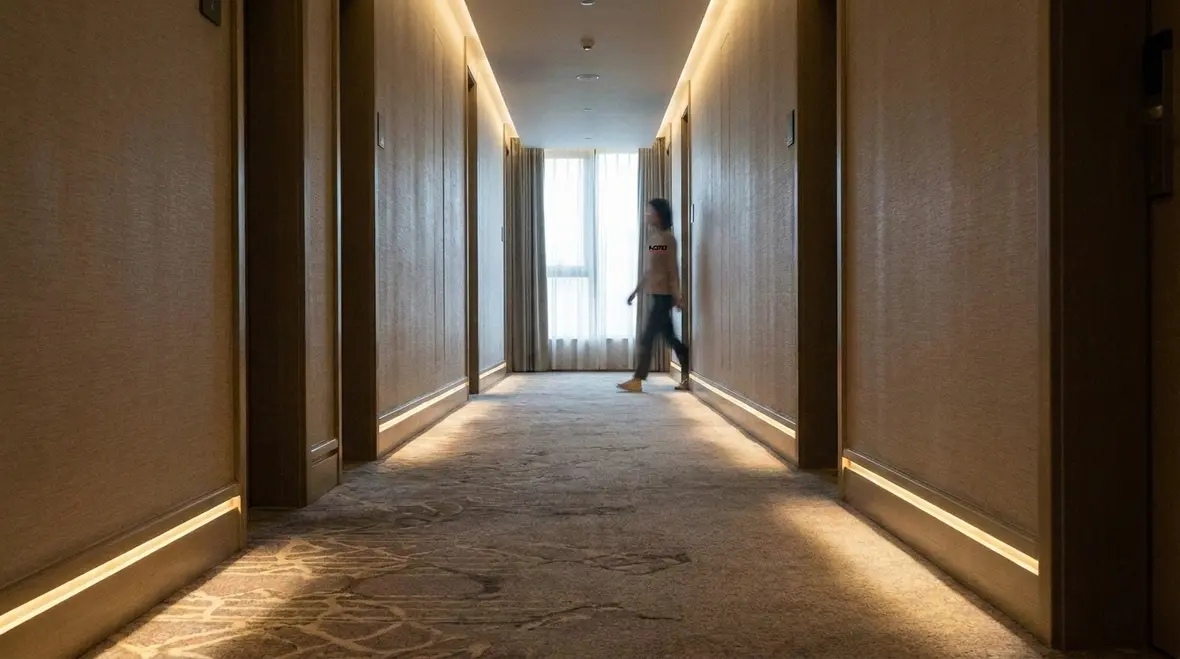
Controls often feel like the boring part, but in hospitality lighting they are the difference between “efficient” and “dead.” Therefore, we design control systems that keep guest spaces comfortable while reducing energy use in unoccupied or low demand periods.
We typically consider schedules, occupancy sensing, daylight response where applicable, and dimming strategies for areas that benefit from continuous ambience. Then we match control behavior to the way spaces actually operate. For instance, corridors might use automatic controls to avoid lights staying on during vacancy. Lobbies might use time based scheduling combined with adaptive dimming, depending on layout and daylight.
Additionally, we coordinate how controls interact across zones so the system stays predictable. Predictability matters for facility managers. When staff understand the behavior, maintenance becomes easier, and tenants stop calling after hours with questions that sound like “Why is it doing that?”
Our expert service staff supports this with straightforward explanations. We do not just install and disappear. Instead, we walk stakeholders through what the controls do, when they activate, and how to verify settings. Then we help confirm the system supports Title 24-Compliant Hospitality Lighting: California Requirements & Design goals without sacrificing human comfort.
Verification, documentation, and field checks that protect your timeline
Compliance does not end at the drawing. It lives and dies in the field. So we plan for verification steps that help commercial and industrial facilities stay on schedule. When building departments review results, they want evidence that the system matches the modeled outcome.
To protect your timeline, we coordinate documentation and field checks during installation. Our technicians verify wiring, controls programming, fixture placement, and operational behavior. We also help make sure labeling and component selections align with the project submittals.
In many projects, the biggest delays happen when a mismatch gets discovered late. A control that does not dim correctly, a fixture that was swapped without updating documentation, or a zone boundary that did not get implemented as expected. We reduce those risks by treating the process like a checklist with calm pressure, not a scramble with coffee and prayers.
Our team references the California Commercial Title 24 Lighting Compliance Guide from our blog as a practical anchor for the steps we follow, because good process is what keeps projects moving. And when you work with Kord Electric, you get an approach built for major propertie buildings, not one off installs for someone’s spare bedroom.
Design strategies that help you meet code and still impress guests
Hospitality guests remember feeling, not wattage. So we bring design strategies that support both. Even within compliance constraints, you can create layers: ambient light for comfort, accent light for mood, and task light where people need clarity.
We often recommend a layered approach. Ambient systems provide baseline brightness. Accent fixtures highlight artwork, architectural features, or brand elements. Task lighting supports reading areas and dining setups. Meanwhile, controls help shift brightness based on occupancy and time of day.
We also help protect the “hotel look” by avoiding harsh glare. Optics, mounting height, beam control, and proper spacing affect both visual comfort and how fixtures perform. And when daylight enters through windows, we can plan strategies so the system does not fight the sun like two stubborn roommates.
As a result, your lighting can feel intentional even when controls reduce energy. That is the sweet spot: comfortable hospitality environments that follow California rules. If you want the best version of Title 24-Compliant Hospitality Lighting: California Requirements & Design in real life, we build it with both engineering and design discipline.
FAQ
Call Kord Electric for compliance minded hospitality lighting
If you are building, renovating, or upgrading a hotel, restaurant, resort, or other major propertie building, do not leave lighting compliance to chance. We at Kord Electric coordinate fixture choices, zoning, controls, and documentation so your project follows California rules while staying visually inviting. Our technicians and expert service staff explain each step clearly and verify performance in the field. Ready to keep your lights warm, your energy use down, and your compliance path smooth? Contact Kord Electric today.
For broader electrical planning that supports your hospitality projects, explore how our Los Angeles County electrical services for commercial and industrial facilities help keep power, lighting, and code requirements working together instead of pulling in different directions.
And when you are ready to align hospitality lighting with California’s energy standards from project kickoff through final inspection, our team is here to help you apply Title 24-Compliant Hospitality Lighting: California Requirements & Design in a way that serves guests, staff, and your long term operations.