Warehouse LED Retrofit Benefits and ROI
Warehouse LED Retrofit Benefits: where ROI turns on like a switch
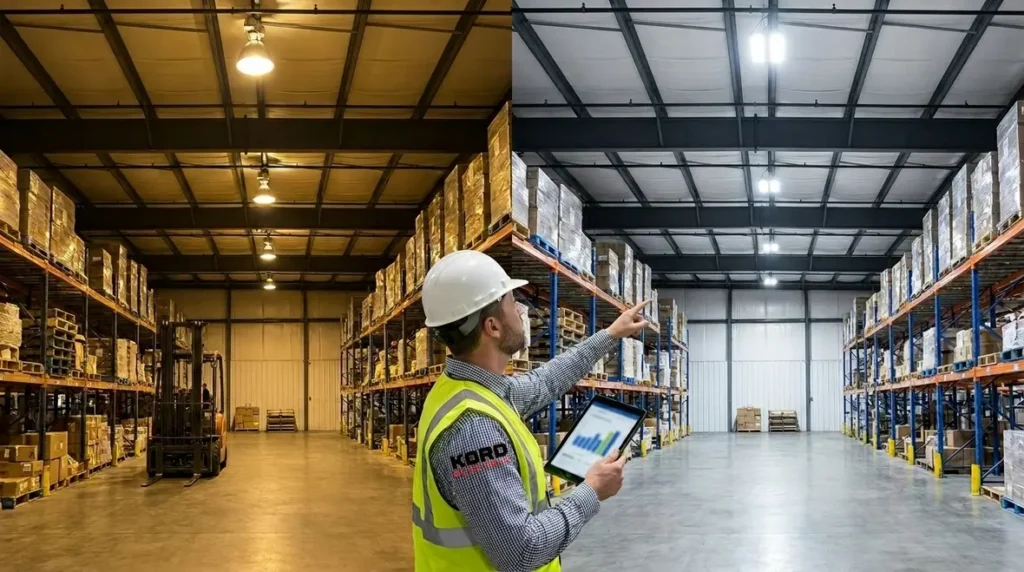
When we help a commercial or industrial facility upgrade lighting, we focus on results, not guesses. With Warehouse LED Retrofit Benefits we routinely see lower energy bills, steadier illumination, and fewer maintenance visits that steal time from real work. And yes, the building still looks sharp, even after the “before” lights were doing their best impression of a flickering movie set.
At Kord Electric, we treat warehouse lighting like a system. Because lighting affects safety, productivity, and how quickly teams can complete tasks without squinting, tripping, or waiting on replacements. Then we build a plan that makes sense for your schedule, your budget, and your operations.
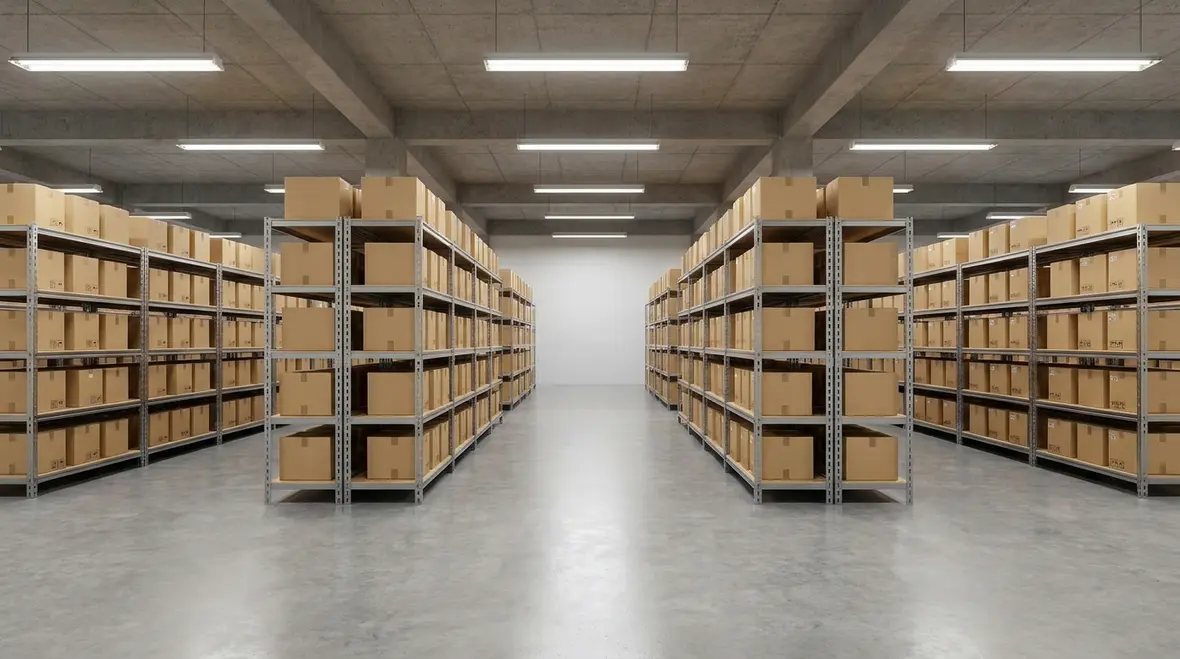
What ROI really means for facility owners
In the field, ROI is not a buzzword. It is the math that shows how quickly your costs come back through savings, avoided downtime, and fewer labor hours spent on maintenance. To get there, we measure four practical inputs. First, we estimate current energy use and compare it to LED performance. Next, we model maintenance frequency, including ladder time, replacement parts, and service calls. Then we include the value of better visibility for picking, packing, and inspection. Finally, we account for how long the retrofit equipment lasts under real warehouse conditions.
At that point, the “return” becomes clearer. You do not just save electricity. You also reduce interruptions that create expensive stoppages. If your staff has ever waited for a light to be fixed while orders keep moving, you already understand the cost. We simply give you a cleaner, faster path to eliminate that frustration.
And if someone tells you ROI is just about payback, we smile politely. That is like saying a car is only about the engine. Sure, it matters, but the wheels, brakes, and tires determine how well you actually drive.
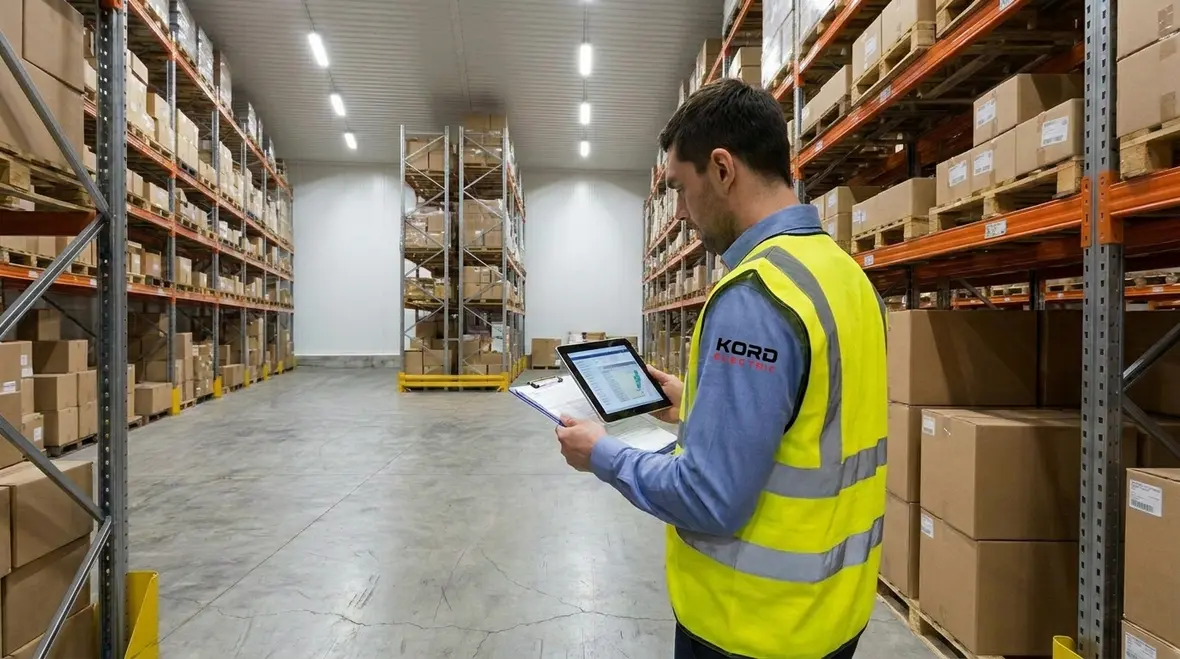
How we plan a retrofit to protect output and uptime
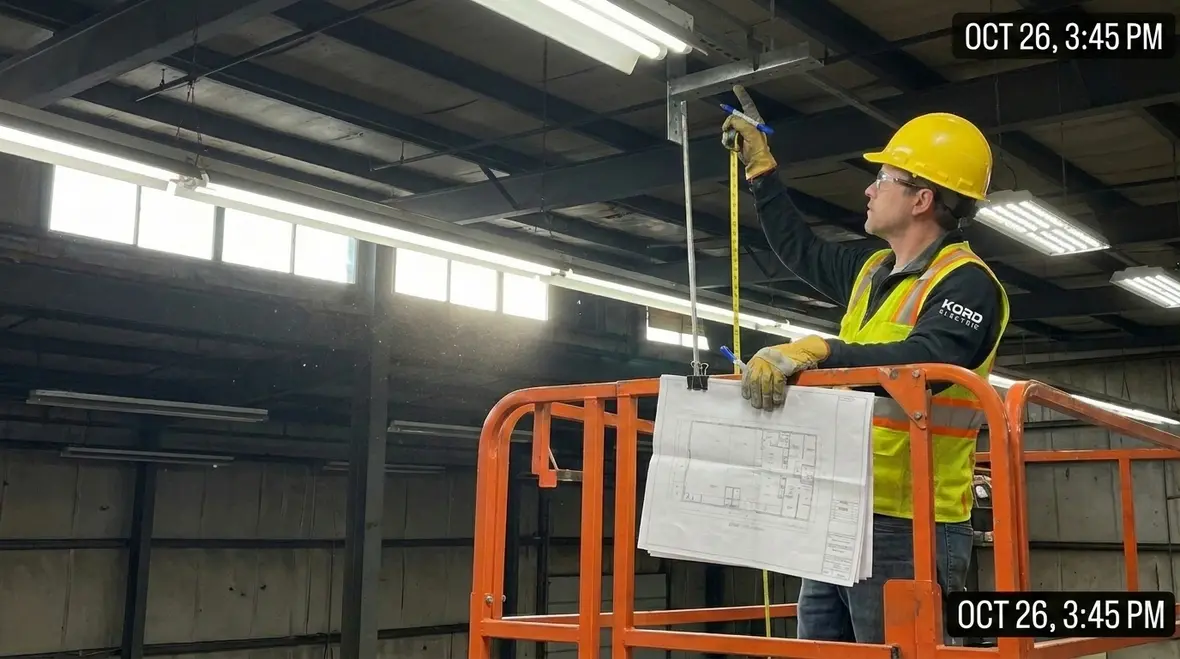
We start with your actual site, not a generic brochure. Our technicians and expert service staff inspect fixtures, document mounting styles, note safety constraints, and review controls that are already in place. Then we choose retrofit components that match your ceiling height, beam spread needs, and the types of tasks performed across the space.
Next, we design the rollout so your teams keep working. We schedule installs in workable windows, stage materials for quick swaps, and confirm fit and alignment before we remove older fixtures. As a result, you avoid extended downtime and minimize disruptions to shipping lanes, receiving areas, and storage zones.
We also plan for electrical compatibility. Warehouse systems often include older drivers, mixed lamp types, and legacy wiring. Therefore, we verify what will change, what will stay, and where upgrades improve performance without turning the project into a long repair saga.
Voltage fluctuations and lighting stability in commercial spaces
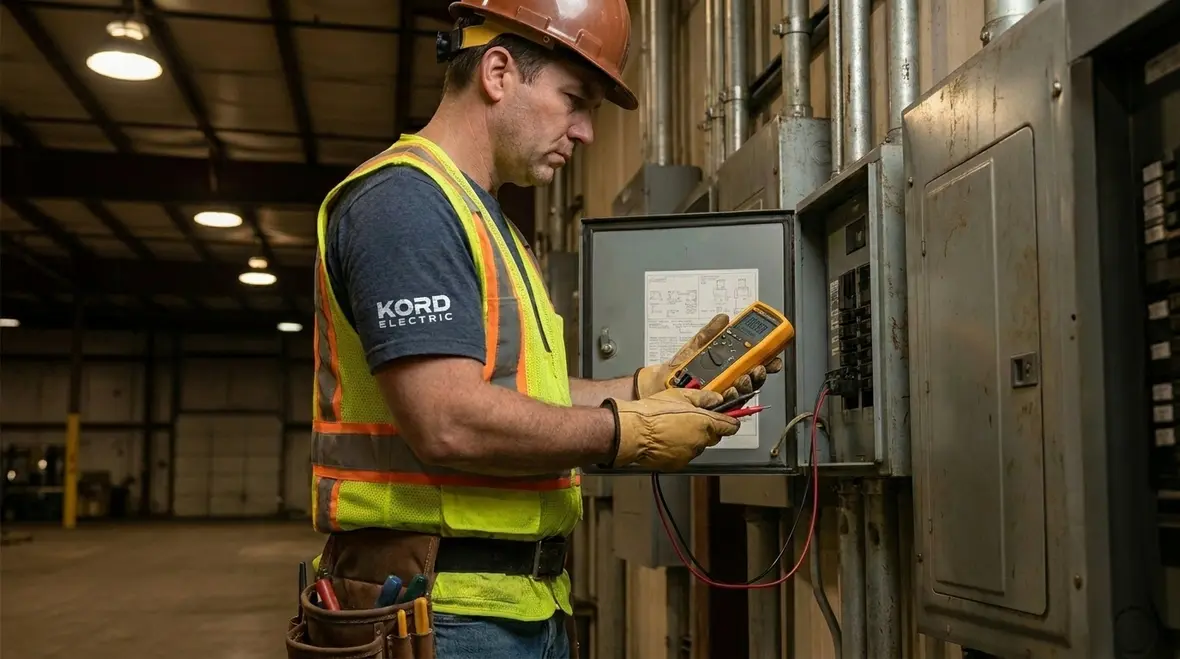
Even strong LED systems can behave poorly when the electrical supply swings too far. That is why we pay attention to voltage stability during retrofit planning. If your facility deals with voltage fluctuations, you can see issues like flicker, reduced lamp life, or inconsistent light output across bays.
We reference what we see in the field and align our approach with our guidance on voltage fluctuations in commercial and industrial environments. Unstable voltage can happen from utility variations, equipment startup loads, aging panels, or poor connections. Then the lighting may experience stress that shows up later as frequent failures, not right away.
So, when our technicians evaluate your site, they look at electrical conditions and how they connect to lighting performance. If needed, we recommend solutions such as improving power quality, tightening connections, or selecting drivers that handle a wider voltage range. In many projects, we do not just install LEDs. We help make the electrical environment behave better too.
Warehouse LED Retrofit Benefits that actually show up on your invoices
Many teams hear “LED” and think only about brightness. We focus on the full set of Warehouse LED Retrofit Benefits that hit real operations. First, LEDs convert more electricity into usable light, which means lower utility consumption. Second, LEDs usually reduce maintenance because they do not burn out like older sources. That matters in high-ceiling warehouses where each replacement becomes a logistics event.
Third, better lighting quality improves work flow. Clearer visibility helps reduce errors during picking and inspection. Additionally, it supports safer movement near docks, racking zones, and walkways where accidents are not just dangerous but also costly.
Fourth, modern retrofits often integrate controls. When we install compatible dimming or occupancy options, we match lighting output to how the space operates. For example, you can reduce output during low-traffic periods instead of paying full power all night. That is not fancy. It is just turning lighting into a disciplined business tool, not a constant expense.
And here is a small joke that keeps teams engaged. If your warehouse lighting runs at full blast 24/7, you are basically paying for spotlighting. Great for a theater. Not so great for quarterly reports.
Choosing fixtures, controls, and placement that fit your workflow
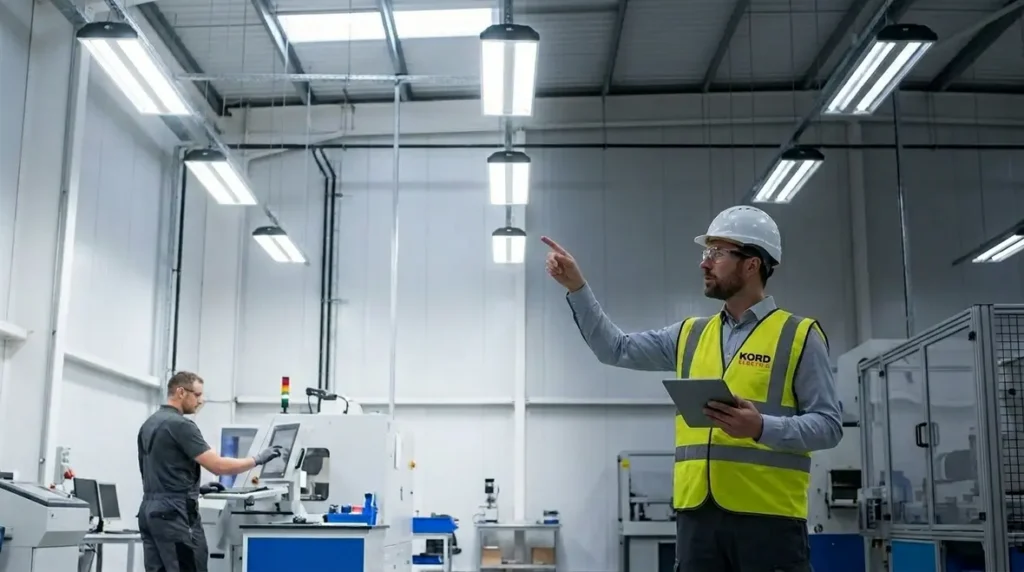
We help commercial and industrial facilities choose the right lighting layout, and that starts with placement. We evaluate aisle spacing, dock positions, and areas with high visual demand. Then we aim for consistent coverage so teams do not have dark pockets that slow work or increase the risk of missed damage on pallets.
Controls are the next lever. We look at how your building actually functions. Is it active around the clock or only during shifts? Do you have loading peaks? Are there offices, break rooms, or maintenance bays near the warehouse floor? When the control strategy matches usage patterns, it supports energy savings without making lighting feel unreliable.
We also consider how harsh environments affect performance. Warehouses bring dust, vibration, temperature swings, and high traffic. Therefore, we recommend fixtures with build quality that holds up and lenses that maintain output over time.
Then we verify the finished outcome. Our service team checks light levels and confirms coverage meets your goals. We do not want your retrofit to feel like ordering furniture with no instructions. We want it to work on the first day, not after a week of “we thought it would be brighter.”
How our technicians keep the retrofit process smooth
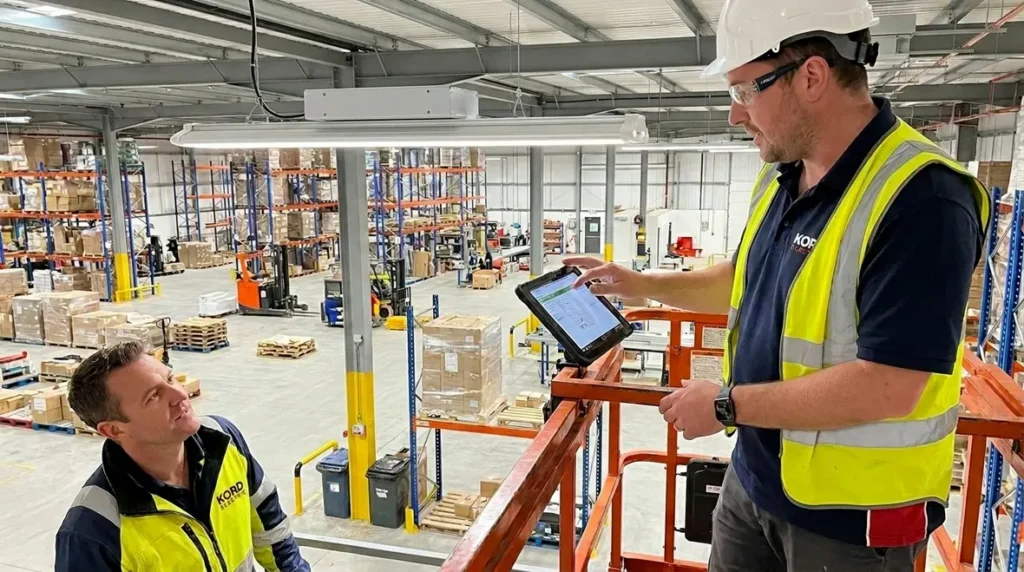
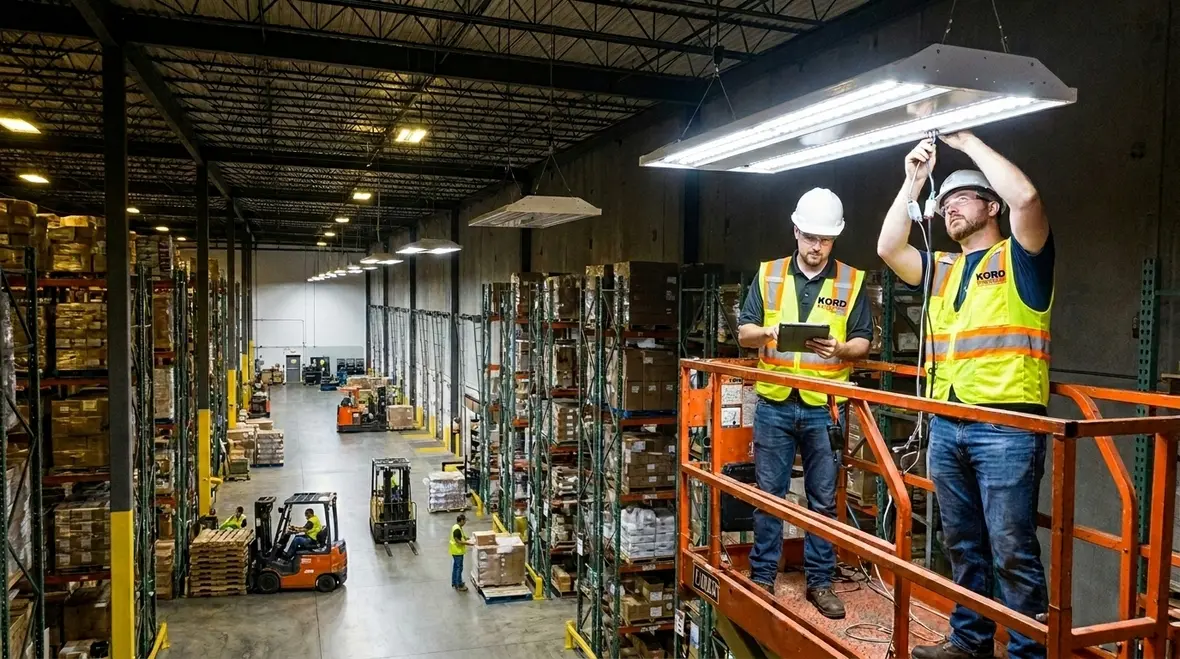
Once the plan is set, our technicians and expert service staff run the project with clear communication. We confirm access routes, coordinate work areas, and maintain safety practices that fit warehouse environments. We also document what we replace so your team understands the changes and can plan future maintenance with confidence.
During installation, we focus on fit and finish, but we also watch the electrical details. If we spot issues that could affect performance, we flag them early and explain options in plain language. That is how we keep the project from drifting into surprises.
After the install, we help you validate the results. We review control behavior, check for correct operation, and walk your team through what to expect. In short, we make sure the retrofit supports your facility instead of becoming one more thing your staff has to manage.
And if you ever hear someone say “just slap LEDs in and call it done,” we disagree. For commercial and industrial buildings, details drive results.
FAQ: Warehouse LED retrofit ROI and project planning
Ready to maximize ROI with a retrofit that fits your facility
If you want dependable results, start with a plan that matches your building, your schedule, and your electrical reality. Kord Electric serves commercial and industrial facilities and major property buildings, and our technicians and expert service staff guide the project from inspection to final validation. We help you reduce energy costs, cut maintenance interruptions, and support safer, more consistent lighting. To see how lighting fits into your broader power strategy, many facility teams also review our Los Angeles County electrical services and explore how warehouse upgrades connect to long-term infrastructure planning.
For facilities that want lighting to support reliability across the entire property, pairing Warehouse LED Retrofit Benefits with structured electrical preventive maintenance and targeted lighting upgrades from our lighting installation services helps keep systems efficient, stable, and easier to manage year after year. Contact us to review your site and discuss a retrofit approach designed for measurable ROI.
When you are ready to turn your warehouse into a safer, more efficient space with lighting that works as hard as your team, we are ready to help design, install, and maintain a solution that delivers the kind of ROI you can actually see on your invoices and in your day-to-day operations.