Warehouse Lighting Upgrades LED Systems Controls and Energy Savings
At Kord Electric, we focus on warehouse lighting upgrades that actually move the needle for commercial and industrial facilities and major property buildings. We install Warehouse Lighting Upgrades: LED Systems, Controls & Energy Savings so teams get better visibility, lower operating costs, and controls that work like they should from day one. And yes, we know lighting projects can feel like “exciting” work, like watching paint dry or waiting for a software update. Yet when we do it right, it is one of the fastest ways to improve how a building performs.
In the sections that follow, we break down how upgrades work, how our technicians explain the process, and how we help others avoid the common traps that lead to wasted spend. You will also see practical steps, from fixture selection to controls that reduce energy use without creating new problems.
Assess the warehouse light the way our experts would
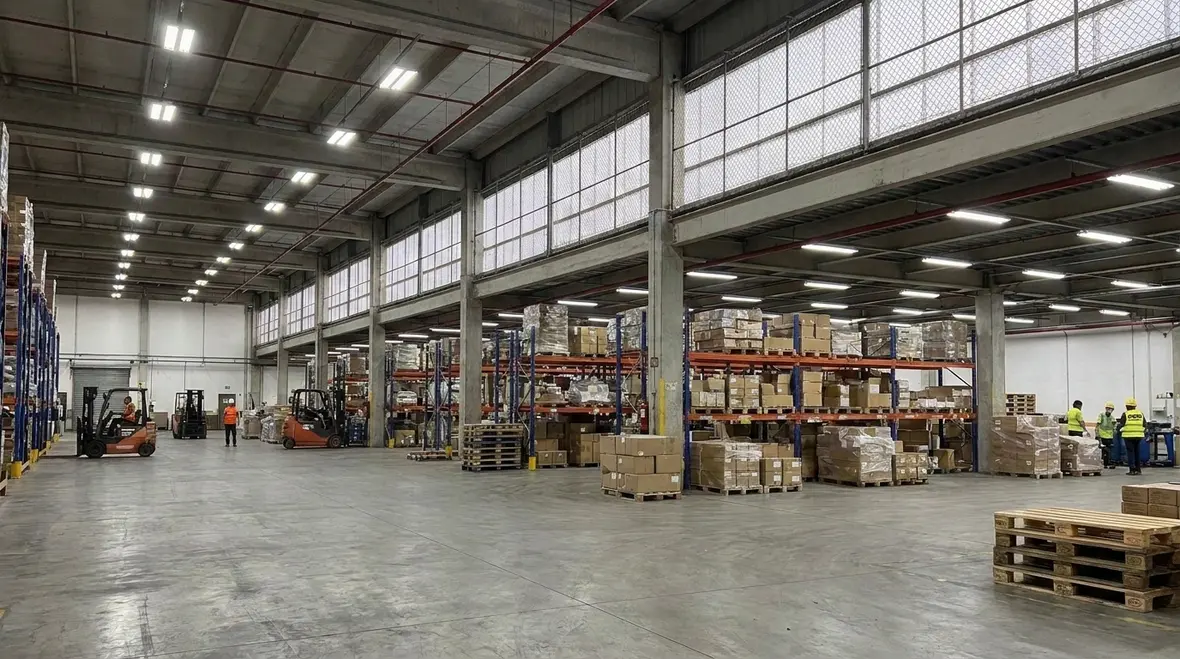
To start strong, we look at the actual job site, not just the utility bill. Others often guess based on age alone. We do the deeper work. First, our technicians review current lamp types, fixture condition, mounting heights, and how the beams fall across aisles, docks, staging areas, and loading bays. Then we evaluate maintenance history, including cleaning schedules and how often failed components get replaced.
Next, we map where the light matters most for safety and productivity. For example, a warehouse usually needs consistent light along walking paths, forklift routes, and picking zones. Meanwhile, dock doors and high bay areas can behave differently due to reflectivity and airflow. As we measure and note those differences, we avoid “one size fits all” decisions.
We also consider how your operation runs. If you have shift changes, seasonal hours, or areas that stay empty most days, controls can save money without turning the building into a cave. In other words, we help you cut energy use while still keeping real-world visibility.
Finally, we estimate your savings using your current use pattern. That means we look at wattage, expected operating hours, and how often lighting stays on during low demand periods. This is where projects succeed or stall, because expectations must match your actual workflow.
What LED systems improve in high bay and dock areas
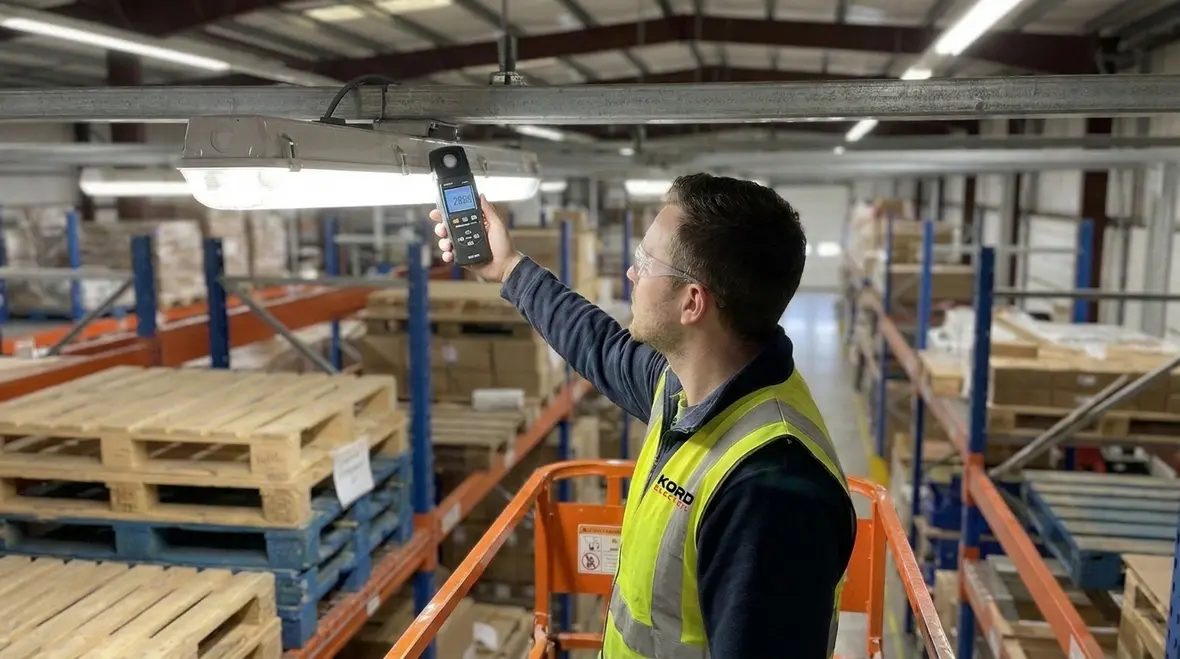
Once we understand your layout and daily usage, we move to LED upgrades. In a typical warehouse, LEDs bring three key benefits: better efficiency, strong light output, and better color control. However, the details matter. Our experts select fixtures based on beam spread, mounting height compatibility, and the way the light lands on floors and racks.
When LEDs replace older systems, the immediate win is usually lower watts per foot while keeping or improving measured brightness. Yet we do not stop at “brighter equals better.” We focus on uniformity. Uneven lighting makes workers slow down to spot hazards, and it can also cause cameras to struggle in security applications.
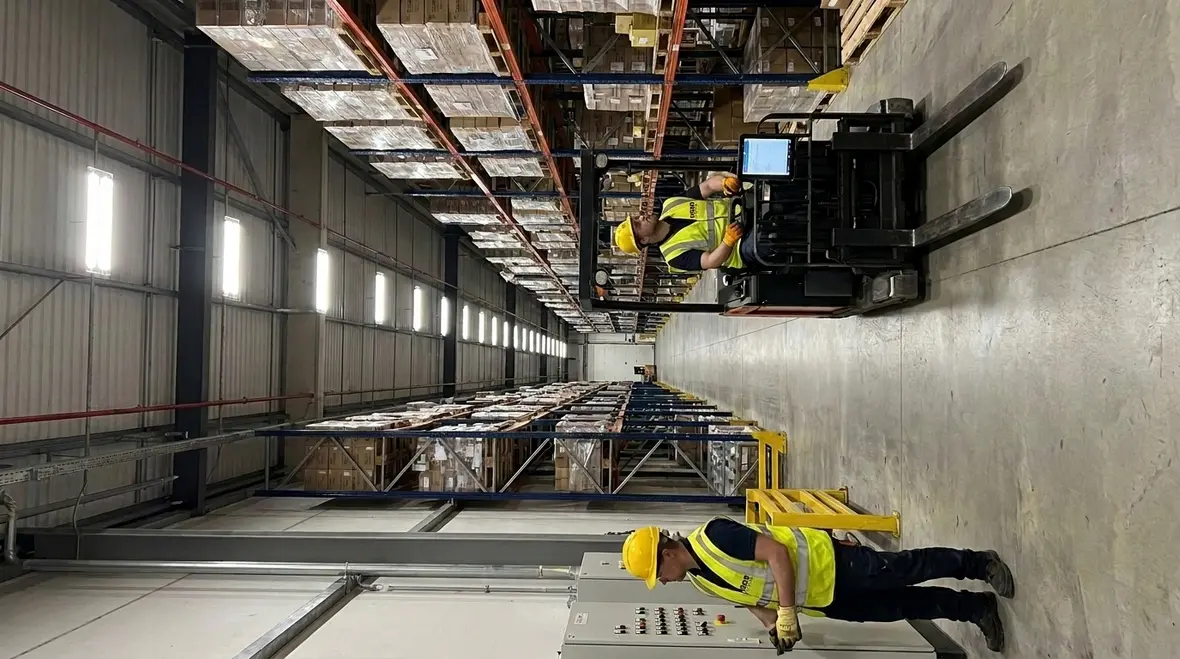
For high bay spaces, glare control and mounting alignment matter just as much as brightness. If fixtures sit at the wrong angle or do not match the bay geometry, you get hot spots and dark corners. And forklifts do not enjoy surprises, even if pop culture trucks do in movies.
For dock areas, door openings and exterior light can change the experience. We design solutions that keep visibility stable enough for safe movement during load and unload operations. At the same time, we plan for temperature effects and dust conditions so the fixtures stay reliable.
As part of our warehouse lighting upgrades, we also help others plan the scope so the facility can keep operating with minimal disruption. That means staging work, coordinating access, and phasing installs to match your shift needs.
If you want to dive deeper into how LEDs and controls support real-world ROI, you can explore Kord Electric’s guide on warehouse lighting automation efficiency, which walks through zoning, automation, and long-term energy performance.
Controls that help us avoid “lights on all day, always”
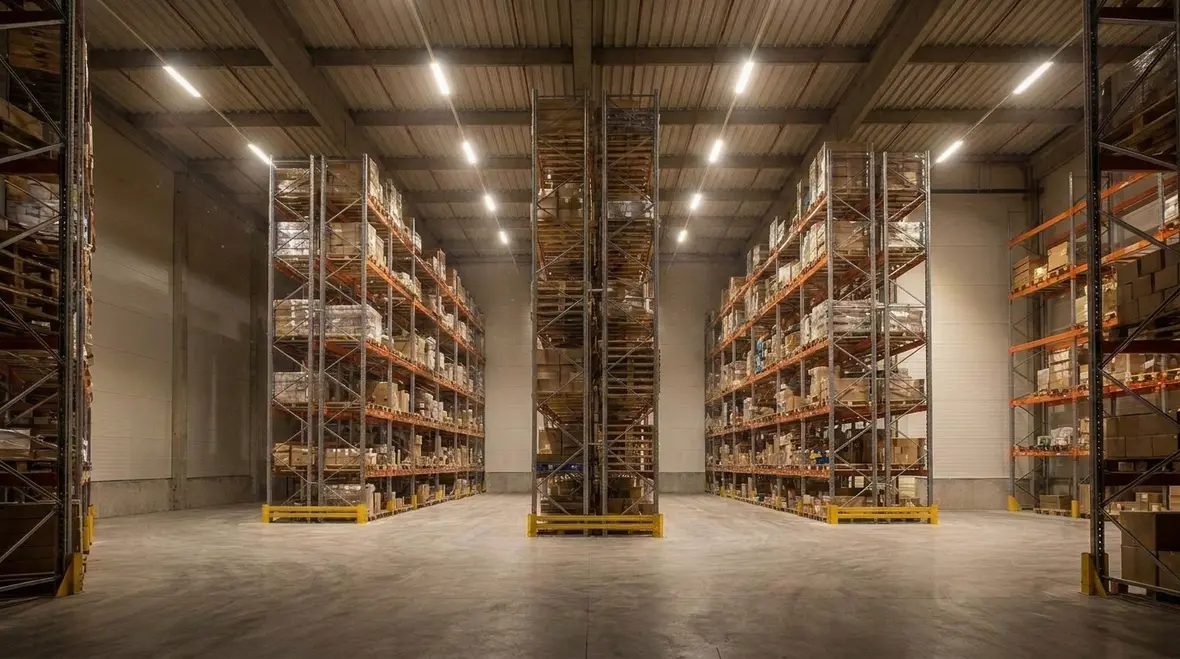
If a warehouse has occupancy patterns, it should not run lights at full output 24 hours a day. Controls turn lighting into a system that responds. Here is where our team brings calm, clear guidance. Our technicians explain your options in plain language, so facility managers can make decisions with confidence instead of guessing and hoping.
Common control paths include scheduling, daylight response where suitable, and occupancy sensing in areas that do not stay active. We also consider step dimming, which keeps lights at a safe level during low activity and ramps up when movement occurs. That approach helps reduce energy while supporting safe transitions for workers.
Additionally, we look at how controls integrate with the building environment. For larger warehouses and multi zone buildings, we design controls by area so that a receiving dock does not dictate lighting levels for office space or storage racks. This also helps prevent “why did that zone change” confusion among staff.
We also discuss fail safe operation. If a sensor fails, lights should not behave unpredictably. Instead, they should default to a safe and consistent mode. In a warehouse, you cannot afford lighting that acts like it has a mind of its own.
For major property buildings with many tenants or complex layouts, we help others plan for coordination and commissioning. We verify settings, test response times, and document how the system should behave. Then we train the people who manage it, because technology only pays off when it is used correctly.
Energy savings you can estimate without wishful thinking
Energy savings come from more than just switching to LEDs. We calculate savings using three layers: fixture wattage, operating hours, and control strategies. If your lights currently run with no zoning and no scheduling, the controls can drive a big part of the reduction. If your building already uses some scheduling, we still improve it by adding smarter zoning and better dimming behavior.
To make results credible, we review utility rates, demand considerations where applicable, and whether the facility sees peak charges during long operating periods. Some warehouses pay attention to total kWh. Others also care about demand. We account for both so leadership gets a full picture.
In our process, we also check for power quality and electrical compatibility so the new LED drivers perform as expected. This is one of those unglamorous tasks that nobody posts about online, but it prevents problems like flicker, nuisance trips, or unexpected maintenance calls.
Then we look at maintenance impact. LED systems usually cut replacement frequency, and a well planned upgrade supports better long term performance. We advise others on cleaning cycles and how dirt buildup affects output, especially in dusty warehouse conditions.
Finally, we help others measure success after installation. We verify brightness where it matters, review controls behavior, and align the system with the facility’s real use. In short, we do not treat savings like a magic trick. We treat it like a process.
Design details that protect safety and keep productivity high
Warehouses are busy places. People walk, equipment moves, and materials shift fast. Therefore, lighting design has to support safety and reduce errors. We focus on the practical outcomes: fewer shadow gaps, better contrast, and consistent coverage across work areas.
One major factor is luminaire placement relative to racks, dock doors, mezzanines, and forklift lanes. If lights sit too far apart or do not account for the geometry, workers see uneven illumination. That can slow picking, increase mistakes, and raise the risk of slip or trip incidents. We help others avoid that by planning layouts with your rack spacing and aisle patterns in mind.
We also consider lighting color and how it affects perception. While most people do not think about color rendering until it causes an issue, it can matter for tasks that require visual detail, like inspection, labeling, or quality checks. Better light quality supports accurate work.
Another detail is glare. In some warehouses, glare comes from high contrast areas near windows, bright reflective floors, or incorrectly aimed fixtures. We design to control glare so workers stay comfortable and cameras capture clearer images.
Finally, we handle commissioning. Our technicians verify that each zone responds as intended, and that schedules and dimming settings match your operations. Then we document everything in a way your team can use. Because when the warehouse changes overtime, you need a system that you can adjust, not one that becomes a black box.
And for those wondering, yes, we also plan for the human side. If your staff cannot understand the controls, they will disable them. That is not a plan. That is a comedy routine nobody requested.
Costs and project planning for commercial and industrial facilities
Upfront cost matters, and so does timeline. At Kord Electric, we help others plan warehouse lighting upgrades with a clear scope, realistic scheduling, and a focus on keeping your operation moving. We coordinate access windows, staging, and installation sequencing so you do not lose critical working time.
We also help others choose the right level of control for the facility. Some buildings need basic scheduling and zoning. Others benefit from more advanced controls that support step dimming across multiple areas. The goal stays the same: reduce energy use in a way that staff can live with.
Then we talk about long-term value. LEDs can offer strong payback when installed correctly, paired with controls that match occupancy patterns. However, payback depends on fixture selection, placement quality, and how the system gets used. That is why our technicians explain the setup and how to maintain it.
We also consider building safety during the install. Working at height in a warehouse is not casual. We plan for safe access, proper electrical work, and clean job sites. You get a professional outcome without turning your facility into a construction zone for weeks.
Finally, we help others keep documentation organized. That includes equipment details, control settings, and commissioning notes. Facility managers get what they need for future planning, troubleshooting, and audits.
If your facility is also looking at broader electrical improvements along with Warehouse Lighting Upgrades: LED Systems, Controls & Energy Savings, you can coordinate the work with Kord Electric’s Los Angeles County electrical services so lighting, power distribution, and controls move forward together.
Frequently Asked Questions
Call Kord Electric for your next lighting upgrade
If you operate a commercial or industrial warehouse or a major property building, you deserve lighting that performs, not lighting that just turns on. Kord Electric designs and installs Warehouse Lighting Upgrades: LED Systems, Controls & Energy Savings that improve safety, support productivity, and reduce energy cost with smart controls. Contact us to schedule a site assessment, get a clear plan, and move forward with a project your team will actually trust. We will handle the details, and you will feel the difference.
To see how lighting retrofits fit into a broader energy strategy for commercial buildings, you can also review Kord Electric’s insights on warehouse lighting automation and efficiency, which connects fixture choices, controls, and long-term performance into one roadmap.