Critical Electrical Assets Examples Facility Managers Know
Critical Electrical Assets: Examples Every Facility Manager Should Know
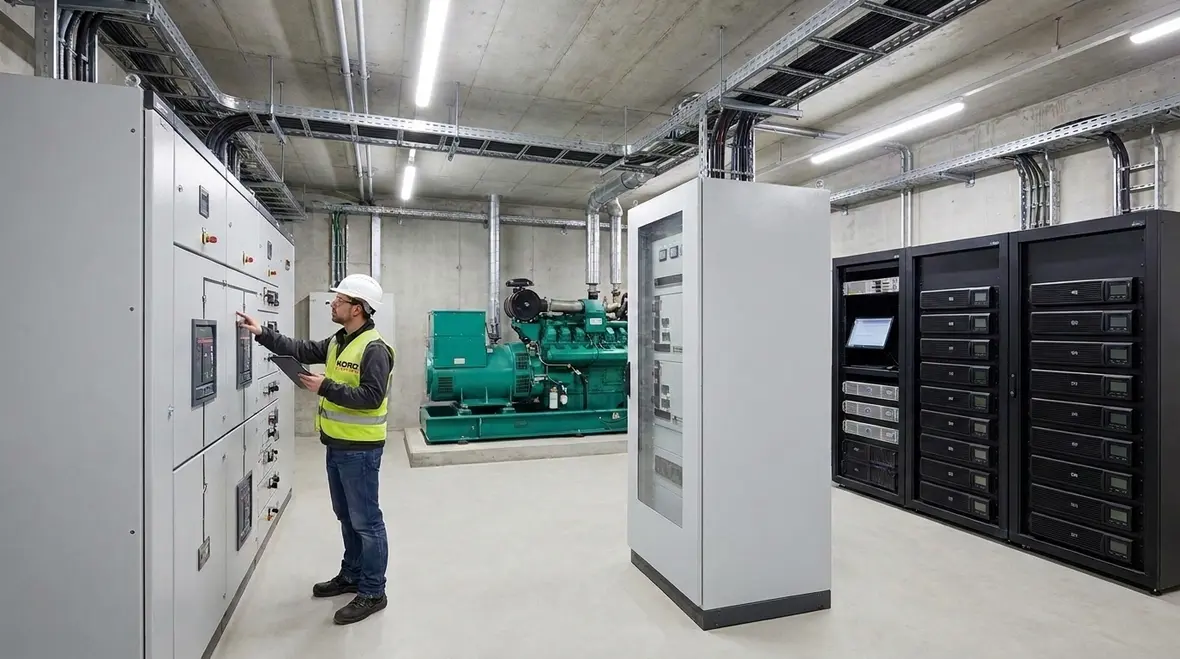
In commercial and industrial facilities, we treat power like a living system. When it fails, the consequences do not stay neatly in a spreadsheet. Critical Electrical Assets: Examples Every Facility Manager Should Know show up fast in real life, too. We look first at switchgear that feeds whole buildings, then at backup power like generators and UPS units, and we do not forget branch panels tied to life safety systems. We also track transformers, busbars, feeders, critical motors, and metering circuits that monitor demand and detect faults. If you manage a major property building, you already know the punchline: electrical problems rarely arrive alone. They often bring downtime, compliance issues, and after hours callouts that cost more than a movie ticket and a pizza combined.
Kord Electric supports facility managers with practical asset management. We build plans that technicians can follow on site, and our expert service staff explains each step in plain language, so your team stays informed without needing a power engineering degree.
Build an Electrical Asset Map That Your Team Can Use
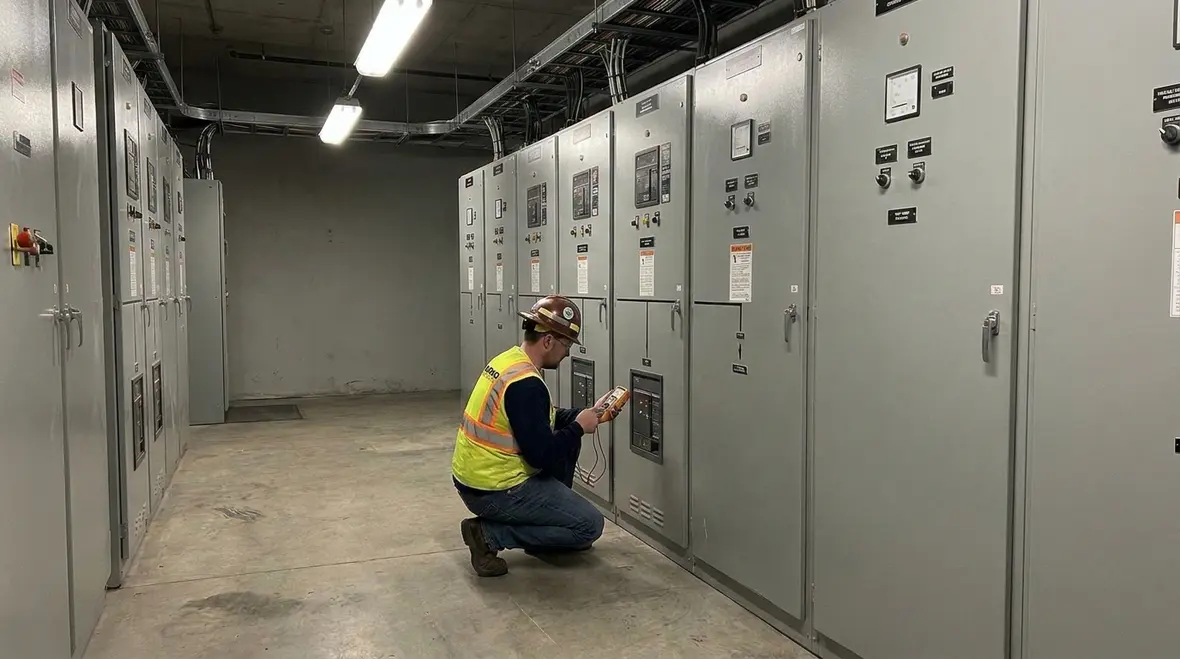
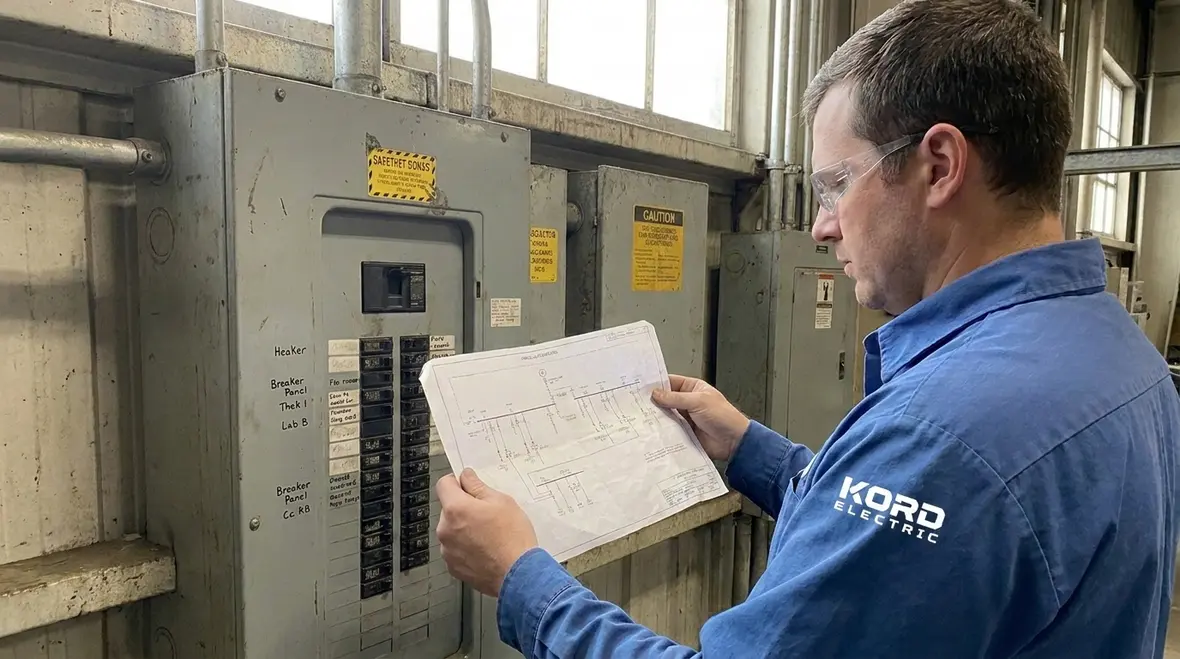
A strong program starts with a clean inventory. First, we group assets by function, risk, and impact. Then we tie each item to drawings, single line diagrams, and the actual labels in the field. That matters because a panel schedule that does not match the floor labels is like a GPS that insists you turn left into a wall.
From there, we assign ownership and workflow. For example, our expert service staff will show facility teams how to link work orders to specific components, such as breakers, relays, and bus connections. They explain what “critical” means in a real operational sense, not just on paper. So you can decide what gets monitored, what gets tested, and what gets upgraded when risk rises.
To support this, we follow guidance aligned with the electrical system asset management approach described in our Electrical System Asset Management Guide. We also focus on commercial and industrial facilities where uptime drives the budget and safety drives the schedule.
- Identify assets by system and function, not only by location
- Match field labels to one line diagrams and equipment tags
- Assign risk levels based on consequence of failure
- Set data quality rules for inspections and work orders
Which Assets Fail First and Why They Matter
Even well run buildings experience wear. However, some electrical assets show fatigue earlier and create bigger harm when they do fail. We see patterns again and again, especially in facilities with heavy loading, frequent process changes, or older infrastructure still doing its best work like an overworked hero in a late season episode.
One example is switchgear and distribution gear. When maintenance slips, we often find issues like worn contacts, heat damage, or failing protective devices. Next come transformers and feeders. They face thermal stress and can suffer insulation breakdown. Then we look at UPS and critical power systems that protect servers, controls, and life safety loads. If these systems do not transfer correctly, a “brief interruption” turns into a shutdown and a lot of panicked calls.
We also pay attention to motor control centers and large motor feeders. Motors drive many industrial processes, and faults can spread quickly when protective coordination falls behind reality. Finally, we consider metering and monitoring equipment. Faults that go unnoticed for weeks do not stay small, they grow.
What Does Good Asset Management Look Like in Practice
We make asset management feel less like paperwork and more like a dependable routine. First, we set inspection and test intervals based on asset type, criticality, and past performance. Then we link findings to action plans. Instead of “we will look at it someday,” your team gets a clear decision trail.
Our technicians follow a practical cycle: assess, document, prioritize, and improve. During site work, our expert service staff walks your team through what they see and why it matters. They explain symptoms and root causes in a calm, direct way, so the facility manager can make better calls without guessing.
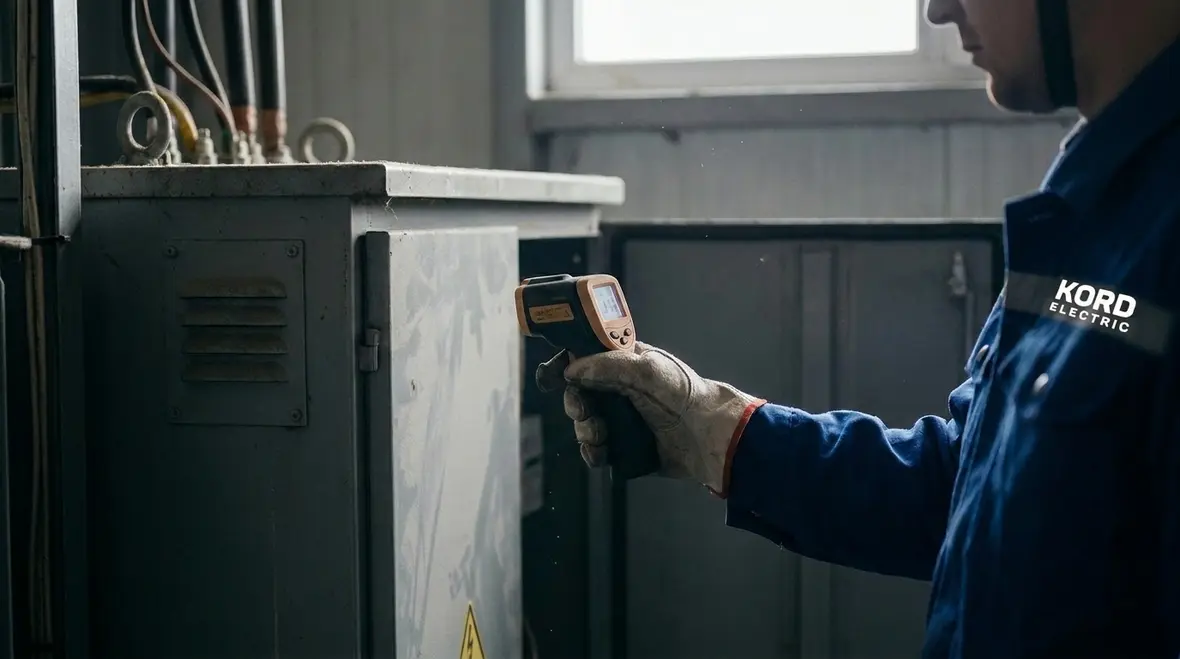
For instance, if we find signs of overheating in a breaker compartment, we do not just note it. We determine the likely cause, recommend corrective steps, and align the work with safe shutdown practices. If we uncover aging insulation indicators, we adjust the testing approach. If protective devices show drift, we schedule updates that keep selectivity working during faults.
- Use risk based intervals for testing and inspection
- Track findings with clear severity and next steps
- Validate protective coordination and system response
- Plan upgrades when data shows rising failure probability
Meanwhile, we keep the program aligned with the asset management principles in our Electrical System Asset Management Guide, especially around data quality, consistent processes, and actionable outcomes. If you want to see how asset records connect to lifecycle planning in more depth, our article on Electrical Distribution Equipment Data Management for Commercial Facilities pairs naturally with these field practices.
How We Prioritize Work Orders Without Guesswork
Priority should not rely on who shouts loudest. We prioritize by impact and likelihood. So first we review what each component feeds. Then we evaluate the consequences of failure, including safety risk, downtime cost, and compliance exposure.
After that, we compare historical results. Equipment that has needed repeat repairs or shows frequent alarms moves up the list. Also, assets in harsh environments, such as dust, moisture, or vibration, get earlier attention. Transitioning from “reactive mode” to scheduled action saves money, because emergency work usually costs more than planned work and disrupts operations more than it should.
Our technicians and expert service staff also help facilities connect the electrical work to the broader operating timeline. For example, if production shuts down for maintenance, we align deeper testing or upgrades with that window. This reduces downtime and prevents your team from running two crises at once. It is like doing the big chores while the car wash is already open. Efficient and strangely satisfying.
Real Asset Stories From Commercial and Industrial Sites
We know that facility managers prefer examples that feel real, not theory dressed in a lab coat. So here is how our work often looks on major property buildings and industrial sites.
First, we see distribution panels feeding critical areas. In one case, scan data and inspection notes showed recurring heat patterns at terminations. Next, technicians traced the issue to torque drift and contact wear. Then we performed corrections, updated labeling, and recommended a clear re test schedule. That reduced nuisance alarms and improved reliability without forcing an unnecessary shutdown.
Second, UPS systems sometimes fail quietly until the moment they must save the day. In another facility, a battery health check and load review revealed that runtime margins were shrinking. Instead of waiting for an actual event, we helped the team plan battery replacement and verify transfer performance. When the system finally had to protect load, it behaved like it should.
Third, we handle switchgear where protective devices need ongoing attention. In one major building, time delay settings and coordination logic had drifted after past modifications. As a result, faults did not clear in the intended sequence. Our technicians reviewed the single line, tested the protective response, and guided corrective actions so the right sections cleared first. The building kept power more often, and maintenance crews spent less time troubleshooting the aftermath.
Across these projects, we keep the same thread: connect field conditions to clear documentation and action. If you want more examples of how this plays out during upgrades, our discussion of data-driven electrical design for commercial and industrial facilities shows how critical asset insights flow into future design decisions.
Featured FAQ for Facility Managers
Plan the Next Steps With Kord Electric
Facility managers deserve electrical systems that behave predictably, especially in commercial and industrial environments. We help you identify Critical Electrical Assets: Examples Every Facility Manager Should Know, map them to real field conditions, and manage inspections and upgrades with clear priorities. Our technicians and expert service staff explain results in plain terms and guide your team toward practical action. If you want a calmer operation and fewer surprise shutdowns, contact Kord Electric today and let us build a plan your operations team can trust.
For facilities in Southern California that need ongoing help beyond a single project, you can explore Kord Electric’s broader Los Angeles County electrical services to align critical electrical asset management with preventive maintenance, upgrades, and emergency support across your entire portfolio.
And if you are planning tenant improvements, lighting projects, or data-driven system upgrades, Kord Electric’s commercial service pages and guides help connect those projects back to the same critical asset map. That way, every panel upgrade, feeder change, and control modification supports the long term reliability story you are building for your facility.