Data Center Design Power Distribution Architecture Redundancy
At Kord Electric, we see data center design power distribution as more than a single diagram. In the first place, we align the electrical plan with the site’s risk, heat load, and real operating needs, then we build the path to uptime from utility to load. In other words, we treat reliability like a system, not a slogan. Our team also explains the choices clearly, because nobody should feel like they are reading a comic book written in electrician shorthand. And yes, we will admit it: power systems can look mysterious at first, like a transformer in a sci fi movie. However, when our technicians walk you through architecture decisions, the mystery fades fast and the results stay.
We follow a structured approach that matches what many of our clients ask for: practical distribution design that reduces downtime, supports fast maintenance, and keeps critical loads stable. Later in this guide, we get specific about topology, redundancy, coordination, and the details that make a design actually work in a commercial and industrial environment.
Data Center Design: Power Distribution Architecture & Redundancy, built for real uptime
When you plan Data Center Design: Power Distribution Architecture & Redundancy for real uptime, the distribution drawing is only the start. We look at how each choice affects risk, maintenance, and recoverability. That means thinking about how operators will actually use the system at 2:00 p.m. on a busy Wednesday and at 2:00 a.m. during a surprise outage. We build the power path so your team can trust it, not just admire it.
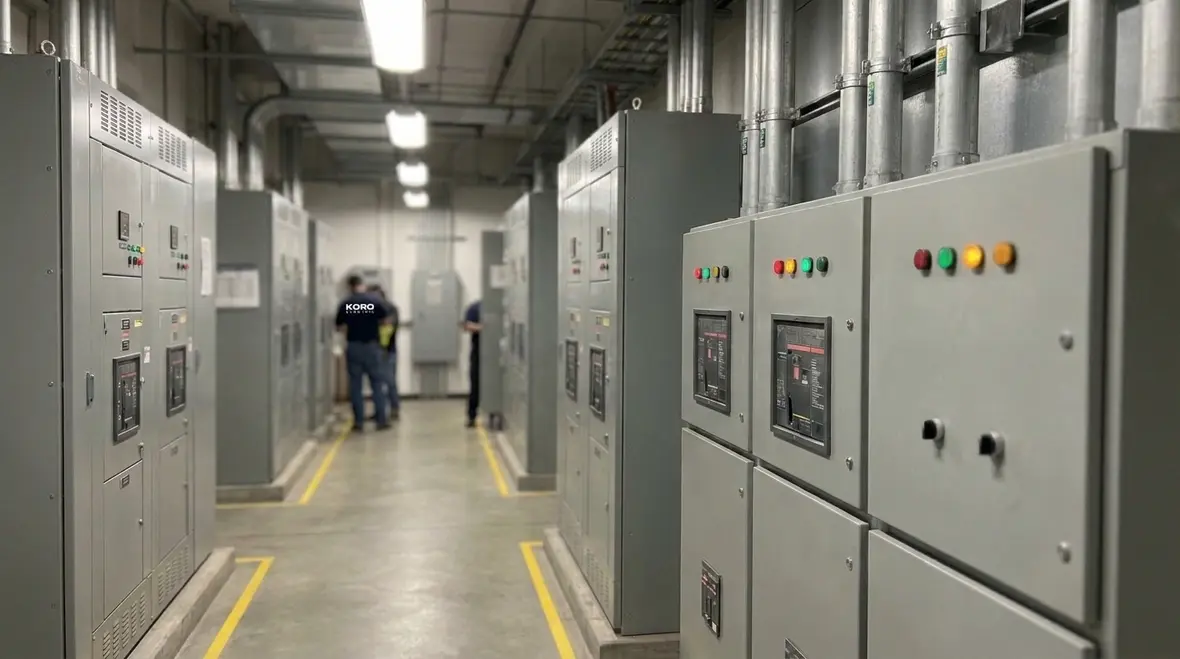
If you want to compare this design focused article with a deeper technical backbone overview, you can also review Kord Electric’s companion piece on Data Center Electrical Distribution Design for Reliability. Together, they show how architecture, protection, and operations combine into a single reliability strategy instead of disconnected decisions.
How we map the power path from utility to critical loads
When others rush this step, their single line diagram looks neat, but the plant may still struggle during abnormal events. So we start by mapping how energy moves. First, we define incoming voltage levels, utility behavior, and the role of onsite generation if you have it. Then we choose how to distribute power so that critical circuits stay energized when something fails.
For commercial and industrial facilities, we focus on clean boundaries between supply, protection, and distribution. That includes bus sections, transfer methods, and how we group loads such as IT racks, cooling support, network gear, and life safety circuits. At the same time, we avoid mixing loads that behave differently under fault or maintenance conditions.
To keep the design reliable, our technicians also look at “normal” and “not normal” cases. Normal includes steady state and routine load changes. Not normal includes maintenance on upstream gear, a nuisance trip, a short event, and a delayed utility reclose. Because if the plan only covers the good days, you are basically betting your uptime on luck. And luck is a terrible engineering standard, even if it feels lucky during office hours.
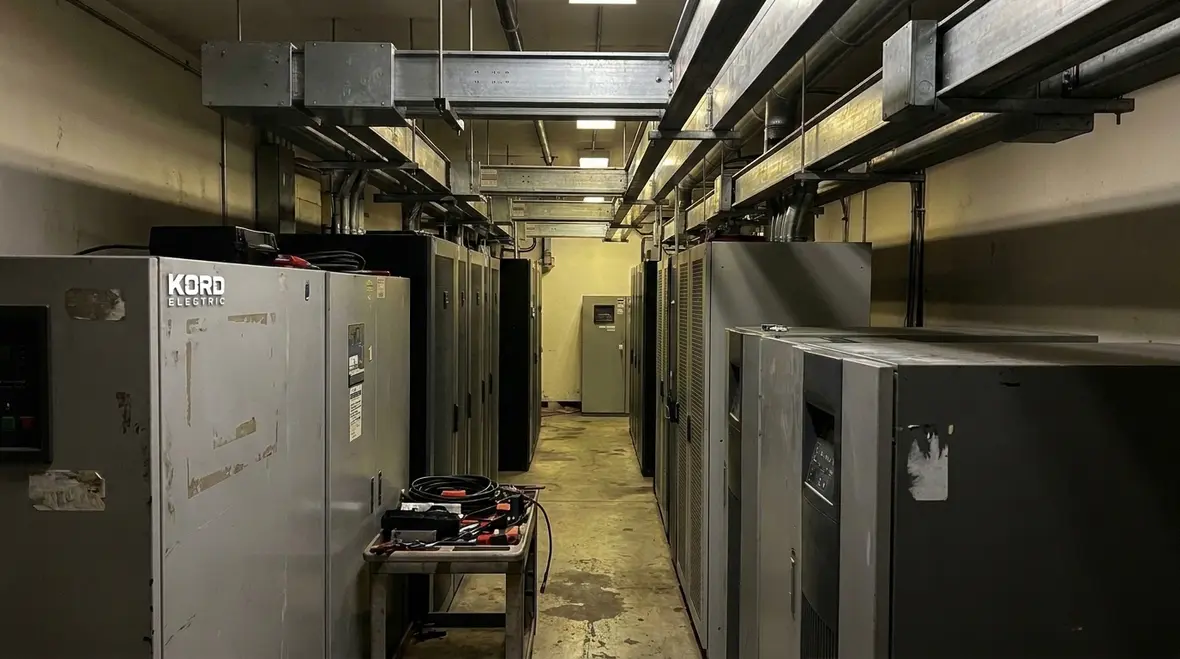
We also align the power path with the broader electrical infrastructure. That can include upstream substations, medium voltage distribution, and how your data center interacts with the rest of the property. When leaders evaluate long term plans, we often connect this mapping effort with insights from resources like Kord Electric’s data center electrical infrastructure design content, so the distribution and backbone decisions reinforce each other instead of fighting for space.
Redundancy options that do not just sound good on paper
Redundancy should be measurable. Therefore, we evaluate how much risk each architecture removes, and we match that level to your operational goals. Our technicians explain tradeoffs clearly, because you should understand what you gain, what you spend, and what you still must manage.
In many major property buildings and data center projects, we see clients choose between common redundancy approaches. Some designs isolate risk by using separate paths for separate loads. Others maintain continuity through fast switching and mirrored distribution. We support either approach, but we do not stop at the label. We examine the details: how bus sections split, where transfer happens, and whether critical loads see interruption when protection operates.
Also, reliability depends on coordination. For instance, if upstream protection clears faults too slowly or too broadly, the “redundant” path may still lose the load you meant to protect. So we coordinate settings so the right device clears the right fault, at the right time, without dragging down everything else. We also plan maintenance steps so that switching and repairs do not turn into surprise outages.
Our redundancy design work often overlaps with broader uptime strategies like those in Kord Electric’s guidance on data center power reliability and redundancy. In practice, that means we do not chase “two of everything” as a slogan. Instead, we prioritize separation, selective fault clearing, and transfer sequences that your team can operate confidently during real events.
Single line diagrams that reflect how maintenance actually works
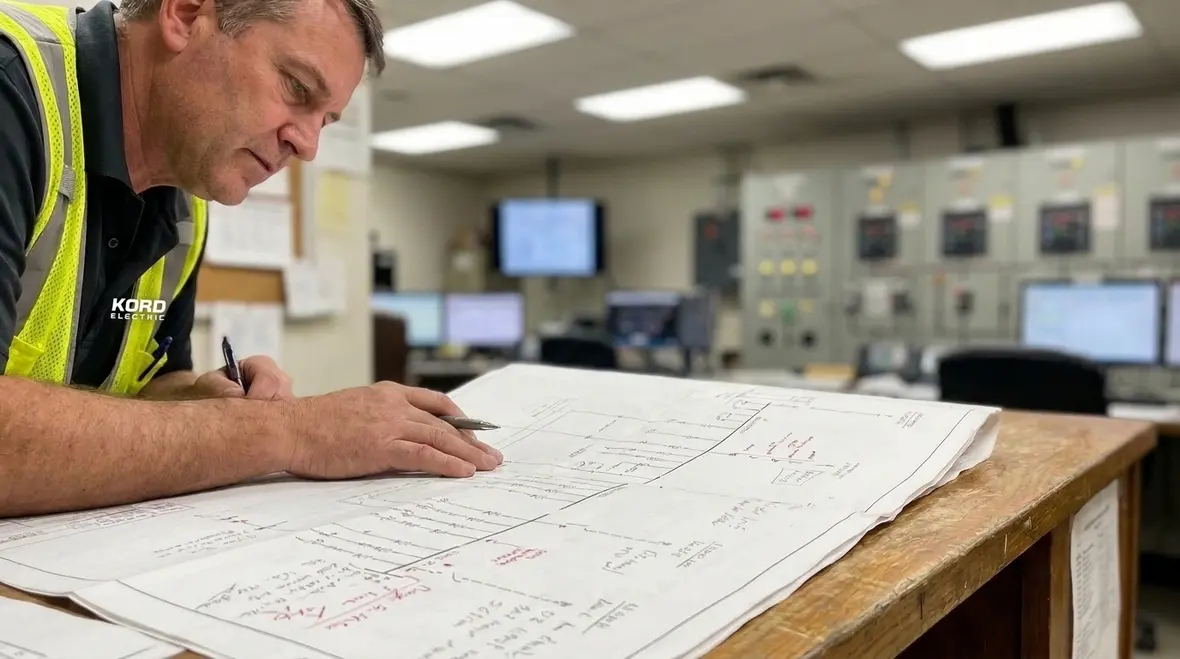
We have learned that many design teams draw electrical plans from a desk. Meanwhile, real maintenance teams work in the field, on real schedules, with real constraints. So we build diagrams that mirror operational reality. In practice, that means we show how operators isolate sections, how interlocks work, and how the system transitions during planned work.
Our expert service staff explains this part in plain terms during reviews. We walk through the “sequence of operations,” not just the equipment list. First, we identify the segments that require isolation. Next, we confirm how transfer paths behave while one segment is out of service. Then we check whether monitoring and alarms will alert staff to the right conditions.
And yes, we will include a joke if it helps the team remember the point. Think of interlocks as the bouncer at a club. If they do their job, only the right guests get in. If they fail or are misunderstood, you end up with everyone crowding the wrong door, and the entire night turns into chaos. In electrical terms, that chaos is downtime.
For facilities with strict uptime targets, we often align these diagrams with maintenance roadmaps similar to those in Kord Electric’s data center electrical maintenance checklist content. When maintenance steps, isolation points, and single line diagrams all agree, work becomes predictable instead of stressful.
Protection and coordination: where reliability either holds or breaks
Protection is where good design becomes real-world performance. If protection does not coordinate, faults spread, and continuity claims turn into expensive regret. So we treat protective device selection and coordination as a main pillar of power distribution design for data center reliability.
We ensure current limiting, selective clearing, and stable coordination across the system layers. That includes upstream breakers, switchgear protection, bus protections, and downstream devices. We also review how relays respond, including timing margins and fault current levels at each bus.
Transition points matter too. When a system relies on transfers, the protection strategy must cover both source health and switching conditions. Therefore, we define how devices behave during abnormal voltages, generator transitions, and breaker operations. We also consider how the design impacts motor loads like pumps and fans, because those loads can act differently during fault conditions.
Our technicians document the logic and provide clear guidance so that facility teams can operate the system confidently. That way, the system does not rely on “tribal knowledge.” You get repeatable operations, fewer surprises, and faster response when something unusual occurs.
This protection focus also connects back to broader reliability guidance across Kord Electric’s data center power and infrastructure articles. The theme stays consistent: good coordination turns complex gear into a calm system; poor coordination turns a small disturbance into a sitewide event.
Load planning, balancing, and the heat behind the electrical choices
Power distribution design cannot live in a vacuum. It must match the loads and the environment. In data center design, the loads connect to IT growth plans, redundancy targets, and the reality of cooling demand. As loads increase, voltage drops, thermal limits, and fault currents also change. So we plan with a long view while still meeting the immediate project needs.
We start with load analysis and classification. Then we assign criticality levels and route loads to the intended distribution paths. After that, we check load balance where required to support efficient operation and stable thermal conditions in conductors and panels.
We also pay attention to bus and cable ampacity under expected ambient temperatures. If the electrical design ignores heat, it can lead to derating and unexpected nuisance trips later. And when your facility gets busy, those trips feel like a tax on productivity. Nobody budgets for surprise electrical edits.
At Kord Electric, our service staff also helps clients understand how their power plan supports cooling systems. We connect electrical capacity decisions with the cooling architecture so that critical systems keep stable power even as cooling loads change.

When teams compare options, we often reference related planning articles that cover electrical panel capacity and data center efficiency. The intent is simple: show how thoughtful load planning reduces surprise upgrades and keeps both the electrical and mechanical sides of the house happier over time.
Designing for monitoring, alarms, and smarter operations
Even the best electrical architecture needs visibility. Therefore, we integrate monitoring that supports decision making. We plan metering and alarm points so facility teams can detect issues early, not after the machine rooms feel it.
We define what to monitor at each level, including upstream supply health, distribution status, transfer conditions, and protective device events. Then we align that data with operational workflows. For example, if a transfer occurs, the right team should receive alerts with enough context to act quickly.
We also help clients think through how to respond. A simple alarm without guidance can cause delays. So our technicians and expert service staff explain what each alarm means and what actions typically follow. That kind of clarity keeps operations calm during stressful moments. Calm is underrated, like good lighting in a server aisle.
Monitoring design also becomes a bridge between daily operations and long term planning. Over time, trends in alarms, loading, and power quality can point directly to where an upgrade or redesign will give you the most reliability per dollar.
How Kord Electric supports commercial and industrial projects end to end
Our focus stays where it belongs: commercial and industrial facilities, and major property buildings that need dependable power distribution. We do not build for curiosity. We build for uptime, safety, and long-term maintainability.
From design review through installation planning and service follow-up, we coordinate across stakeholders. We work with project teams, facility operators, and electrical contractors to reduce gaps between drawing intent and field reality. When changes happen during construction, our staff helps protect the reliability goals rather than letting them drift.
Most importantly, we communicate. Our technicians explain the why behind the architecture so your team understands how redundancy works, how protection behaves, and how maintenance can happen without losing critical power. That knowledge is a form of resilience, too.
Because many of our clients operate across Southern California, we often connect individual data center work with broader service offerings such as Los Angeles County electrical services. That way, leaders get one coordinated path for upgrades, troubleshooting, and future projects across their entire portfolio.
FAQ
Ready to strengthen uptime in your facility?
If your team wants a power plan that supports uptime, safe maintenance, and clear operations, Kord Electric is ready. We use a reliability focused approach to Data Center Design: Power Distribution Architecture & Redundancy, and our technicians explain the details so your staff understands the system. Reach out for a project review and let us map your power path, coordinate protection, and plan for real world operations in your commercial and industrial facility. You build the future, we keep the lights on.
Whether you are planning a new build or upgrading an existing site, aligning your distribution architecture with a broader strategy for capacity, reliability, and service across your portfolio makes each upgrade easier. Our team is ready to help you connect this design approach with practical field work, from data centers to larger commercial campuses.