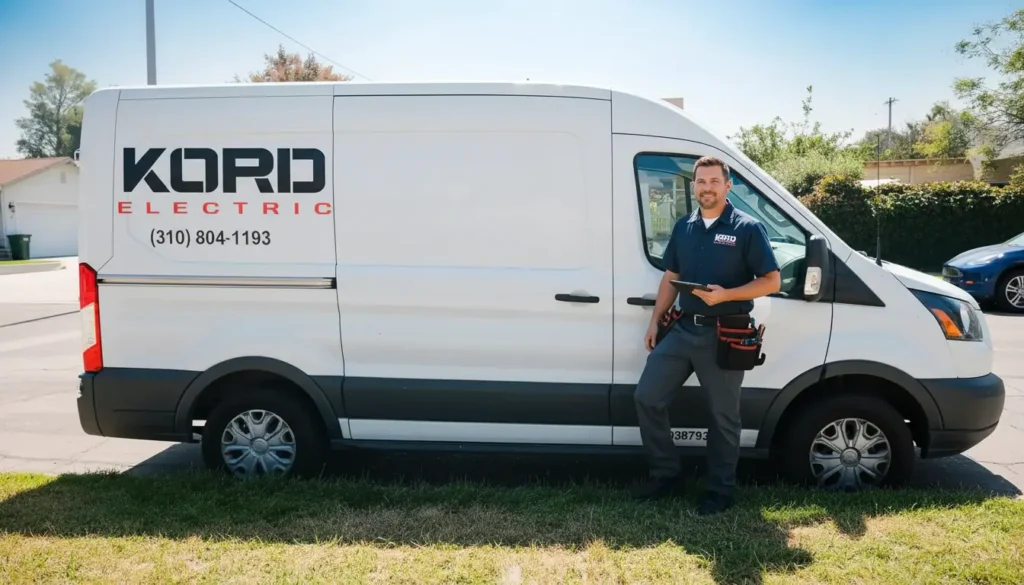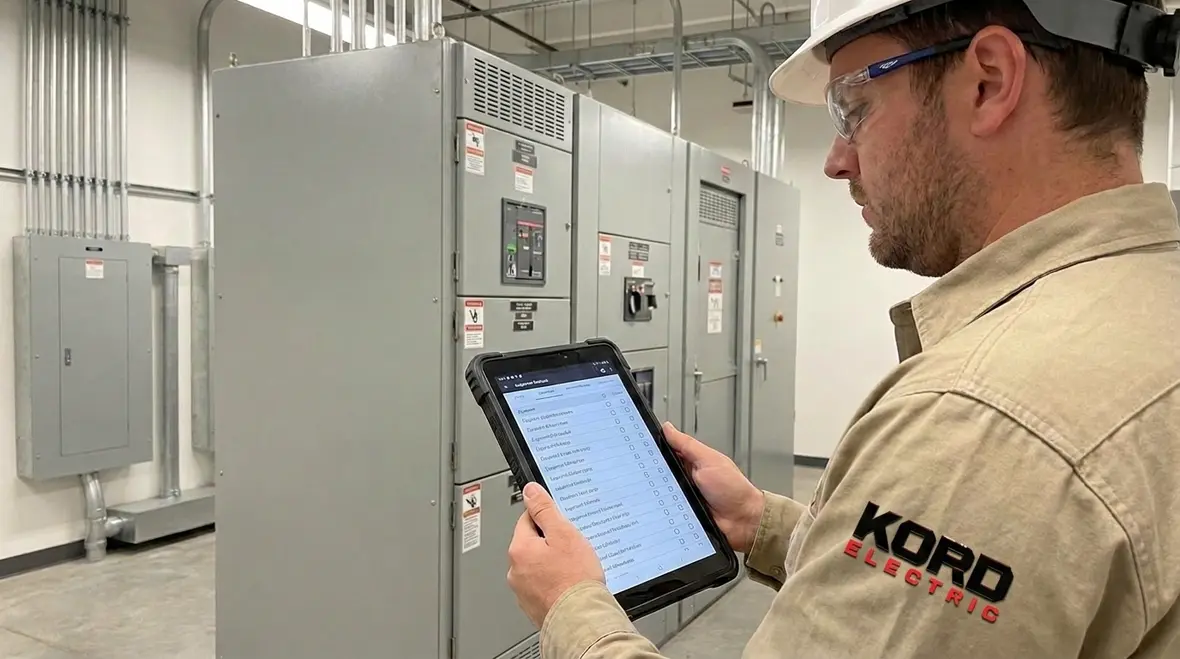
Electrical Asset Management Tools Tracking Equipment and Maintenance
Electrical Asset Management Tools: Tracking Equipment & Maintenance that keep commercial power reliable
Kord Electric helps commercial and industrial facilities stay ahead of electrical wear before it becomes downtime. In the first place, we use Electrical Asset Management Tools: Tracking Equipment & Maintenance to track critical items, connect them to work history, and schedule next steps with real data. That means fewer surprises for building teams and fewer “why didn’t we know” moments for anyone who has ever stared at a breaker like it owes them money.
Then, we build on that foundation with clear asset records, guided inspections, and maintenance plans that match how your facility actually runs. And yes, our expert service staff explains the process in plain language, because the best systems work when people can understand them. After all, you cannot manage what you cannot see.
What electrical asset management really means for C&I buildings
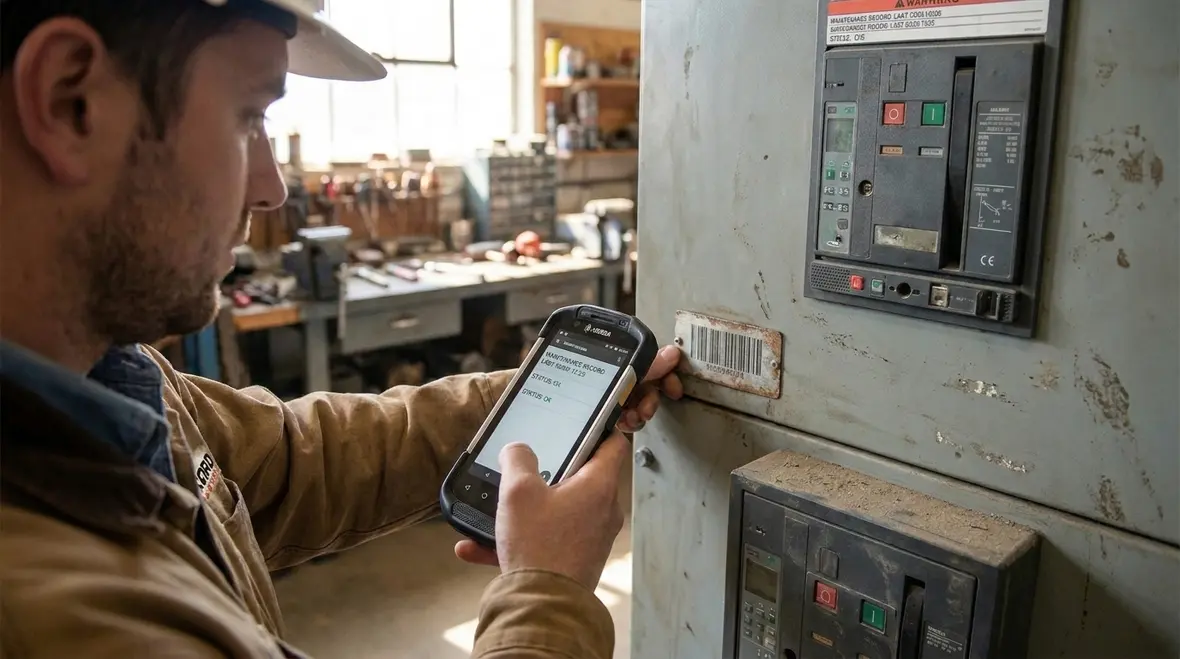
Electrical asset management is the methodical way we handle equipment throughout its life, from installation through maintenance, upgrades, and eventual replacement. We do not treat it like a spreadsheet exercise. Instead, we treat it like a reliability program for your facility’s electrical backbone, including switchgear, panels, transformers, generators, transfer switches, motor controls, and related components.
First, we identify the assets that affect uptime, safety, and compliance. Next, we collect baseline details like manufacturer, model, installation date, location, and electrical ratings. Then we add maintenance history, inspection results, and any repair notes tied to the asset.
As a result, the facility team can make decisions with less guesswork. Moreover, our technicians and expert service staff help explain why certain tasks move up in priority, and how the data supports those choices. When we talk about tracking equipment or maintenance, we mean you can trace work to a specific asset, not just a general area. That clarity matters in C&I environments where one issue can ripple into multiple systems.
How our electrical system asset management guide turns data into action
Kord Electric builds its approach around a practical framework we share in our electrical system asset management guide. In other words, we turn information into schedules and schedules into safer operations. For commercial and industrial buildings, this matters because equipment demand, runtime, and operating conditions change over time.
To keep it grounded, we start by mapping the electrical one line basics and linking assets to physical locations. After that, we define what “good condition” looks like for each critical item. For example, we may rely on visual inspection, thermal trends, operational testing, and documented history of breaker behavior or transformer performance. Next, we group tasks into maintenance types, such as preventive inspections, predictive checks, and corrective follow up.
Then we help teams build a repeatable cadence. Instead of treating maintenance as a scramble, we provide a plan you can follow, review, and improve. And when your facility wants to know what comes next, our experts can point to the record and explain it clearly. It is like having a calm narrator in the control room, with more math that actually helps.
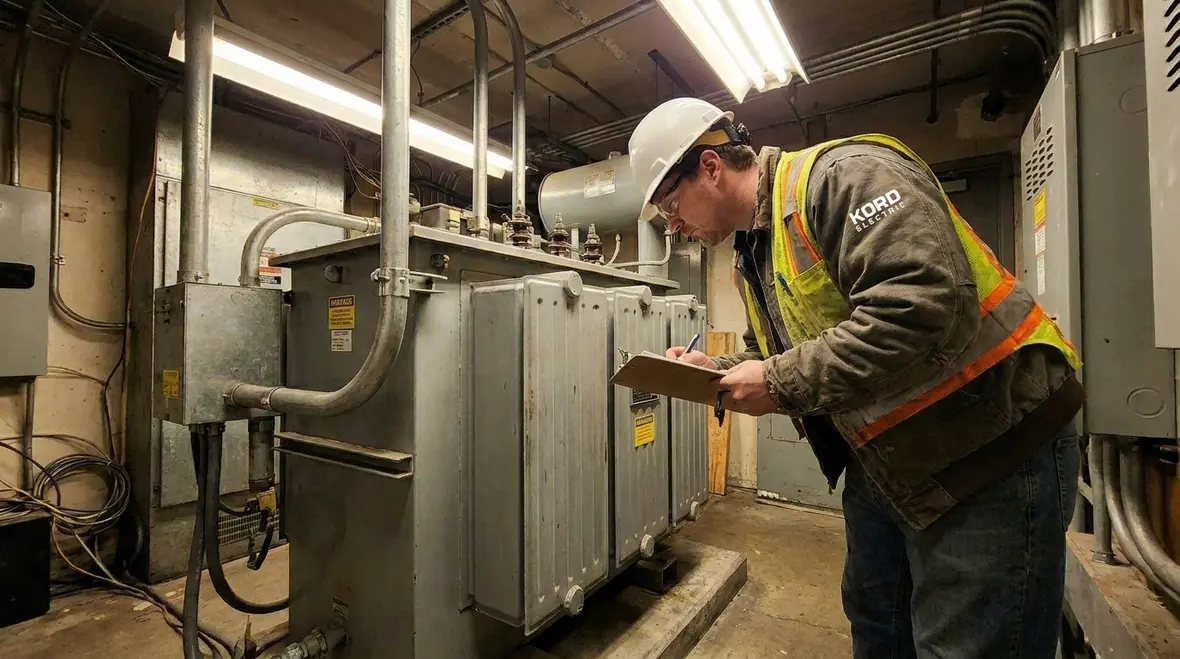
Tracking equipment and maintenance with clear asset records
The biggest advantage of Electrical Asset Management Tools: Tracking Equipment & Maintenance comes from consistency. We maintain records that stay attached to the equipment, so decisions do not depend on memory or whoever “was here last.” For commercial and industrial sites, that stability reduces confusion during shutdowns, audits, and capital planning.
In practice, we track key fields such as asset identifiers, criticality ranking, service intervals, and completed work orders. We also capture context, like what was observed, what was corrected, and what should happen next. Because facilities operate differently across seasons and shifts, we support updates that reflect real conditions.
Furthermore, we help teams standardize how they report findings. When technicians document thermal issues, insulation concerns, or abnormal readings, the information stays tied to the exact component. Consequently, the next inspection can focus on trends instead of starting over. And when executives ask, “Why are we investing in this now?” our service staff explains the story the data tells, using straightforward language.
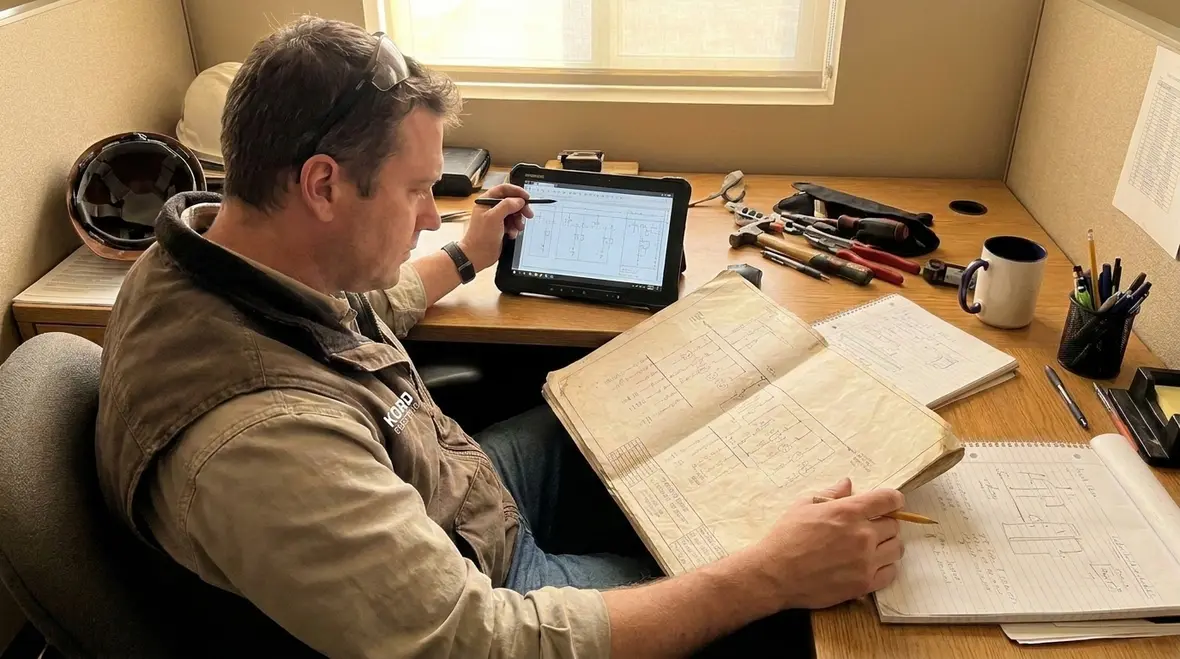
Preventive maintenance planning that avoids expensive last minute repairs
Preventive maintenance works when it matches equipment risk and operating realities. Therefore, we avoid generic schedules that treat a lightly loaded building the same as a high load manufacturing floor. Instead, we align work to equipment criticality, failure modes, and observed performance.
For example, we may recommend more frequent inspections for components that experience high cycling or heat exposure. We may also adjust plans when we detect early warning patterns, such as nuisance trips, recurring contact wear, or abnormal thermal signatures. Then we coordinate the work around operational constraints, because nobody wants a maintenance outage that steals production time.
As a result, your facility builds a maintenance rhythm. It becomes easier to budget, easier to schedule, and easier to justify upgrades. And if anyone tries to rush the process, we remind them with a friendly smile that electricity has never cared about our calendars. It only cares about physics.

Using technicians and expert service staff to support compliance and reliability
Tools help, but people make them effective. At Kord Electric, our technicians and expert service staff support Electrical Asset Management Tools: Tracking Equipment & Maintenance with on site judgment and clear communication. They review records, verify equipment details, and confirm that field work matches the plan.
Importantly, we also help facilities stay organized for inspections and documentation requests. In commercial and industrial settings, compliance is not a last minute scramble. It is an ongoing discipline, and our team helps you keep evidence where it belongs: linked to the asset, tied to the task, and written in a way others can understand later.
Additionally, we guide building teams through what the records mean. So when someone asks, “What does this measurement imply?” our experts explain the practical impact, the likely cause, and the recommended next step. We keep the tone calm and business casual, because the last thing your team needs is a maintenance briefing that sounds like a courtroom transcript.
Integrating asset management into planning, budgeting, and upgrades
Once the records and schedules work, the facility can plan with confidence. We help commercial and industrial building managers connect maintenance data to capital decisions. That means you can identify which assets need repair now, which assets need monitoring, and which assets deserve replacement planning.
To do this well, we consider more than age. We also look at failure history, component condition, operating stress, and how the equipment supports current building needs. Then we translate that into a practical roadmap for stakeholders.
Moreover, when facilities use the same asset identifiers and maintenance history across teams, it reduces handoff risk. Electrical supervisors, maintenance planners, and finance leadership share the same “source of truth.” As a result, your upgrade path becomes clearer, and project delays become less frequent.
And yes, planning beats guessing. Guessing is what people do when they try to cook by “vibes.” Engineering and electrical reliability do not run on vibes. They run on data, discipline, and service excellence.
For facilities that want to connect maintenance planning with future projects, resources like Kord Electric’s Electrical Infrastructure Upgrade Planning Guide and Commercial Electrical Load Capacity Assessment Guide help turn Electrical Asset Management Tools: Tracking Equipment & Maintenance into a long term roadmap instead of a short term patch.
How Electrical Asset Management Tools connect to broader reliability programs
When Electrical Asset Management Tools: Tracking Equipment & Maintenance are dialed in, they do more than keep a list of breakers and transformers. They support broader reliability programs that include load assessments, power quality checks, and infrastructure upgrades. That means a thermal issue in one panel can drive a targeted inspection, a repair order, and, if needed, a budget discussion about replacing aging equipment.
Because the data connects across systems, your team can see patterns instead of isolated problems. Maybe recurring nuisance trips in a specific area line up with rising loads or a history of deferred maintenance. Maybe a transformer with clean test records but high operating stress gets flagged for closer monitoring instead of immediate replacement. In each case, the tools support decisions instead of dictating them.
Kord Electric often ties these asset records into services like Electrical Distribution Equipment Data Management for Commercial Facilities and comprehensive reliability assessments. This layered approach keeps your Electrical Asset Management Tools: Tracking Equipment & Maintenance aligned with how the building actually behaves, not just how it looked the day it was commissioned.
Connecting asset management with local service in Los Angeles County
For organizations throughout Southern California, asset records only reach their full value when they connect to a responsive field team. Kord Electric’s Los Angeles County electrical services bring hands on support to the facilities that rely on these systems every day. Our technicians translate what Electrical Asset Management Tools: Tracking Equipment & Maintenance reveal into site specific maintenance, upgrades, and troubleshooting.
When a facility schedules preventive work, plans a shutdown, or responds to an unexpected issue, the same asset identifiers and maintenance histories that live in the records show up in our field notes and reports. That continuity helps keep projects aligned, reduces confusion between crews and managers, and makes it much easier to justify the next round of improvements.
And because Los Angeles County buildings range from dense office towers to specialized industrial facilities, we tune Electrical Asset Management Tools: Tracking Equipment & Maintenance to match each site’s operating profile. That way, your records stay useful whether you manage a single site or a portfolio of properties with different risk levels and operating schedules.
FAQ
Call Kord Electric for a calm, reliable electrical asset management plan
If your facility needs fewer surprises and clearer maintenance decisions, Kord Electric can help you build an electrical reliability program built on Electrical Asset Management Tools: Tracking Equipment & Maintenance. We work with commercial and industrial teams and major property buildings, mapping assets, organizing maintenance history, and planning next steps with technician led insight.
Our team can also integrate these records with broader programs, from preventive maintenance and electrical troubleshooting to long range planning guided by tools like our electrical system asset management resources. For facilities throughout Los Angeles County, our dedicated Los Angeles County electrical services team turns the data in your records into real world actions that protect uptime.
Reach out to us today and we will help you move from guesswork to documented action. Let’s keep your power dependable and your schedule boring, in the best way.
To explore how these asset records can support long term planning across all your major systems, you can also review our in depth Electrical System Asset Management Guide, which connects day to day maintenance with lifecycle strategy, capital budgeting, and upgrade roadmaps.