5 Signs Your Commercial Building Needs Emergency Electrical Service Immediately
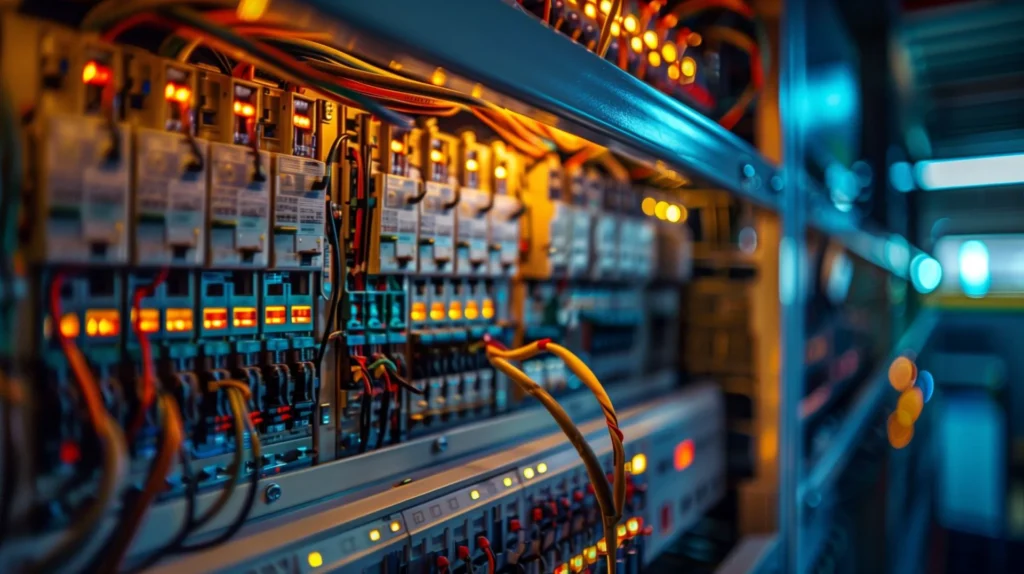
In every major commercial facility, there is a silent force at work. It hums behind walls, beneath concrete floors, and above suspended ceilings. It powers production lines, data centers, high rise elevators, and industrial refrigeration systems. When that force falters, operations stall. Revenue leaks. Safety hangs in the balance.
At Kord Electric, our emergency electrician team responds when commercial and industrial buildings face electrical crises that cannot wait until Monday morning. However, the real advantage lies in knowing the warning signs before a minor issue becomes a shutdown headline. Our technicians and expert service staff do not just fix problems. They explain them clearly, calmly, and without technical fog.
Below, they outline five critical signs that demand immediate action from a qualified commercial electrical response team. Because when electricity whispers, wise facility managers listen.
1. Persistent Power Interruptions That Are Not Utility Related
One flicker may be the grid stretching its legs. However, repeated outages inside a single commercial building tell a different story. If only your facility loses power while the rest of the block glows like Times Square, that is not coincidence. That is a signal.
Frequent breaker trips, partial shutdowns of panels, or sections of a building losing power while others remain active often indicate:
- Overloaded distribution panels
- Deteriorating switchgear
- Failing transformers
- Loose or corroded connections
- Improper load balancing across phases
In large commercial properties and industrial facilities, electrical loads shift over time. New machinery gets added. Tenants upgrade equipment. Data centers expand racks. Yet many buildings still operate on electrical infrastructure designed decades ago. Consequently, the system strains under modern demand.
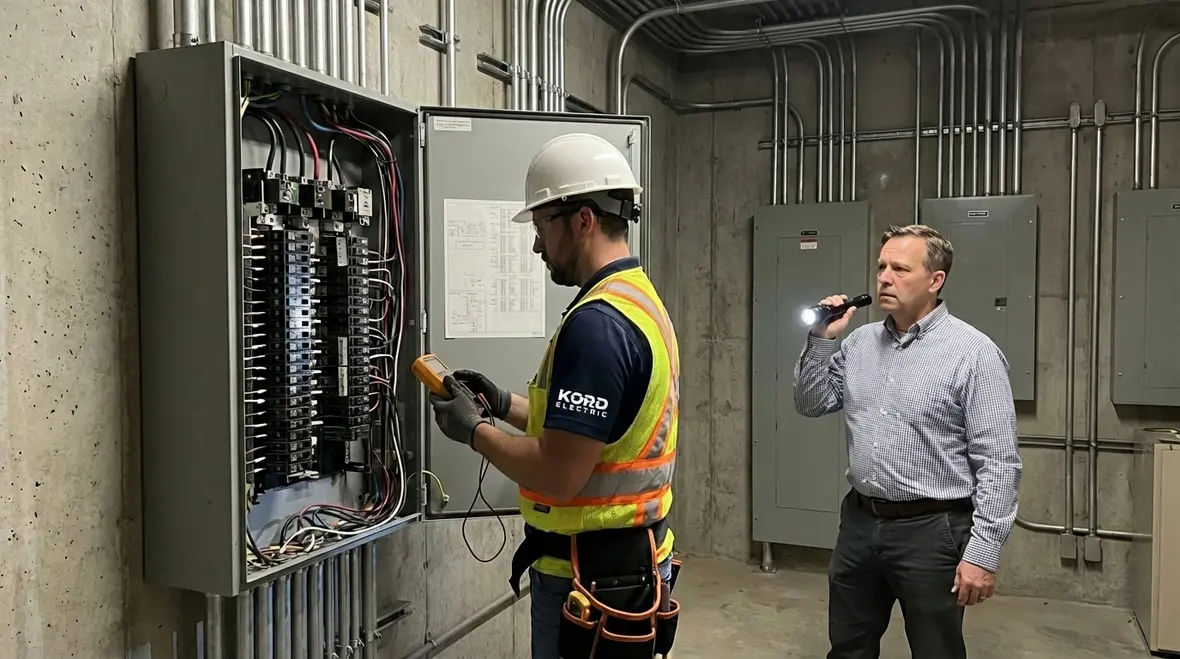
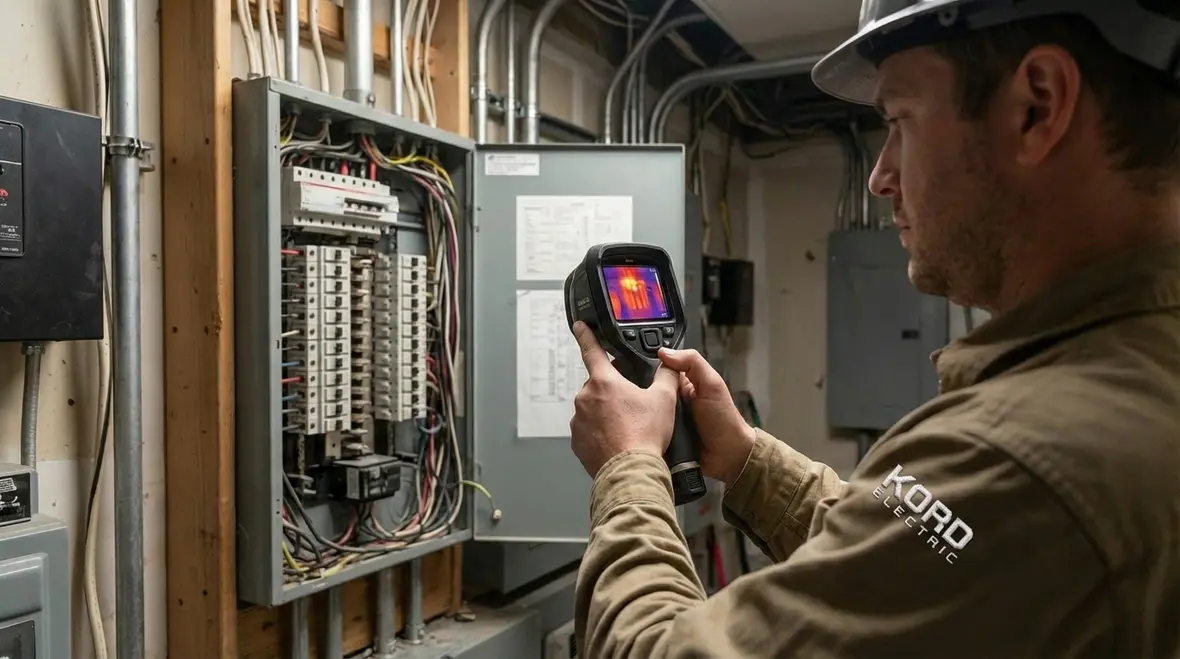
Our emergency response electricians approach these situations methodically. First, they analyze load distribution and inspect switchgear integrity. Next, they check thermal readings to identify hotspots invisible to the naked eye. Then, they explain the findings in plain language so property managers understand both the cause and the risk.
Because here is the truth. A breaker that keeps tripping is not being dramatic. It is protecting your building from something worse.
2. Burning Smells, Smoke, or Unusual Heat From Electrical Equipment
Electricity should never smell like campfire season.
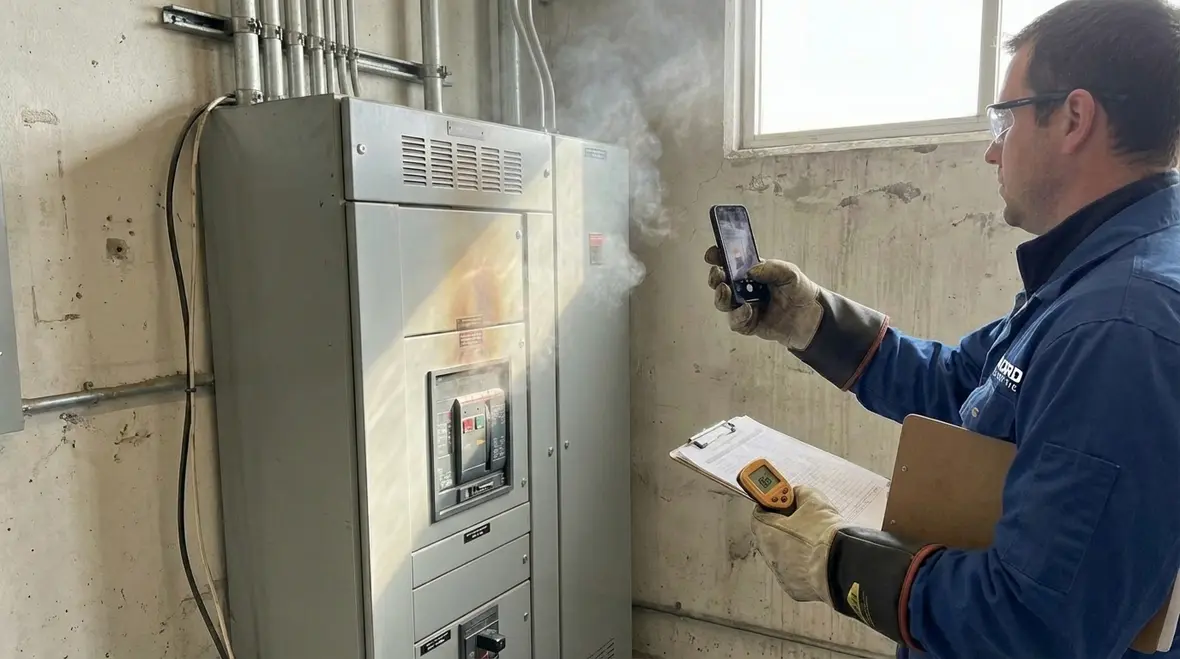
If a commercial panel room carries a sharp, acrid odor or if equipment emits visible smoke, immediate action is essential. Likewise, unusually warm panels, switchboards, or motor control centers often signal dangerous resistance or internal failure.
Common causes include:
- Arcing within switchgear
- Insulation breakdown on conductors
- Loose terminations generating heat
- Overloaded circuits exceeding rated capacity
- Contamination from dust or moisture
In industrial settings, heat builds quickly. Furthermore, production environments often contain flammable materials or airborne particles. Therefore, what begins as a faint odor can escalate into catastrophic fire damage within minutes.
When our rapid response electricians arrive on site, they do not rush blindly toward the problem. Instead, they isolate affected circuits, secure the area, and perform thermal imaging scans to detect hidden overheating. Then, they provide facility managers with a clear explanation of what failed and why.
Our technicians speak with steady authority, the kind that lowers heart rates in high stress moments. Because when smoke appears near a main distribution panel, panic is natural. Calm expertise is essential.
3. Sparks, Arcing, or Visible Damage in High Load Areas
Sparks belong in welding bays and Fourth of July fireworks. They do not belong in panel boards or bus ducts.
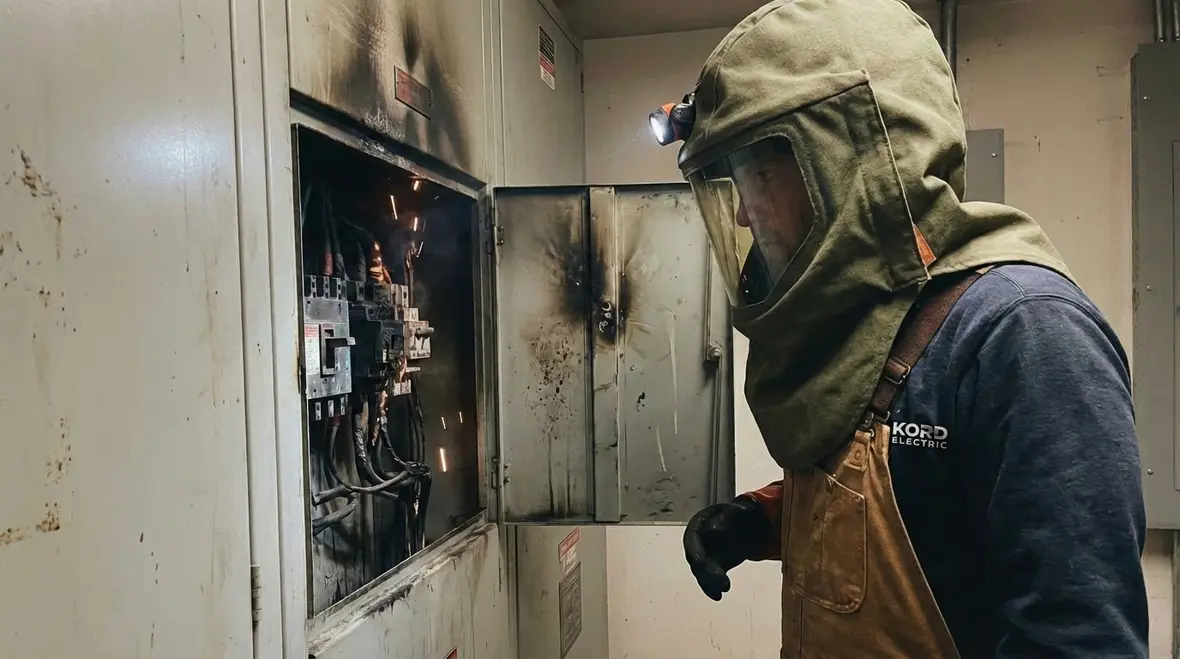
Visible arcing, crackling sounds from electrical rooms, or scorch marks around outlets and disconnects demand immediate evaluation. These are not cosmetic issues. They indicate active electrical faults that can lead to arc flash incidents.
Arc flash events in commercial and industrial facilities are severe. They can produce explosive force, intense heat, and significant downtime. Moreover, they place maintenance staff at serious risk.
Warning indicators often include:
- Discoloration around breakers
- Melted insulation
- Pitted contact points
- Repeated equipment failure in the same location
Our commercial emergency electrician teams carry specialized protective equipment for these situations. They follow strict safety protocols before opening energized panels. In addition, they assess whether upstream components contributed to the fault.
Importantly, our expert service staff do not just repair the visible damage. They trace the root cause through the distribution path. That may involve inspecting feeders, verifying torque values, or analyzing short circuit ratings. Because replacing a damaged breaker without addressing system imbalance is like replacing a smoke detector battery while ignoring the fire.
And no one wants that sequel.
4. Critical Equipment Failure Affecting Operations
Industrial facilities operate on precision. Manufacturing lines depend on synchronized motors. High rise buildings rely on elevator systems. Data centers require uninterrupted power quality. When critical equipment shuts down unexpectedly, the clock starts ticking.
However, not every equipment failure stems from mechanical issues. Electrical instability often hides beneath the surface.
Signs that electrical service may be the culprit include:
- Motors overheating without mechanical load changes
- Variable frequency drives displaying fault codes
- Elevators stalling or resetting intermittently
- Server racks rebooting without warning
- Lighting systems dimming during machinery startup
These symptoms frequently point to voltage fluctuations, harmonic distortion, or phase imbalance. Consequently, ignoring them can shorten equipment lifespan and multiply repair costs. For a deeper dive into how unstable voltage affects motors, data systems, and production lines, facility leaders can review Kord Electric’s insights on voltage fluctuations in commercial and industrial facilities.
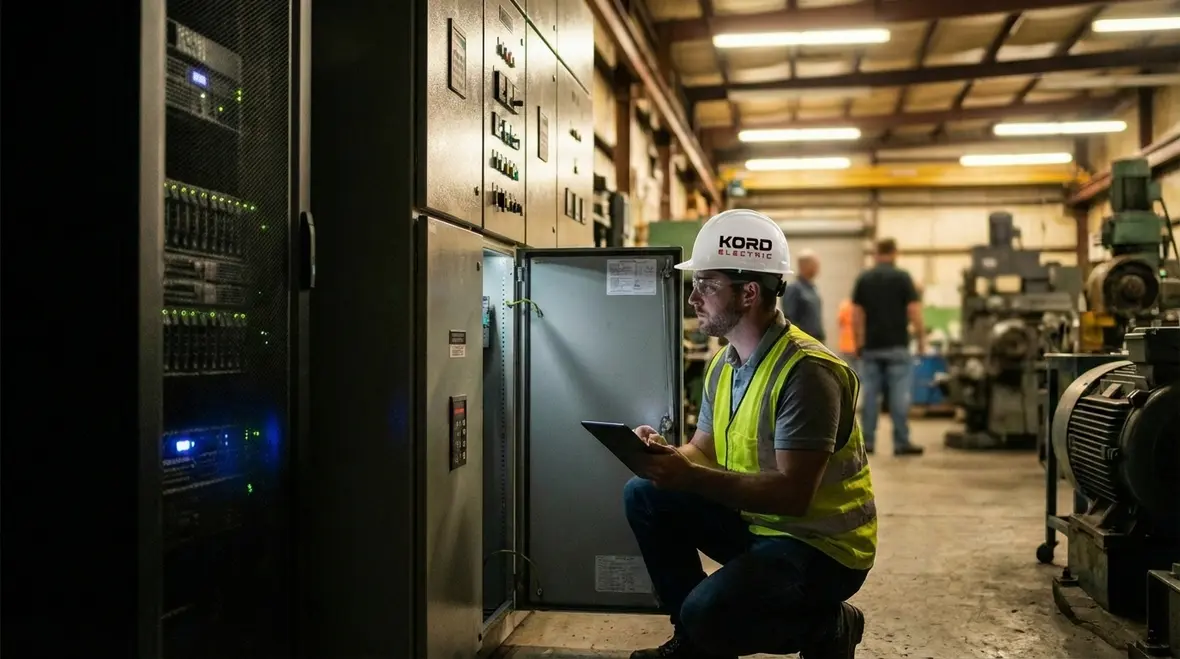
When Kord Electric responds to operational disruptions, our technicians test voltage stability under load conditions. They measure harmonics, evaluate grounding systems, and verify that protective devices operate within specification. Furthermore, they coordinate with facility engineers to ensure corrective actions align with building infrastructure goals.
They do not speak in riddles or hide behind jargon. Instead, they outline options, explain timelines, and clarify risk levels. Because commercial property leaders deserve transparency, not mystery.
5. Water Exposure in Electrical Rooms or Infrastructure
Water and electricity share one thing in common. They move fast. Together, they create serious hazards.
In commercial and industrial buildings, water intrusion may occur from roof leaks, sprinkler discharges, flooding, or condensation buildup. When electrical rooms experience moisture exposure, immediate professional evaluation becomes critical.
Even minor water contact can:
- Corrode conductors
- Compromise insulation resistance
- Create ground faults
- Trigger short circuits
- Damage sensitive control systems
Moreover, corrosion does not announce itself with fanfare. It progresses quietly, weakening connections until failure occurs at the worst possible time.
Our rapid electrical response teams begin by de energizing affected systems where safe and feasible. Next, they assess insulation resistance, inspect bus bars, and evaluate whether components require replacement or restoration. In some cases, immediate remediation prevents extended downtime. In others, proactive replacement avoids recurring issues months later.
Our expert service staff explain the difference clearly. Because sometimes the question is not whether something works today. The real question is whether it will work tomorrow.
What Happens When You Call an Emergency Electrician?
Facility managers often ask what to expect during a commercial electrical emergency response. The answer is structured, disciplined, and focused on safety first.
Below is a simplified overview of how Kord Electric approaches urgent service calls for commercial and industrial properties.
Initial Response
- Immediate dispatch coordination
- Direct communication with facility contact
- Preliminary risk assessment by phone
On Site Action
- System isolation and safety verification
- Diagnostic testing using commercial grade tools
- Clear explanation of findings and next steps
First, our team gathers essential information about the facility type, load size, and affected systems. Then, once on site, they secure the area and verify that conditions are safe for inspection. After diagnostics, they present actionable solutions rather than vague estimates.
Throughout the process, our emergency electrician professionals maintain steady communication. Because in high stakes situations, silence creates more stress than the problem itself.
Why Immediate Action Protects More Than Equipment
Delaying emergency electrical service in a commercial or industrial facility affects more than hardware. It impacts people, productivity, and reputation.
First, safety risks escalate. Electrical faults can lead to arc flash incidents, fire hazards, and shock exposure. Second, operational downtime multiplies financial losses. Manufacturing delays ripple through supply chains. Tenant dissatisfaction grows in multi property buildings. Data interruptions compromise service agreements.
Additionally, insurance investigations often examine maintenance records and response times following electrical incidents. Prompt action demonstrates responsible facility management.
Our technicians understand this broader picture. Therefore, they do not treat emergencies as isolated technical glitches. They view them as business continuity events. That perspective shapes every recommendation they provide. For facilities looking to reduce the likelihood of emergency calls altogether, Kord Electric’s guide to electrical preventive maintenance outlines how structured programs catch issues long before they turn into 2 a.m. phone calls.
And while no one enjoys calling for urgent service at 2 a.m., ignoring warning signs rarely improves the plot. Even in action movies, the hero calls for backup.
How Kord Electric Supports Commercial and Industrial Facilities
Kord Electric focuses exclusively on commercial properties, industrial operations, and major building infrastructures. We do not dilute our expertise across residential quick fixes. Instead, we concentrate on complex electrical systems that power large scale environments.
Our expert service staff bring experience with:
- High capacity distribution systems
- Industrial motor controls
- Switchgear maintenance and repair
- Backup generator integration
- Power quality diagnostics
- Large scale lighting and control systems
Because of this specialization, our commercial emergency electrician teams understand the layered architecture of major facilities. They recognize how one failing component can cascade across interconnected systems.
More importantly, they explain those relationships clearly to property managers and operations directors. They translate technical detail into actionable decisions. That clarity builds confidence during moments when confidence matters most.
For organizations ready to move from reactive firefighting to proactive planning, Kord Electric’s article on commercial and industrial electrical maintenance plans explores how structured programs support long term reliability and budget control.
Frequently Asked Questions
Conclusion: When the Signs Appear, Act With Confidence
Electrical systems in commercial and industrial facilities rarely fail without warning. They signal distress through heat, noise, interruption, or instability. When those signs appear, decisive action protects people, assets, and productivity. Kord Electric stands ready with experienced technicians who respond swiftly, communicate clearly, and resolve issues thoroughly. If your building shows any of these warning signs, contact us today. Because in business, power is not optional. It is essential.
To see how our 24/7 response translates into real world support for facilities across Southern California, explore our dedicated Emergency Electrical Services page—and when you are ready to protect your own building, take the next step below.