California Apartment Building Fire Safety Requirements
In California, apartment building fire safety requirements california set the baseline for keeping residents, staff, and first responders safe. We at Kord Electric focus on commercial and industrial facilities and major property buildings, so we see the real world consequences of compliance decisions every day. And yes, we have met the kind of “it will probably be fine” mindset. Fire safety does not accept that RSVP. That is why our expert technicians and service staff explain the rules in plain language, then help property teams build systems that actually work when the alarms are loud and the smoke is not asking permission.
What California expects from major residential property owners
How alarm systems, detection, and notification must work together
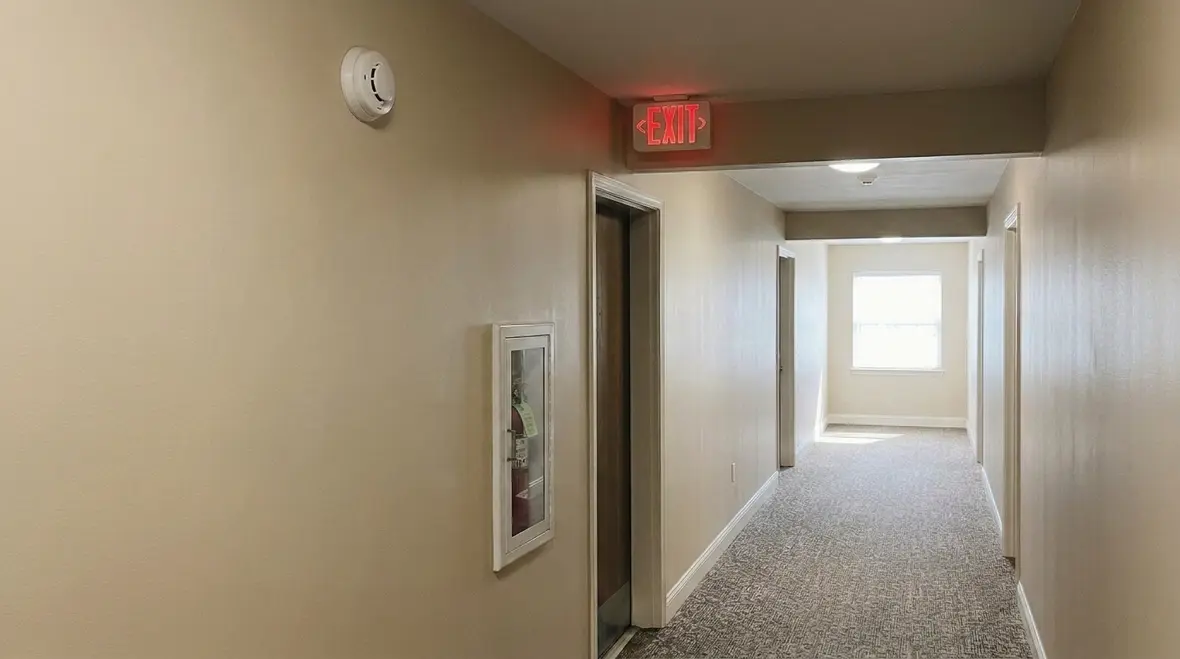
California does not treat fire safety as a nice-to-have. Instead, it expects buildings to meet requirements tied to life safety, alarm notification, emergency response, and the protection of evacuation routes. To understand this, we look at how code impacts real hardware and real timelines. For example, when a building has common areas, corridors, stairwells, and multiple units, the emergency system must guide occupants without relying on luck.
Furthermore, property owners need to think beyond “install something.” Requirements typically push for correct design, proper placement of devices, reliable power, and routine testing. If your systems depend on one component that fails silently, you do not have safety, you have decoration. Our technicians often find that paperwork says one thing while field conditions say another. Then, we correct the mismatch with documented service so everyone stays aligned.
Fire safety is a chain, and alarm and notification systems form the spine. In a major property building, detection should trigger alarms that alert occupants, while also sending signals for emergency response. However, systems can only perform if they integrate correctly and stay supervised. That means devices that communicate state changes, control panels that process signals reliably, and notification appliances that are positioned for clear audibility.
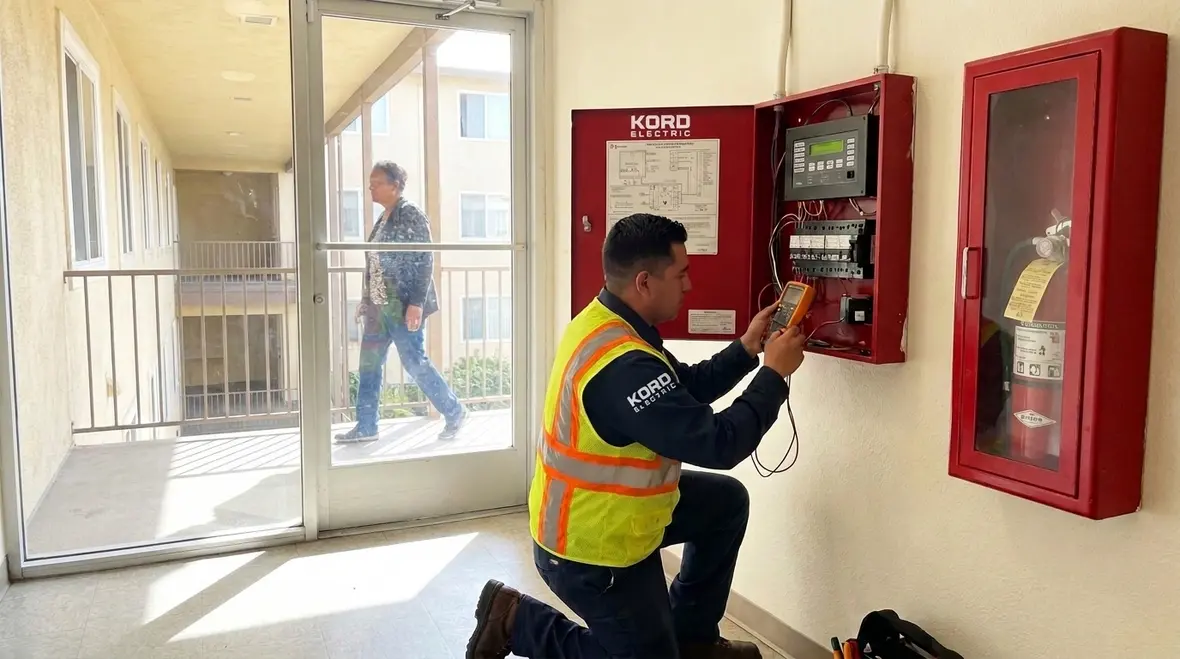
In addition, California requirements often tie into testing and maintenance expectations. Therefore, we do not just “check a box.” We verify that detectors respond, panels report in trouble and alarm conditions the way they should, and notification patterns meet the building’s layout. Our service staff explains what they observe and why it matters, because the best compliance story is the one you can explain during an inspection or an incident.
And if you have ever heard an alarm test that sounds like a spaceship powering up, that is not a design flaw. It is just the system doing its job loud enough for everyone to notice. Still, if the sound level or coverage is wrong, you fix it, and you document the fix.
Fire sprinkler, standpipe, and water supply considerations

Many major buildings use sprinkler systems, and those systems rely on water supply performance. That means you cannot treat plumbing like it is immune to physics. In practice, water supply, pressure, flow, and system components determine whether the suppression system acts as intended. For apartment and similar multi tenant properties, we also consider how the system interfaces with alarm and emergency procedures.
Moreover, requirements usually involve inspection, testing, and ongoing reliability. Over time, building components degrade. Valves can seize, water flow can change, and related electrical controls can drift out of expected condition. Our expert teams address the electrical side of these dependencies, including monitoring circuits and control power needed for proper operation.
We also advise property stakeholders to coordinate scheduled maintenance so the building does not get stuck in “test day chaos.” Transitioning from resident comfort to safety checks should feel planned, not improvised. When we show up, we work methodically, explain what we are doing, and make sure the building management team knows what to expect.
Emergency power, exit lighting, and the moment the lights should not quit
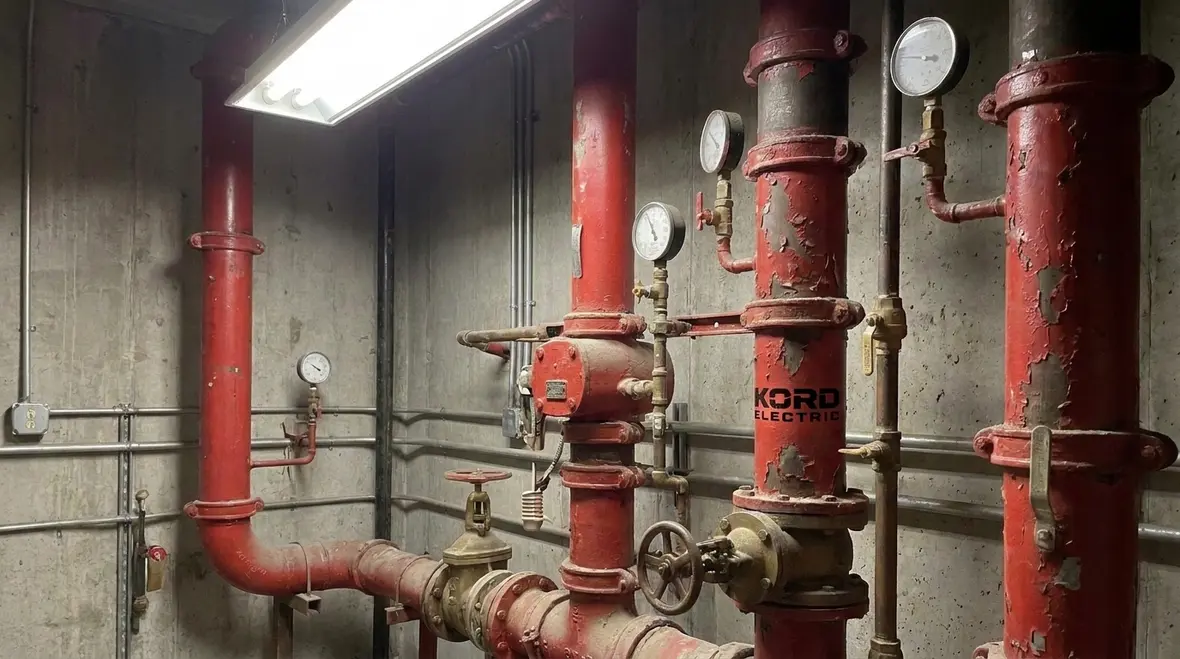
When an emergency happens, occupants look for clear cues. That includes exit lighting, pathway markings, and the ability for critical systems to stay energized. Therefore, emergency power systems and life safety electrical features must meet performance expectations that support safe evacuation.
At this stage, people often forget the “electrical discipline” part of fire safety. They think only about fire devices, but emergency systems depend on correct wiring, reliable panels, and proper monitoring. If emergency power fails during an alarm event, the entire plan suffers. We see that risk in buildings where modifications happened without full documentation or where components were replaced with parts that “sort of fit.” Fire safety needs precision, not hope.
Our technicians review how emergency circuits operate, verify that transfer behavior matches requirements, and help ensure that life safety loads remain powered long enough to support evacuation. In short, we make sure the lights do not go out just when people need them most. It is not dramatic, it is just smart engineering with good housekeeping.
Codes, inspections, and how to stay ready year round
Compliance is not a single visit. It is an ongoing process that includes inspections, records, and corrective actions. California expectations often require that building systems remain in working order and that testing and maintenance happen on schedule. Then, the results need to be recorded so the property can demonstrate responsible oversight.
Here is where our approach helps. We work with property teams to create a practical path to readiness. First, we help identify the devices and circuits that drive alarm notification, supervisory functions, and emergency performance. Next, we verify condition and functionality. Then, we provide clear explanations in business friendly terms, because a maintenance report should inform decisions, not confuse them.
And yes, inspections can feel like a pop quiz you did not study for. Yet, with a stable program, you can walk in calm. You can show records, explain what you service, and prove the systems you rely on remain reliable.
Updating older apartment buildings without breaking the whole building
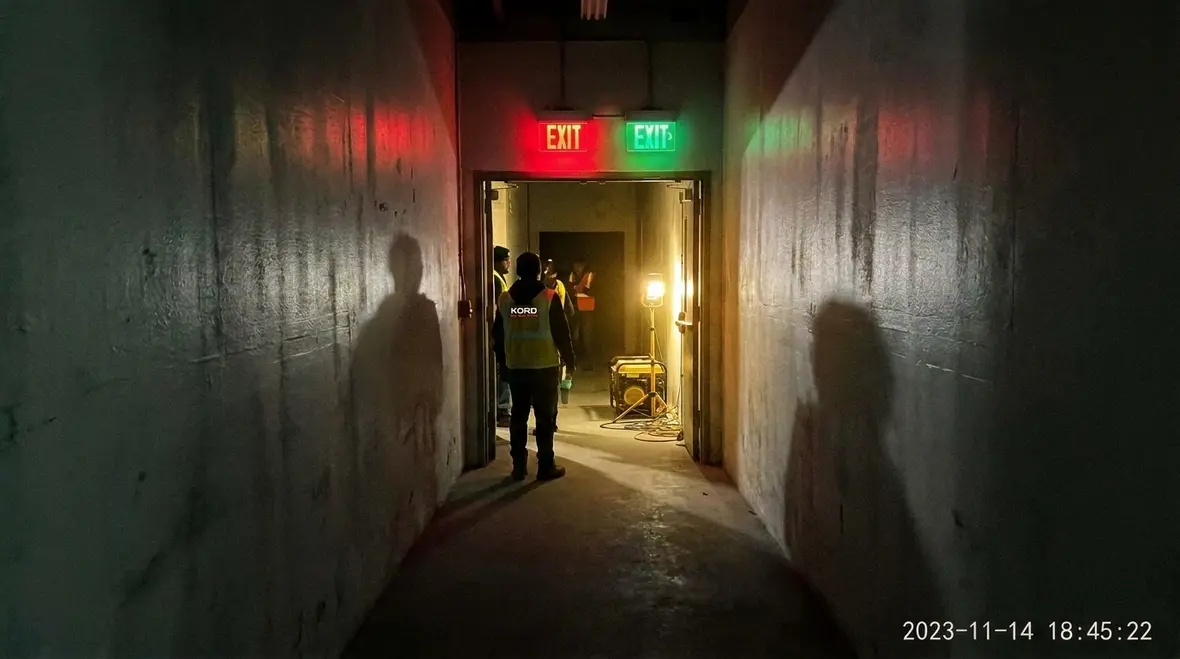
Many major property buildings in California are not brand new. They have history, renovations, and upgrades that happened at different times under different budgets. As a result, fire safety systems might not match current best practices or present conditions. When owners decide to upgrade, they need a method that reduces disruption while improving safety.
Therefore, our technicians evaluate what exists and how it supports current emergency response goals. We focus on the electrical components that keep systems consistent: control interfaces, power supply reliability, monitoring functions, and integration points that connect alarm and emergency operations. We also help teams plan how to sequence work so the building still supports ongoing safety needs while upgrades take place.
In addition, we encourage property leaders to consider how new device placement or updated control logic affects coverage and performance. Fire safety requirements are not just about having equipment; they are about having equipment that works as a unified system. If you update one part and ignore the handshake between components, the system can underperform. We make sure the pieces talk to each other correctly.
If you manage multiple buildings or a larger portfolio, it can also help to coordinate upgrades with your broader Los Angeles County electrical services strategy so that life safety systems, panels, and emergency power stay aligned instead of becoming a patchwork of one-off fixes. Thoughtful planning here keeps future projects cleaner and supports smoother inspections across all of your properties.
Frequently asked questions
Quick Service Snapshot
What we do |
Why it helps |
Electrical support for alarm, monitoring, and emergency power |
Improves reliability so the system performs when it matters |
Field verification and documentation of test outcomes |
Strengthens inspection readiness and reduces guesswork |
Maintenance support for major property buildings |
Helps keep life safety components in working order year round |
Call Kord Electric for a safety plan you can actually use
If you manage a major property building, we invite you to work with Kord Electric. Our technicians and expert service staff explain what the system needs, what it currently does, and what to fix next. Then we help you build a practical path to readiness, with testing, verification, and clear documentation. Do not wait for the next inspection to learn what the wiring, power, and monitoring are really doing. Contact us today to schedule an evaluation.
As you plan improvements, you can also explore how our broader Los Angeles County electrical services support panels, emergency power, and building-wide reliability so your apartment fire safety upgrades stay coordinated with the rest of your electrical infrastructure instead of becoming isolated projects.
For comprehensive fire protection support that complements your electrical strategy, you can also connect with the team at Kord Fire Protection, where fire sprinklers, alarms, suppression systems, and inspection programs are coordinated for code-conscious performance across Southern California properties.
Ready to align your electrical and fire protection strategy?
When you are responsible for apartment building fire safety requirements California does not leave much room for improvisation. Pairing strong electrical discipline with reliable fire protection service gives you a path that is calm, documented, and ready for the next inspection or real-world event, not just the next checklist.