Commercial Automated Lighting Systems Benefits and Energy Savings
Commercial Automated Lighting Systems: Benefits, Controls & Energy Savings for facilities that never sleep
Commercial Automated Lighting Systems: Benefits, Controls & Energy Savings are not just a nice idea for modern buildings. At Kord Electric, we design and support commercial automated lighting for offices, warehouses, hospitals, schools, and major property facilities where schedules, security, and energy costs matter. Our team integrates controls that respond to real-world use, so lights do not run like a tap left on “just a little.” Instead, they work on purpose, and the building performs with calm efficiency.
In this article, we explain how automated lighting control reduces wasted energy, improves comfort, and strengthens safety. We also walk through the controls and design choices that our technicians and expert service staff explain clearly on site. Because yes, even lighting can feel “simple” once the system makes sense.
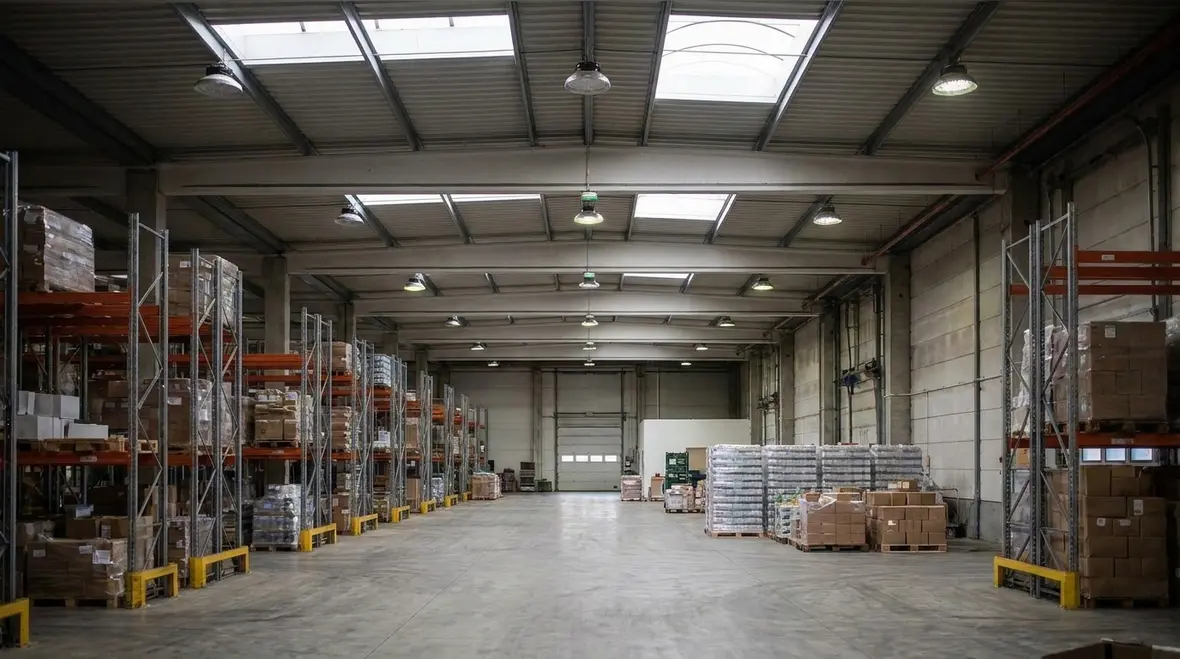
Why facilities choose automated control instead of guesswork
Many buildings still rely on timers, manual switches, and someone remembering to adjust settings after hours. That approach works until the day it does not. When occupancy patterns shift, or when daylight changes quickly, lighting often stays too bright or turns off at the wrong moment. Then the complaints start, and nobody wants to be the villain in the break room.
Automated control ends the guessing. First, it matches lighting output to how the space is actually used. Then it responds to conditions like motion and ambient light. As a result, the building delivers consistent illumination without forcing staff to micromanage lights.
At Kord Electric, our technicians focus on facility-wide logic, not just individual rooms. We consider how teams work across zones and floors, how maintenance cycles operate, and how the building management system coordinates schedules. This is how Commercial Automated Lighting Systems: Benefits, Controls & Energy Savings show up in daily operations, not just in a brochure.
If you are exploring different control strategies, it also helps to see how automated control fits into a broader energy plan. For a deeper dive into planning, you can review our related article on Automated Lighting Control Benefits for Facilities, which expands on design choices, zoning, and real-world rollout in large buildings.
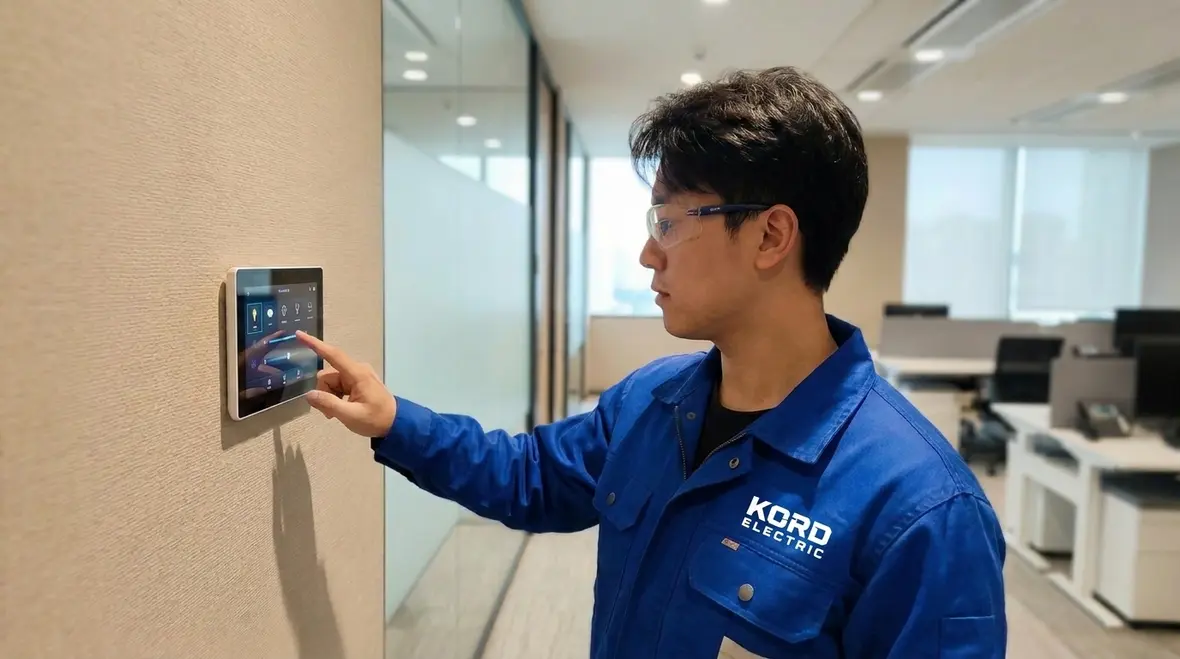
How automated lighting actually saves energy in practice
Energy savings do not come from a single switch. They come from a system that makes smart decisions at the right times. For commercial and industrial facilities, the most common savings come from three areas.
- Daylight harvesting reduces electric lighting when sunlight already provides enough brightness.
- Occupancy based control turns lights down or off when spaces remain empty for a defined period.
- Scheduling and reset logic ensures lighting matches operating hours and avoids after-hours waste.
However, savings only stick if the settings match the building. That is why our expert service staff takes time to understand the facility’s routines. They review peak hours, cleaning schedules, shift changes, and any areas that need special attention, like loading docks and medical-adjacent rooms.
Additionally, we help facilities avoid a common trap: “set it and forget it” programming. Buildings change. Tenants move. Work orders increase. When that happens, the lighting plan should update too. Our technicians document the logic so maintenance teams can troubleshoot calmly, not blindly.
When automated lighting is paired with LED upgrades and broader efficiency planning, the long-term return often extends beyond the electric bill. Smarter controls can support cooler spaces, more stable power quality, and coordinated energy planning alongside other strategies discussed in resources like our warehouse energy saving and lighting automation guides.
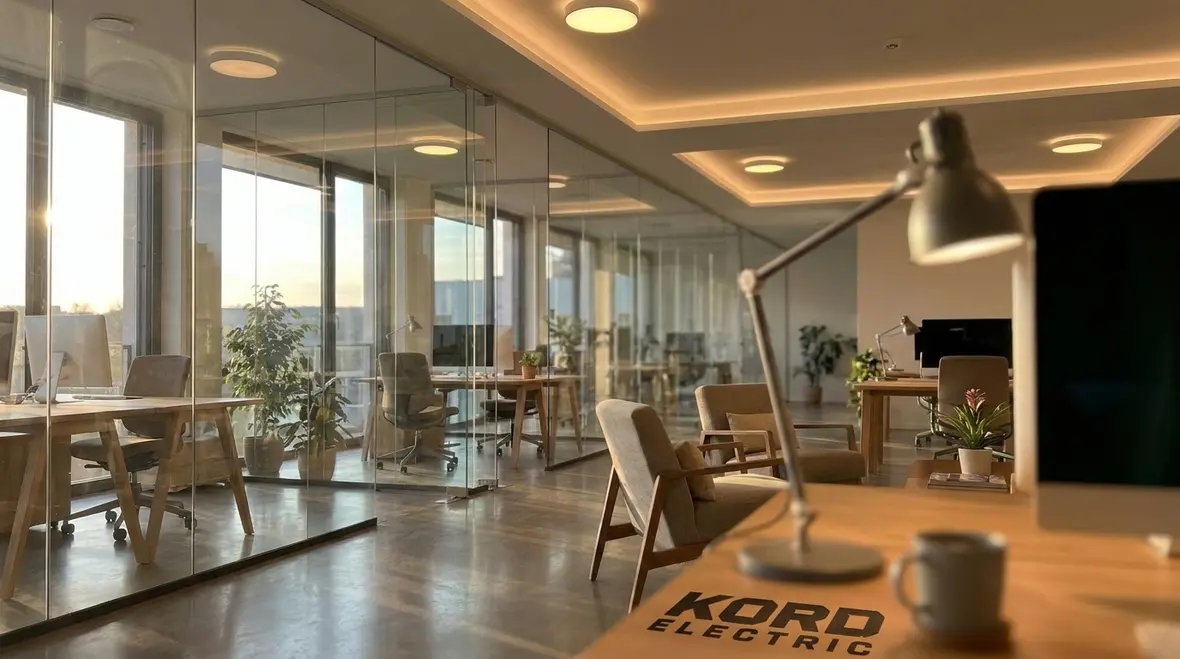
Controls that keep comfort steady, even when occupancy changes
Comfort matters because people work best when lighting feels right. Automated systems can manage that without constant manual adjustments. When controls work well, they reduce glare, prevent sudden brightness jumps, and keep task areas consistent.
In many facilities, the biggest challenge is variety. A manufacturing floor may need different light levels than an administrative office. A hallway near a loading bay might experience different conditions than a quiet conference area. Therefore, we build control strategies for zones, not just for the entire building.
Common control features include:
- Dimming so lighting tracks set points rather than switching on and off abruptly.
- Scene presets that align with day mode, meeting mode, and night mode.
- Adaptive scheduling that respects operational calendars and holiday shutdown patterns.
- Local overrides so staff can adjust lighting when they need to, without breaking the system.
Our technicians often explain this plainly during site visits. They show how an override returns control back to the system after a set time. So the building stays in charge, and people still feel in control. It is like having a good co-pilot, not a GPS that yells every time you miss a turn.

Integration with building management and safety systems
For major property buildings and industrial facilities, lighting rarely lives alone. It connects to safety and operations. When automated lighting control works with other systems, the building runs as one coordinated unit.
For example, coordinated controls can support:
- Emergency and life safety strategies that align with required illumination conditions
- Security routines that keep exterior and interior lighting consistent with access patterns
- Building management system schedules for centralized monitoring and reporting
Moreover, integration reduces confusion. Instead of separate apps and mismatched schedules, facility teams can manage lighting behavior through a unified approach. Our expert service staff helps teams understand what is controlled, what is monitored, and what triggers adjustments. That clarity reduces troubleshooting time when a question comes in from the field.
And yes, it also prevents the classic scenario where one person thinks the system is “broken” and another person thinks it is “working as designed.” With proper integration and documentation, that argument becomes a rare event, not a weekly ritual.
In multi-tenant facilities or campuses across Los Angeles County and Southern California, tying lighting into a broader electrical strategy can also simplify maintenance and upgrades. Many facility teams explore our wider Los Angeles County electrical services when they want lighting controls, panels, and emergency support aligned under one coordinated plan.
Design and commissioning that protect performance over time
Automated lighting performance depends on what gets designed and how it gets verified. If controls get installed without proper layout planning, the system may misread occupancy or react poorly to changing daylight. Therefore, Kord Electric treats design and commissioning as part of the solution, not an optional extra.
During planning, we focus on:
- Sensor placement that accounts for sight lines, partitions, and movement patterns
- Coverage mapping so motion detection matches real pathways
- Fixture and driver compatibility to support smooth dimming and stable output
- Lighting level targets that match task needs and local standards
Then we commission the system. In other words, we test it under real conditions. We check response times, verify dimming ranges, confirm schedules, and validate overrides. After that, we train the facility’s maintenance and operations teams, so they understand how the system behaves.
Our technicians do not just install and disappear. Instead, they explain the logic steps and provide practical guidance. That approach helps reduce call volume later, because the system makes sense to the people who support it.
Commercial Automated Lighting Systems: Benefits, Controls & Energy Savings only reach their full potential when design drawings, field conditions, and commissioning steps stay aligned. That is why our teams emphasize documentation, labeling, and clear points of contact during and after each project.
Getting stakeholders on board without the awkward meetings
Large facilities involve many voices. Facilities managers care about operating costs. Operations teams care about reliability. Building owners care about risk and upgrades. Meanwhile, end users care about whether it feels good to work in the space.
To align everyone, we recommend a clear rollout approach. First, define what success looks like in measurable terms such as energy reduction targets, fewer after-hours lights, or improved comfort consistency. Next, pilot a zone and fine tune settings so the performance matches expectations.
And because people love transparency, we share how controls operate and what users can expect day to day. This is where our expert service staff shines. They explain changes in plain language, and they help staff understand why some lights adjust during low occupancy periods. When the explanation happens early, fewer teams act like lighting is a mystery box from a sitcom.
For decision-makers comparing options, it can also help to see how automated lighting fits within a bigger smart-building plan. Articles like our smart lighting and energy management guides show how controls, metering, and automation work together instead of living as isolated upgrades.
FAQ
Facilities teams often have similar questions when they first consider Commercial Automated Lighting Systems: Benefits, Controls & Energy Savings. The answers below focus on what shows up in daily operations, not just in design documents.
Ready to modernize your lighting without disrupting operations?
If your facility is tired of wasted after-hours lighting, inconsistent comfort, or manual adjustments that never quite stick, Kord Electric can help. We design and support commercial automated lighting systems that coordinate controls, reduce energy waste, and keep performance steady across busy spaces. Our technicians and expert service staff explain the setup clearly and help your team feel confident after installation.
Whether you manage a single campus or multiple properties across Los Angeles County, our commercial and industrial electricians can integrate automated lighting with panels, emergency systems, and broader energy strategies so your building runs like one coordinated system instead of a collection of separate projects.
To explore how Commercial Automated Lighting Systems: Benefits, Controls & Energy Savings could apply to your facility, you can also review related insights in our lighting and energy control articles on the Kord Electric Blog. When you are ready to move from ideas to a site-ready plan, our team can walk your space, map zones, and outline a practical path from concept to commissioning.
If you already know you will be upgrading panels, addressing aging infrastructure, or planning future expansion, coordinating automated lighting with our wider service offerings can streamline that work. Many facility teams start with a consultation tied to our Los Angeles County service coverage and then layer in lighting controls as part of a long-term reliability and efficiency roadmap.
Contact Kord Electric today to plan a site-ready solution for your commercial and industrial facility that respects your operating hours, your energy goals, and your comfort standards.