Electrical Asset Site Analysis That Prevents Downtime
At Kord Electric, we focus on commercial and industrial facilities and major property buildings, because that is where electrical failures stop being a “small inconvenience” and start costing real money. We provide Electrical Asset Site Analysis: Identifying Risks, Capacity & Reliability Issues to help others see what is likely to fail, what cannot handle future load, and what will cause outages when conditions change. In other words, we map the problem before it maps your calendar with an unexpected emergency call.
During an electrical asset site analysis, we study your systems with a practical eye. Then we explain the findings in plain language, so your team can act with confidence. And yes, our technicians do speak “human,” not just “single line diagram.”
Electrical asset site analysis that spots risk before downtime shows up
In a busy commercial or industrial building, electrical reliability is not just a technical goal. It is a business survival skill. When power trips at the wrong time, production schedules fall apart, tenants complain, and teams scramble to find answers in the middle of the night. An electrical asset site analysis gives you those answers before the outage shows up.
Our Electrical Asset Site Analysis: Identifying Risks, Capacity & Reliability Issues builds a clear picture of how your system behaves today, where it is drifting toward trouble, and how it will respond when conditions change. Instead of guessing, your team sees specific risks, system limits, and reliability gaps mapped out in plain language.
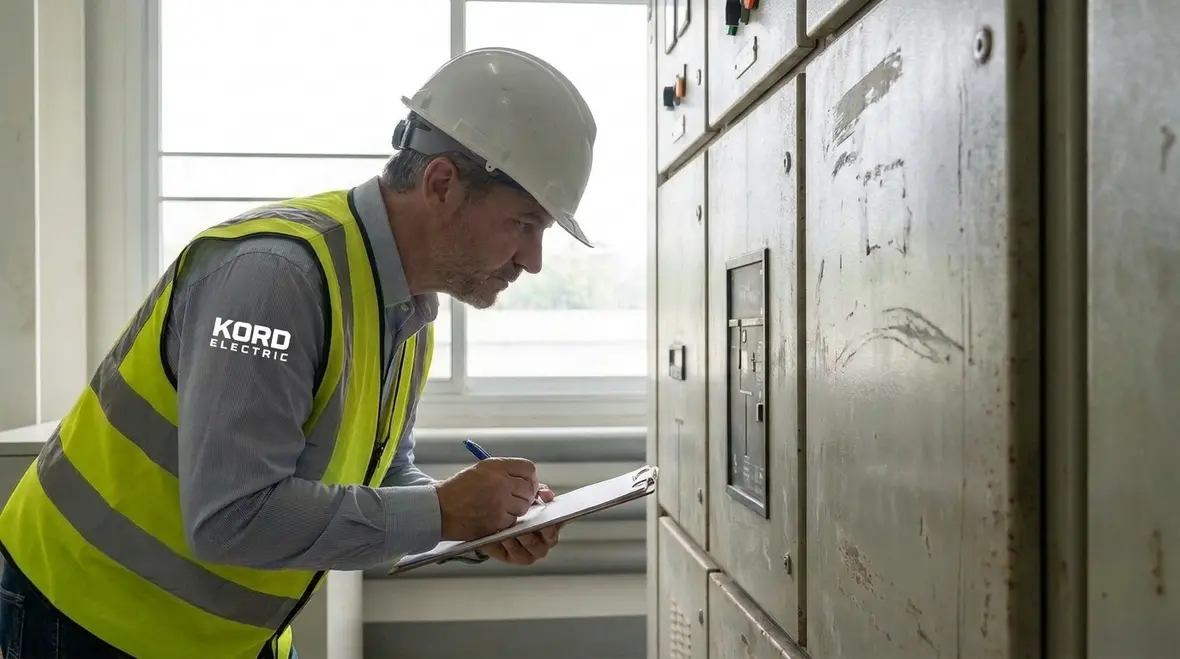
When Kord Electric reviews a site, we do not aim for a stack of paperwork that disappears into a binder. Instead, we aim for decisions that protect uptime. We connect each finding to what it means for safety, operations, and budget, so leaders can plan upgrades and maintenance with less guesswork and more calm.
We also align this approach with the broader Electrical System Asset Management guidance in the Electrical System Asset Management guide on our blog, where we walk through how to treat electrical systems as managed assets instead of mysteries that only show up when there is smoke.
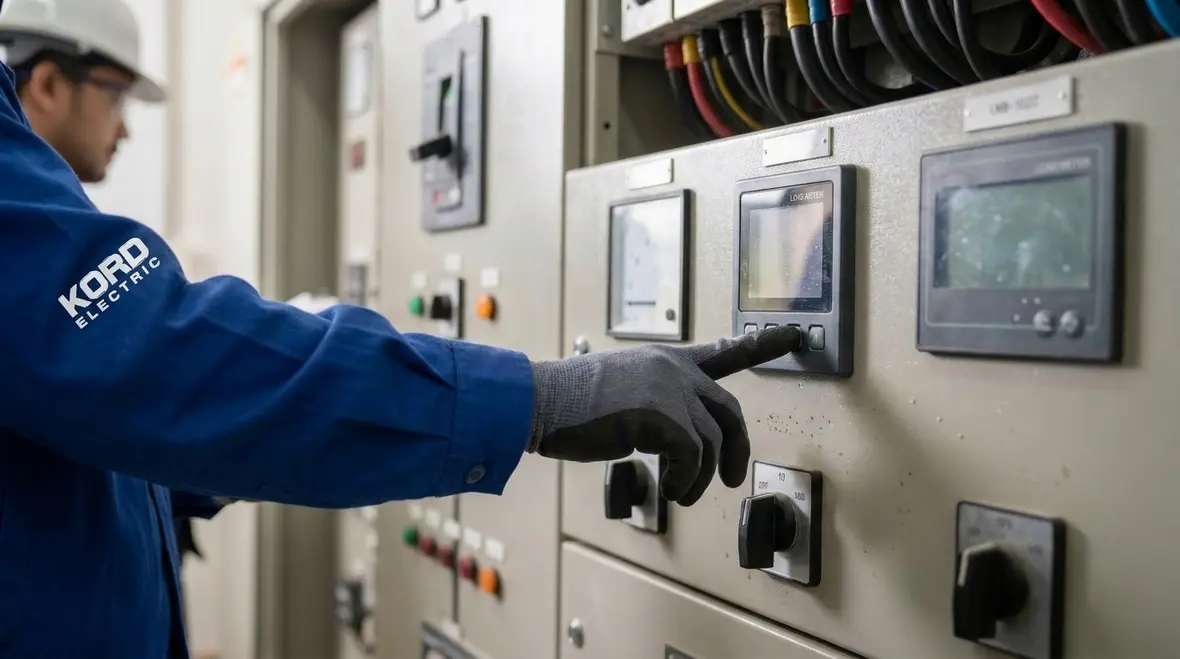
Electrical asset site analysis starts with how your site actually behaves
Most people think the electrical system is a static thing. However, power flow changes as occupancy changes, production schedules shift, and equipment ages. Therefore, our Electrical Asset Site Analysis: Identifying Risks, Capacity & Reliability Issues begins with real site behavior, not just nameplate ratings.
Our expert service staff looks at the complete picture, including distribution paths, feeder routes, switchgear areas, transformer loading, grounding and bonding, protection settings, and wiring condition. Next, we compare what the equipment is built to do versus what your facility asks it to do on typical and peak days.
We also pay attention to the signals facilities often ignore. For example, repeating nuisance trips can hint at insulation problems, loose connections, or protection curves that no longer match the system. Meanwhile, overheating on one bus section often points to imbalance or aging hardware. And if you ever hear a faint buzzing from switchgear, do not treat it like background music. That sound usually means something wants attention.
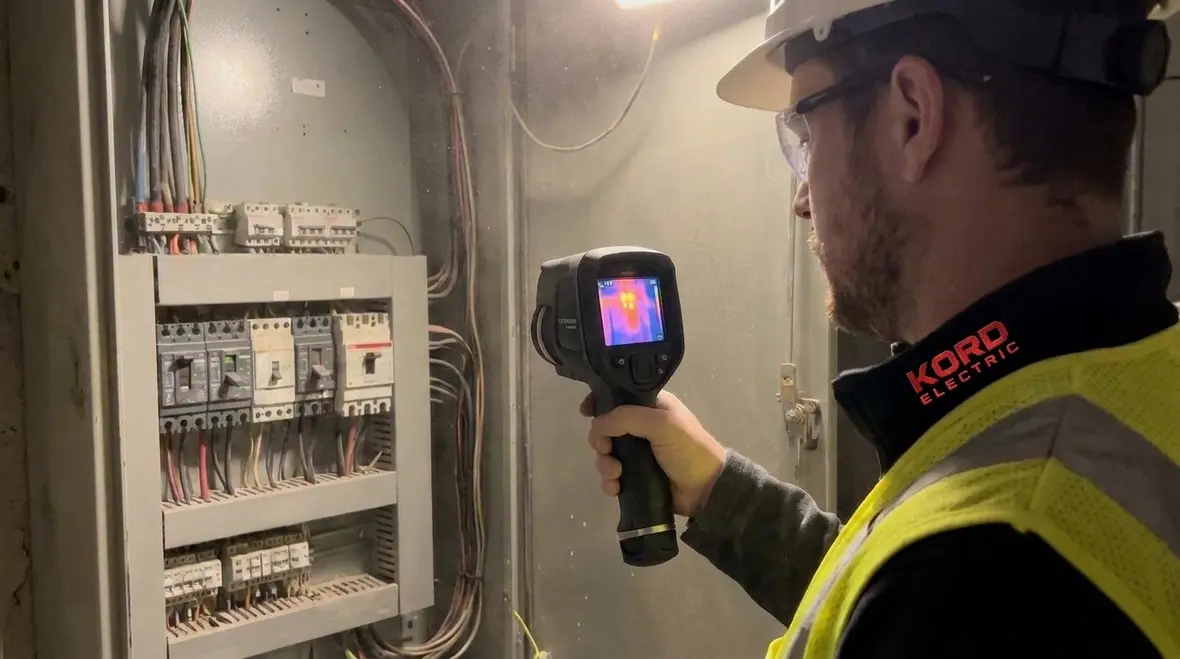
Instead of waiting for a major outage to reveal those issues, we use measurements, visual inspections, and performance trends to surface them early. That way, your facility team can plan work windows, order parts, and coordinate with operations long before anyone has to ask why production just went dark.
Identifying risks in the field: heat, moisture, loose links, and bad time
Risk does not announce itself with a siren. Instead, it builds quietly. So we assess the factors that commonly turn “fine today” into “fail tomorrow.”
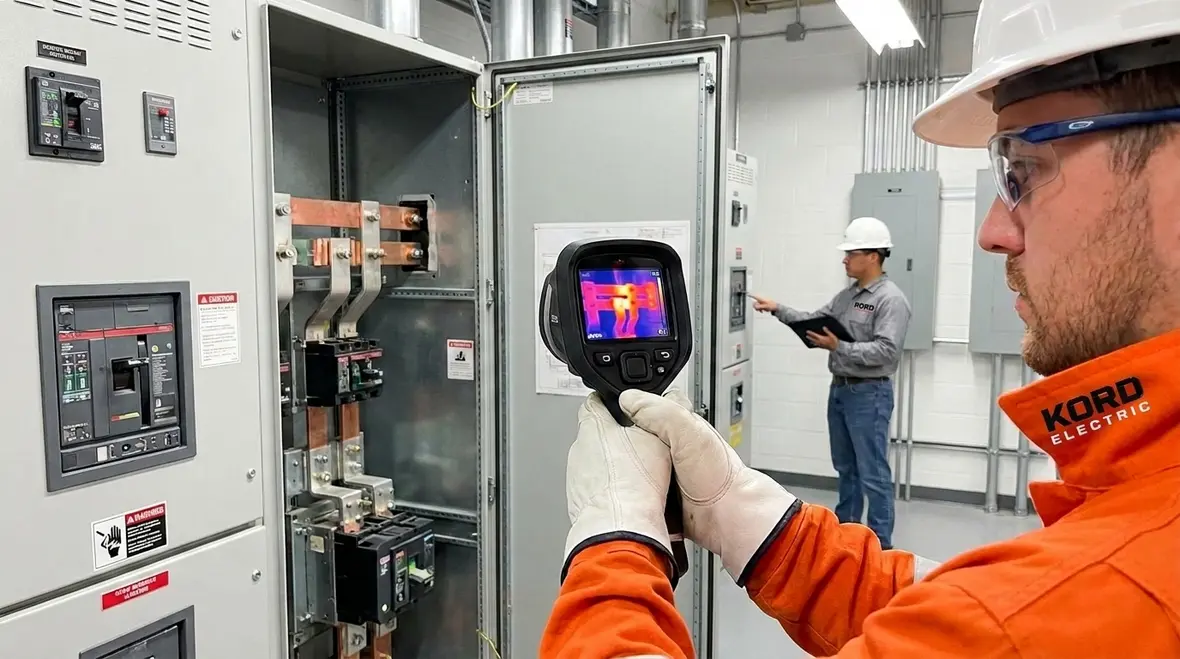
First, we check for thermal stress. Heat leaves evidence: discoloration, insulation aging, and hot spots that show up during load conditions. Second, we evaluate moisture risk, especially in areas with poor ventilation, roof leaks, or condensation. Third, we examine connections for looseness and damage. A connection that looks normal can still create resistance, and resistance turns into heat.
Then we look at time. Equipment has a life cycle, and protection systems have settings that can drift from what is needed. Additionally, changes in load, process equipment, or building expansions can make earlier assumptions wrong. Consequently, the risk is not only in the equipment. The risk also sits in the coordination between devices.
Our technicians document these findings and explain them clearly. We do not just hand over pages of notes. We connect the dots to show what is likely to fail, why it fails, and how the system responds when it fails.
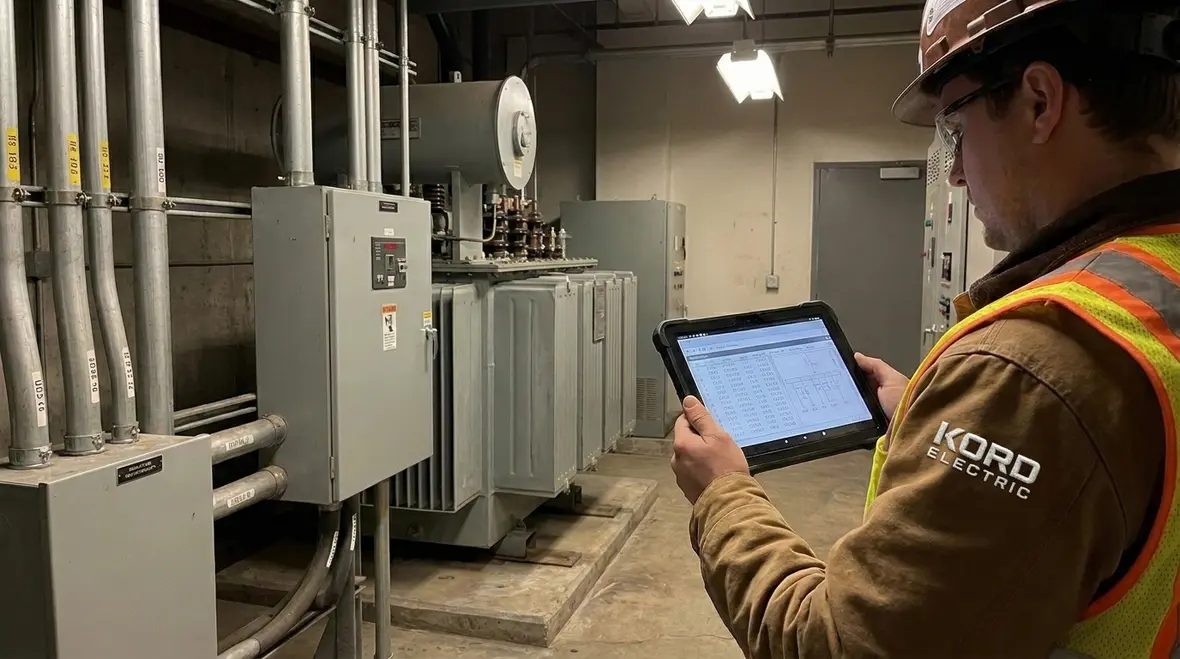
Many of these risks hide in plain sight. A slightly warm breaker today becomes a burnt termination six months from now. A damp corner of a switch room becomes a corrosion problem that shows up exactly when you least want to see it. By treating those signs as early warnings, our Electrical Asset Site Analysis: Identifying Risks, Capacity & Reliability Issues turns quiet clues into clear action items.
Capacity and load planning that actually matches future operations
Capacity problems rarely start as “no power available.” Usually, they begin as a slow squeeze. Loads increase, power quality shifts, and system margins shrink until the facility reaches a tipping point.
For Electrical Asset Site Analysis: Identifying Risks, Capacity & Reliability Issues, we review load growth and operating patterns for commercial and industrial buildings. We consider current demand, peak demand, seasonal variations, and planned expansions. Then we test how your system performs under those realities.
We also evaluate whether your transformers, feeders, panels, and switchgear have enough margin for growth. That includes checking whether equipment can handle future thermal limits and whether voltage levels remain stable during peak conditions. If your facility adds HVAC, production lines, EV charging, or new process loads, the electrical system must keep up.
And if you are thinking, “We will deal with it later,” we can hear the later calling. It usually shows up at 2 a.m., wearing a face that looks like a blown breaker and an invoice. We help you avoid that plot twist.
Our team also draws on real world lessons from projects covered in the data center power redundancy for maximum uptime guide and similar Kord Electric articles, where careful load planning and redundancy decisions protect high stakes operations from unplanned outages.
Reliability: protection coordination, arc flash safety, and what happens during faults
Reliability is not luck. It is planning, and planning starts with how your system behaves during faults. When something fails, the electrical system should isolate the problem quickly and safely, while keeping important loads running.
Our team reviews protection coordination and fault response, including overcurrent devices, relays, and breaker behavior. We examine whether settings match actual system conditions and whether relays clear faults in the right time and in the right sequence. If coordination is off, then a fault can spread farther than it should, affecting more equipment and more people.
We also address arc flash safety through a careful evaluation of risks and operating conditions. Facilities with accurate arc flash assessment can plan work safely and reduce uncertainty for maintenance crews.
Then we tie reliability back to daily operations. For example, if a non critical circuit trips often, we help others pinpoint whether the cause is protection settings, equipment wear, or power quality issues. The goal stays the same: fewer outages, faster recovery, and safer maintenance.
To support our approach, we align our process with the Electrical System Asset Management guidance on our blog, where we explain practical steps for analyzing system health and planning next actions. That same mindset appears across our resources, from smart building energy management for offices to troubleshooting checklists for industrial plants, all focused on predictable reliability instead of emergency drama.
How our assessment process delivers clear actions, not just findings
Some reports look like they were written to impress an engineer and confuse everyone else. We do not run that kind of show. Our process stays focused on usable results for facility teams.
First, we gather data from drawings, equipment labels, maintenance history, and site observations. Next, we perform a structured review of assets and system interactions. Then we validate our conclusions with field checks where needed. Finally, we compile results into an action plan.
That action plan usually includes a ranked list of priorities, with the why behind each item. Also, we explain the risk level, the likely impact, and the expected path to resolve the issue. In addition, we provide guidance on what to monitor and what to fix first.
Our technicians and expert service staff spend time walking stakeholders through the report. We keep the language simple, and we answer questions directly. If your team asks, “What happens if we do nothing?” we do not dodge. We explain the likely path, because hope is not a maintenance strategy.
For facilities that operate across Los Angeles County and surrounding areas, we can also connect analysis findings with broader Los Angeles County electrical services, so upgrades, repairs, and preventive maintenance stay aligned with the same risk based priorities we map in the assessment.
Where power quality and aging assets show up in real buildings
Even when equipment works, it may work poorly. That is where power quality and aging assets create “invisible wear.” Voltage fluctuations can stress motors and drives. Harmonics can overheat equipment and interfere with controls. Meanwhile, aged insulation can slowly increase leakage and reduce system resilience.
During Electrical Asset Site Analysis: Identifying Risks, Capacity & Reliability Issues, we look for these patterns and tie them back to the assets that cause them. We also evaluate how the facility’s electrical design handles non linear loads such as variable frequency drives, modern lighting systems, and IT equipment.
Additionally, we consider how maintenance practices affect reliability. A system that looks healthy can degrade quickly if preventive work is inconsistent. Therefore, we help others set a practical maintenance approach, aligned with the risk profile of each asset.
If your building is busy, we understand that downtime matters. Accordingly, we schedule recommendations with operations in mind so you can plan work without shutting down production or disrupting critical services. This same operations first approach appears in related guides like our resources on emergency power design and commercial EV charging planning, where electrical decisions are made to fit real world schedules, not the other way around.
FAQ
Quick answers for featured snippets
How long does an electrical asset site analysis take?
It depends on the size and complexity of the facility, but we plan the work to fit around operations and deliver results in a clear timeline. Smaller sites may be reviewed in days, while larger campuses, industrial plants, or multi building portfolios may require phased visits and staged reporting so your team can keep working while we collect the data we need.
Will the report include prioritized recommendations?
Yes. We rank items by risk and impact, then explain what to fix first and what to monitor. That prioritization includes notes on safety, downtime potential, cost exposure, and how each recommendation ties into broader electrical asset management for your facility.
Do you focus on commercial and industrial buildings only?
Yes. Kord Electric targets commercial and industrial facilities and major property buildings, where electrical reliability and safety directly protect business operations, tenant expectations, and long term asset value.
Ready to reduce risk and protect your uptime?
When Kord Electric performs an electrical asset site analysis, we help others see the real electrical risks before they turn into outages, safety issues, or costly surprises. Our technicians and expert service staff deliver clear findings, prioritized actions, and plain language explanations that your team can use. If you manage a commercial or industrial facility and you want stronger capacity planning and better reliability, call Kord Electric today. We will review your site, discuss your goals, and map the next steps with calm confidence.
If you also want ongoing support beyond the initial assessment, our broader service offerings across Los Angeles County connect Electrical Asset Site Analysis: Identifying Risks, Capacity & Reliability Issues with installation, upgrades, emergency response, and preventive maintenance, so your electrical system is managed as a long term asset instead of a recurring surprise.