
Commercial Building Energy Audit Guide
At Kord Electric, we often hear the same story from facility managers: the building “feels” expensive to run, yet no one can point to a single culprit. That is why a commercial building energy audit becomes the turning point. In the first steps, our team helps others pinpoint where energy truly leaks away, which systems waste power, and how schedules and controls affect demand. Then we turn the findings into a practical plan that fits real operations, not fantasy spreadsheets. And yes, we keep it calm and clear, because nobody enjoys a surprise utility bill like it is a sequel they never asked for.
What a commercial building energy audit uncovers in a big facility
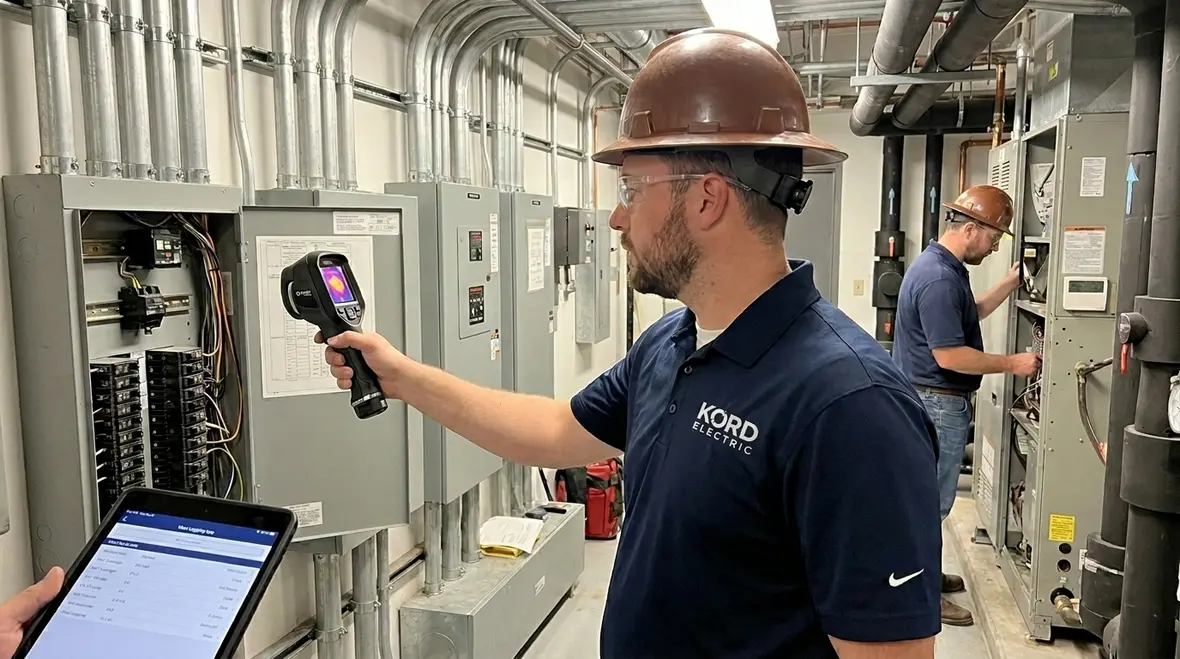
When our expert service staff arrives on site, we do not treat an audit like a quick walk-through. Instead, we build a detailed view of how the property uses electricity and heat across days, weeks, and seasons. This is where the commercial building energy audit earns its keep, because it exposes patterns that casual observation misses.
For example, we track how lighting, HVAC, and ventilation behave under real occupancy. We also review control settings, setpoint drift, and how equipment performs once it is no longer “new.” Meanwhile, we examine meter data and building management system logs when available. As a result, our findings connect energy use to actual operating conditions, which helps others avoid vague recommendations like “turn things down” without telling you what, where, and by how much.
We also look at load timing. In many commercial and industrial facilities, power demand spikes during startup events or shift changes. So even if total monthly usage looks manageable, demand charges can still bite hard. And of course, those charges often show up like an uninvited guest who brought their own invoice printer.
Lower operational costs by targeting the right losses
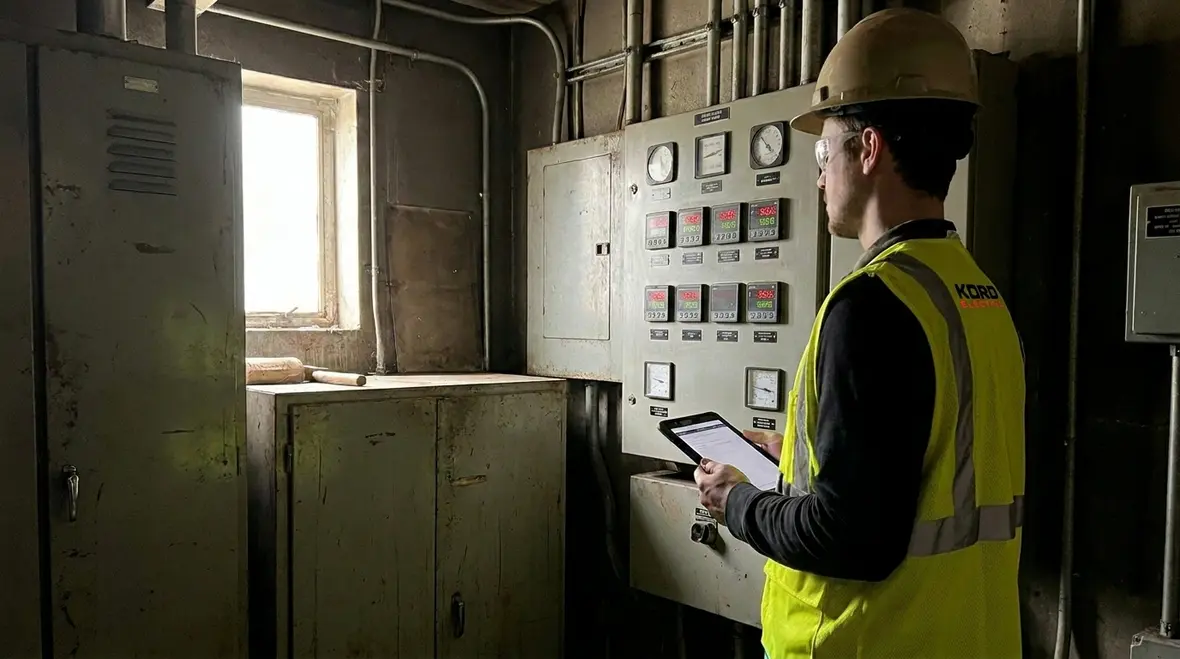
Operational costs fall when we stop paying for avoidable waste. First, we identify envelope and system issues that cause unnecessary heating or cooling loads. Then we connect those loads to the equipment that must work harder. This approach matters, because the biggest savings rarely come from tiny fixes. They come from removing the reason systems run longer than they should.
Our technicians typically focus on a few high impact areas:
- HVAC runtime and control that runs too long due to schedule errors or sensor drift
- Ventilation and air handling losses that increase fan energy without improving comfort
- Lighting efficiency and controls where occupancy sensors or daylighting are missing or misused
- Motor and drive operation where aging equipment draws more power at the same output
Next, we turn the discoveries into a cost model that matches how the facility actually runs. Therefore, recommendations consider production schedules, tenant needs, and uptime requirements. Our customers do not want a plan that sounds good, they want a plan that survives the real world. For many facilities, that often means combining a commercial building energy audit with structured programs such as electrical preventive maintenance so savings remain stable instead of fading after the first few months.
Maintenance-first thinking that keeps energy waste from returning
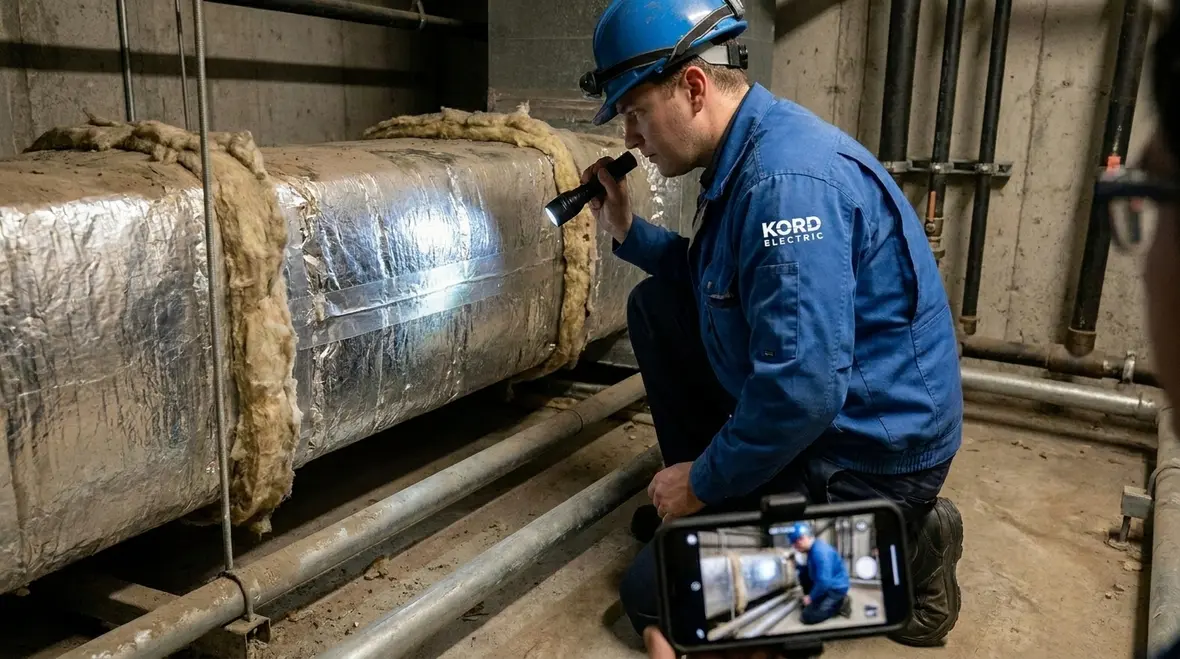
Even the best upgrades can fail if preventive work is inconsistent. That is why we combine audit insights with the discipline of electrical preventive maintenance. In other words, we do not just find problems, we help stop them from coming back.
On the Kord Electric preventive maintenance approach, our team explains and documents how electrical systems degrade over time and how routine checks reduce risk and energy loss. We review components, inspect connections, and verify that electrical equipment operates within safe and efficient limits. As these items drift out of spec, power factors and performance can shift, and heat losses can quietly rise.
When other service teams treat maintenance like a checkbox, the building pays later. However, when our technicians follow a steady schedule, the facility runs closer to its intended efficiency. Also, the audit can show where controls need tuning, while preventive maintenance helps ensure the corrected settings stay stable.
If you have ever watched a space heater battle a leaky door and then blamed the heater, you already understand the idea. Fix the cause, then maintain the solution.
Real savings come from controls, not guesswork
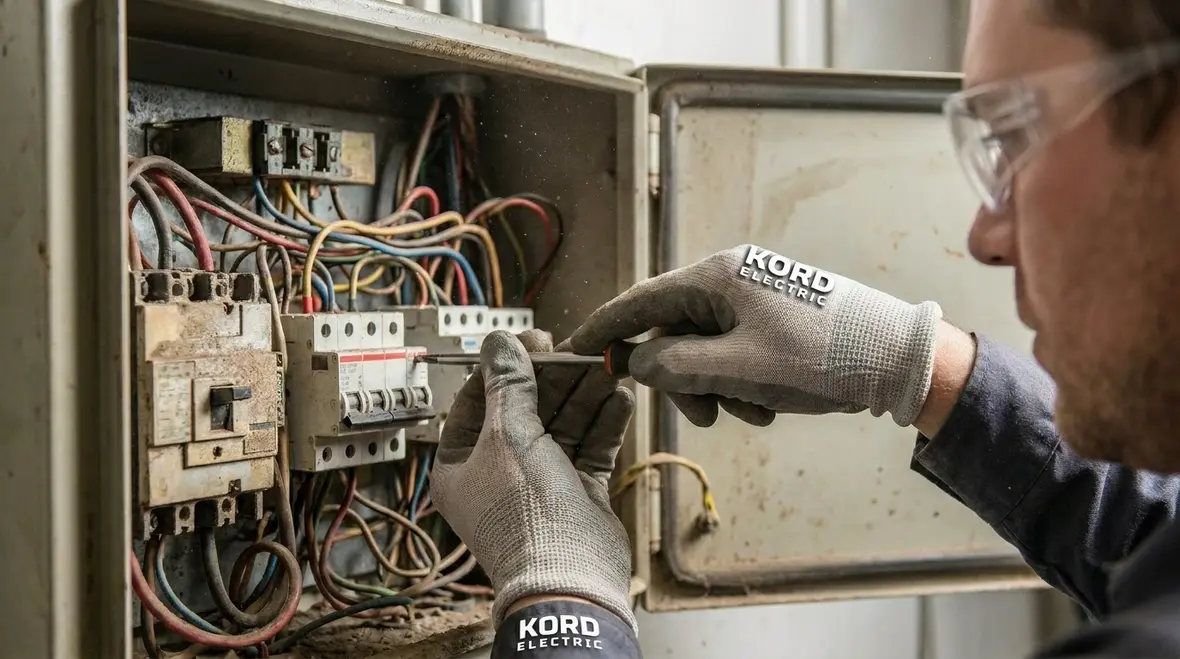
Many facilities spend money on energy but do not control it well. That is why we focus on how building systems respond to conditions. Controls often drive large swings in usage, especially in large buildings with multiple zones and varied occupancy.
For example, we commonly see these issues:
- Thermostats that hold the wrong setpoint for the wrong times
- Schedules that fail to match shift patterns
- Fans running at higher than needed speeds due to miscalibrated settings
- Short cycling that increases wear and power draw
- Poor coordination between ventilation and heating or cooling demand
Then we translate control findings into action steps that others can implement without disrupting operations. Our technicians also explain the “why” behind each change, because when staff understands the logic, they maintain it correctly. In the long run, that reduces confusion, change requests, and the kind of internal debate that lasts three weeks and still ends with “let’s call someone.” We usually show up before it reaches that stage.
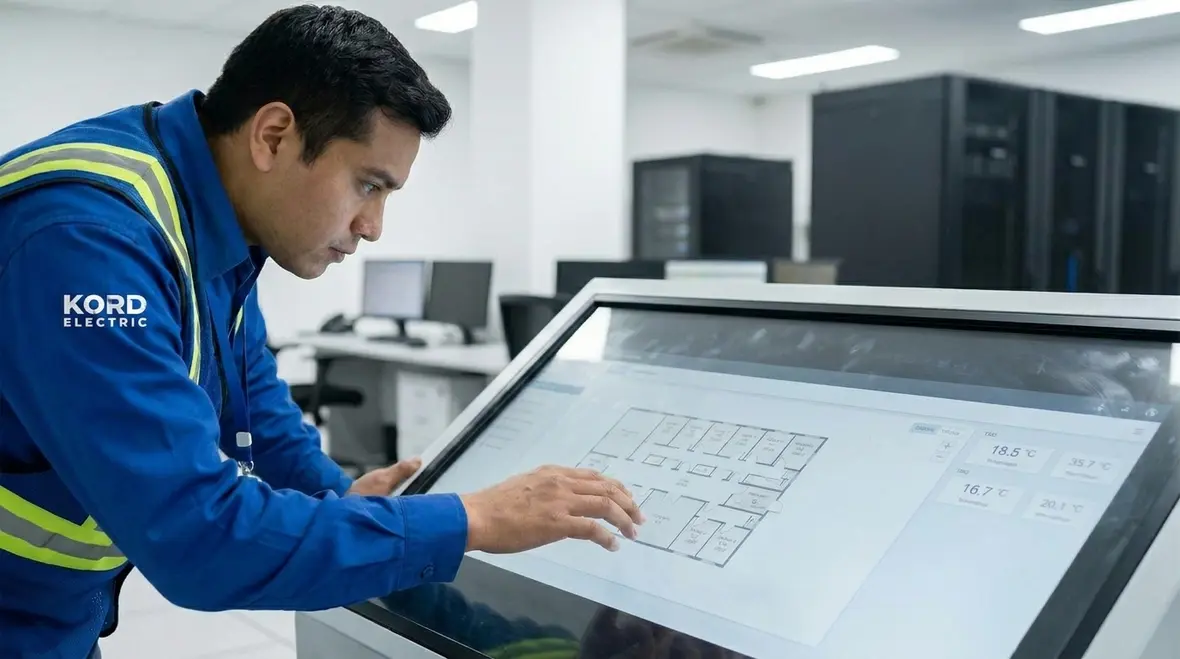
Risk reduction that protects uptime and equipment
Energy efficiency and reliability share the same foundation. When equipment works under better conditions, it often runs cooler and with less stress. At the same time, preventive checks can uncover electrical and mechanical issues early, when repairs cost less and downtime stays manageable.
During an audit, we do not only chase kilowatt hours. We also look for signs that the facility operates outside healthy ranges. That may include abnormal heating in panels, higher than expected current draw, voltage imbalance trends, or systems that do not stage correctly.
Because we serve commercial and industrial facilities and major property buildings, we treat uptime as a priority. We build findings with operating constraints in mind. So while a lighting upgrade can help, we also consider how power distribution, controls, and maintenance routines affect long term performance.
Think of it as reducing both the utility bill and the “why is this failing again” meeting. Nobody likes either, but proactive work makes both less frequent.
How we plan the audit and report results for stakeholders
We approach a commercial and industrial audit with communication in mind. First, our expert service staff meets with facility leaders to understand goals, budgets, and constraints. Then we review available documentation like one line diagrams, equipment schedules, and any prior maintenance records. After that, our technicians validate key data on site and confirm system behavior under real operation.
Next, we build a report that helps others make decisions quickly. It usually includes:
- Energy use breakdown by system and operational schedule
- Findings that explain what wastes energy and where it happens
- Recommended actions with expected impact and estimated payback direction
- Priority order based on risk, cost, and ease of implementation
- Maintenance links that support long term efficiency, including electrical preventive maintenance alignment
Then we walk stakeholders through the report in plain terms. This matters because the people who approve budgets often do not want an engineering thesis. They want clarity that supports action. And we deliver that, step by step, without the jargon curtain.
For organizations that need follow through beyond the report, our technicians can help connect audit findings with broader service offerings like Los Angeles County commercial electrical services, so improvements stay aligned with code, safety, and long term reliability goals across the entire property.
Featured FAQ for commercial property leaders
Conclusion: choose savings you can defend
If your facility feels like it costs more every year, we recommend acting with a clear plan. At Kord Electric, we help commercial and industrial property leaders complete a commercial building energy audit that finds waste, connects it to real operations, and supports long term efficiency through electrical preventive maintenance discipline. When you know where energy goes, you can budget with confidence and protect uptime. Whether you manage a single building or an entire portfolio, our team can also connect audit findings to related services like voltage stability support and broader commercial electrical maintenance so improvements stay aligned with safety, compliance, and reliability goals.
Call us now, and let our technicians bring calm, clear results to your next utility cycle with a commercial building energy audit you can explain, defend, and build future upgrades around.
To explore how preventive maintenance and audit-driven improvements can support your long term strategy, you can also review our dedicated service overview for ongoing care and structured inspections across commercial and industrial portfolios.
When you are ready to move from “the building feels expensive” to “we know exactly where the energy goes,” the next step is simple: schedule a walkthrough, gather the right data, and let a structured commercial building energy audit turn guesswork into a plan.


