Commercial Electrical Grounding Requirements CA
Commercial Electrical Grounding Requirements California for Busy Facilities
Why commercial grounding matters more than most people think
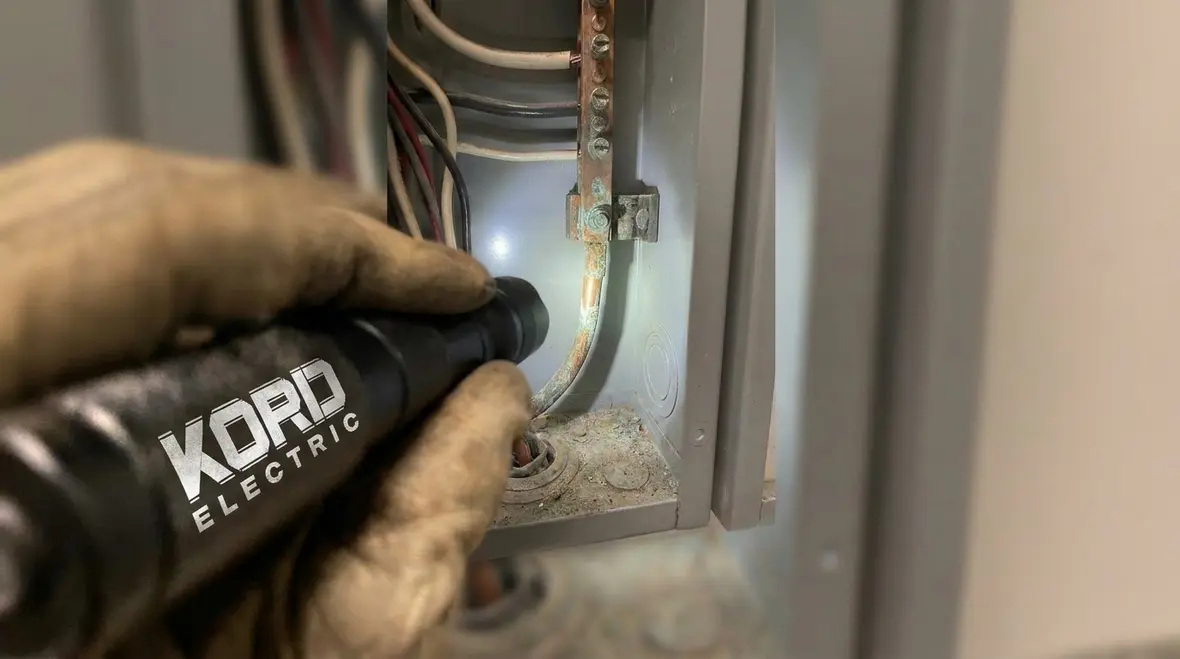
Commercial electrical grounding requirements california start with one goal: keep people safe, protect equipment, and help systems clear faults fast enough to prevent bigger damage. In major commercial and industrial facilities, grounding is not a “nice to have” detail. It is the quiet backbone of the electrical system, the part that works even when everyone else is yelling at the breaker schedule.
At Kord Electric, we support property owners, facility managers, and electrical contractors who need grounded power systems that match the California rules and the field reality. Our technicians explain what they find, why it matters, and how we correct issues in a way that keeps operations running, because nothing kills a workday like a problem that should have been caught during commissioning. We follow the logic laid out in the electrical codes for commercial buildings, and we confirm compliance with proper testing and documentation.
What grounding does in commercial and industrial buildings
Grounding gives fault current a safe path back to the source. As a result, protective devices operate as intended, and the electrical fault does not linger. Then, when lightning, surge events, or insulation breakdown show up, a well planned grounding system helps limit damage. Without it, equipment can see unexpected voltage stress, metal parts can become energized, and safety margins shrink like a washer load that went “extra hot” for no reason.
In commercial and industrial settings, the stakes rise because there are more loads, more wiring, and more metal surfaces. Therefore, grounding must integrate with bonding and with the overall system design. Our experienced service staff breaks this down in plain terms, so others on the team understand what “good grounding” looks like before the next inspection.
California code expectations and the common places projects fail
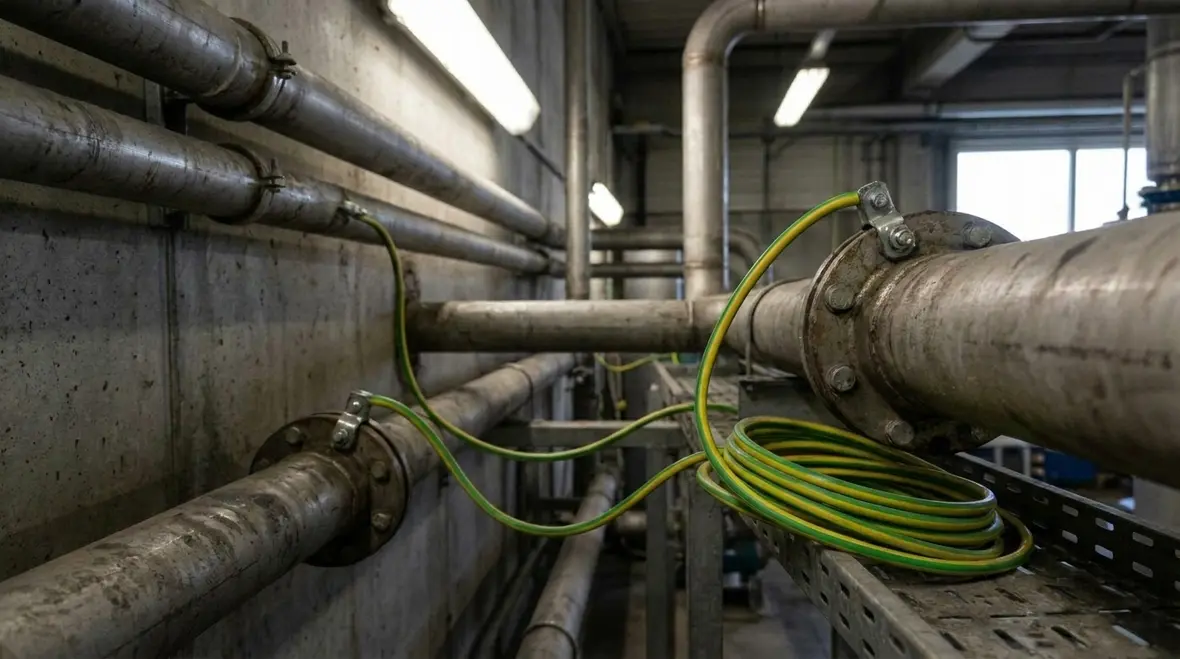
Kord Electric aligns our work with the guidance typically used for commercial building electrical code requirements, including bonding and grounding practices discussed in our commercial electrical codes resources. In the field, we often see the same weak points. For example, the grounding electrode system may look complete, but the connections can be loose, corroded, or improperly sized. Also, bonding may be incomplete where metal paths should connect.
Additionally, facilities sometimes inherit older wiring during tenant improvements. Even when the new work follows the plan, existing grounding and bonding can remain mismatched. Then, the new system ties into an old weak point and turns it into the new problem. Our technicians review the whole picture, not just the visible section, and they explain the risk in a way that helps owners plan the fix at the right time.
Grounding electrode systems and bonding for metallic parts
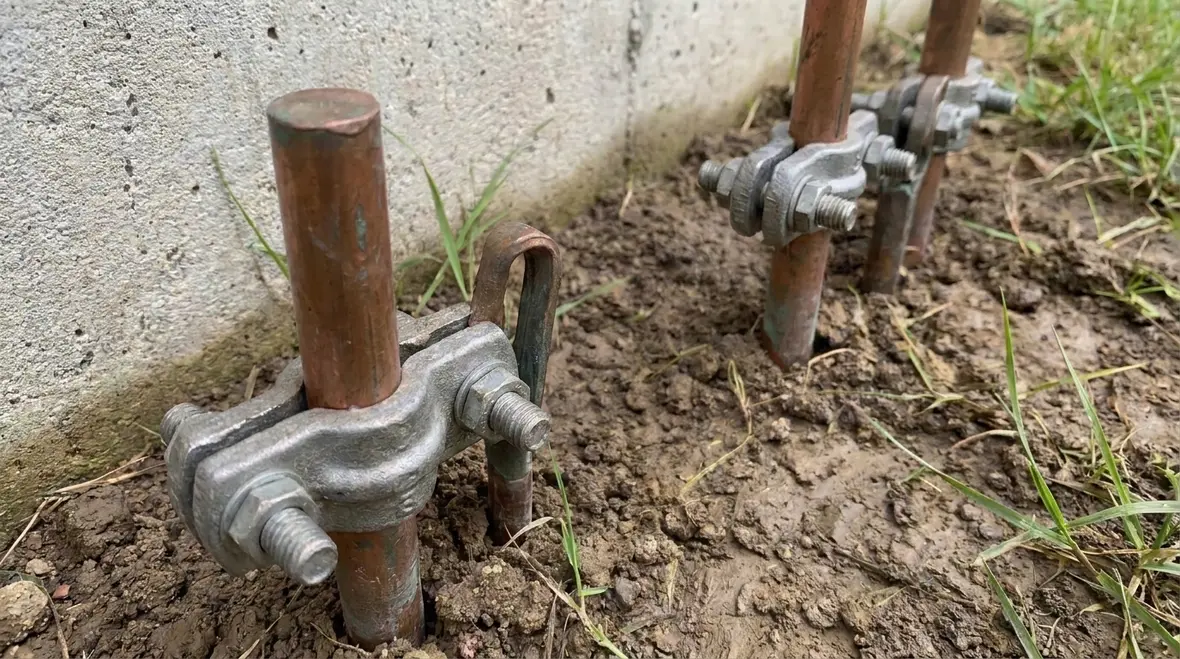
A grounding electrode system includes the parts that connect the building to earth, such as ground rods or other electrodes where applicable. However, grounding alone does not stop hazards. Bonding ties metal parts together so they stay at the same electrical potential during fault conditions. That is where many projects stumble.
We see frequent issues around metallic piping, service equipment enclosures, structural steel, and raceways. Consequently, if bonding is skipped or done halfway, you can still get shock risk and nuisance tripping. Meanwhile, if the bonding is correct, protective devices respond reliably, and sensitive equipment gets a better chance of surviving spikes and transient events.
At Kord Electric, we focus on secure mechanical connections, correct conductor routing, and proper termination methods. Then, once the electrical grounding requirements california piece fits into the larger bonding plan, the system behaves more like it was designed to behave, even when real world conditions get messy.
System types: services, separately derived systems, and switching gear
Commercial and industrial facilities rarely rely on one simple source. Instead, they often use multiple services, step down transformers, or separately derived systems. Each one changes how engineers and electricians think about grounding and bonding. Therefore, the design must match the equipment type and the facility layout.
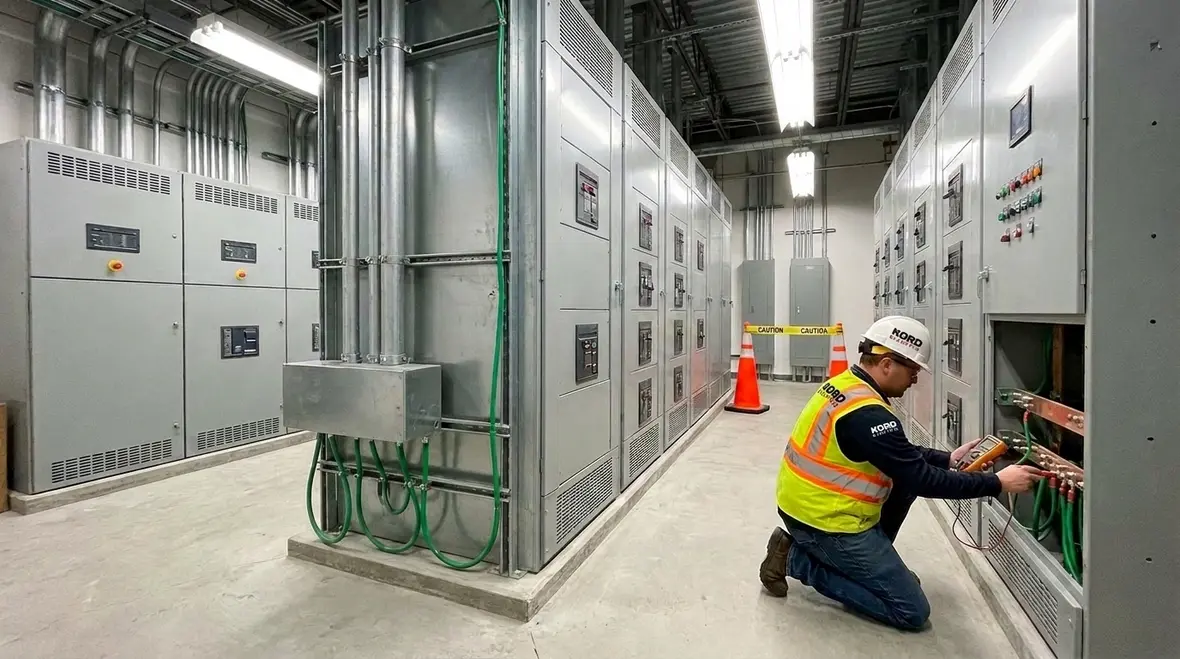
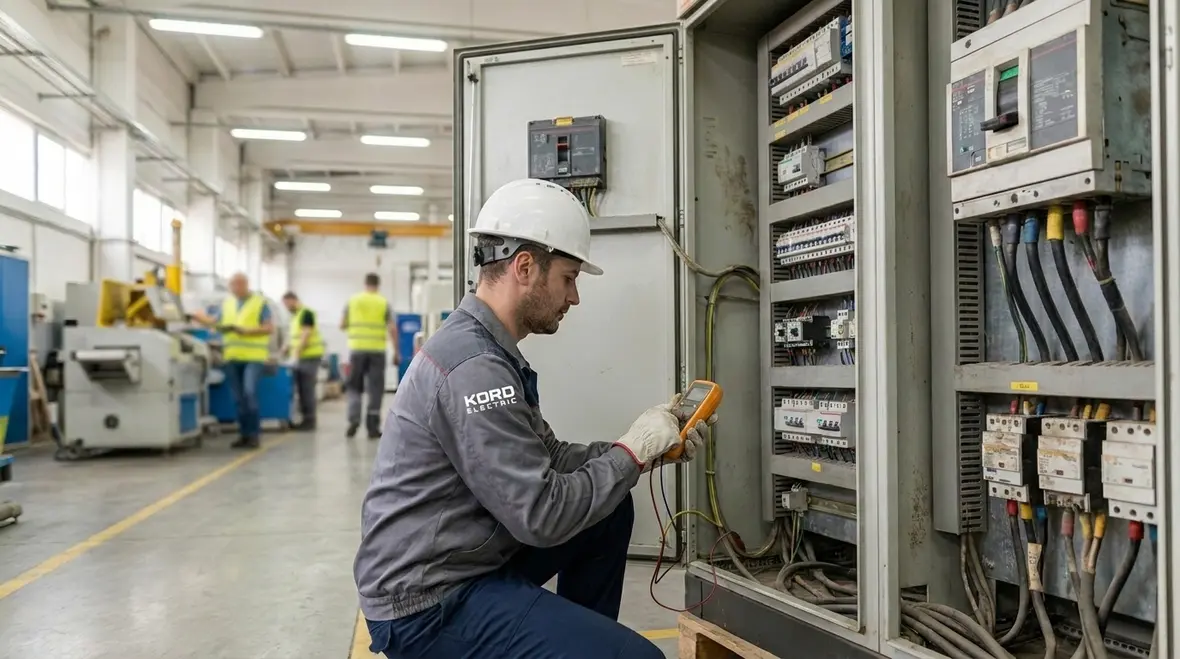
For instance, a transformer secondary may require attention to how grounding is handled on that side. Similarly, switching gear and distribution panels must connect to the bonding network without gaps. When facilities ignore these details, the building may pass a basic visual check while still failing functional behavior during a fault. Our technicians explain this nuance on site, and they help teams understand why “it looks grounded” does not always mean it performs safely.
Also, control circuits, grounding of enclosures, and the integrity of equipment grounding conductors matter for industrial loads. If an enclosure carries voltage during a fault and grounding paths are weak, the hazard extends to anyone who touches that metal. We prevent that outcome by verifying connections and continuity.
Testing, inspection, and documentation that hold up under pressure
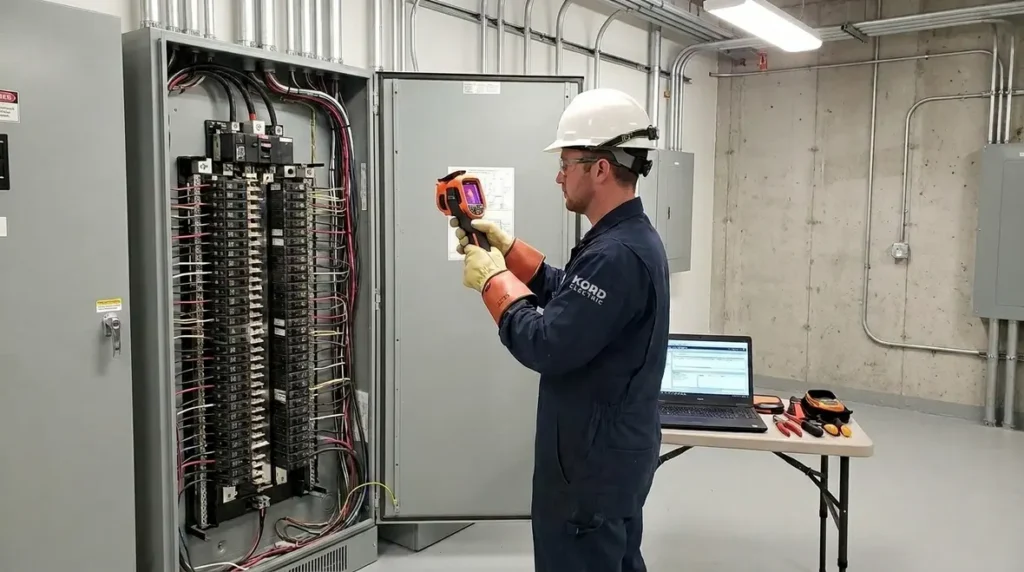
Once installation is in place, the work must prove it. Grounding systems need functional verification through continuity and resistance testing where required. Then, the results become part of the facility record, which matters for ongoing maintenance, upgrades, and insurance documentation.
In many commercial settings, property teams expect a fast turnaround, and understandably so. However, rushing the testing step creates a false sense of safety. Later, when a fault event occurs, the grounding path might not behave as expected. That is the part no one wants to discover like finding a pop quiz after you already left school.
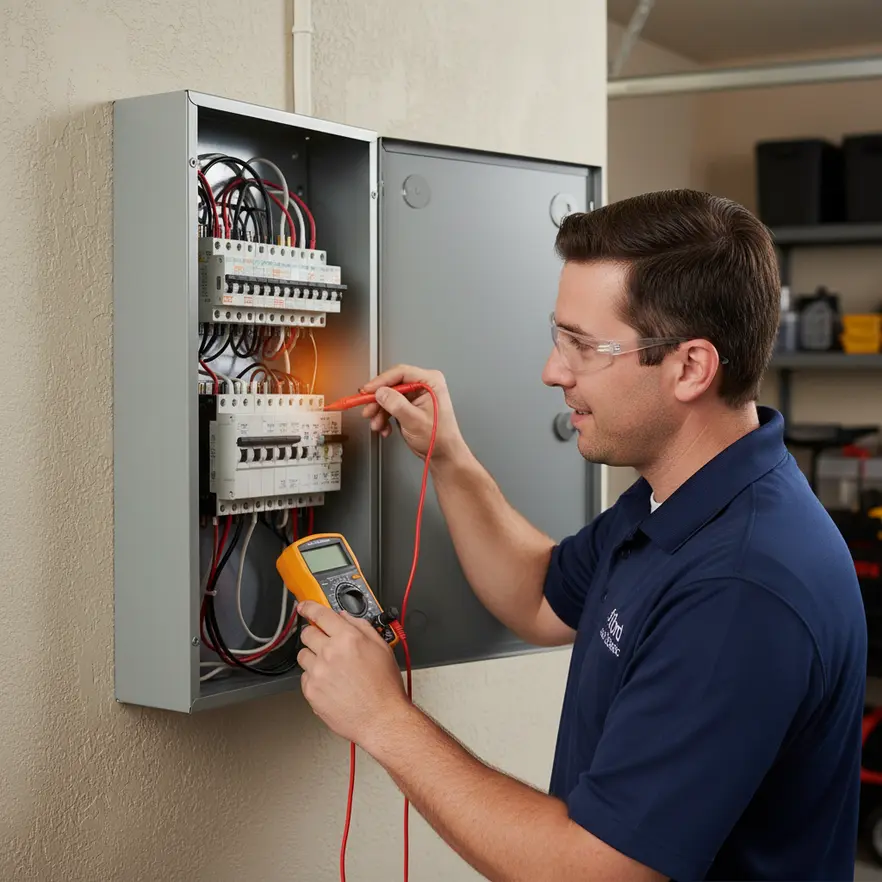
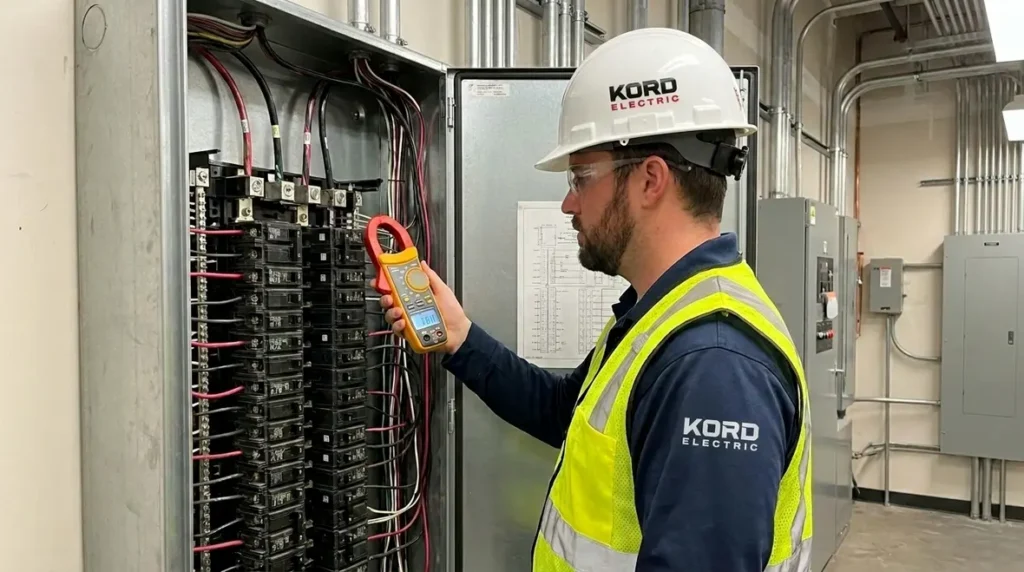
Kord Electric provides field level checks and clear explanations. Our service staff communicates what we measure, what it means, and what we recommend next. If something is out of spec or incomplete, we tell the truth early and propose a fix that respects facility operations. In other words, we do not just wire it, we help make it reliable.
Upgrades during tenant improvements and retrofits in major properties
Tenant improvements can change loads, add panels, re-route conductors, and introduce new metal enclosures. As a result, grounding and bonding paths can become indirect or mismatched. Even if the new tenant space follows the current design, the existing building system still controls how fault current travels.
Therefore, Kord Electric treats upgrades as a system update rather than a patch. We confirm how the new work ties to the grounding electrode and the building bonding grid. Then, we verify that equipment grounding conductors connect correctly to each enclosure. This helps avoid “selective fixes” that look good on paper but fail in service.
Retrofitting industrial facilities brings extra complexity, especially when multiple trades operate at once. In those cases, our team coordinates the grounding scope with the electrical distribution plan, so the building does not end up with partial bonding in one area and corrected bonding in another. We keep the process calm and structured, because chaotic job sites already have enough plot twists.
For facilities across the region, our broader Los Angeles County commercial electrical services support includes code-driven upgrades, troubleshooting, and long term reliability planning that keep grounding aligned with distribution changes over the life of the building.
FAQ about grounding for commercial buildings in California
Call Kord Electric for grounded protection that stays compliant
Commercial and industrial facilities deserve grounding that performs under real conditions, not just grounding that passes a glance. If you manage a major property in California, Kord Electric helps you meet electrical safety goals with correct bonding, reliable electrode connections, and testing you can trust. Our technicians explain what they find, what it means, and how we fix it without disrupting your operation more than necessary.
From new construction to retrofits, we align our field practices with the same disciplined approach we bring to emergency power, lighting, and distribution reliability across our project portfolio. That way, your grounding system supports the rest of your electrical infrastructure instead of becoming another mystery tucked behind a locked panel door.
Call us today to review your grounding plan, support upgrades, or verify compliance before problems rise. Our team can assess existing grounding, recommend prioritized corrections, and coordinate improvements alongside broader commercial electrical work so your facility stays safer, more reliable, and better prepared for the next inspection—or the next fault event.
And when you are ready to connect grounding improvements with broader service needs, our commercial and industrial service teams can help plan upgrades, preventive maintenance, and future projects under one coordinated strategy.