AFCI Requirements California Electrical Code Guide
AFCI requirements California electrical code: what commercial and industrial property owners need to know
In California, the afci requirements california electrical code matter for real buildings with real people inside them. We at Kord Electric focus on commercial and industrial facilities and major property buildings, so we see the same issue again and again: owners want safety, but they also want to avoid costly surprises during inspection, remodel, or tenant build out. Our certified technicians and expert service staff explain the rules in plain language, then help teams plan the right wiring and device approach before the work starts. And yes, we hear the usual joke that electrical work is like stand up comedy, because one small mistake and the whole show falls apart. Still, we keep it calm, because the goal is compliance you can feel good about.
How AFCI fits into California’s electrical safety goals
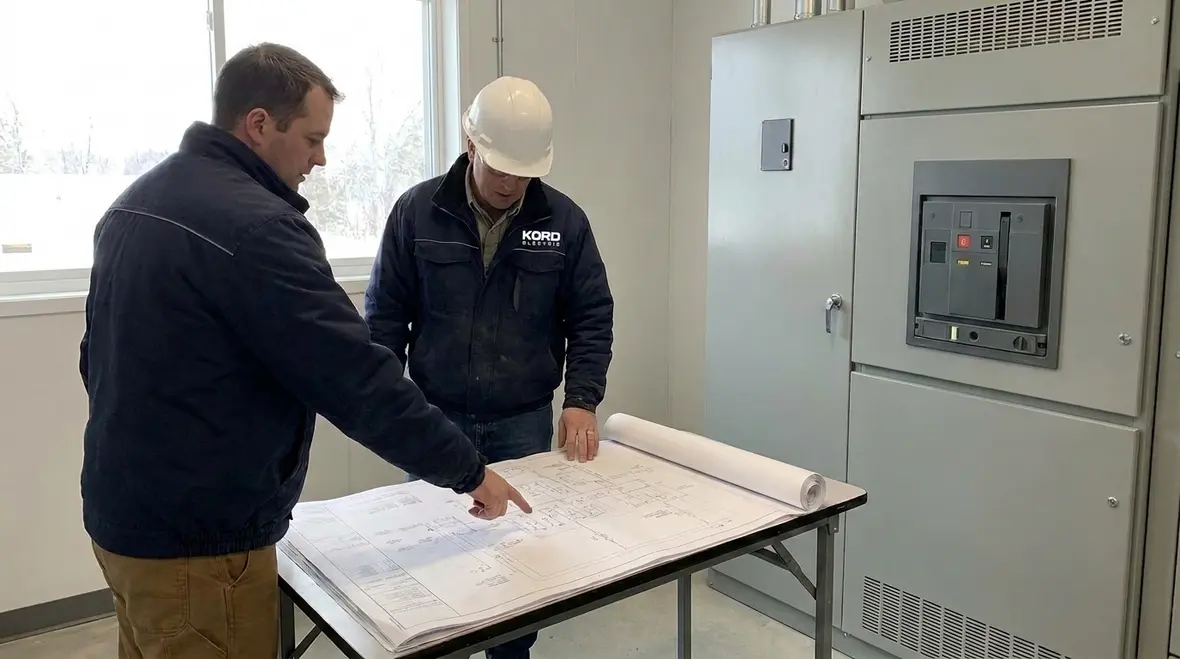
California’s approach aims to reduce arcing faults, which can start fires even when an outlet still looks fine. In other words, arcing faults do not always trip standard breakers in a way that tells you, “Hey, stop everything.” Instead, they can create heat and ignition risk over time. That is where arc fault detection steps in and why the afci requirements california electrical code show up when certain circuits need extra protection.
Additionally, AFCI is not just a checkbox for us. Our field team checks the building conditions, the intended loads, and the existing wiring path. Then we align the protection method with what the code requires for that application. Because the commercial and industrial world runs on uptime, we also plan work in a way that reduces downtime. We would rather schedule the disruption than let it schedule your project.
Which circuits usually trigger AFCI requirements in major property work
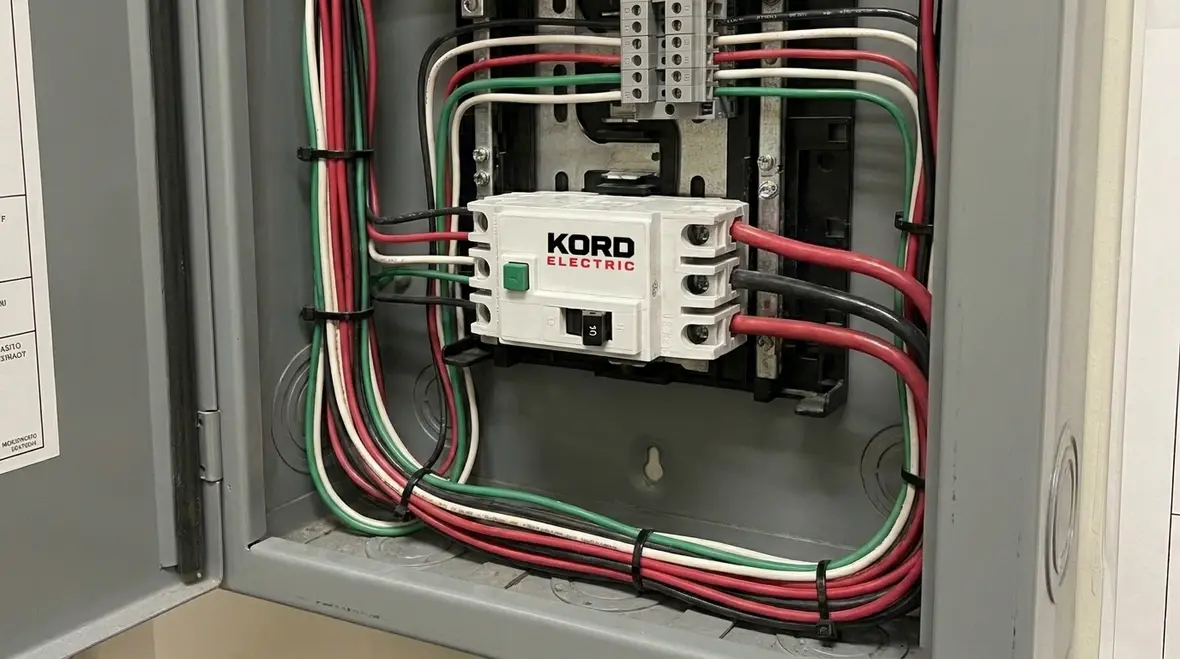
In practical terms, the need for AFCI often connects to how the circuit supplies power and what type of wiring and equipment the circuit serves. For many commercial and industrial facilities, AFCI comes up most during new construction and during changes that involve branch circuit modifications. Moreover, when a remodel or tenant improvement changes conductors, adds receptacles, or alters the way a circuit feeds devices, we treat the affected areas as potential compliance hot spots.
Our technicians also look closely at how circuits get extended or repurposed. For example, when an older run gets reused and updated, the new work might require updated protection in the scope of the change. As a result, you do not only follow the letter of the requirements. You also follow the actual job scope, because inspectors expect consistency between the plan, the wiring, and the final as built conditions.
When teams skip this step, they often discover the problem after the walls are already closed. That is not a fun plot twist, unless you are binge watching a soap opera. We keep projects moving forward by checking early.

Why coordination with code upgrade consulting matters
Because AFCI protection often shows up alongside broader wiring changes, many owners connect these projects with structured consulting on code upgrades. When renovations touch multiple circuits or panels, AFCI planning fits naturally into a bigger conversation about NFPA 70 and state amendments. That is where resources like Kord Electric’s guidance on electrical codes for commercial buildings help property teams understand how arc fault protection interacts with grounding, overcurrent protection, and other core safety rules.
Compliance in the real world: installation details that pass inspection
Meeting the standard does not end with selecting the correct breaker or device. Installation details can make the difference between smooth approval and a long walk back to the panel room. So we focus on the basics that inspectors still care about: correct termination, proper conductor sizing, correct labeling, and circuit layout that matches the approved plan.
Next, we verify the protective device type and compatibility with the system design. Some setups require specific configurations for reliable arc fault detection. Therefore, our staff reviews the panel board schedules and the intended loads before we finalize the wiring method. If a building uses special loads or has unique power arrangements, we do not guess. We confirm.
We also manage the “small but loud” issues. Loose connections, damaged insulation, or wrong device pairing can create problems that look like nuisance alarms or, worse, a detection gap. Transitioning from planning to field work, we document key steps so the final condition matches what was intended.
And because commercial sites move fast, we coordinate with facility managers and electrical contractors on access, lockout needs, and schedule windows. That is how we keep compliance steady and the lights on.

Aligning AFCI with broader commercial system checks
When we verify AFCI installations, we often pair that work with other commercial electrical safety steps. For example, many facility teams schedule arc fault upgrades alongside a broader commercial electrical safety audit for risk control. That approach gives owners one coordinated window where technicians review panels, feeders, and protective devices together, instead of chasing separate punch lists months apart.
Common AFCI planning mistakes we see in tenant improvements
Tenant improvements in commercial and industrial buildings often bring hurry, and hurry brings avoidable mistakes. We see the same patterns across warehouses, office buildouts, and mixed use major property buildings. First, teams sometimes focus only on where outlets get installed, not on the circuit history. Then, they miss how the circuit gets extended from the panel.
Second, contractors may select a solution that sounds right on paper but does not line up with the specific code requirement for that circuit type and wiring method. Even if the physical wiring looks neat, the protection method still needs to match the scope. Third, crews sometimes fail to account for multiwire branch circuits and how shared neutrals affect circuit behavior.
Additionally, some teams do not update drawings and panel schedules. Inspectors want to see clarity, and facility staff need accurate information for maintenance later. If documentation stays outdated, troubleshooting becomes a guessing game. And guess what, the building always wins the guessing game. It just does not do it politely.
Our expert service staff catches these items early by walking the job plan, reviewing circuit routes, and confirming the final device approach. That is how we reduce rework and keep compliance from becoming a surprise invoice.
Tying AFCI planning into renovation-focused code consulting
When tenant improvements expand beyond simple cosmetic work, we encourage owners to treat AFCI as part of a structured renovation plan instead of a last minute add on. Coordinating with services like electrical code upgrade consulting for renovations helps teams map where arc fault protection is mandatory, where it is best practice, and how those decisions interact with feeder upgrades, panel changes, and future expansion paths.
Testing, documentation, and long term maintenance for AFCI-protected systems
After installation, teams should not treat the job as finished. Even though testing practices vary by project, we recommend a consistent approach that confirms circuits operate properly and that the building documentation matches the field reality. We help our commercial and industrial clients with turnover packages and clear labeling, because maintenance teams rely on that information later.
Moreover, proper documentation helps when a future tenant improvement comes along. When a new scope affects existing conductors, crews need to know what protection devices exist and which circuits they protect. If your records say one thing but the panel says another, you will pay for that mismatch in time and labor.
During long term maintenance, we also encourage periodic attention to connections and device condition. The goal stays simple: keep systems safe and running. Our technicians do not just replace parts when something fails. They look for root causes, especially in high use areas where equipment loading changes and wiring gets disturbed during routine facility work.
Using AFCI data as part of broader troubleshooting
In many facilities, arc fault trips become early warning signs in a larger troubleshooting story. When patterns emerge, our teams fold AFCI observations into a structured commercial electrical troubleshooting process. That way, we do not chase each trip as a random nuisance—we treat it as a data point that might point to overloaded equipment, aging conductors, or other hazards that deserve attention before they turn into downtime.
Special considerations for commercial and industrial electrical contractors
Commercial and industrial facilities carry higher complexity than basic residential work. For major property buildings, power distribution might serve multiple areas, specialized equipment, and varied tenant needs. Therefore, the planning conversation must include load characteristics, circuit routing, existing infrastructure, and future flexibility.
We coordinate with electrical contractors and facility stakeholders so the AFCI protection path supports the building’s operating needs. That means we pay attention to how circuits connect to devices and how new loads interact with existing circuits. Additionally, we help ensure the scope of work aligns with the code intent and the inspection path.
And if someone says, “We will deal with it later,” we gently remind them that “later” often turns into a reinspection. In our business, we treat compliance as a project management task, not a last minute hope.
Connecting AFCI planning with broader electrical services
Because arc fault protection influences panel space, conductor routing, and load patterns, many owners look at AFCI in the same window as larger upgrades. When power demand climbs or configurations change, our teams pair AFCI strategies with broader work such as upgrading commercial electrical service capacity or adjusting distribution so future projects do not paint the building into a corner. For facilities across Southern California, those planning conversations often tie directly into our broader Los Angeles County electrical services support for ongoing operations.
FAQ: AFCI requirements and California electrical code compliance
Ready to keep your facility safe and inspection-ready
If your commercial or industrial project involves new wiring, tenant improvements, or circuit changes, do not leave afci requirements california electrical code compliance to chance. Kord Electric brings trained technicians and expert service staff who explain the rules in clear terms, then help your team plan the right protection approach and install it correctly. Contact us today for a site focused review and a compliance plan you can stand behind. We will keep the work calm, the documentation accurate, and your inspection process smoother.
For owners who want even more context on how AFCI protection fits into the bigger picture of commercial compliance, Kord Electric’s broader resources—covering topics like electrical safety audits, load management, and commercial electrical systems for modern buildings—show how each code requirement connects back to uptime, risk control, and long term operating costs. When you are ready to coordinate AFCI upgrades with other improvements across your property, our team is ready to help you plan the work, not just react to it.