Tenant Improvement Electrical Requirements LA
Tenant Improvement Electrical Requirements in Los Angeles: What Commercial Owners Must Plan
When a tenant asks for new outlets, lighting, or power upgrades, tenant improvement electrical requirements los angeles often start a chain reaction: permits, inspections, load calculations, and careful coordination. In Los Angeles, the rules can feel like a maze designed by someone who enjoys paperwork more than people. Yet we handle it in a clear, calm way. Kord Electric works with commercial and industrial facilities and major property buildings, so our approach fits the realities of real spaces, real schedules, and real tenants. In this article, we explain the key steps owners and contractors need to plan for, and we do it with the kind of detail our technicians would use when they explain things on site. After all, no one wants surprises when the ceiling is already open like a TV plot twist.
Start With the Building, Not the Box of Parts
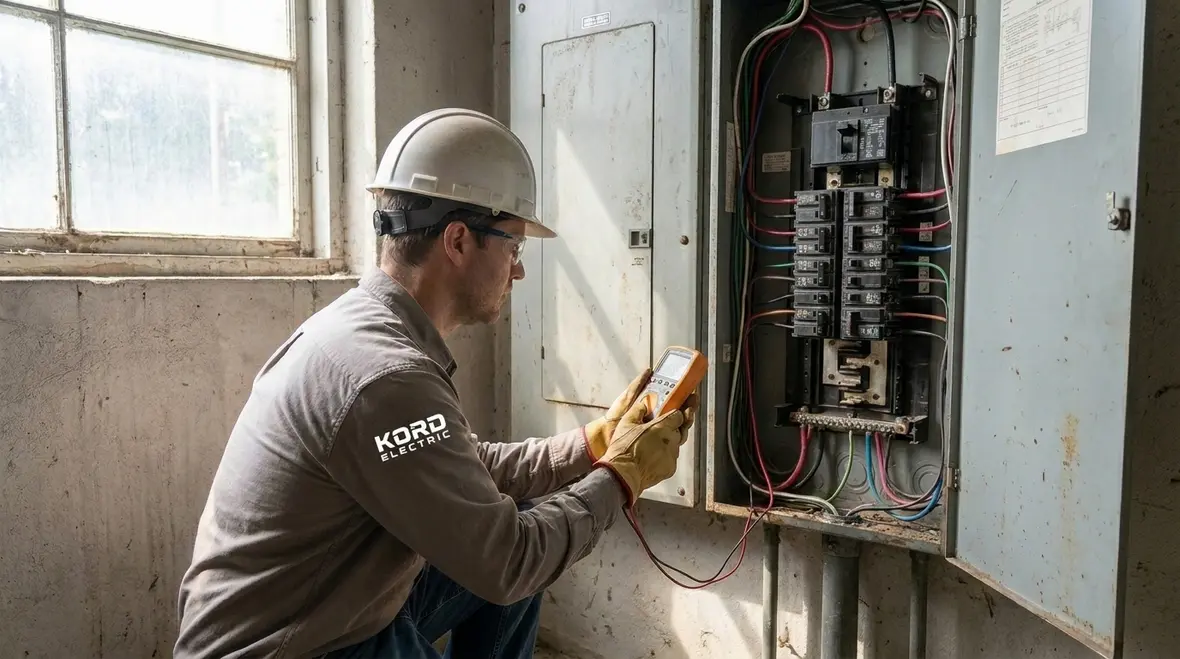
Before anyone pulls wire, our team takes time to understand the building system. That means we review existing service capacity, distribution panels, grounding methods, and how the site handles power quality. Then we look at the scope of work: new circuits, equipment connections, lighting layout changes, and any specialty loads a tenant brings. Even if the tenant improvement sounds simple, the electrical design must match the building’s electrical plan and local requirements.
Next, we confirm what the electrical scope affects. For example, adding receptacles might require new circuits, and adding equipment might require dedicated feeders. Consequently, designers and owners should align early on what is truly needed, not what sounds good in a walk through with a clipboard.
What Code and Permit Steps Typically Apply in Los Angeles
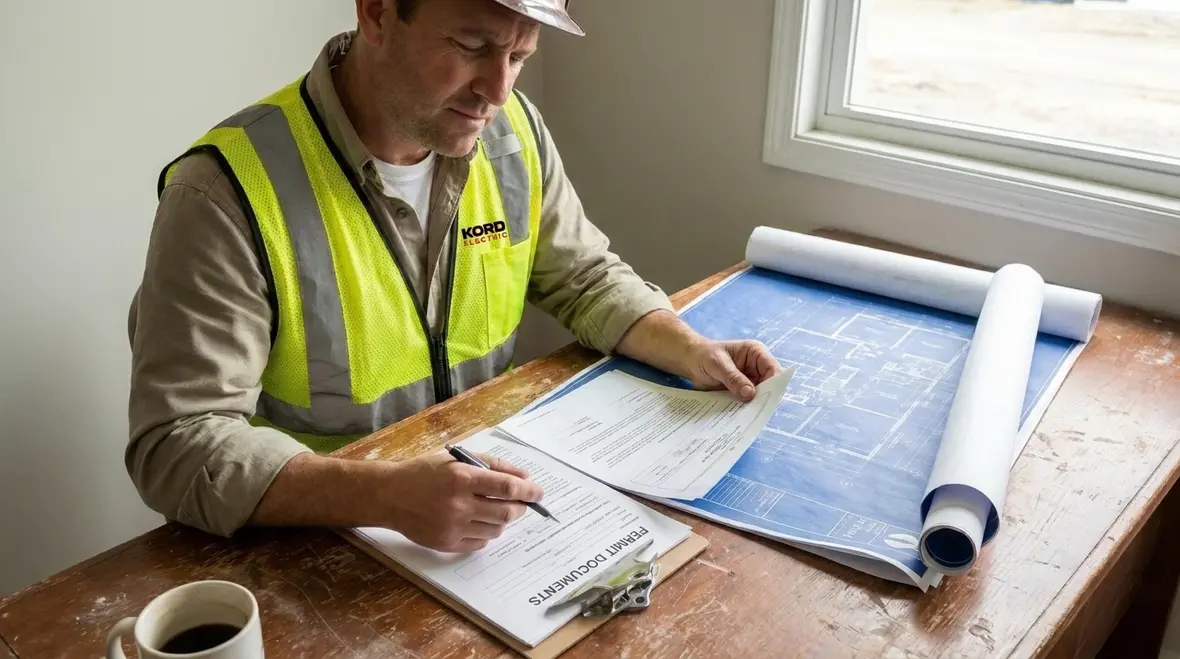
Los Angeles electrical work follows strict code rules, and tenant improvements usually trigger permit reviews and inspections. Usually, the process includes plan submittals, corrections if the first review finds issues, rough inspection before concealed work closes, and final inspection after completion. We also pay close attention to labeling, panel schedules, and proper documentation, because inspectors love clarity and we love not redoing work.
So, when owners ask about tenant improvement electrical requirements los angeles in practical terms, we tell them it is about more than “passing an inspection.” It is about safety, consistent design, and clean installation practices that hold up after move in. Meanwhile, our expert service staff helps teams understand what inspectors look for, which prevents last minute scrambling like someone searching for their keys while the car already runs.
Design Checks We Perform Before Work Begins
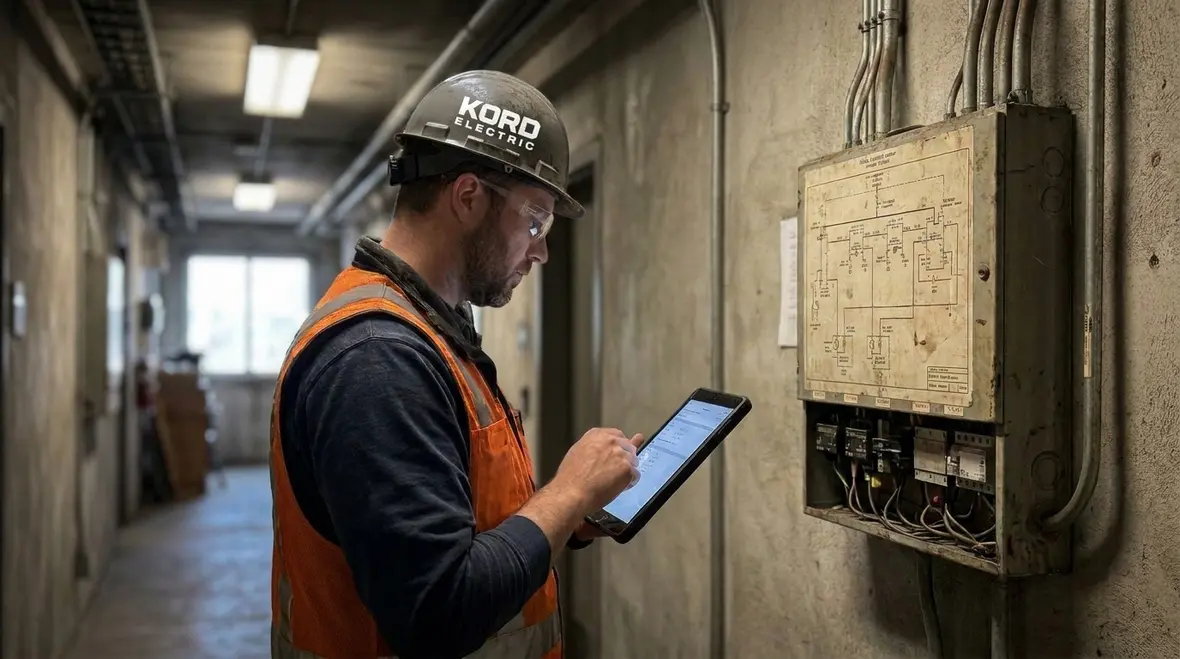
Our electricians start with design validation, and we treat it as a serious step. We verify that the load calculation matches the tenant’s requested equipment. We also confirm conductor sizing, overcurrent protection, and that the lighting and power layout make sense for the space. Then we check that the grounding and bonding method stays consistent with the building’s system.
In addition, we review equipment requirements. Motors, HVAC controls, data racks, kitchen equipment, or industrial tools can change the electrical story quickly. Because tenant improvements often mix multiple types of loads, our technicians look for conflicts early. This includes voltage compatibility, panel capacity limits, and any harmonics or power factor concerns when relevant.
We also encourage teams to plan for pathway capacity. Conduit, wire trays, and sleeves do not expand just because the tenant wants “one more outlet.” Therefore, we verify routing options so the job stays buildable.
Installation Standards That Reduce Rework
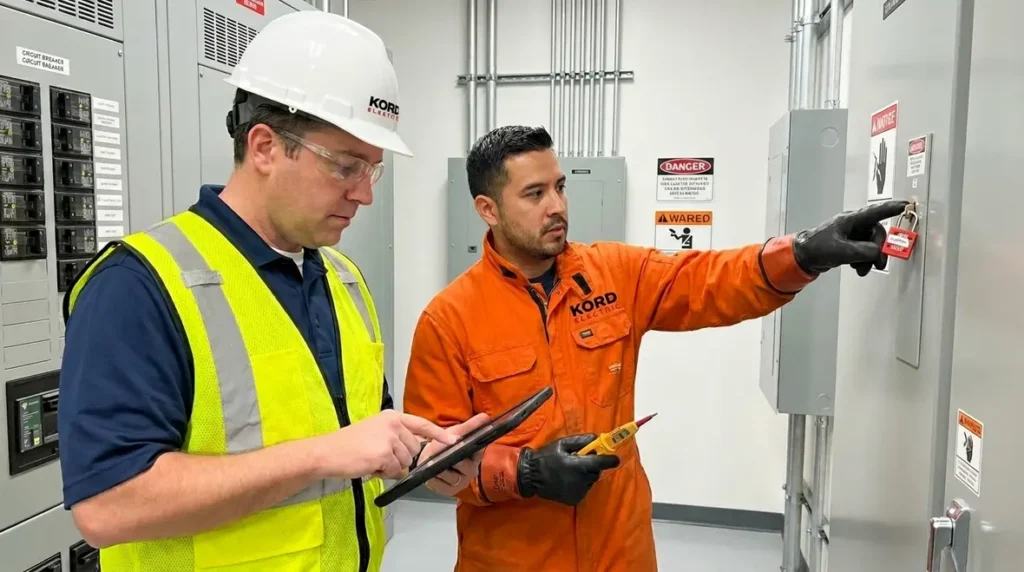
Once the design checks clear, we focus on installation quality. We run circuits with correct termination methods, we follow safe bending and pulling practices, and we keep wiring neat enough that future technicians can understand it without decoding like it is ancient text. When work is concealed, our crew verifies it before closing it up. That discipline saves time and protects the building.
Lighting retrofits and new lighting zones also need special care. We make sure controls work correctly, dimming systems behave as intended, and the layout aligns with the tenant’s operating plans. Additionally, receptacles and dedicated circuits must match what the tenant will actually plug in. No one wants to discover the hard way that their “temporary” setup becomes permanent, and then everybody blames the electrical.
For major property buildings and industrial facilities, we also coordinate with ongoing operations. We schedule work to limit downtime and we protect areas that must stay functional. So the tenant gets a smooth handoff, and the building keeps moving.
Panel Capacity, Load Management, and Coordination With the Tenant
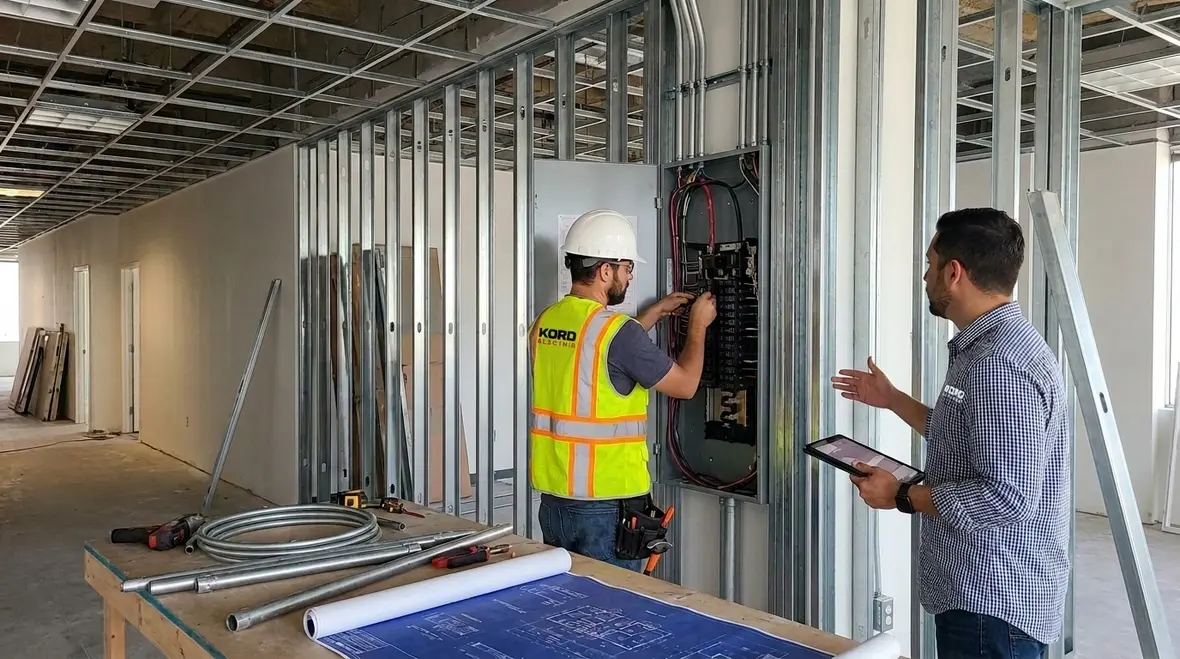
Tenant improvements frequently revolve around panel capacity. If the main panels are tight, we explore options such as adding circuits where capacity exists, upgrading feeders where allowed, or adding distribution where required. Our team helps owners and tenants understand tradeoffs so decisions do not happen in a rush. Meanwhile, we coordinate timing so electrical work aligns with framing, drywall, ceiling work, and equipment delivery.
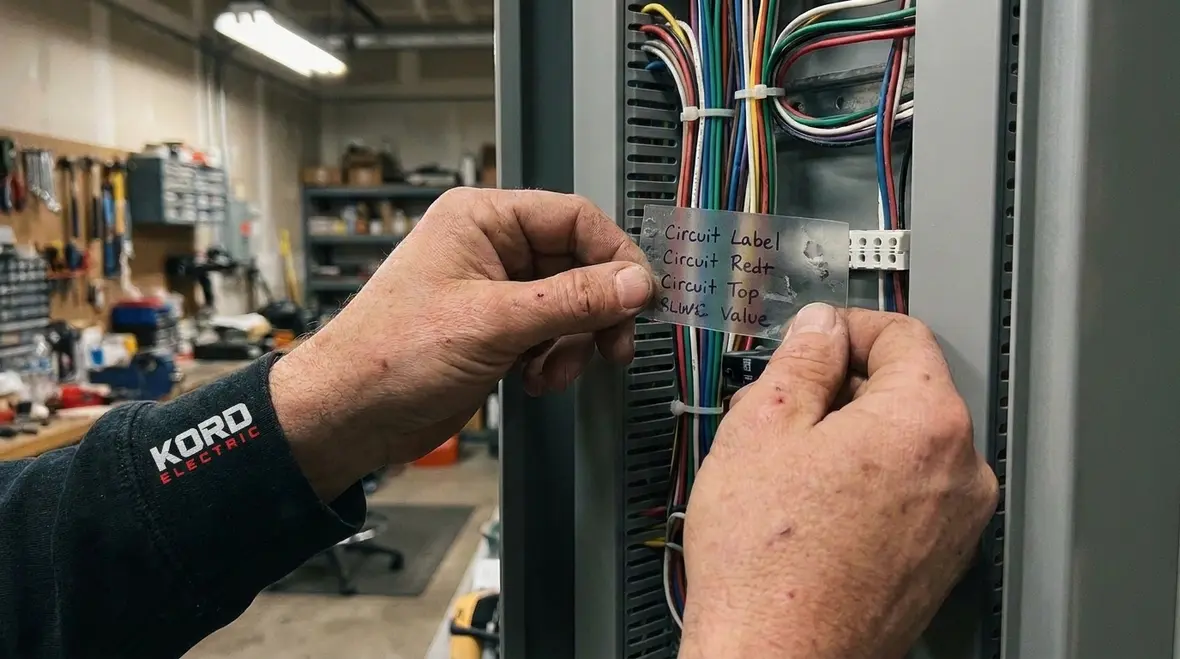
Next, we address labeling and documentation. A well labeled panel schedule prevents future confusion and helps facility staff troubleshoot faster. We also confirm that devices and equipment get correct circuiting so systems operate safely from day one.
Coordination matters because tenant improvements involve many players. General contractors set up the space, designers finalize layouts, and electricians install the system. Therefore, clear communication prevents mismatched expectations, like ordering the right part in the wrong color, then acting surprised when the store cannot fix it.
Inspections, Testing, and Clean Closeout
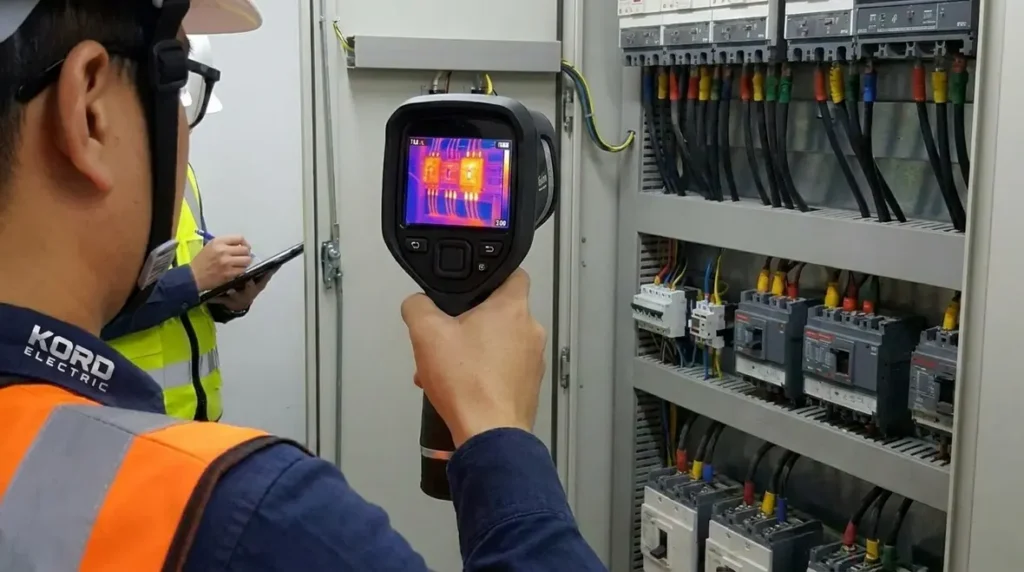
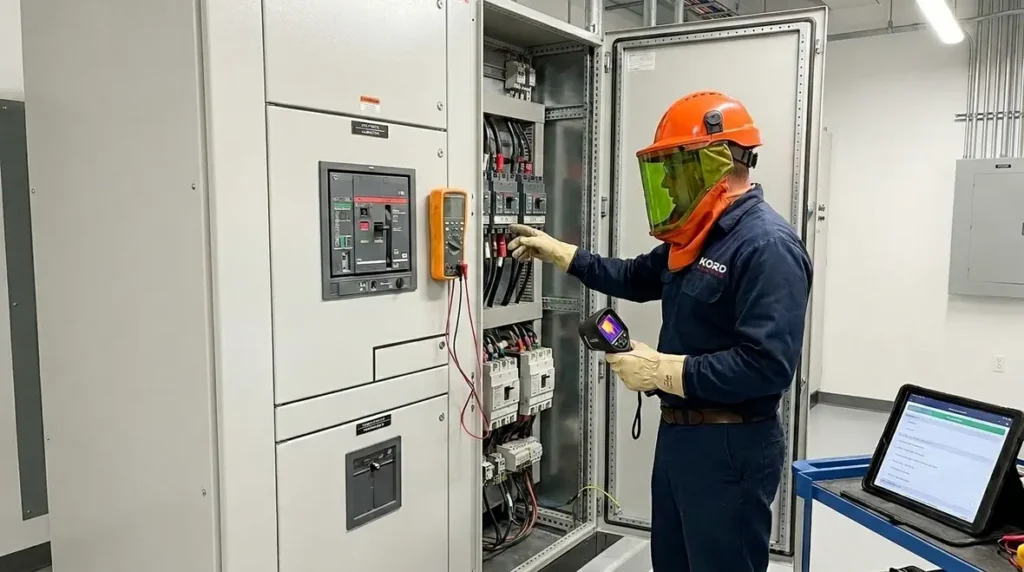
When we approach inspection time, we treat it like a finishing line with real consequences. We verify that installations match approved plans and that all required components are properly installed. Then we prepare for testing where applicable, including checks related to grounding, continuity, and proper operation of lighting and control systems.
After work passes inspection, our closeout focuses on accuracy. We help ensure records reflect what was installed, and we provide clear information for the building team. That way, our customers do not just get power. They get a system that stays understandable years later, when someone in the building asks, “Who did this, and why?”
How Tenant Improvements Connect With Broader Electrical Planning
Every tenant buildout touches a larger electrical story. Panels, feeders, and distribution often support multiple suites and common areas. That is why we treat tenant work as part of a broader electrical plan, not a one-off patch. In many Los Angeles properties, tenant improvements become the moment when owners also reevaluate service capacity, reliability, and long-term upgrade needs.
For example, a tenant’s new equipment may push an existing panel close to its limit. Rather than simply cramming in one more breaker, Kord Electric can evaluate panel capacity, load history, and future demand using a structured approach similar to our electrical service panel capacity evaluation methods. That way, the suite improvement also strengthens the building’s overall electrical health instead of creating hidden weak points.
In other cases, tenant work highlights aging infrastructure or repeated nuisance issues. When that happens, we help owners look beyond the single project and consider a roadmap that aligns tenant improvements with bigger infrastructure upgrades. Our team uses principles similar to those in our electrical infrastructure upgrade planning guide, so each project fits into a long-term strategy instead of becoming another isolated change.
Tenant Improvements, Maintenance, and Future Reliability
Once a tenant moves in, the electrical system does not freeze in time. Loads change, equipment cycles differently than expected, and minor issues can grow quietly behind closed panels. That is why we encourage property teams to connect tenant improvement work with a practical maintenance plan and clear documentation, instead of treating the final inspection as the end of the story.
During and after a tenant buildout, Kord Electric can help facility leaders build stronger records of what changed, which circuits feed what, and how new equipment was tested. This approach follows the same mindset we use in our electrical system documentation best practices, so future teams do not have to guess which upgrades were completed, which were deferred, or how panels are really loaded.
For multi-tenant properties and industrial facilities, pairing tenant improvements with a structured maintenance program can also prevent small problems from turning into downtime. Regular inspections, load checks, and targeted testing give owners early warning if a panel, feeder, or critical device starts to show stress. That maintenance mindset mirrors our broader guidance in tools such as our commercial electrical preventive maintenance resources, scaled to fit real-world budgets and schedules.
FAQ: Tenant Improvements and Electrical Requirements in Los Angeles
Choose Kord Electric for Commercial and Industrial Tenant Improvements
When you manage a commercial or industrial facility, you need electrical work that matches the building and the schedule. Kord Electric brings expert technicians and a service mindset that helps owners, contractors, and property teams plan correctly from day one. We validate designs, coordinate installation, and support inspection readiness with clean documentation.
If you are planning a tenant improvement and you want tenant improvement electrical requirements los angeles handled the right way, contact us now. We will review your scope and map a safe path to power, permits, and a smooth closeout. For multi-site portfolios or larger campuses, you can also align tenant buildouts with broader system upgrades by coordinating with our structured Los Angeles County commercial and industrial electrical services, so each project moves your entire property in the right direction.
Whether your next project is a single suite refresh or a series of phased tenant improvements across a major property, Kord Electric can help you tie everything together. Our commercial and industrial teams understand how tenant timelines, inspection windows, and long-term reliability interact, and we keep the process as calm and predictable as possible while we do the heavy lifting behind the scenes.
If you are ready to move from “we hope this passes inspection” to “we know this was planned correctly,” now is the time to connect with a team that does this work every day across Los Angeles County and beyond.