Commercial Electrical Load Balancing Guide: Extending Equipment Life
Commercial electrical load balancing: the quiet hero of long lasting equipment
In commercial electrical systems, Commercial electrical load balancing plays a role that most people never thank until something fails. We focus on keeping power demands even across phases, so motors, drives, and sensitive electronics do not get punished by an uneven load. When one leg runs hot and another stays cool, the system ages faster than it should. And yes, equipment “aging faster” is not a mystery like Bigfoot or the missing remote in your couch cushions. It is math, wiring, and daily operating patterns.
At Kord Electric, our team helps major property buildings and industrial sites avoid that slow burn of damage. We also explain the “why” in plain terms, because our technicians would rather be trusted than mysterious.
Why phase imbalance shortens equipment life
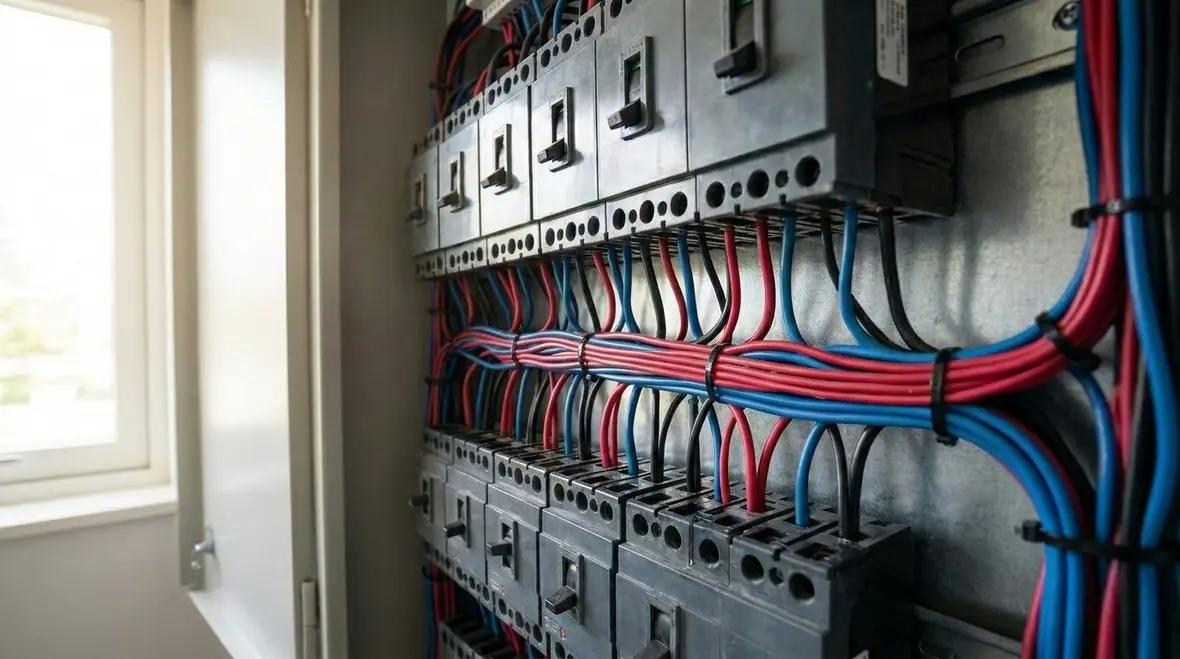
When loads do not share evenly, each phase carries a different current. As a result, heat rises where it should not. Then insulation stress increases, connection points loosen over time, and components drift out of their intended operating range. This is not just about comfort or neatness. It affects real wear and tear.
In particular, unbalanced current can increase losses in transformers, stress motor windings, and raise the temperature of bus bars and switchgear. Therefore, insulation life drops, and service intervals get shorter. In other words, the problem keeps showing up as “unexpected maintenance,” which is corporate language for “we did not plan for this.”
Additionally, sensitive loads in commercial buildings, like controls, pumps, and automation gear, can see voltage variations. Even small voltage swings may trigger nuisance alarms or reduce performance margins. Over time, the equipment does not just run. It struggles.
What we check first when planning load balancing

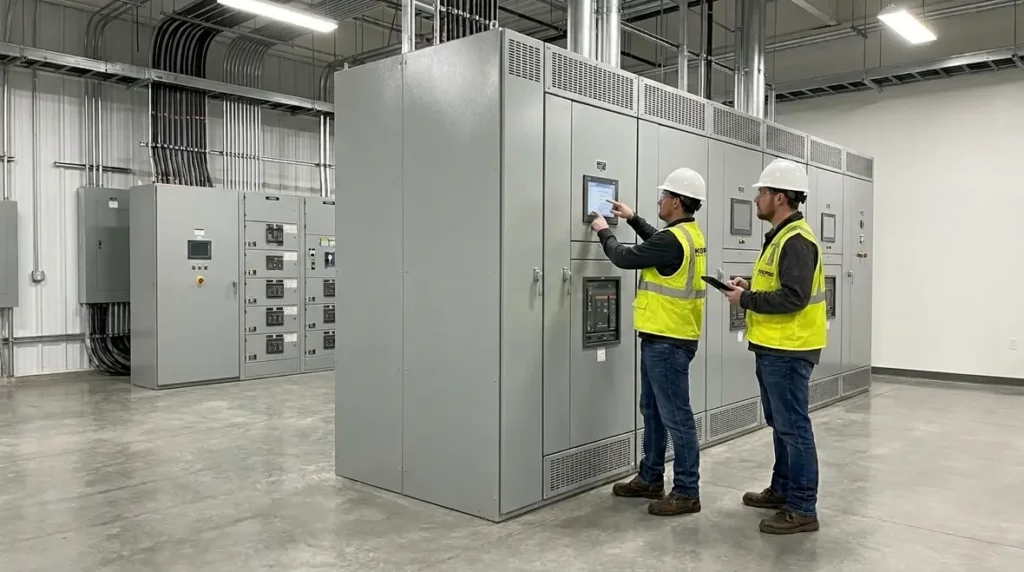
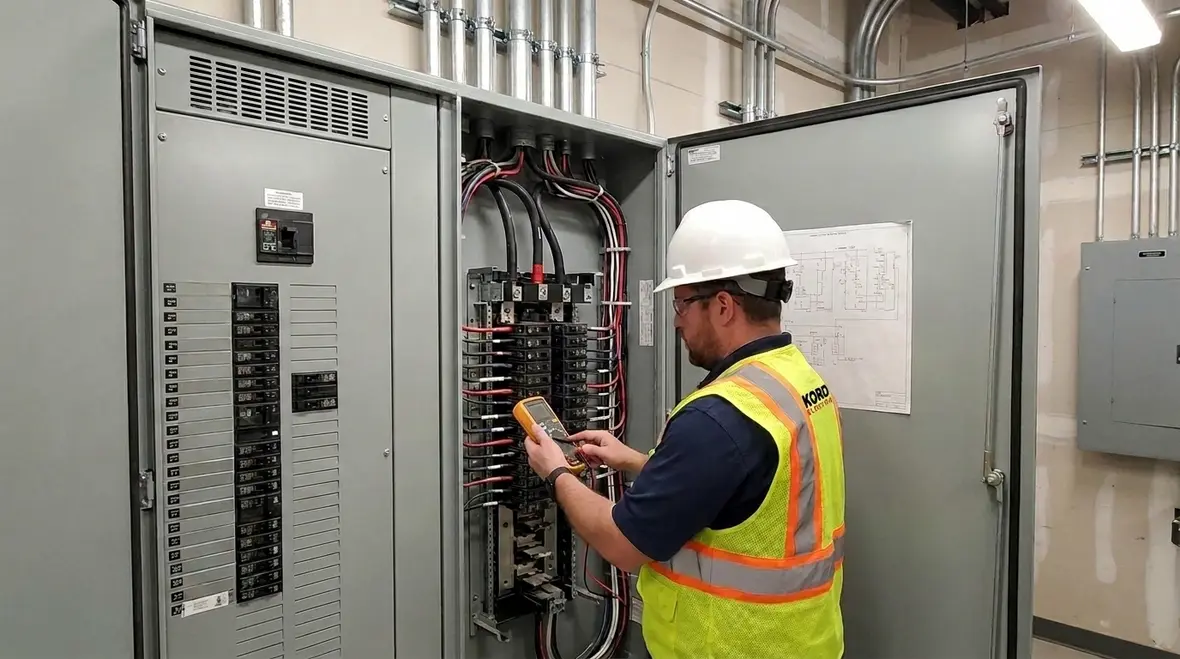
To start, our technicians do not guess. They measure. We evaluate electrical demand patterns, then compare phase currents under real operating conditions. Next, we inspect panel schedules and feeder routing to confirm how loads actually sit in the field, not just how they look on paper.
After that, we review the distribution path, including transformers, switchboards, and transfer switches. We also examine grounding and bonding practices because they influence system stability. Then we look at harmonic content and power quality issues, since nonlinear loads can distort current and make imbalance worse.
Finally, we confirm the load types. Motors, lighting systems, variable frequency drives, and IT or telecom circuits behave differently. Consequently, a balanced approach must respect the building’s actual work schedule, including shift changes and seasonal load swings.
For commercial and industrial clients, we keep this process structured. Our expert service staff explains each step as we go, so facility managers understand what we found and why it matters.
Balancing does more than lower heat
Many teams think load balancing only reduces temperature. That is part of it. However, Commercial electrical load balancing also improves electrical performance in ways that protect reliability and reduce cost over time.
For example, balanced phases can reduce neutral currents in systems where neutral carries sum currents. That helps lower stress on neutral conductors, which can become a hidden weak spot in older installations. Also, balanced loads can lower voltage drop along feeders. Lower voltage drop supports stable motor starting and consistent performance of control circuits.
In addition, a balanced system helps protect upstream equipment. Switchgear and transformers operate closer to their designed thermal limits, so they do not need to “fight” the load every day. Over time, the electrical infrastructure remains more predictable, which means fewer surprises during peak hours.
And yes, we have seen cases where the building manager jokes that the panel “must be moody.” But moody is not a spec. Proper load distribution is.
How data center power concepts translate to commercial buildings

Some of the most disciplined power design lives in data centers, and we borrow the mindset for major property buildings that face similar reliability demands. In our blog on data center electrical infrastructure essentials, we explain how power systems depend on planning, proper distribution, and disciplined maintenance so critical loads stay stable. Even when a facility is not a data center, the lesson holds.
Therefore, we approach load balancing as part of the wider electrical infrastructure strategy. We focus on correct feeder sizing, clear distribution paths, and careful monitoring. Then we align balancing actions with the facility’s risk level.
As a result, our team often finds that the “imbalanced problem” is not one single mistake. It is a chain reaction. Circuit additions over the years, tenant changes, and equipment swaps shift loads without a full electrical review. Consequently, the system drifts away from balance long after the first installation.
We address that drift with a practical plan that works for commercial and industrial facilities. Our technicians coordinate with operations schedules, label circuits clearly, and document changes so the next service visit does not start from scratch like a sitcom rerun.
Field methods: redistribution, panel rework, and monitoring
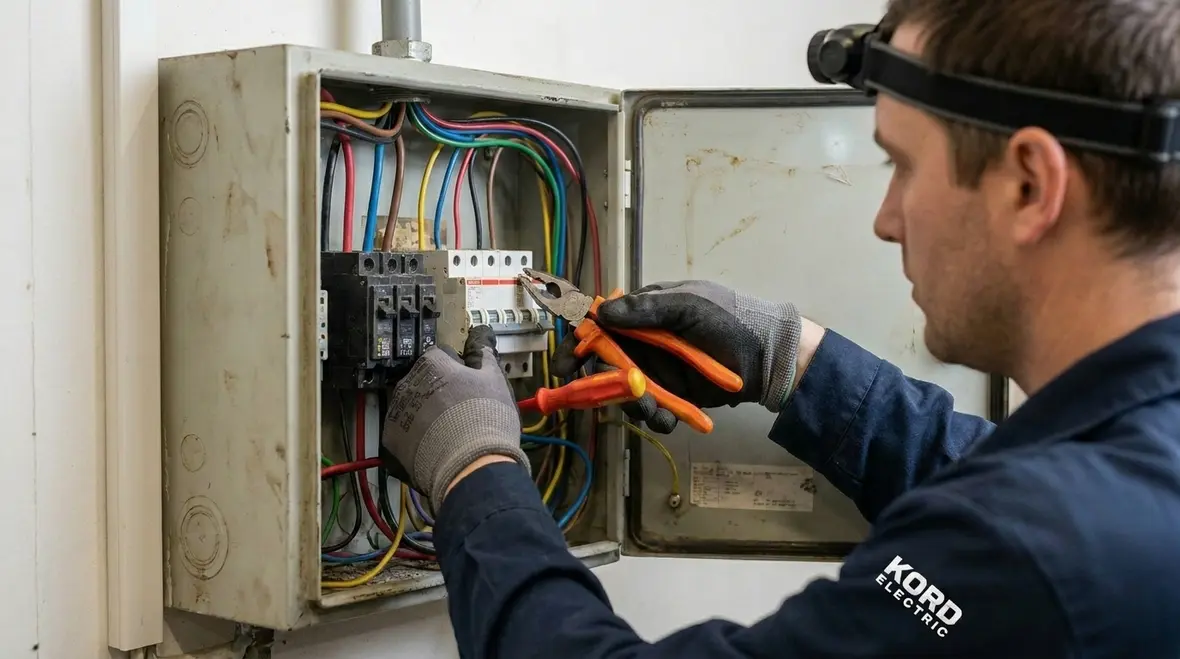
When we implement Commercial electrical load balancing, we use methods that fit the building reality. Sometimes the solution is straightforward redistribution of circuits. Other times, we need panel rework, feeder adjustments, or upgrades to support current capacity and reliability goals.
First, we redistribute loads across phases using available breaker spaces and correct conductor routing. We confirm that the transfer rules, interlocks, and safety requirements remain intact. Next, we update panel schedules and labeling so future changes do not undo the balance we achieved.
Then, we test again. We do not leave after a quick visual check. We measure phase currents, verify that neutral loading stays within limits where applicable, and check voltage behavior under normal and peak conditions.
Afterward, we recommend monitoring where it makes sense. Continuous or periodic data collection can reveal new imbalance as operations change. This helps clients avoid “set it and forget it” thinking, which always fails eventually. Reliability does not run on hope. It runs on inspection and adjustment.
Our expert service staff also trains facility teams on what to watch for, and we explain the signs of imbalance in simple terms. That way, others can spot drift early instead of waiting for equipment to complain.
Common causes we see in commercial and industrial sites
We frequently encounter a few recurring causes. Understanding them helps prevent repeat problems after maintenance or renovations.
Tenant and process changes: New equipment gets added, and the load distribution plan gets ignored in the rush. Then the building quietly slips out of balance.
Legacy wiring assumptions: Old designs may have been adequate for the original demand profile. However, today’s equipment mix changes the current shape and distribution.
Single phase “convenience”: People sometimes place too many loads on one phase because it is easy during commissioning. It feels harmless until the annual utility report arrives.
Loose planning for motors and drives: Motor circuits and variable frequency drives can add demand patterns that shift across operating modes. Without review, the system does not balance itself.
Therefore, we treat load balancing as an ongoing discipline, not a one time fix. With major property buildings, that means coordinating upgrades with facility schedules and major work windows.
FAQ
Next steps with Kord Electric
If your commercial or industrial facility carries uneven loads, the damage does not announce itself with smoke. It shows up later as shortened equipment life, higher maintenance, and outages that feel avoidable. We at Kord Electric help you assess real phase loading, correct imbalance safely, and document changes so reliability improves and stays improved. Contact us to schedule a site evaluation with our technicians and expert service staff. Then we move from guesswork to measured control, like turning down the volume on electrical stress.
For facilities building a larger reliability strategy, Commercial electrical load balancing pairs naturally with structured electrical preventive maintenance services. Together, they help major properties keep critical systems stable, compliant, and ready for whatever the next operating cycle brings.
If you are planning broader upgrades, such as lighting retrofits or panel work, we can align Commercial electrical load balancing with those projects so downtime is minimized and every hour of work supports a stronger, more resilient electrical infrastructure.