

Commercial Electrical Load Balancing Services
At Kord Electric, we focus on commercial electrical load balancing for growing commercial facilities, major property buildings, and industrial sites because uneven power draw does more than “make the bills interesting.” It can quietly stress equipment, trip protections, and create hotspots that shorten the life of critical electrical gear. Moreover, when demand rises, the facility needs a plan that keeps loads steady across phases and panels, not just a guess and a prayer. Our expert service staff and technicians handle the details with careful field checks, clear explanations, and practical upgrades that match how buildings actually use power. And yes, we know the grid never sleeps, so we treat your electrical system like a partner, not a problem.
What load balancing does for commercial electrical systems
In a commercial or industrial building, loads rarely behave like polite guests. One tenant starts running heavy equipment, another adds new refrigeration, and the HVAC cycles through peak demand. As a result, phase currents can drift, even when the electrical design looks balanced on paper. Commercial electrical load balancing corrects this by redistributing loads so each phase carries a fair share. When we balance the system, we help reduce thermal stress in transformers, switchgear, panels, and feeders.
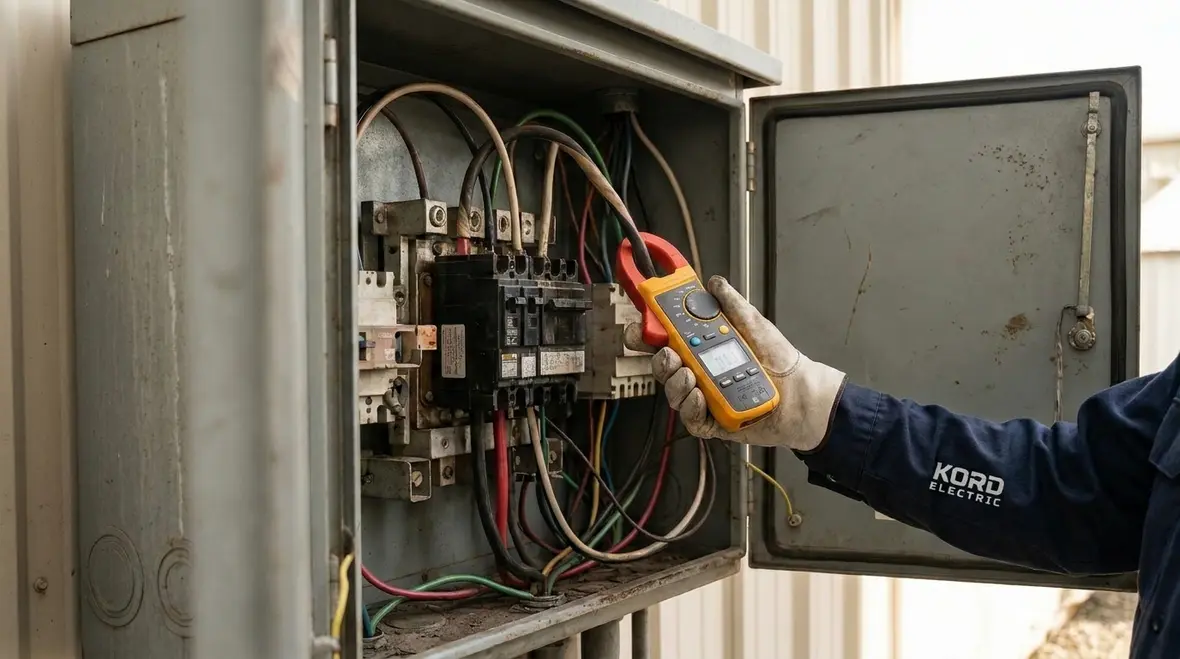
Further, we monitor patterns rather than just chasing symptoms. A good approach looks at where power goes during real operations, including normal schedules and special events. Then we align equipment assignments, check breaker loading, and confirm that neutral currents and voltage drops remain within safe ranges. This matters because unbalanced conditions can cause overheating, nuisance trips, and higher losses that show up as real maintenance costs later. In other words, the “small” imbalance becomes a big deal when your facility keeps growing.

Why growing facilities need it now, not later
When commercial facilities expand, they rarely expand in a clean, predictable way. Equipment gets added in phases. Contractors coordinate on timelines, but not always on electrical load planning. Therefore, the building’s load distribution can change faster than the original electrical study imagined. That means your electrical system can start acting like a tired drummer trying to keep tempo as the band adds more instruments.
So, we stay proactive. Our technicians assess how the building changes over time and how that affects distribution. We also verify whether the panel schedule, feeder sizing, and phase assignment still make sense. If the facility added loads without updating the load profile, unbalance can build quietly. Then, during peak hours, the system shows stress through voltage imbalance, increased current on specific phases, and early wear on devices.
Additionally, growth often brings more sensitive loads like data, controls, and advanced manufacturing electronics. Those systems do not tolerate sloppy power behavior. Even if your breakers never fully trip, the damage from frequent thermal cycling and long-term imbalance still accumulates. We work to keep your electrical system steady as your facility scales.
How unbalanced loads damage equipment and increase downtime
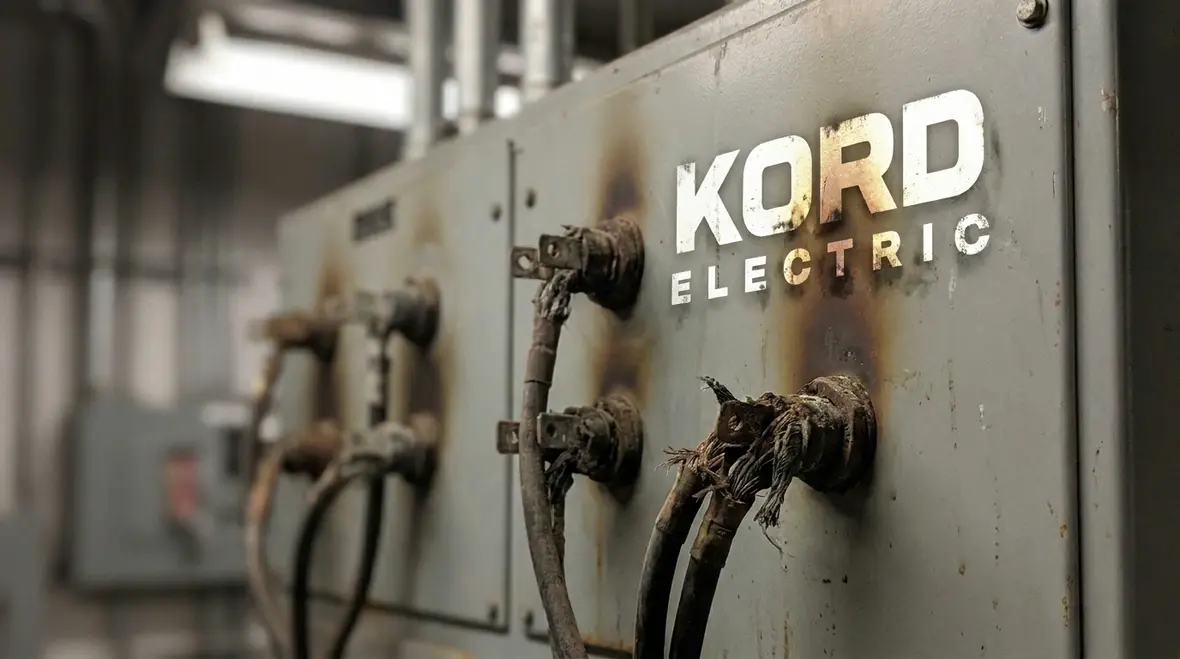
Let’s keep it real: equipment does not care if you meant well. It cares about heat, current, and time. When one phase carries more than the others, that phase runs hotter. Over time, heat degrades insulation and worsens connections at terminals, busbars, and lugs. As connections loosen or oxidize, resistance rises, and the problem feeds itself. Eventually, maintenance teams replace parts that could have lasted longer.
Moreover, unbalance can create nuisance operations. Sensitive protective devices may trip more often, and that increases downtime during business hours. In a commercial or industrial setting, a few minutes of power disruption can cost far more than the electrical work itself. In short, imbalance is not just a technical problem. It is a business continuity problem.
We also account for neutral loading issues. Some commercial systems rely on neutrals for return paths, and when single phase loads pile up, neutrals can carry more current than expected. That leads to overheating in neutral conductors and connected components. Our team checks for these risk patterns during service calls and planned assessments.
And yes, if you are thinking “We’ll deal with it after the next expansion,” that is like saying “We’ll repaint the roof after it starts raining inside.” Sometimes it works. Mostly it does not.
What we do during a load balancing assessment
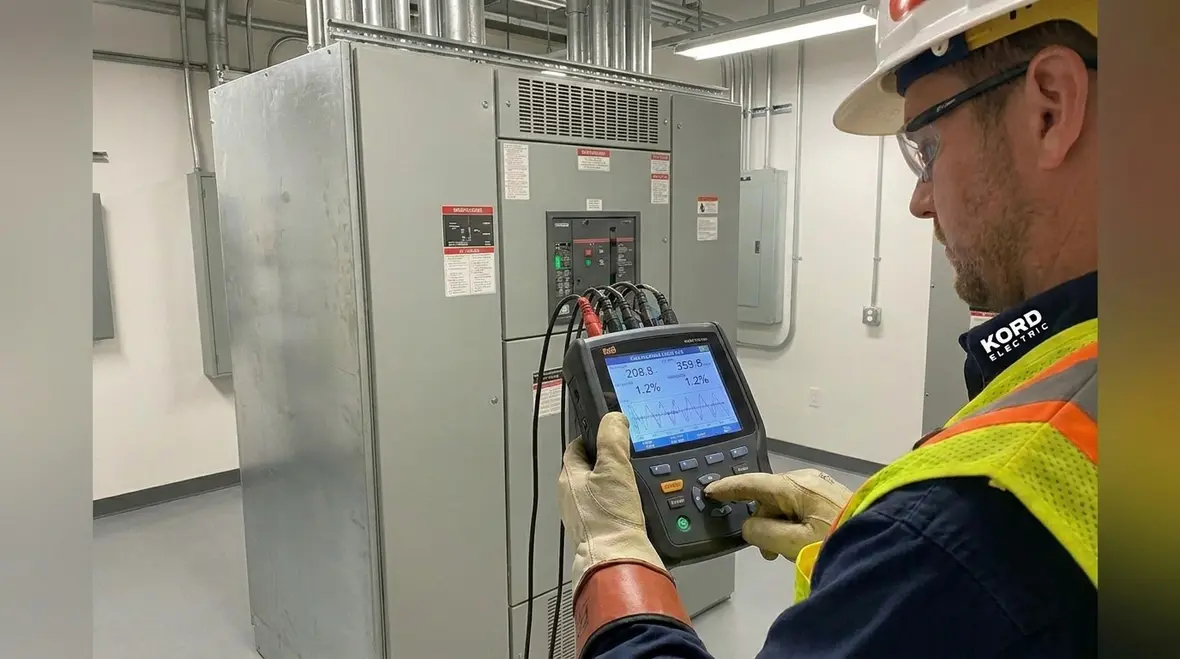
Our process starts with understanding your site, not just your panels. First, our technicians review one line diagrams and panel labeling, then confirm actual loads during operation. We identify where currents sit across phases and whether the system shows signs of imbalance under realistic conditions. Then we verify device ratings, breaker sizes, conductor capacity, and how feeders distribute power across the building.
Next, we collect practical data. We look for voltage imbalance and harmonics that can amplify heating, especially with variable speed drives, LED lighting, and modern process equipment. Then we map where single phase loads sit today and compare that to what they should be doing. After that, we propose a plan to shift loads, adjust breaker assignments, or rebalance groups where it makes sense.
Importantly, we do not “move breakers around” like it is a game of musical chairs. We ensure steps follow electrical codes, safety procedures, and manufacturer requirements. We also coordinate with facility schedules to limit downtime. Finally, we test and document the outcome so the improvement lasts beyond the first week of hope.
Modern controls, harmonics, and smarter distribution
Commercial buildings today run on more complex power patterns than older systems. Variable frequency drives, high efficiency motors, advanced HVAC controls, and power supplies for IT and automation equipment can introduce harmonics. When harmonics mix with an already unbalanced phase distribution, the heating stress can increase in ways that surprise people who assumed “amps are amps.”
Therefore, our approach includes a deeper look at how loads behave. We consider not only the size of loads, but also their power quality profile. We evaluate how distribution and grounding affect current return paths. Then we recommend updates that support both load balance and stable operation, such as targeted panel reconfiguration, distribution adjustments, and power quality improvements when needed.
Also, major property buildings often contain diverse tenants with different schedules. As a result, the best solution aligns with your facility’s operating rhythm. We may plan balancing changes around high demand windows, then confirm results with post work verification. This helps your building remain dependable through daily cycles, not just during a test visit.
Key benefits you can expect in commercial and industrial sites
When we help you improve load distribution, you get benefits that show up in performance and maintenance. First, equipment runs cooler and works under healthier conditions. Second, protective devices experience fewer nuisance trips. Third, you can reduce losses in feeders, transformers, and connections, which helps keep operating costs more predictable.
Additionally, stable power improves reliability for sensitive systems, including building controls, communications equipment, and industrial automation. That reliability matters when a site must meet production schedules, customer service expectations, or compliance requirements.
Finally, better balancing creates a clearer path for future growth. Instead of reacting every time new equipment arrives, your facility gains a more organized electrical foundation. Then future expansions become easier to plan and less stressful to execute. In a world where everyone wants “later,” we prefer “ready now.”
Featured FAQ
Need load balancing for your commercial or industrial facility
If your facility is growing, we help you stay reliable with a practical load balancing plan built for commercial and industrial environments. Our technicians and expert service staff assess your system, explain what they find in plain language, and then rebalance loads with safe, code compliant methods. Don’t wait for heat, nuisance trips, or early equipment wear to force the conversation. Contact Kord Electric today to schedule a commercial electrical assessment and keep your power steady as your site expands.
For more context on commercial electrical system planning, we also share insights on modern building electrical needs in our blog post on commercial electrical systems for modern buildings.
To keep your newly balanced system performing at its best, consider pairing this service with ongoing electrical preventive maintenance. A structured maintenance program helps catch emerging load issues early, supports compliance, and extends the life of your commercial electrical infrastructure.


