
Commercial Electrical Load Calculation Requirements
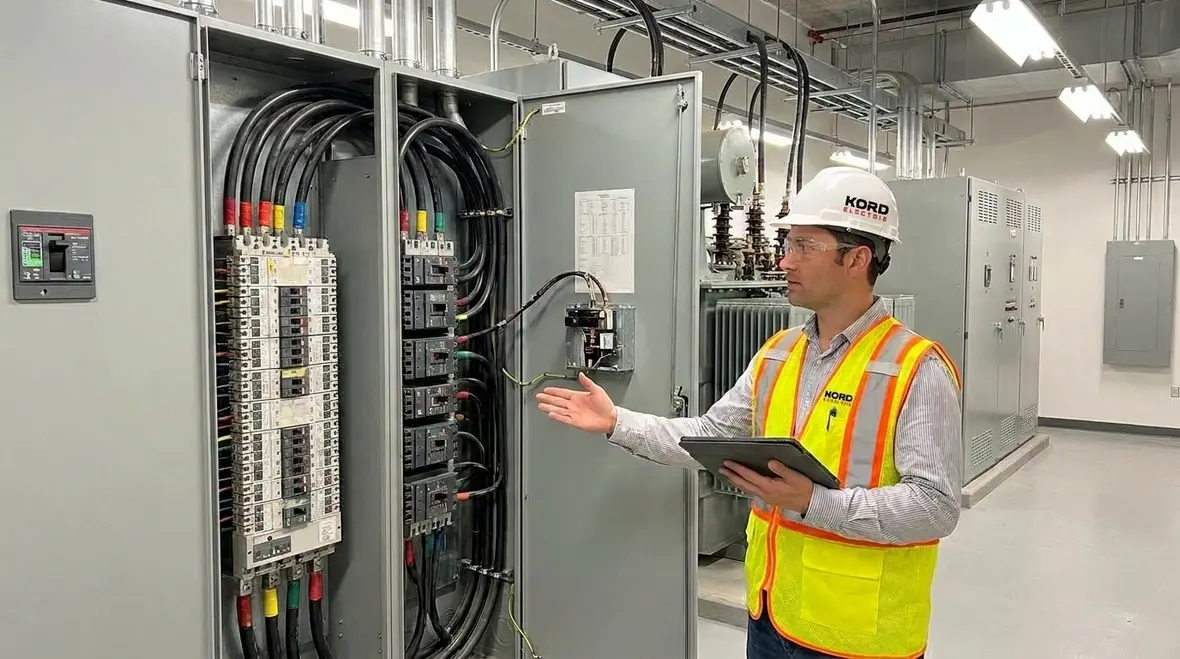
When a commercial site needs reliable power, we do not guess. We follow electrical load calculation requirements for commercial buildings so the building gets the right service size, the right panel ratings, and the right protection. Early mistakes usually show up later as nuisance trips, voltage drop, or equipment that runs like it is “thinking” instead of working. That is why Kord Electric builds load studies around real usage data, not vibes.
And yes, our approach stays calm, even when spreadsheets do not. Our technicians and expert service staff explain each step in plain language, so owners and facility managers understand what was sized, why it was sized, and how it will perform under load.
What Kord Electric expects in a commercial load study
In commercial and industrial facilities, load calculation work starts with the building story, not a random formula. We first identify the electrical one line information, then we map what the building actually uses. After that, we apply connected load, demand factors, diversity, and feasibility checks so the results match how the site operates.
Because loads in major property buildings do not behave like a home kitchen, we treat them like the systems they are. HVAC cycles, process loads ramp, lighting controls vary, and motors do not start politely. Therefore, our process focuses on realistic operating modes, peak periods, and connected equipment lists.
To keep everyone aligned, our expert service staff explains the input data during the walk through. For example, if a tenant fit out changed equipment, we verify it. If the facility plans new shifts, we model it. If the owner wants room for future expansions, we document the assumptions.
Key data we collect for accurate sizing
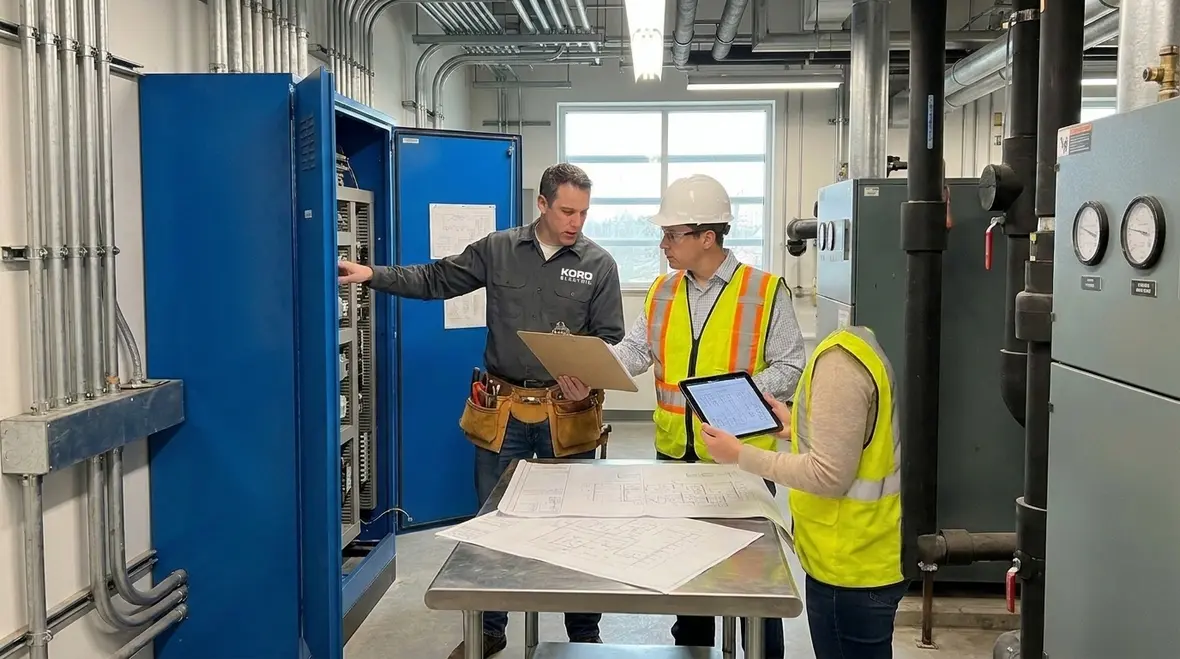
Load calculations become strong only when the inputs are strong. For commercial electrical load calculations, Kord Electric collects details that most people skip because they assume someone else handled it. In our world, nobody “assumes” and hopes the utility forgives them.
Typically we gather this information:
- Equipment schedules for lighting, receptacles, HVAC, and specialty loads
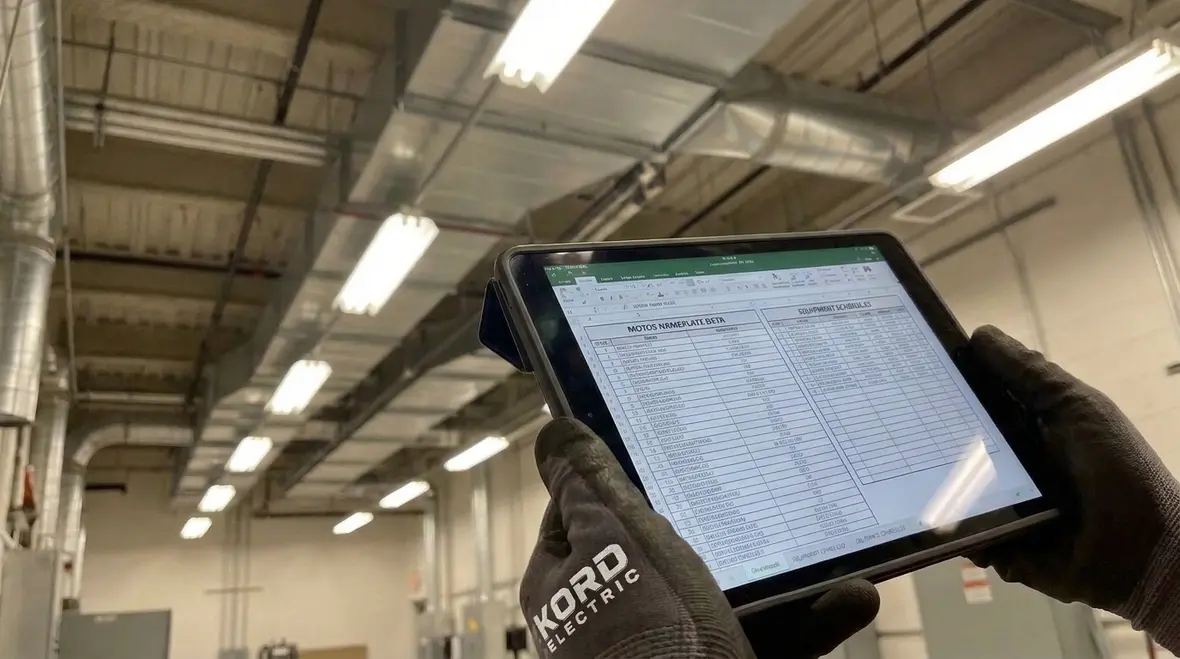
- Motor nameplate data, including horsepower, voltage, and service factor where applicable
- Branch circuit arrangement and panel schedules from existing documentation
- Operating hours, occupancy patterns, and typical demand windows
- Standby or emergency loads if the project includes life safety or backup systems
- Utilities and service constraints, including available transformer capacity
Then we cross check the list against actual site conditions. This step matters because equipment gets replaced, added, or moved. And that is how “theory perfect” drawings end up like a sitcom plot twist, except the punchline costs money.
How demand factors and diversity change the final numbers
Once Kord Electric has the equipment inventory, we apply commercial electrical load calculation requirements logic that reflects real demand. Connected load alone often overshoots reality. Demand factors and diversity help represent the probability that not every circuit runs at once.
However, we do not apply generic factors and move on. We tailor the assumptions to the building type, the schedule, and the control strategy. For example, lighting may be constant in some areas and switching controlled in others. Similarly, HVAC may run in zones based on occupancy sensors, economizer logic, or night setbacks.
For motor loads, we treat starting conditions carefully. Motors create inrush currents, and that impacts conductor sizing, voltage drop, and protective device behavior. Therefore, the load study considers both steady state operation and the impact of starting where the project needs it.
At this point, our technicians slow down and explain the “why.” They translate the math into decision points: what is likely at peak, what is scheduled, what is controlled, and what needs additional margin to stay stable.

Lighting, HVAC, and process loads: what usually drives peak demand
In most commercial and industrial facilities, lighting and HVAC carry weight, and process loads can swing the peak higher. Yet the peak is rarely just one thing. It is a combination that lands on the same timeline.
Lighting loads
Lighting demand can vary with dimming controls, occupancy sensors, and zoning. We calculate connected wattage, then we apply demand factors that fit the system design. If the building uses lighting controls, we consider how those controls behave during peak occupancy hours.
HVAC loads
HVAC often dominates when a facility operates during high occupancy and peak weather conditions. We evaluate equipment types like air handlers, chillers, make up air units, and rooftop systems. Then we review motor loads, fan horsepower, and possible simultaneous start behavior during transition from set back to normal operation.
Process and specialty loads
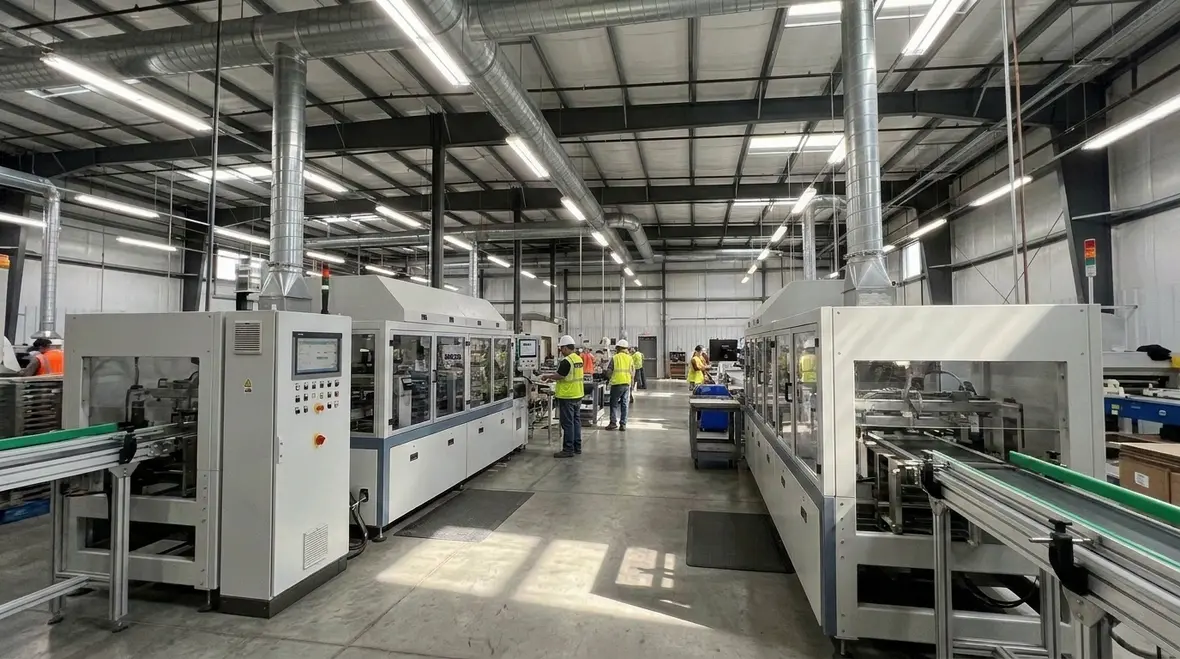
Industrial and major property buildings may include elevators, pumps, refrigeration systems, charging stations, or specialty equipment. Kord Electric tracks these loads with the same care as the “main” systems. We also confirm whether any equipment is fed through variable frequency drives or soft starters, because those details can change the effective electrical impact.
In short, we build the load model so it reflects the building schedule. And that is how the final sizing stops being a guess and starts being a plan. For facility teams that also want to dig deeper into how distribution choices affect uptime, our related Kord Electric blog on industrial electrical panel capacity assessment offers another practical look at how real-world loads and panel ratings interact across complex sites.
Service size, panel ratings, and voltage drop checks
After Kord Electric calculates the demand, we use the results to size the electrical service and downstream gear. Yet good load numbers do not guarantee good performance if voltage drop and protection coordination get ignored. So, we include performance checks that protect the building, not just the paperwork.
We evaluate how current moves through conductors under peak conditions. Then we check voltage drop so equipment receives acceptable voltage, especially for motors and controls. We also review conductor ampacity and insulation ratings based on installation conditions.
Next, we verify protective device ratings and coordination. Circuit breakers, fuses, and protective relays must match the expected load and fault conditions. If a protective device trips at the wrong moment, the building behaves like it is haunted, and maintenance staff becomes the ghost hunters. We prefer to prevent that before it starts.
For emergency and standby systems, we follow the required approach for life safety and backup operation so the emergency load works when it must. If you are planning a more robust backup strategy alongside your load study, our emergency power for business continuity design guide on the Kord Electric blog pairs well with this topic and helps connect service sizing with real outage performance.
What happens when the building changes mid project
Commercial and industrial facilities rarely stay still. A tenant adds equipment, a process upgrades, a schedule shifts, and sometimes a “quick change” quietly becomes a major electrical impact. Kord Electric plans for that reality by treating the load study as a living document, not a one time stamp.
Our technicians and expert service staff communicate with project teams as changes appear. Therefore, they update the load model, revise the equipment list, and recheck service capacity where needed. If the revision affects the electrical one line, we update the assumptions so the design team avoids surprises.
If a change increases peak demand, we highlight where it impacts conductor sizing, panel capacity, transformer loading, or voltage drop. If the project reduces load, we confirm that it still meets code related intent and operating needs. Either way, the owner gets clarity, not confusion.
We also help major property buildings handle multi tenant coordination, because one tenant’s “harmless” addition can become another tenant’s problem when peak lines up. That is also where our broader Los Angeles County electrical services come in, supporting portfolio-wide upgrades, service changes, and ongoing maintenance as your sites evolve over time.
If you are interested in how these adjustments tie into broader planning and safety, our electrical troubleshooting for facilities guide is another useful read, especially when you want load studies, field investigations, and corrective work to move in lockstep instead of as separate, confusing projects.
FAQ
Conclusion and next steps with Kord Electric
Commercial and industrial buildings deserve electrical sizing that holds up under real demand. Kord Electric builds electrical load studies using verified equipment data, practical demand assumptions, and performance checks for voltage drop and protection. Our technicians and expert service staff then explain the results clearly, so you can plan confidently instead of hoping the power behaves.
If you are planning a new build, a major property upgrade, or an electrical service change, contact Kord Electric today for a load calculation approach built for your site. And if you want to pair those load studies with a deeper understanding of how feeder sizing and panel capacity interact, their dedicated electrical load calculation guide for commercial projects is a helpful companion resource that extends this conversation from concepts into field-tested examples.
As your facilities roadmap evolves, you can also explore how our broader service offerings support distribution health across your entire portfolio. From preventive maintenance and emergency power planning to smart building energy management, Kord Electric’s team aligns each upgrade with the same disciplined, data-driven mindset we bring to every commercial electrical load calculation.
When you are ready to move from “we think the service is big enough” to “we know exactly what our system can handle,” it is time to turn those spreadsheets and one-line diagrams into a load study that matches reality. That is where Kord Electric’s commercial electrical load calculation requirements process gives you a clear map instead of a guess.


