
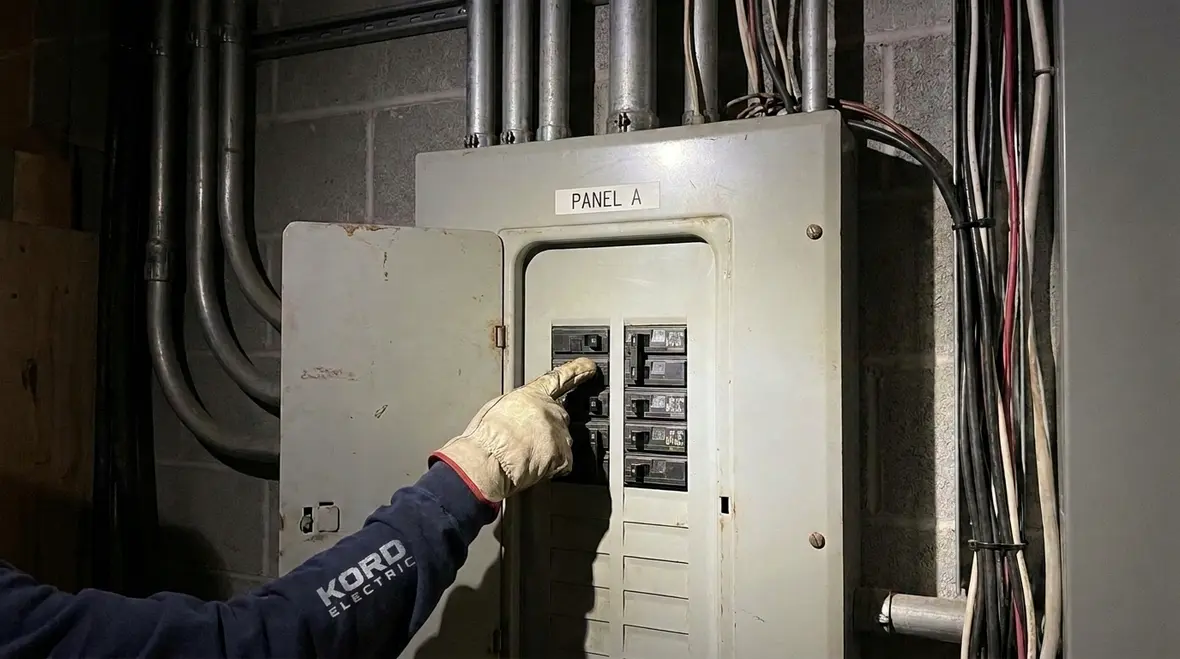
Electrical Capacity Problems in Commercial Buildings
Electrical capacity issues in commercial buildings: the signs that show up before the lights do
Commercial and industrial tenants rarely announce electrical capacity problems commercial buildings the way a dramatic movie villain announces a plan. Instead, the issues arrive quietly, then suddenly everyone notices. When a facility starts tripping breakers, dimming lights, or experiencing overheating panels, those are not “mystery gremlins.” They are signals that the building’s electrical system can no longer meet real-world demand. And when the load keeps growing, electrical capacity problems commercial buildings tend to worsen fast, especially in major property buildings where multiple tenants and upgrades pile on at once.
In this article, we will walk through what Kord Electric sees in the field, how our technicians explain the causes in plain language, and how we help owners protect operations before the next equipment downtime turns into a very expensive surprise. Yes, it is less fun than binge watching a show, but it is more profitable.
Where the problem starts: load growth, not bad luck
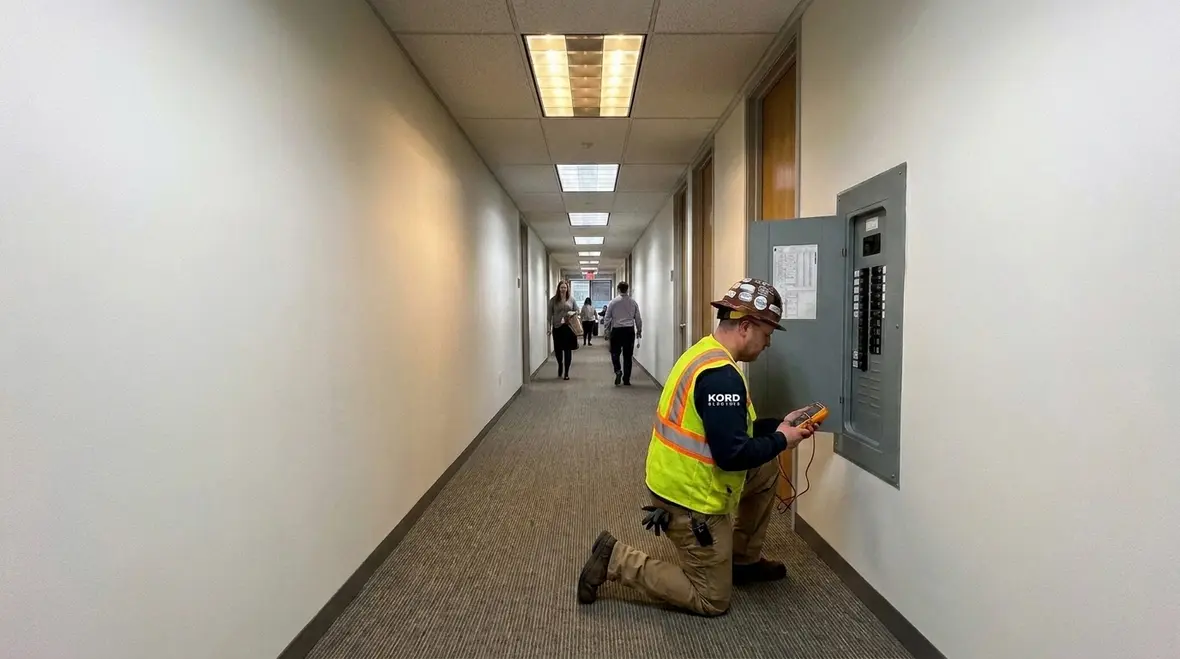
Most electrical capacity problems commercial buildings begin with a simple reality: power demand grows faster than planned. For example, a tenant adds a production line, a kitchen upgrades, HVAC runs harder in summer, or a property adds EV charging and new signage. At first, the system survives because it has “extra room.” Over time, that room gets filled.
Meanwhile, the facility’s electrical architecture often stays the same. That includes switchgear, transformers, feeders, and panelboards. So even if one component looks fine today, the overall system can still become strained. Therefore, Kord Electric focuses on total load behavior, not just isolated complaints.
Our expert service staff routinely explains this during site visits: power is a group sport. When one team member shows up late, the whole game gets messy.
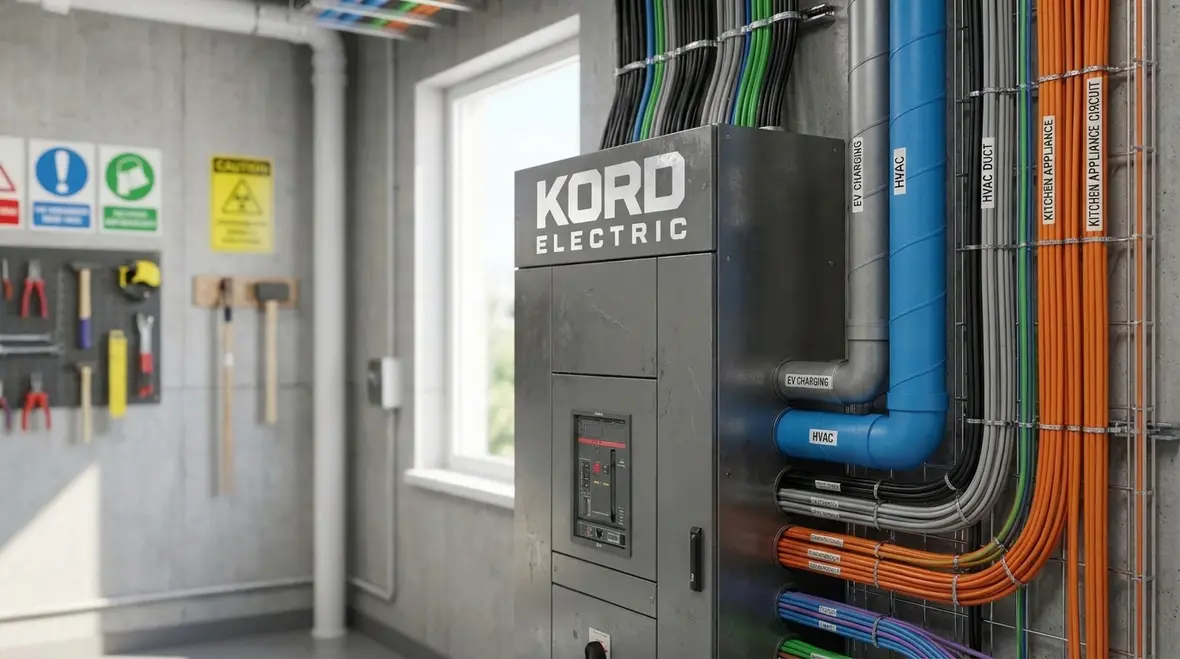
Common warning signs in commercial spaces and industrial sites
Building occupants may describe symptoms in different ways. However, the underlying story usually points to capacity limits, aging components, or poor load balance. Kord Electric sees the following warning signs often in commercial and industrial facilities, and in major property buildings with high equipment diversity.
- Frequent breaker trips or nuisance alarms, especially during peak hours
- Lights dim or flicker when equipment starts, such as motors, refrigeration, or HVAC
- Buzzing sounds from panels, transformers, or switchgear, sometimes linked to specific loads
- Warm or hot electrical cabinets, uneven heat, or odors that hint at insulation stress
- Voltage drops that show up as sluggish equipment performance
- Overheating at connections, often worse at terminals, breakers, or splices
- Data and control equipment resets when production cycles change
- Inconsistent performance, like motors that run slower than expected during busy periods
Furthermore, some facilities notice “ghost” faults. When operators reset something, it runs again for a while, then returns. That cycle often means the system operates close to its limit, and a small change pushes it past what the electrical system can safely handle.
And no, flipping switches harder does not count as electrical engineering. It just makes everyone louder.
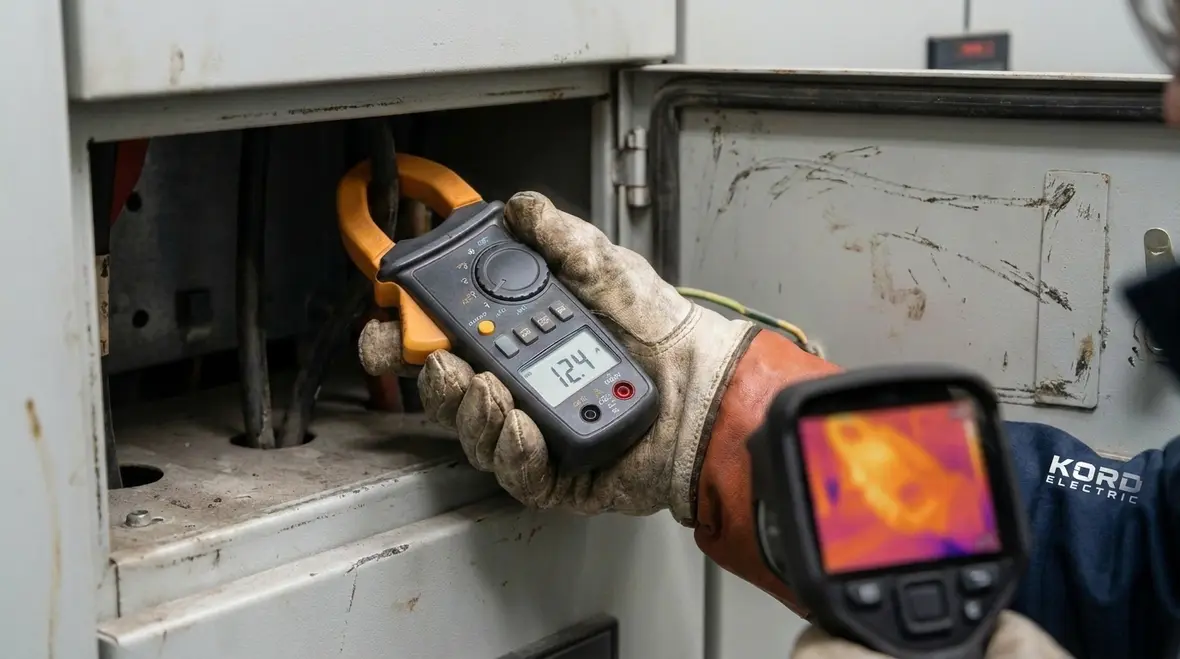
Why panelboards and transformers reach their limit
To understand the “why,” we first talk about what each major component really does. Transformers step voltage down and provide the distribution backbone. Panelboards and switchgear distribute power to branches. Feeders carry current across distance and loads.
When capacity shrinks, it is usually because one or more of these conditions occurs:
- Demand rises beyond design, often from new tenant improvements or expanded production
- Load types change, such as adding high starting current motors or variable speed drives
- Systems age, since older components lose thermal margin over time
- Load is unbalanced across phases, creating hot spots and nuisance trips
- Connections weaken, because heat cycles loosen hardware over years
Our technicians emphasize a calm, measurable approach. They do not rely on guesswork, and they do not tell building teams to “just upgrade someday.” Instead, they explain how the electrical system behaves under real operating conditions. Then, they recommend upgrades with priorities that match safety and business continuity.
In plain terms, capacity problems show up when the system has to work harder to deliver the same power. Eventually, the weakest link speaks up. Sometimes it speaks in smoke. That is always the wrong time.
How we evaluate capacity with practical electrical load calculation
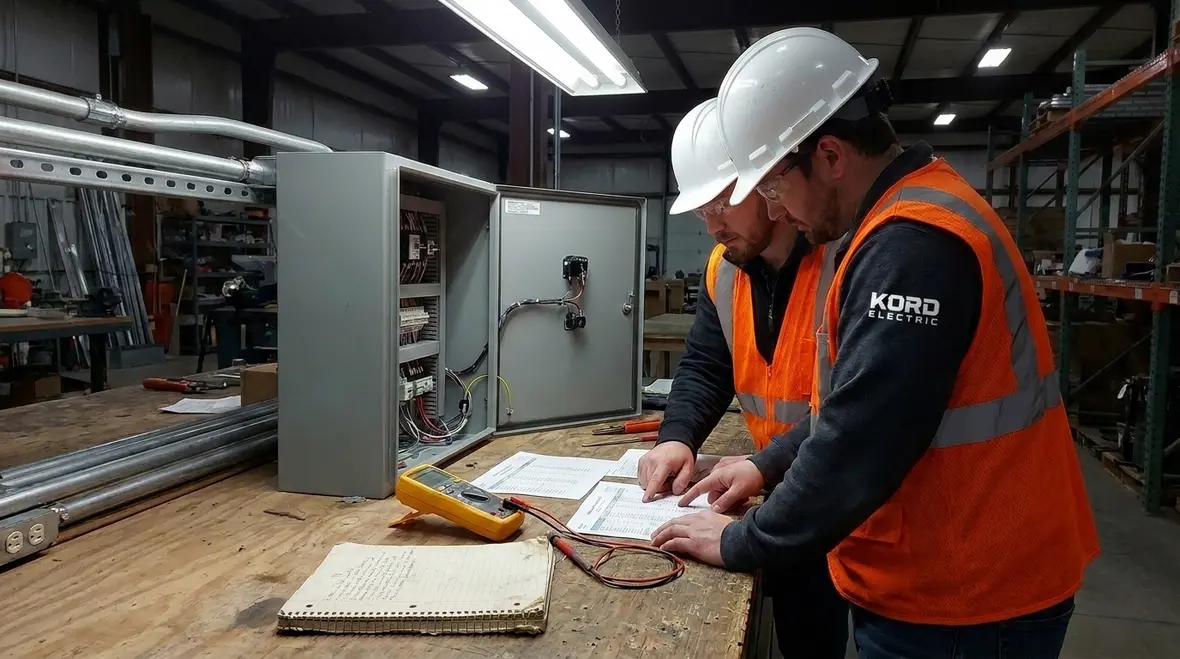
Kord Electric uses a structured method to evaluate electrical capacity. We reference our electrical load calculation guide to keep the process consistent, and to make sure our recommendations match what the building actually uses, not what it hoped it would use. You can review the guide here: Electrical Load Calculation Guide.
In practice, our team collects information from plans and field measurements, then we translate equipment needs into a realistic load profile. First, we identify the connected equipment and its operating patterns. Next, we apply demand assumptions and diversity where appropriate. Then, we evaluate amperage, voltage, phase balance, and performance under peak conditions.
At the same time, we do not ignore the distribution side. So we examine feeder sizing, panel ratings, breaker coordination, and the thermal limits of cabinets. As a result, we can spot whether a capacity problem is happening at the service level, the transformer level, the main distribution, or within a specific branch circuit.
Our expert service staff also explains the outcome clearly. They walk clients through what the numbers mean for everyday operations. In other words, we make the math understandable, not intimidating. Some people like spreadsheets. Others like peace of mind. We serve both.
Dual-column example we use during walkthroughs
What we check
- Installed loads and nameplate data
- Operating schedules and peak windows
- Motor and HVAC starting behavior
- Phase balance and connection health
- Distribution paths from service to branches
What we confirm
- Available capacity versus expected demand
- Breaker and conductor adequacy
- Thermal risk in panels and connections
- Whether an upgrade is needed now or later
- How to reduce risk without disrupting operations
What to do next: upgrades, planning, and avoiding downtime
Once Kord Electric confirms a capacity constraint, we help the client move from “we think something is wrong” to “we know what to fix.” That means planning the scope around the building’s actual risk and operational needs.
Depending on what the load calculation and field observations show, the next steps often include:
- Service and transformer upgrades when the limiting factor sits upstream
- Switchgear or panel capacity additions to reduce stress on existing distribution
- Feeder rewiring or rerouting when conductors run too close to their limits
- Load balancing and panel reconfiguration to reduce hot spots and nuisance trips
- Motor and HVAC power tuning to improve starting performance and reduce voltage drop
- Thermal and connection remediation for overheated parts and weakened terminations
Importantly, we coordinate solutions for commercial and industrial sites where downtime costs money. Therefore, our technicians plan sequencing, identify critical areas, and align with maintenance windows. Then we communicate clearly, so decision makers know what changes and when.
To keep it light, we sometimes tell clients: “We can’t control the weather, but we can control the electrical stress.” When storms hit and equipment starts up, a well planned electrical system does not panic. It performs.
For facilities that want to go deeper into troubleshooting specific symptoms before or after upgrades, you can also explore our electrical troubleshooting guide for facilities, which pairs well with capacity planning when you are tracking down recurring issues.
Cost, safety, and compliance: the real stakes behind capacity problems
Capacity issues cost more than they first appear. When breakers trip, production slows. When voltage drops, equipment runs inefficiently. When connections overheat, failure risk rises and repair costs multiply. In commercial and industrial facilities, these delays often ripple into schedules, deliveries, and tenant satisfaction.
Safety also sits at the center. Electrical capacity constraints can lead to thermal damage, arcing risk, and premature component failure. Consequently, addressing the problem early helps owners avoid emergencies that require rushing electricians, renting equipment, and making last minute decisions under pressure.
Kord Electric treats compliance as a baseline, not a checkbox. We guide facility managers through what is needed, why it matters, and how the changes impact the electrical system’s ability to run safely. Our expert service staff also explains recommendations in business terms, not technical jargon.
Because in the end, owners do not manage kilowatts and amps. They manage uptime.
If you are managing multiple properties or a large facility portfolio, it can also help to understand how broader Los Angeles County electrical services support long term reliability, panel health, and preventive maintenance beyond a single project.
FAQ about electrical capacity problems in commercial and industrial buildings
Call Kord Electric before the next peak hour calls back
If your facility shows flicker, tripping, overheating, or rising electrical complaints, do not wait for a real emergency. Kord Electric helps commercial and industrial property teams confirm whether electrical capacity problems commercial buildings are driving the symptoms, then we plan upgrades that protect uptime and safety. Our technicians and expert service staff explain the findings clearly and recommend the right next step for your specific load situation.
For organizations thinking about broader modernization, pairing capacity assessments with strategic upgrades such as optimized distribution, smart energy management, or future EV charging plans keeps today’s fixes aligned with tomorrow’s projects instead of working at cross-purposes.
And if you are coordinating multiple initiatives across your portfolio, our regional services team can align capacity upgrades, troubleshooting, and preventive maintenance across your sites so each building’s power story fits the bigger picture.
Contact us today to schedule an assessment and get the power story under control before the next peak hour calls back.


