Commercial Electrical Distribution Maintenance Guide
Commercial Electrical Distribution System Maintenance Guide for Major Properties
In commercial electrical distribution maintenance commercial buildings, reliability is not a slogan. It is the difference between “everything is running” and “why is the lobby flickering like a haunted house?” Kord Electric supports major property owners, industrial facilities, and commercial operations with a clear maintenance approach for their electrical distribution systems. In this guide, we walk through what we check, how we document it, and why we schedule work before problems grow teeth. Our technicians and expert service staff explain each step in plain language, so building teams know what matters and why it matters. And yes, we take the guesswork out of the process, because guessing is how you end up with a blown breaker and a very expensive surprise.
Why Electrical Distribution Systems Need Planned Care
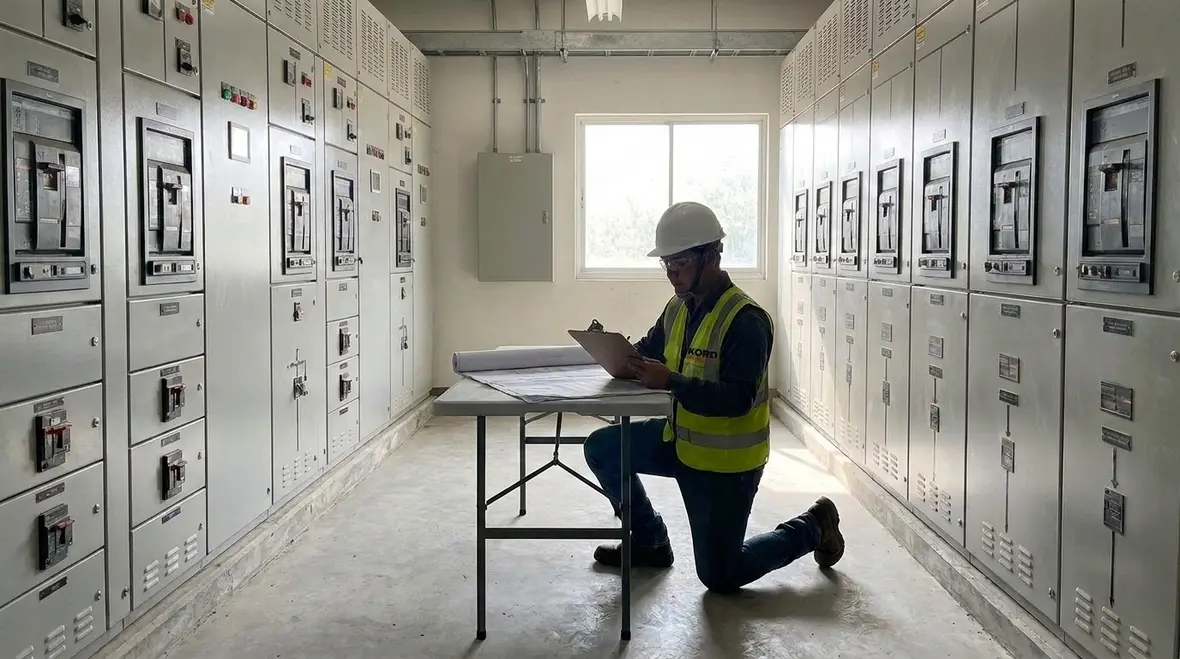
Electrical distribution systems carry power from the utility into your building, then route it where it needs to go. Over time, heat, vibration, dust, humidity, and electrical stress quietly wear down key parts. As a result, minor issues can become major outages. For example, a loose connection might only cause a small temperature rise at first, yet that rise accelerates wear and can lead to insulation damage or arcing.
Moreover, commercial and industrial spaces rarely “turn off” to wait for repairs. Therefore, maintenance has to reduce risk without disrupting operations. We plan work around real schedules, and our expert service staff explains findings during and after service visits. Think of it like routine car maintenance, except your car does not have a critical load for life safety systems, data rooms, and production lines. Pop culture reference aside, the electrical system does not care what season it is. It just ages.
What We Inspect in Electrical Rooms and Switchgear
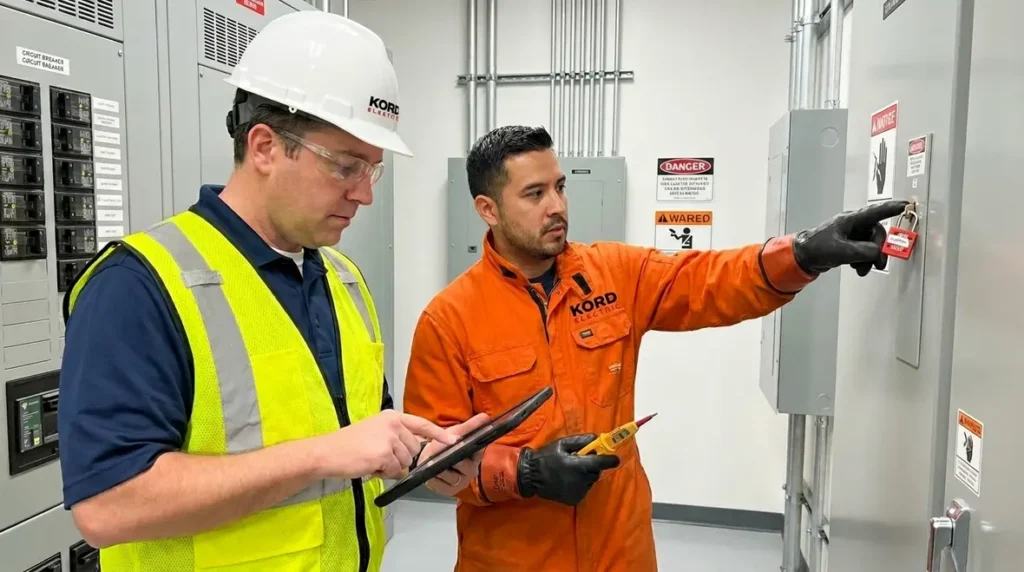
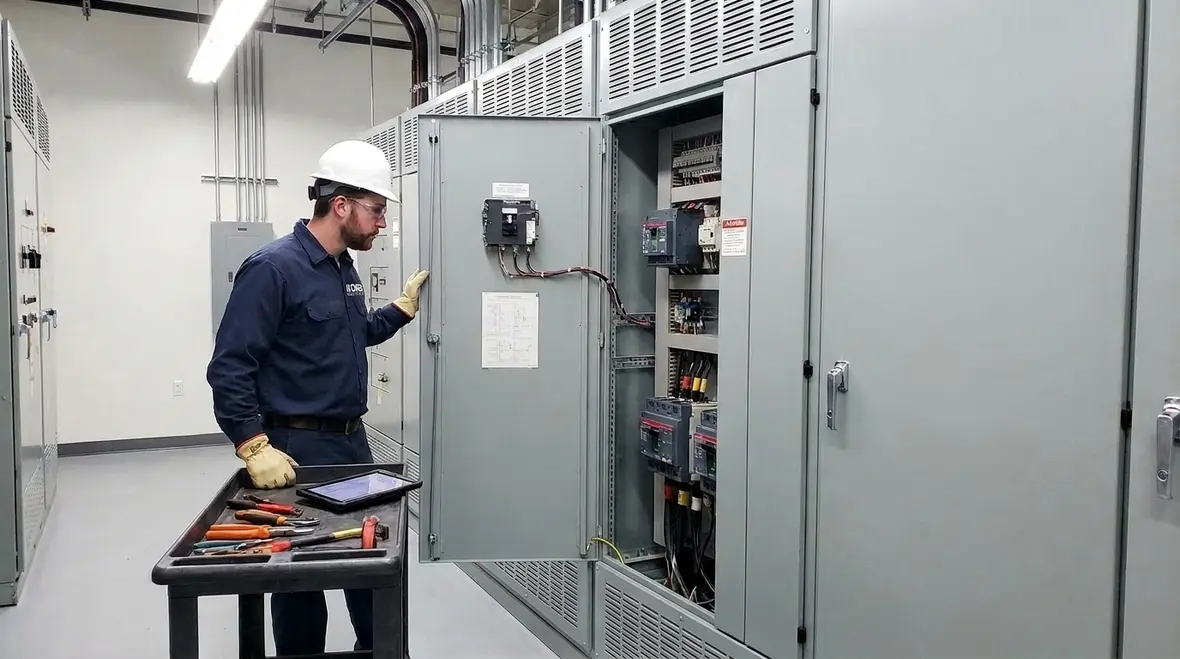
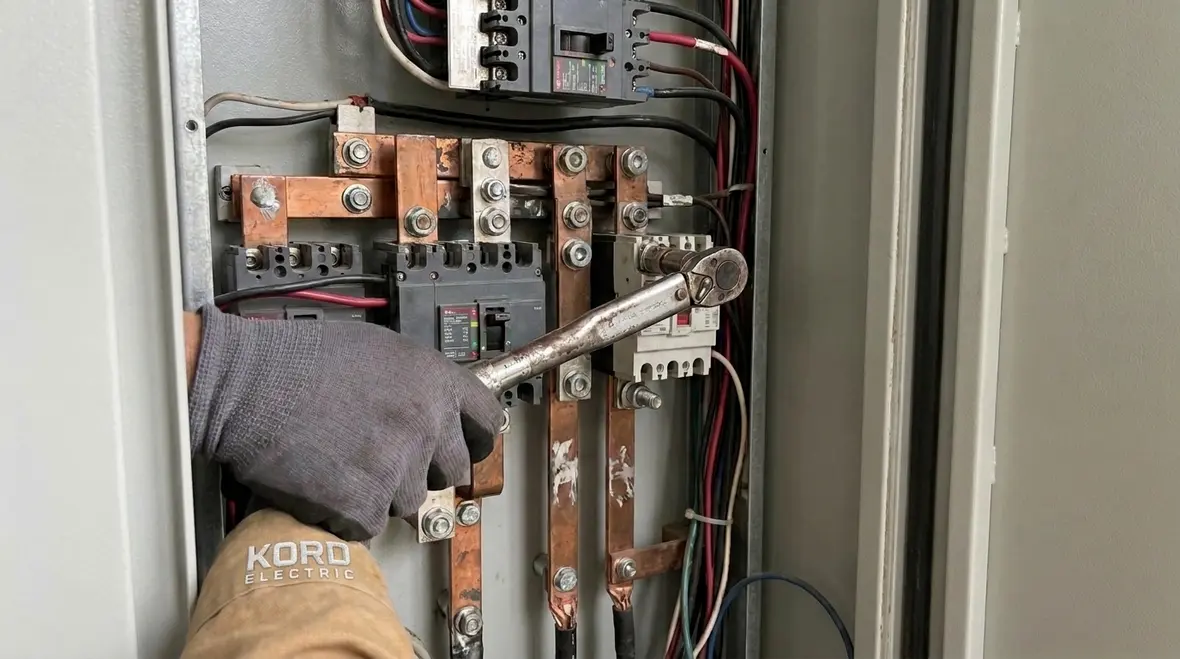
When Kord Electric performs electrical distribution maintenance commercial buildings work, we do not just look for obvious damage. We inspect components that often fail quietly. First, our technicians verify the health of switchgear, switchboards, panelboards, bus bars, and protective devices. Then we evaluate connections, terminals, grounding paths, and labeling accuracy.
During visits, we typically focus on the condition that drives performance and safety. We check for signs of heat discoloration, corrosion, moisture intrusion, and physical wear. In addition, we examine breaker operation, interlock function, and the mechanical feel of hardware, because mechanical problems often show up before electrical ones. We also review part history and prior corrective work so the same issue does not return like an uninvited sequel.
Our process stays consistent, yet it adapts to each facility. For instance, industrial environments with dust and vibration need more frequent attention than clean office corridors. However, the goal is the same: keep the electrical distribution system stable, accurate, and ready for demand peaks.
How Preventive Maintenance Reduces Outages and Hidden Risk
Kord Electric builds preventive maintenance around cause, not just symptoms. While many teams respond after failures, we help facilities prevent them. As described in our preventive maintenance approach at kordelectric.com/electrical-preventive-maintenance/, we use a documented plan that includes inspection, testing, cleaning, and corrective actions where needed. That structure matters because it turns maintenance into a measurable program, not a random checklist from the back of a glove box.
Here is how planned work typically cuts risk.
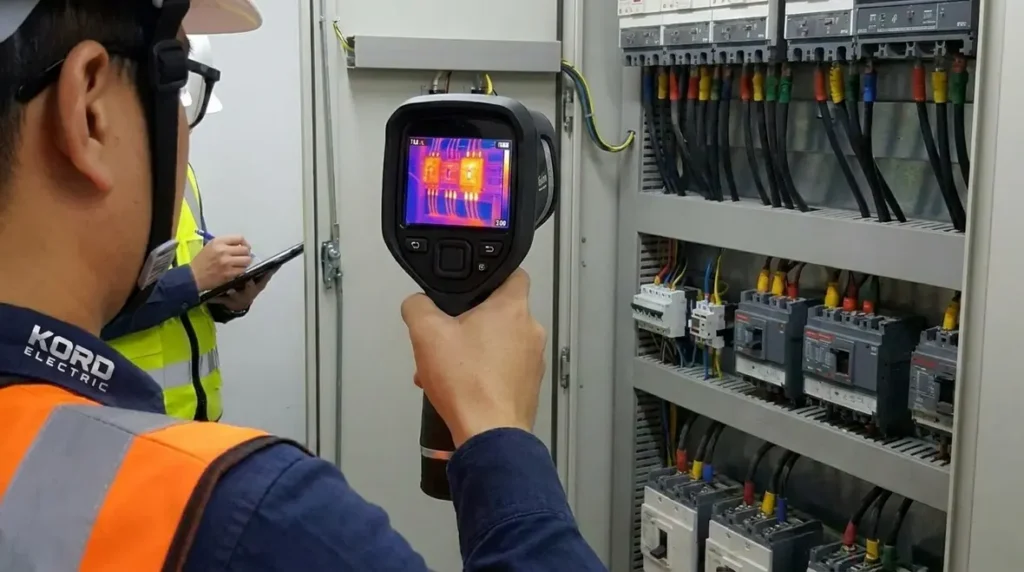
- We detect heat and contact issues early. Thermal indicators and electrical test results reveal connections that run hotter than they should.
- We prevent insulation and component breakdown. Regular cleaning and inspection reduce contamination, which supports safe current paths.
- We confirm protective device performance. Protective devices must operate correctly during faults. When maintenance verifies operation, it helps avoid both nuisance trips and worse failures.
- We improve documentation. Good records make it easier to plan future upgrades and respond faster during incidents.
And yes, while “checking things” sounds glamorous the way watching paint dry does, the payoff is fewer emergency calls and steadier operations. In the commercial and industrial world, that is not boring. That is money and uptime.
Testing, Cleaning, and Load Considerations That Actually Matter
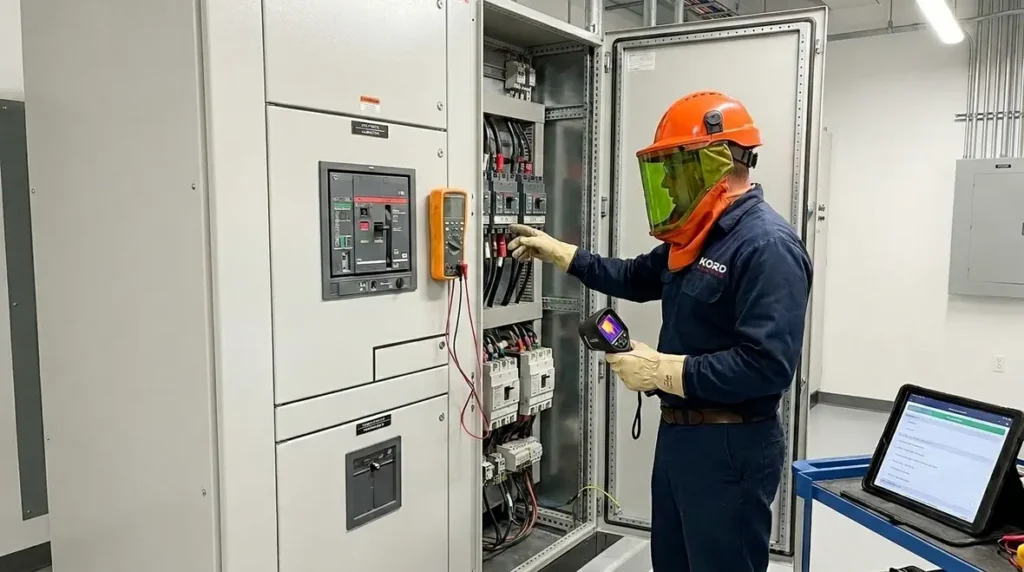
Electrical distribution maintenance commercial buildings work depends on the right methods at the right time. First, testing must match system type and operating conditions. Our technicians choose tests that support safe operation and provide practical insight, rather than data that sits unused.
We also clean and inspect with care. Dust and residue can trap moisture and reduce insulation performance. Consequently, we remove contamination from reachable surfaces and ensure airflow paths stay unobstructed. Where access allows, we inspect ventilation, observe physical conditions, and verify that doors, seals, and barriers remain intact.
Load considerations matter too. As loads change from tenant improvements, equipment upgrades, and production shifts, the system’s margins can narrow. Therefore, we review load patterns and look for signs that components operate near their limits. If the system runs hot often, we identify causes and recommend corrective actions. Sometimes the fix is maintenance. Other times, it is coordination study support or equipment upgrade planning, so the distribution system can handle future demand.
Our expert service staff does not talk in vague terms. They explain what they see, what tests show, and what the next step should be, in business casual language that teams can use immediately. It is like having a calm narrator for your electrical system, minus the credits roll.
Documentation, Scheduling, and Communication With Facility Teams
A strong maintenance program does more than fix problems. It builds confidence across the building team. Kord Electric emphasizes written documentation and clear communication, so owners, facility managers, and operations leaders understand the state of the system. After service, we share findings in a format your team can track over time.
Scheduling also deserves attention. We align work with operational needs, which helps prevent downtime during peak production hours, operating seasons, or critical events. In addition, we confirm access details, coordinate with safety requirements, and plan resources so technicians can complete tasks efficiently. When scheduling fits reality, maintenance gets done. When it does not, it gets postponed. And postponing is how problems grow.
We also communicate priority. Some items require immediate corrective action, especially those tied to overheating, insulation concern, or protective device reliability. Other items support next phase planning. Our technicians and expert service staff explain the difference and recommend a practical order of operations.
To keep the process smooth, we encourage facility teams to maintain updated one line diagrams, equipment schedules, and prior service records. When those are available, our electrical distribution maintenance program becomes faster and more accurate. We help where we can, because a system is only as clear as its documentation.
Building a Maintenance Plan That Fits Commercial and Industrial Realities
Every major property has its own electrical behavior. Some facilities face frequent load swings. Others deal with harsh environments like warehouses, manufacturing lines, or outdoor exposure. Therefore, Kord Electric tailors the maintenance frequency and scope to the building’s risk profile and operating demands.
In practice, we build plans around the system’s role in your operation. For example, life safety and critical loads need special focus. Similarly, facilities with high motor usage benefit from targeted checks that address heat and connection health. We also consider how quickly equipment ages when it runs close to design limits.
Moreover, we help teams connect maintenance to future improvements. Preventive work can reveal where upgrades will pay off, such as where coordination, labeling, or equipment condition suggests a change ahead of failure. This planning reduces the chance of last minute spending and supports better budgeting.
And because nobody enjoys surprises, we make sure stakeholders understand what will be done, when it will happen, and what success looks like. This is maintenance with leadership, not maintenance with guesswork and wishful thinking.
FAQ: Commercial Electrical Distribution System Maintenance
Get Professional Maintenance From Kord Electric
Commercial electrical distribution maintenance commercial buildings should feel steady, not stressful. Kord Electric offers preventive maintenance built for major properties, industrial facilities, and high demand commercial operations. Our technicians and expert service staff inspect, test, and document so your electrical system stays reliable before failures happen. If your facility needs a planned maintenance program, or if your team wants a clear roadmap based on real test results, contact us today. We will review your distribution setup and recommend next steps you can act on immediately.
For owners and facility managers across the region, Kord Electric’s dedicated Los Angeles County electrical services connect distribution maintenance with upgrades, troubleshooting, and preventive programs that keep commercial and industrial buildings running calmly, even when demand peaks.
If you are ready to connect this maintenance strategy with a structured electrical preventive maintenance program, explore our dedicated service overview at Electrical Preventive Maintenance for commercial and industrial facilities. From there, our team can help you build a schedule, prioritize sites, and turn today’s inspection list into tomorrow’s reliability plan.