Commercial Electrical Panel Capacity Expansion Guide
Commercial electrical panel capacity expansion: the first move before your building outgrows itself
When a facility adds tenants, upgrades equipment, or expands operations, power demands rarely stay polite. That is why we at Kord Electric focus on commercial electrical panel capacity expansion before problems start showing up like an uninvited guest. In the first place, we assess the existing panel capacity, then we help commercial and industrial building owners plan for growth with safe, code friendly electrical upgrades. Our experienced technicians explain what they find in clear, calm language, and they guide property teams through the next steps. And yes, sometimes the power issue is simply that the building has been “borrowing” capacity for months. Like a Netflix password, it works until it suddenly does not.
How we evaluate panel capacity for expansion planning
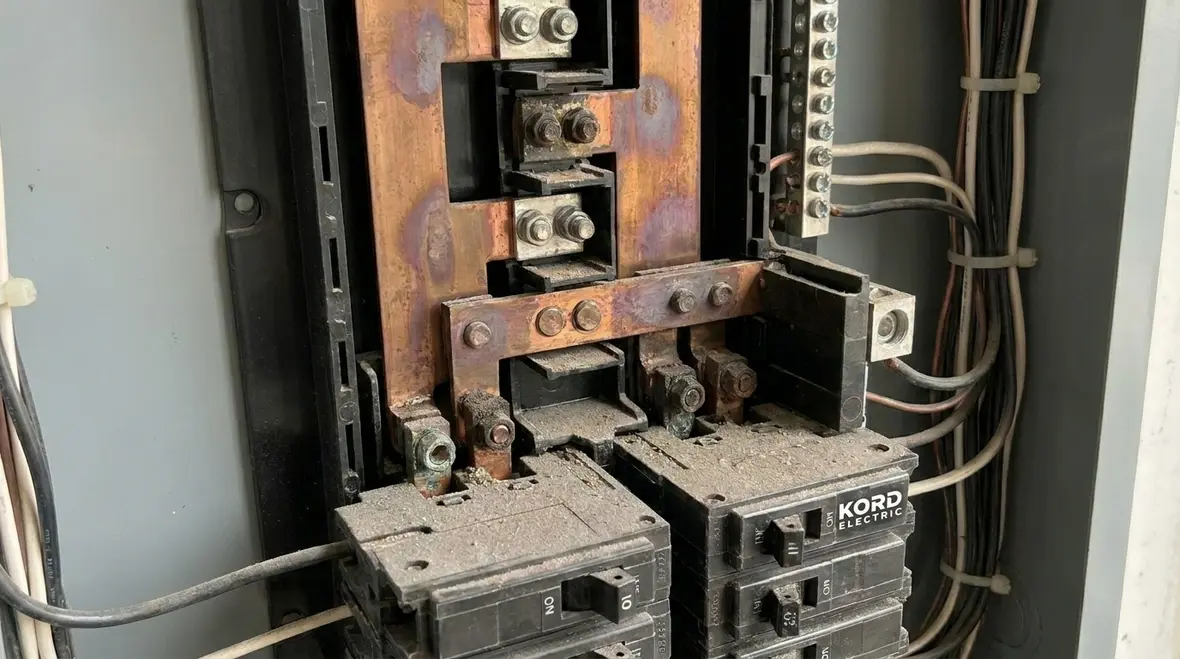
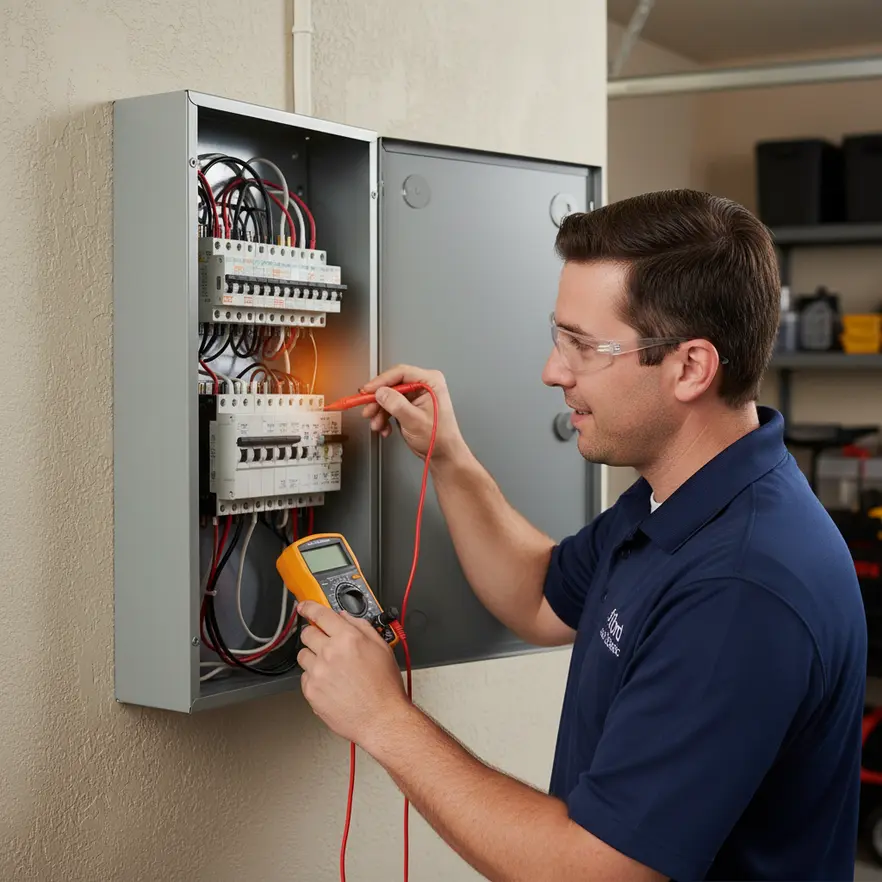
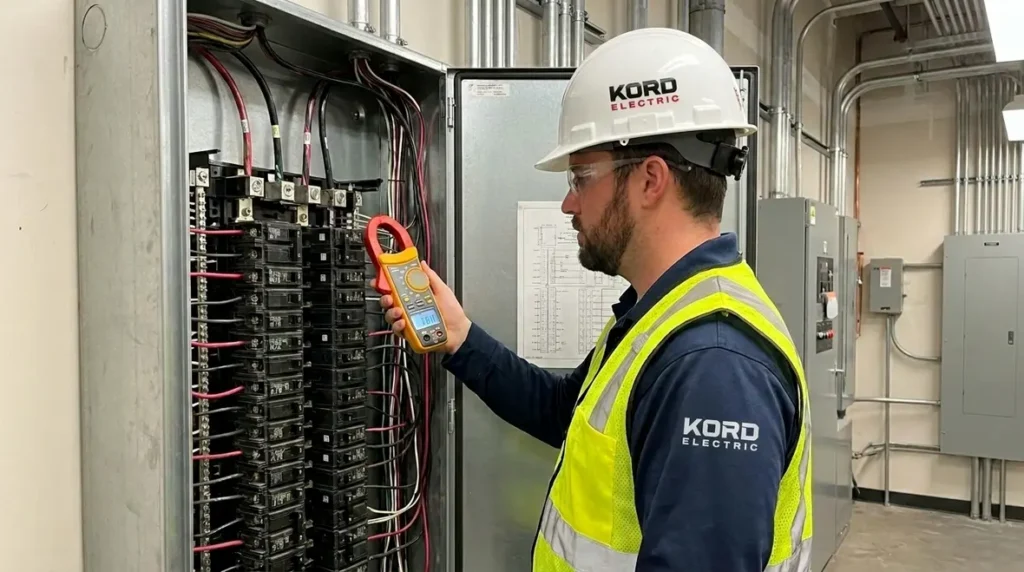
First, others can guess. We do not. We start with what is actually installed and how the facility behaves under load. Our service team typically reviews the one line diagram, panel schedule, and circuit loading. Then we compare that to current operating patterns across shifts, seasons, and peak production hours. As a result, the capacity assessment becomes more than a quick look. It becomes a real picture of how the electrical system carries demand today and what it may carry tomorrow.
Next, we measure and review the panel feeding arrangement, including upstream devices, bus ratings, main disconnect sizing, and any parallel paths. If the building uses variable frequency drives, HVAC staging, process equipment, or large motor loads, we account for the way those loads surge at start up. In the same breath, we check for harmonics and sensitive electronics that can react badly to unstable power quality.
After that, our technicians explain the capacity story. They do not hide behind jargon, and they do not rush people out of the meeting. Instead, they translate the findings into practical actions. Because when people understand the why, the upgrade budget stops feeling like a mystery box and starts feeling like good planning.
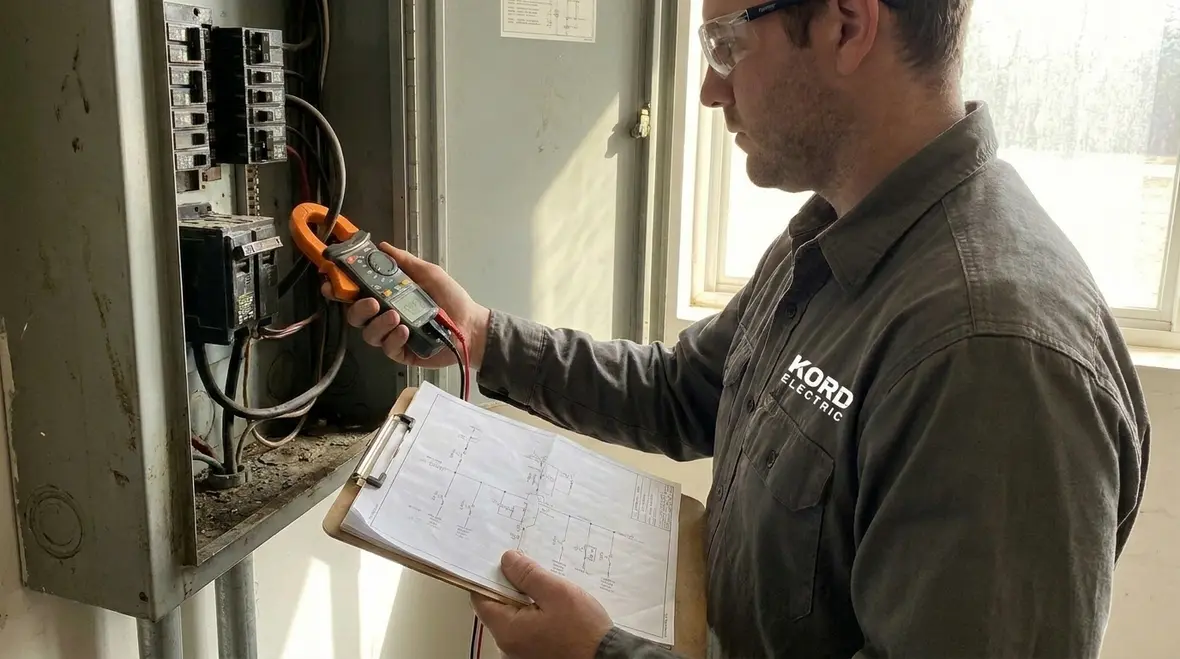
What expansion risk looks like inside a real commercial panel
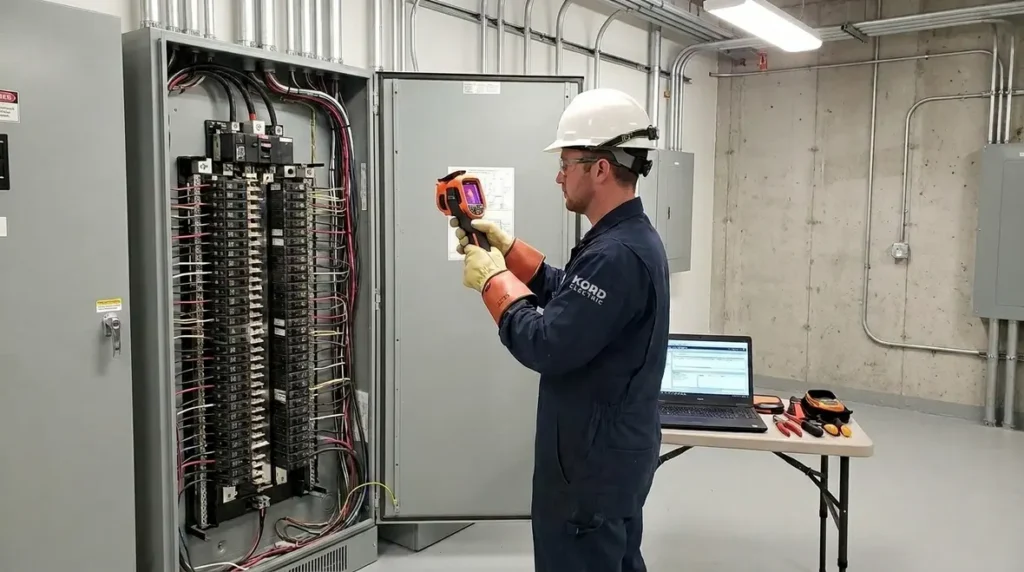
Capacity problems do not always announce themselves with smoke. Often, the first signs show up as nuisance trips, recurring breaker wear, overheated connections, or voltage drop during peak loads. Over time, those symptoms can turn into service calls that nobody wants and downtime that hurts revenue.
Additionally, when a panel runs beyond safe margins, it can affect performance of downstream equipment. That includes lighting systems, controls, refrigeration units, and even network and security gear. So while the root cause may start in the panel, the consequences ripple across the facility.
We also watch for an often overlooked issue: inconsistent load distribution. If certain phases carry heavier demand while others stay lightly loaded, you can trigger imbalance and overheating even when the total amp count looks “close enough.” And close enough is not a power plan. It is a wish.
Because of that, our assessment looks for both capacity and balance. That is how we reduce expansion surprises later.
Voltage stability, load behavior, and why the panel cannot work alone
A panel does not live in isolation. It sits inside a bigger electrical environment, where voltage stability and power quality matter. If voltage fluctuations exist upstream, or if large loads create dips and surges, the panel may appear “under capacity” even when the math looks fine. Therefore, we connect the panel assessment to real voltage performance and building operating behavior.
In fact, our team references the same themes we explain in our article on voltage fluctuations commercial industrial scenarios. When voltage dips happen during motor start up, compressor cycles, or process changes, equipment can draw more current than expected or behave unpredictably. Consequently, that can increase thermal stress inside breakers and bus bars.
Furthermore, unstable voltage can worsen problems like premature device failure and intermittent control faults. So, rather than treat the panel as a standalone component, we factor in supply conditions, load types, and how the facility responds during peak demand.
Our technicians then explain this in plain language. They help owners see how power quality links to capacity planning. That way, the recommended commercial electrical panel capacity expansion is not just larger. It is smarter and better matched to how the facility actually runs.
Choosing the right upgrade path for industrial and major property buildings
Once we understand the existing capacity and the load behavior, we match the upgrade path to the facility goals. We typically consider options such as adding new panelboards, upgrading mains and bus systems, redistributing circuits, implementing supplemental distribution, or designing a phased upgrade approach that keeps critical systems online.
Then we coordinate the electrical work around real building schedules. For major property buildings and industrial facilities, shutdown windows are rarely convenient. As a result, we plan the sequence carefully, so the facility does not stall while equipment gets replaced or circuits get moved.
Additionally, we look beyond the panel and think about the whole distribution chain. If the feeder conductors, upstream transformer capacity, or switchgear configuration contribute to voltage drop or stress, we include those factors in the plan. Otherwise, you can expand the panel and still chase problems that began upstream.
We also prioritize safety and code compliance. That means proper labeling, correct protective device coordination, and clear documentation for the next inspection. Our process aims to keep things tidy, traceable, and maintainable, because future technicians should not have to play detective with your electrical system.
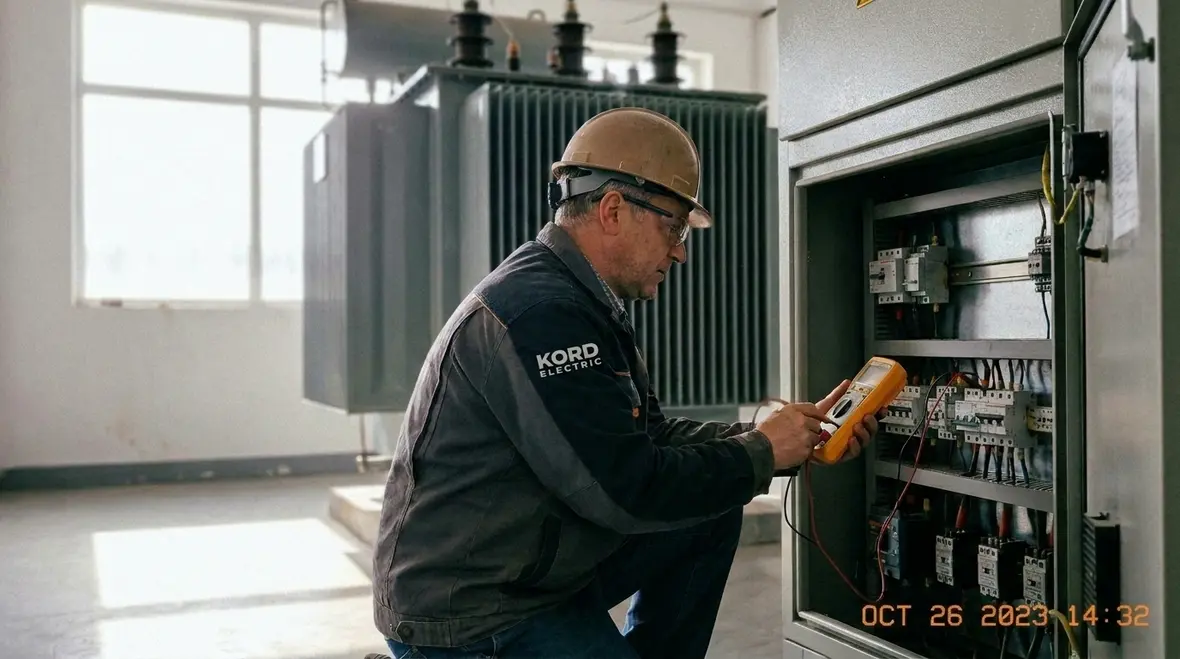
Phased expansion: keeping operations stable while demand increases
Commercial and industrial facilities rarely stop growing, and neither should your electrical plan. For that reason, we often recommend a phased approach. We start with the loads that cause the biggest stress or the earliest issues, then we expand capacity step by step. This method reduces risk and limits disruption.
Meanwhile, we also align expansion with predictable schedules. If tenants will add equipment in phases, or production lines will expand by quarter, we map that timeline into the panel plan. Then the facility gets capacity when it is needed, not earlier than necessary and not too late to matter.
Our team also supports ongoing maintenance and monitoring. During and after the upgrade, we verify connections, check device ratings, and confirm that the distribution behaves as expected under load. In other words, we do not just install and disappear. We follow through.
And yes, like planning a move, the best results happen when people know what is coming. Our technicians explain the steps, the downtime expectations, and how we keep the facility safe through each phase.
Common mistakes we help owners avoid during panel expansion projects
First, some teams assume bigger is always better. Bigger can be good, but only when the load and protection strategy match. If protective devices and circuit distribution do not align with the real demand, nuisance trips and uneven heating can still happen. That is how you end up paying for a “solution” that behaves like a bandage on a broken bone.
Second, some people skip power quality review. They focus on amperage and ignore how voltage fluctuates during motor starts and cycling equipment. Consequently, the facility may still experience unstable operation after the panel upgrade, because the underlying behavior has not changed.
Third, others overlook future growth. They expand to meet today’s needs and forget tomorrow. Yet tenant turnover and equipment upgrades often happen faster than expected. Therefore, we plan headroom and distribution flexibility so the building does not require another round of major work shortly after.
Finally, some fail to document the system updates. Then maintenance becomes slower, inspections become harder, and repairs become guesswork. We keep records and labeling clear, so others can service the facility without starting from zero.
What our technicians explain during the capacity assessment and upgrade walkthrough
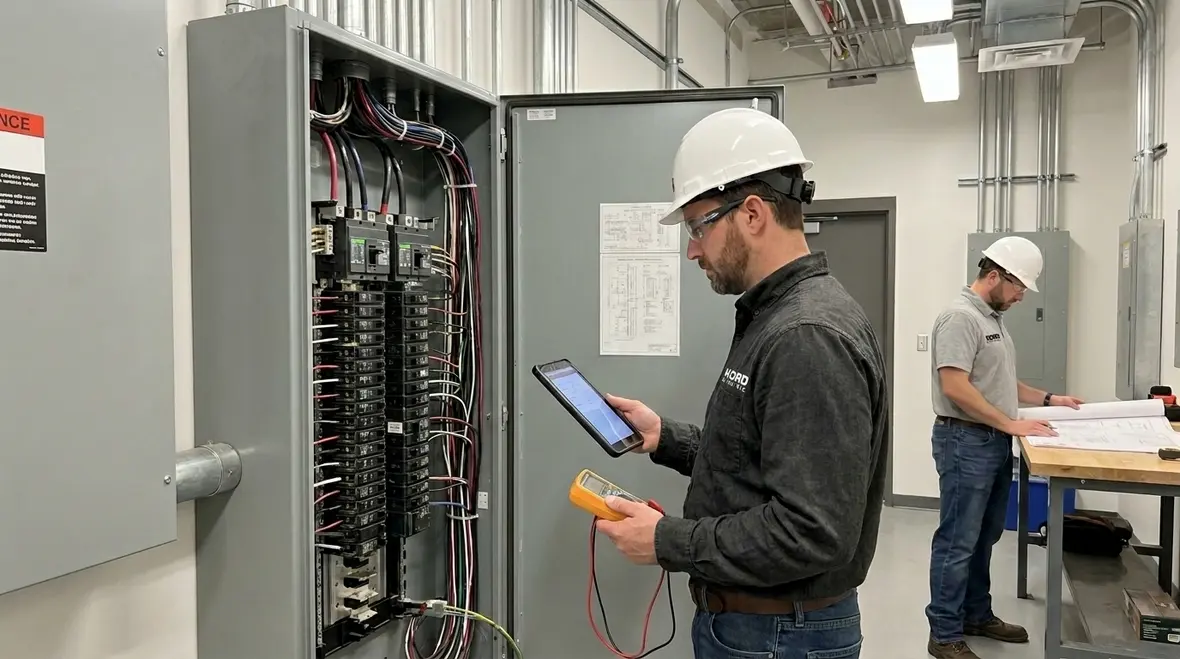
Our service team approaches every commercial and industrial project with a steady process and a calm explanation style. In the assessment phase, our technicians walk owners through what they tested and why it matters. They show how loading impacts bus bars and breakers, and they clarify what happens during peak conditions.
Then, during the upgrade walkthrough, they explain what changes in plain terms. They describe how circuits will be redistributed, how protective devices will be selected, and how the new setup supports both current operations and planned expansion. As a result, clients know what to expect and what outcomes to measure.
We also answer the practical questions that matter on site: what needs to shut down, what can stay running, how long it takes, and what to monitor afterward. That is where trust builds. And it builds fast, because nobody enjoys electrical surprises any more than they enjoy finding an error message that looks like it was written by a haunted computer.
For many clients, commercial electrical panel capacity expansion also becomes a gateway to broader planning. Once the panel and upstream equipment are under control, we often connect the discussion to structured programs like electrical preventive maintenance for commercial and industrial facilities. That way, the upgraded panel does not just start strong. It stays reliable through regular testing, cleaning, and inspection.
FAQ
Ready to plan your facility expansion with confidence?
Kord Electric helps commercial and industrial property teams assess electrical panel capacity before growth creates problems. We evaluate loading patterns, power behavior, and upgrade options, then we explain every step in a way your team can act on. If you plan a tenant buildout, equipment upgrade, or major property improvement, contact us for a capacity assessment and a practical expansion plan. Let us help your facility stay reliable, safe, and ready for what comes next.
If your expansion plans include new equipment, lighting, or EV infrastructure, our field team can also coordinate capacity upgrades with related projects like commercial and industrial lighting installation and commercial EV charger installation. That way, your electrical system grows as a unified, well planned whole instead of a patchwork of one off fixes.