Optimize Commercial Lighting Energy Efficiency
At Kord Electric, we help commercial and industrial buildings optimize commercial lighting energy efficiency without turning your site into a science project or your staff into full time electricians. In the real world, lighting energy waste usually shows up as stubborn dim areas, flicker, lights that stay on too long, and controls that do not match how people actually work. Therefore, our approach focuses on advanced tactics that improve performance and control, then keeps it steady over time. And yes, we still get complaints like “the lights are acting weird,” even when the problem is a loose connection and not a ghost. We handle it all, calmly, with our expert technicians who explain what we find, why it matters, and what to do next.
Advanced lighting audits that reveal hidden waste
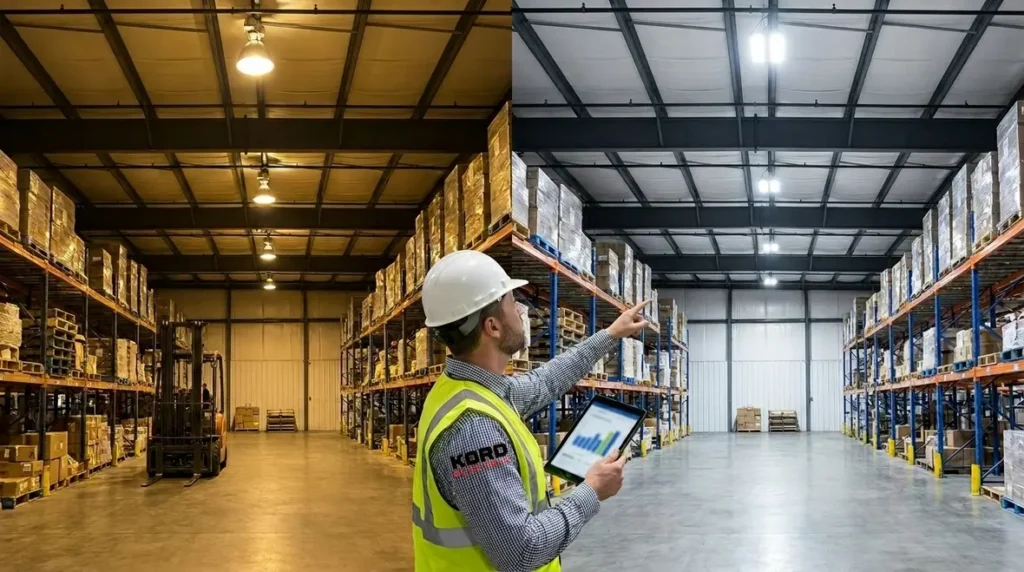
First, we start with a lighting audit designed for commercial and industrial settings, not for guessing. Our team looks at more than wattage on paper. We also review layouts, occupancy patterns, daylight exposure, fixture types, switching behavior, and control sequences. Then we compare that against actual measurements taken on site. In many buildings, the biggest losses do not come from “old bulbs” alone. Instead, they come from lights running longer than needed, zones that do not match the work areas, and controls that fight each other.
Next, we map the control system and verify that schedules, timers, sensors, and overrides line up with tenant operations, maintenance routes, and shift changes. Even a small mismatch can cost energy for months. And if you are thinking, “We have occupancy sensors, so we must be fine,” that is the classic plot twist. Sensors can be mis-aimed, blocked by shelving, or set too slow for real movement. Therefore, we test response time, coverage, and tuning, then document adjustments in plain language.
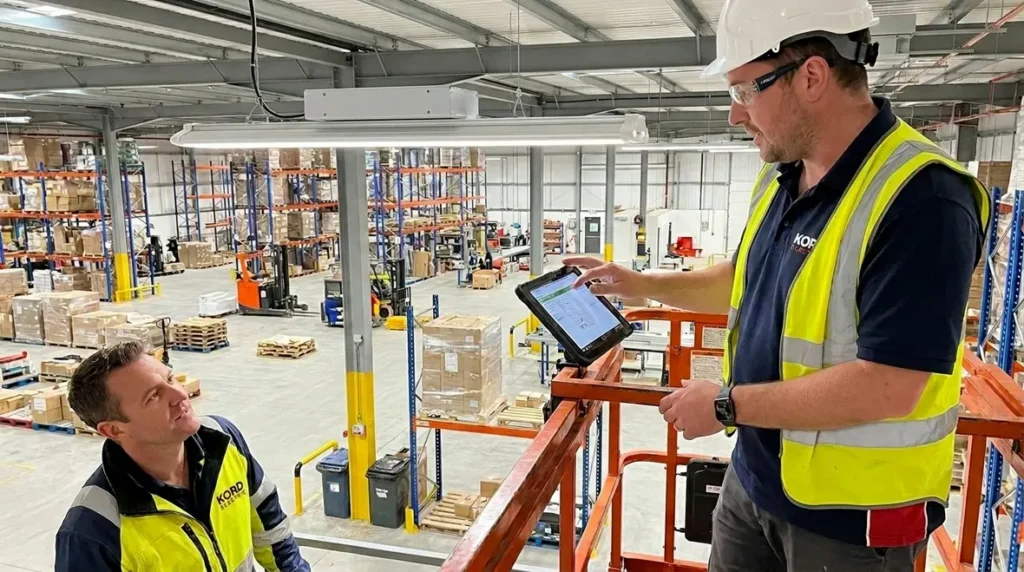
Finally, our technicians explain the results during the walkthrough. They do not just show numbers; they show consequences. When others see the same report, they usually understand why one wing stays lit after hours and another turns off early. That clarity speeds decisions and reduces future service calls.
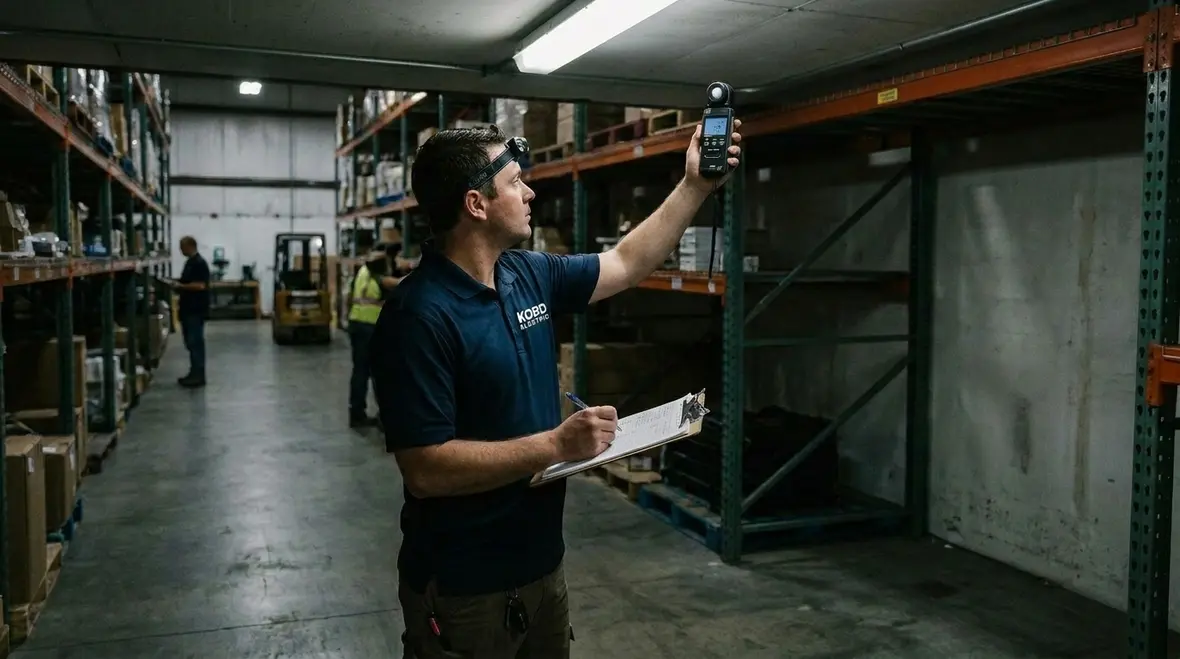
During these advanced audits, we also look for alignment with California commercial lighting requirements, including how controls interact with occupancy and daylight. For properties that need deeper guidance, we often connect findings back to resources like Kord Electric’s California Commercial Lighting Code Guide for 2026 and their Commercial Lighting Compliance in California overview, so facility teams see how everyday settings on timers and sensors affect inspections, safety, and long term energy performance.
Because many buildings are already wrestling with Title 24 and related energy codes, our audit notes point out where a simple control change can bring a zone closer to compliance and where a more structured upgrade is worth planning. When teams pair efficient layouts, corrected runtimes, and smarter control groupings, they are not just trimming waste on their utility bills; they are also building a stronger story for future inspections and portfolio wide upgrades.
How we tune controls for real occupancy and real schedules
Once the audit reveals the pattern, we tune the control strategy. We focus on optimize commercial lighting energy efficiency by aligning lighting levels to how spaces operate through the day. For example, offices and support spaces do not run the same way as warehouses, loading docks, or plant corridors. So we avoid one-size schedules. Instead, we build control logic that reflects how staff moves, when doors open, and when work actually starts.
Then we use zoning and grouping with intent. Lights should respond to the area that people use, not the faraway corridor that they barely pass. In addition, we set transitions that feel normal. Sudden step changes can annoy occupants, and then they override the system. That is not optimization, that is rebellion. Therefore, we tune dimming ramps, hold times, and daylight response so the system remains usable and trusted.
We also verify high demand systems and emergency behavior. Control upgrades must respect code requirements and maintain dependable safety modes. So our team reviews sequence settings and sensor behavior under different conditions. As a result, the building saves energy while still meeting life safety expectations.
In many commercial and industrial facilities, fine tuning these controls becomes the bridge between code language and actual field behavior. Property teams trying to juggle California Commercial Title 24 Lighting requirements and everyday tenant demands often discover that their existing systems already have powerful features—they just are not configured to match how the building truly runs. By aligning schedules, demand-response strategies, and occupancy triggers with the real workday, we help buildings reach both compliance and comfort without constant complaints from the people using the space.
Lighting design upgrades that cut watts without cutting comfort
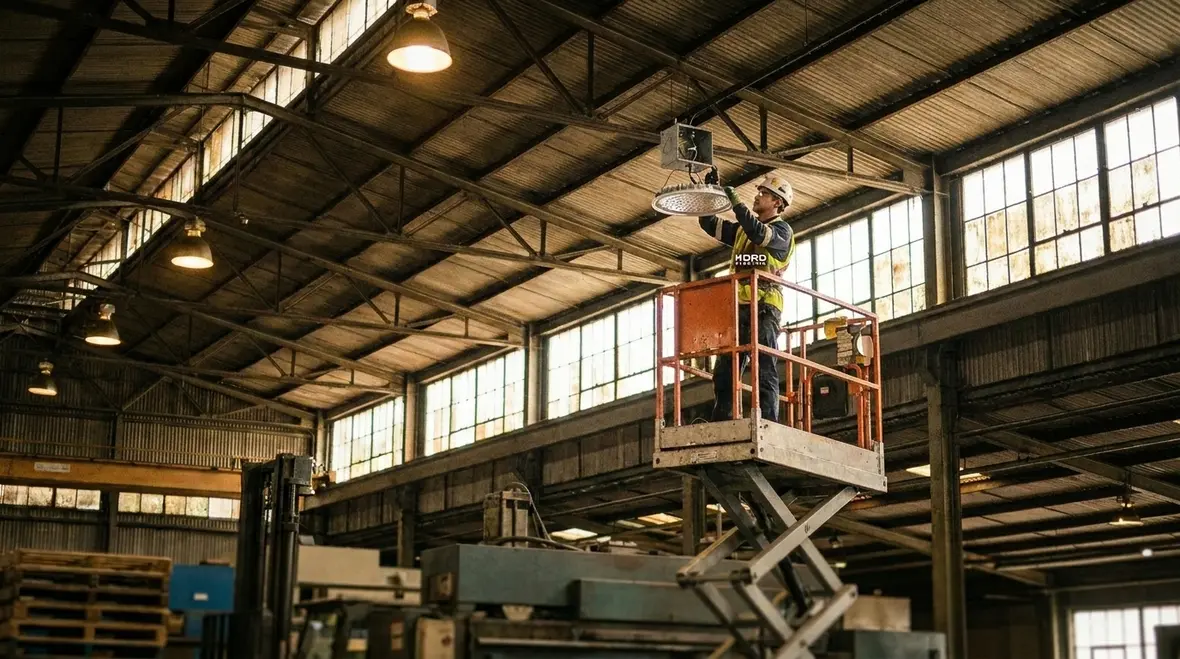
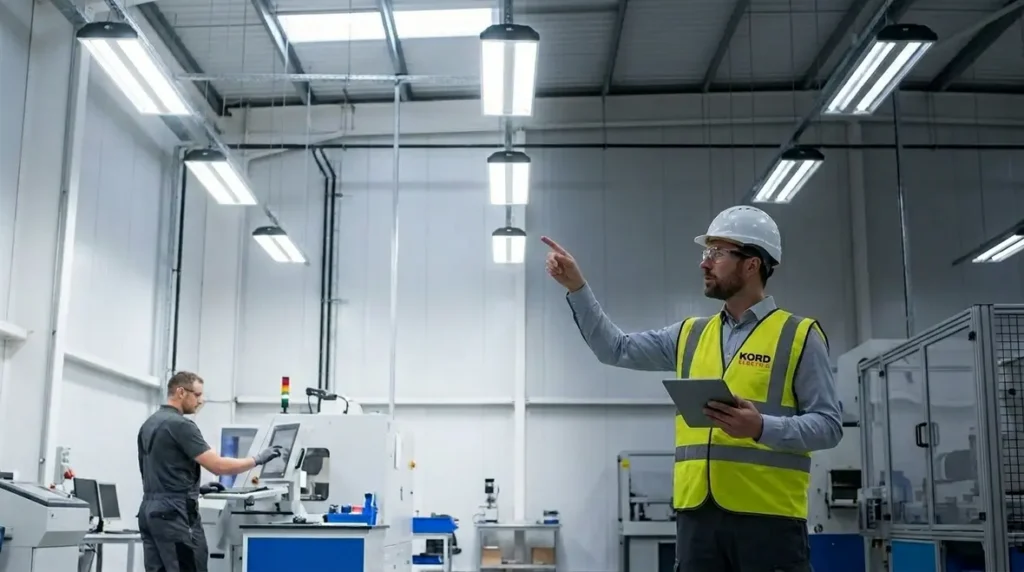
After control tuning, we address the hardware where it truly matters. We prioritize upgrades that reduce energy use while keeping color quality, glare control, and uniformity. For commercial and industrial facilities, this means selecting fixtures and lamps that fit the environment and reflectivity of surfaces. Then we align distribution patterns to the work plane, not just the ceiling.
We also target areas that have the most long runtime or the most complaints. In other words, we fix the places where occupants notice and energy keeps leaking. If a lighting upgrade happens only in one area, the rest of the building can still drain power. Therefore, we create a phased plan that balances cost, downtime, and payback.
And we do not treat “LED equals solved” like a magic spell. LED installations still fail if drivers, dimming compatibility, and controls are mismatched. Our service staff checks dimming range, control driver type, and compatibility with existing panels. This prevents flicker and unstable dimming, which, frankly, can make anyone feel like they are living inside an overlit music video.
For property managers who want a deeper look at budget impacts, we frequently connect these upgrade plans with guidance from Kord Electric’s Commercial Lighting Upgrade Cost Guide and their broader Lighting Installation Services overview. Those resources walk through how fixture types, ceiling heights, and control choices interact with labor time and long term savings, so large facilities can see why a targeted retrofit in high runtime zones often beats a scattered “replace a few lights here and there” approach.
By linking design upgrades to both operational needs and code expectations, we help facilities avoid surprises during inspections. Thoughtful fixture selection, paired with tuned controls, brings lighting performance closer to the standards described in Kord Electric’s California Commercial Lighting Code Guide for 2026 and Commercial Lighting Compliance in California resources, making it easier for teams to defend their decisions in front of auditors, insurers, and internal stakeholders.
Daylight harvesting and task tuning for steady savings
Next, we optimize daylight harvesting so it works with how the building receives sun. Many facilities place sensors near windows, then assume the rest of the space automatically adjusts. However, daylight changes, reflection changes, and furniture layouts change. So we calibrate sensor placement and set response curves that match the space. Then we verify the results at different times of day.
For task tuning, we focus on work needs rather than a single brightness target. Retail showrooms, manufacturing lines, and office desks require different comfort levels. Our technicians help stakeholders set practical targets for each zone. Then we adjust dimming levels so tasks remain clear while energy drops during low use or high daylight hours.
To keep it reliable, we also document settings. This matters when tenants change operations, or when maintenance staff needs to understand how the system behaves. Therefore, our documentation reduces guesswork and protects the savings you paid for.
Because Title 24 and related California energy standards place significant emphasis on daylight responsive controls in spaces with skylights or major window areas, we also reference the guidelines explained in Kord Electric’s California Commercial Title 24 Lighting Compliance Guide. That way, facility teams understand not only that their daylight harvesting works, but that it aligns with expectations for zoning, control locations, and documented performance, all while helping them continue to optimize commercial lighting energy efficiency in high daylight zones.
We use commissioning and preventive maintenance to keep gains alive
Upgrades only perform if systems stay tuned. Therefore, we pair advanced control and lighting work with a maintenance plan. If a building keeps drifting, the energy efficiency plan slowly fades. That is why we follow the same kind of structure described in our electrical preventive maintenance approach, which supports ongoing performance and helps avoid unexpected downtime.
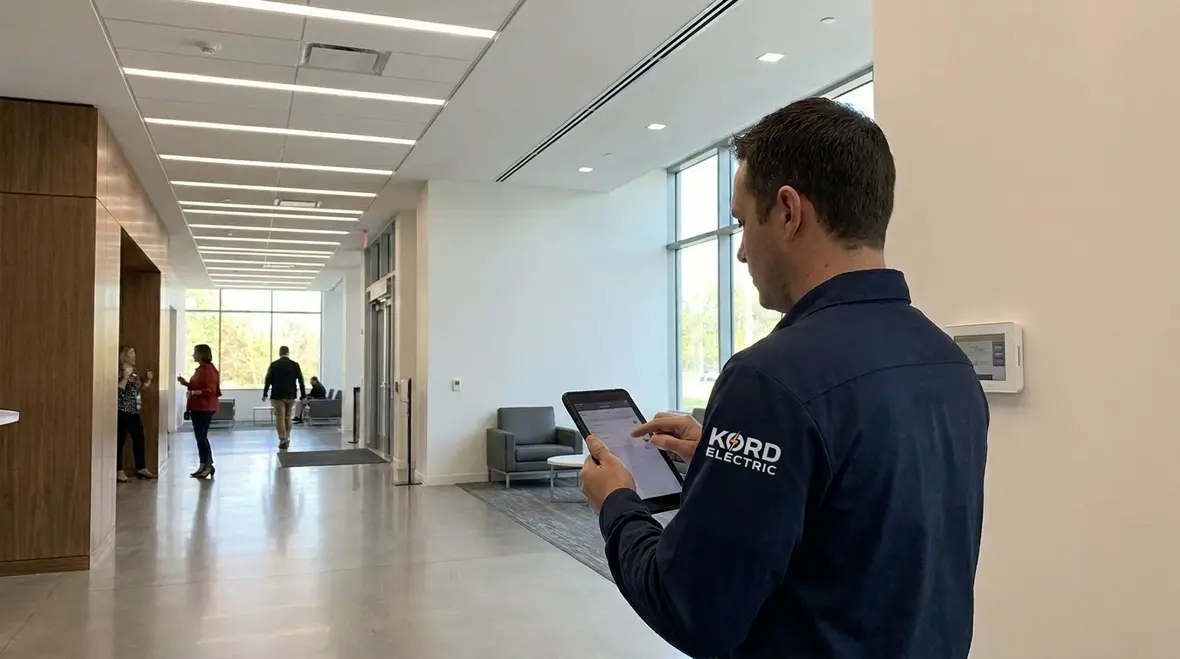
During commissioning, our expert service staff tests sequences, checks wiring integrity, and confirms control behavior. Then we verify that dimming, occupancy response, and daylight control all work as intended. After that, our preventive maintenance focuses on what tends to change over time. We inspect components that affect performance, review control panels, and check for issues that can cause intermittent operation.
Just as important, we explain findings and next steps in a way that building owners and facility managers can act on. When others understand the “why,” they maintain systems with confidence instead of fear. And when a facility stays stable, savings stay stable.
For portfolios that include multiple campuses or mixed use properties, formalizing this preventive work into a structured plan—similar to the Commercial and Industrial Electrical Maintenance Plans Kord Electric offers—helps keep lighting performance consistent across sites. Scheduled inspections, documented adjustments, and proactive replacements turn “we will get to it when it breaks” into a calm, predictable program that protects both uptime and efficiency for the long term.
ROI planning for property managers and facility teams
Commercial and industrial decision makers care about payback, downtime risk, and operational impact. So we build a practical ROI plan that supports facility goals. We estimate savings based on hours of operation, control behavior, and actual usage patterns, not just model assumptions. Then we identify which improvements deliver the fastest results.
We also plan installation timing. Therefore, we coordinate with site schedules, production needs, and after hours constraints. If we need access to ceilings, panels, or control cabinets, we plan it so operations remain steady. That reduces disruption and helps teams keep projects on track.
In addition, we clarify what will change in daily routines. For example, occupants may notice a smoother dimming transition or a more responsive occupancy system. When expectations match reality, people stop treating the controls like an unpredictable roommate. They work with the system, not against it.
Lastly, we help teams budget for maintenance that keeps savings real. Lighting energy efficiency is not a one and done purchase. So we plan for long term performance, supported by our expert service staff and preventive work.
When property leaders want a clearer view of how these improvements fit into capital plans, we often reference Kord Electric’s Commercial Lighting Upgrade Cost Guide alongside their Lighting Installation Services page. Together, those resources outline how LED retrofits, control upgrades, and commissioning support interact with energy savings and operational resilience, making it easier to defend lighting investments to asset managers, finance teams, and ownership groups.
Featured FAQ for commercial lighting control and energy savings
How do facilities optimize commercial lighting energy efficiency without replacing everything?
They can tune controls, adjust zoning, fix sensor issues, and upgrade key fixtures or drivers where needed.
Why do occupancy sensors waste energy?
Sensors can be mis-aimed, blocked, set with slow hold times, or paired with zones that do not match actual use.
Does daylight harvesting work in warehouses?
It can, but it depends on skylights, window placement, sensor location, and the way work areas receive light throughout the day.
What does preventive maintenance include?
Our service supports inspection, verification of control behavior, checks on components, and documentation so systems keep performing.
How long does commissioning take?
It varies by building size and number of zones, but we plan testing in phases to limit downtime and keep work organized.
Can controls still meet code requirements?
Yes, but we verify emergency and safety sequences during commissioning and ensure settings follow requirements.
Frequently asked questions
Ready to cut energy waste and keep control dependable
If your building lights stay on too long, dim the wrong way, or act inconsistent across zones, Kord Electric can help. We bring expert technicians who audit, tune, and commission commercial and industrial lighting systems so you can truly optimize commercial lighting energy efficiency and keep it performing. Then our preventive maintenance support helps protect savings over time. Contact us to schedule an assessment for your property, and let us turn that “weird lighting behavior” into a calm, reliable plan you can trust.
For facilities that are planning broader improvements, pairing a commercial lighting optimization project with structured programs like Electrical Preventive Maintenance and targeted Lighting Installation Services gives property teams a clear roadmap. That combination strengthens reliability, supports California code compliance, and makes each upgrade part of a long term strategy instead of a one time fix.