

Critical Infrastructure Electrical System Design Reliability
At Kord Electric, we help commercial and industrial teams protect power when the stakes are high, and we take critical infrastructure electrical system design seriously from day one. We build reliability into the planning, then we harden it through smart wiring choices, careful protection settings, and disciplined maintenance. Others may treat power as a “set it and forget it” utility, but we have seen what happens when design ignores real life. A hospital wing goes dark. A distribution panel trips at the worst time. A site manager blames “bad luck” instead of weak engineering.
Now, our technicians and expert service staff explain the why behind every decision, and they walk teams through compliance, testing, and safe operation. So, let’s slow it down, get specific, and make the electrical system behave like it was hired for the job.
How critical infrastructure design improves reliability in commercial buildings
Critical infrastructure electrical system design starts with the mission of the facility, not just the load schedule on a spreadsheet. Therefore, we begin by mapping where power must stay stable and where interruption can be tolerated. Next, our team evaluates loads by impact, including emergency circuits, life safety gear, process systems, and communications equipment.
Then we design for failure. That sounds dramatic, but it is practical engineering. For example, we plan for single equipment outages so the whole site does not collapse like a poorly stacked deli tray. We also coordinate protection so a short circuit in one area does not trip entire blocks of power. This approach reduces downtime and improves system resilience.
In addition, we follow a disciplined philosophy for reliability: reduce risk at the source, isolate faults quickly, and restore service predictably. As our technicians often say, “If the system fails, it should fail like a gentleman and not like a clown car.”
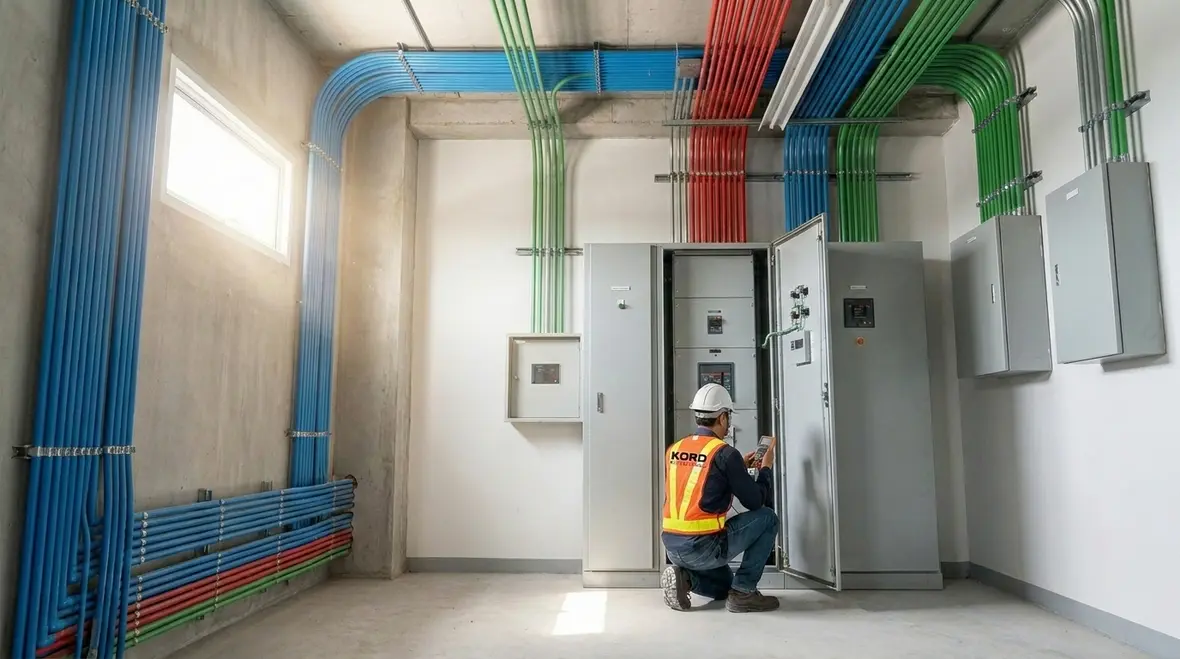
Designing around the facility mission, not just the one-line
Every major property has a different mission. A data center cares about uptime on server racks. A hospital prioritizes life safety and clinical equipment. A logistics facility needs dock operations and communications online during crunch hours. We design electrical systems so those priorities drive the layout, redundancy, and protection strategy from the first sketch, not as an afterthought added during construction.
Reliability starts with load studies, selectivity, and redundancy
To keep power steady in major property buildings, we prioritize three things. First, we run load studies that reflect real operating modes. That includes peak demand, startup surges, and seasonal shifts. Second, we apply selectivity in protection so protective devices act in the right order. Third, we use redundancy where it matters most, so the system can continue operating when one path fails.
For selectivity, we coordinate breakers, fuses, and protective relays. As a result, only the smallest section trips, while the rest stays online. This reduces repair time and keeps critical loads alive. Meanwhile, redundancy can look like dual feeders, parallel paths, or properly configured transfer systems. However, redundancy only works when it is tested and maintained. A backup that never runs is like a fire extinguisher that never gets checked. It looks great until the day it is needed.
Our expert service staff also helps clients set realistic performance expectations. We explain what redundancy can and cannot do, so stakeholders make decisions based on function, not wishful thinking.
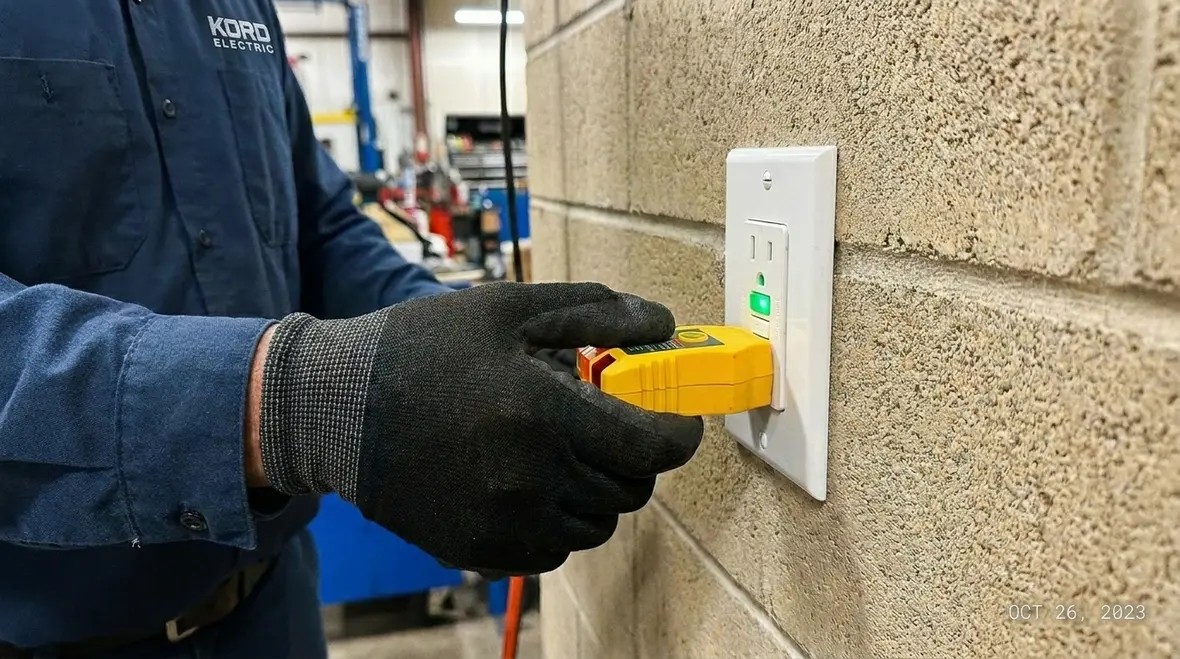
Real-world load studies, not just nameplate math
Instead of sizing purely from connected loads, we consider how the facility actually runs. That means accounting for staggered startups, shift changes, seasonal HVAC swings, and process sequences. We also align these findings with structured electrical preventive maintenance strategies so reliability planning does not stop at the design phase.
Selectivity that keeps the lights on where it matters
Selectivity is the difference between losing one panel and losing half a campus. We use time-current coordination curves and device settings so the smallest protective device upstream of a fault does the tripping. That way, a single short on a branch circuit does not shut down surgical suites, security systems, or production lines that have nothing to do with the problem.
Redundancy tuned to risk, not ego
More gear is not always better gear. We size redundancy based on risk exposure, downtime cost, and criticality. That can mean dual utility services, generator and UPS integration, or N+1 feeders to critical switchboards. We design redundancy that will actually be maintained, tested, and used—not just drawn on paper and forgotten.
System architecture choices that reduce downtime
Once load impact and protection strategy are clear, the next step is picking an architecture that fits how the building operates. We commonly support designs such as radial distribution with sectionalizing, looped distribution where appropriate, or multi-bus systems for large sites. Each choice affects fault behavior, restoration time, and operational complexity.
Additionally, we account for physical layout. Conduit routing, panel placement, and cable separation matter because heat, moisture, and mechanical stress can shift risk over time. Therefore, we avoid designs that force crews to squeeze new work into the same tight spaces year after year.
Furthermore, we design for maintainability. In major property buildings, outages rarely happen “on a perfect schedule.” So, we use proper labeling, accessibility for test equipment, and clear isolation points. Our technicians appreciate this part because it makes service faster, safer, and less disruptive to operations.
Architectures that match operations
Radial, loop, and multi-bus systems all have strengths and tradeoffs. We walk facility teams through what fault isolation, transfer, and restoration look like in real time so they choose an architecture they can safely operate at 2 a.m., not just on a whiteboard in a meeting.
Labeling and documentation that tell the truth
Clear diagrams and panel schedules are part of reliability, not just paperwork. We align system layouts with accurate single lines and panel labels so that when something trips, the team knows exactly where to go. For deeper dives into this topic, see Kord Electric’s electrical panel labeling best practices guide.
Ground-fault protection and commercial compliance realities
Electrical systems also protect people and equipment from ground faults. In commercial settings, this includes careful selection and placement of ground-fault detection and related devices. One area that often causes confusion is ground-fault protection for receptacles in California commercial environments. Fortunately, Kord Electric has a clear guide that our team uses during planning and inspections.
In our blog, GFCI outlet California commercial compliance guide, we explain how teams can meet practical requirements for commercial locations, including where GFCI protection matters most and how installation choices affect compliance outcomes. When clients want clarity, our technicians explain the logic in plain terms, and they show what to document for inspections. Because, yes, inspection day can feel like a pop quiz you did not know you were taking.
Just as important, we do not treat GFCI as a box to check. We consider nuisance trips, system coordination, and load behavior. Then we tune the design so the protection works when it should, not when someone plugs in a tool that draws a little more current than expected. We also ensure that testing schedules and training support long term performance.
Designing ground-fault protection for how people actually use the building
Forklifts, floor scrubbers, extension cords, and rooftop service outlets all change how ground-fault devices behave. We model those realities and align them with California code so compliance and uptime work together instead of fighting each other.
Reliability through power quality, harmonics, and heat control
Even when a system does not trip, it can still underperform. Power quality issues create hidden wear, including overheating and premature failure of transformers, motors, and sensitive electronics. Therefore, we evaluate power quality factors early, such as voltage dips, harmonics, and unbalanced loads.
Industrial and commercial facilities often run equipment with variable speed drives, large motor loads, and modern controls. These loads can introduce harmonics that stress distribution components. As a result, our design approach may include proper sizing of conductors, careful grounding practices, and harmonic-aware equipment choices when needed. We also plan for adequate ventilation and load derating so panels do not run hotter than their nameplates ever intended.
Heat is not just uncomfortable. Heat is a reliability killer. Consequently, we check load balance and enclosure conditions, and we coordinate cable sizing with real current profiles. Our expert service staff also sets maintenance steps that catch early warning signs, such as loose connections and degraded insulation, before they become outages.
Tying power quality into broader reliability planning
When we see nuisance breaker trips, dimming lights, or unexplained equipment resets, we treat them as symptoms, not random events. We often align corrective work with services like voltage fluctuation diagnostics and structured preventive maintenance so power quality and uptime improve together.
Testing, commissioning, and maintenance that actually catch issues
A design can look perfect on paper and still fail in the field. That is why we test and commission electrical systems with clear goals. We verify protective device coordination, check continuity and insulation resistance, and confirm labeling and operational sequences. Then we document results so the facility can track performance over time.
After energization, we keep the work going. Maintenance schedules should reflect how the site runs, not how it runs on paper. Therefore, we recommend service intervals that consider load growth, environmental conditions, and equipment age. We also support routine inspection of switchgear, transfer equipment, emergency power components, and critical panelboards.
Our technicians often explain the process in a way that helps facility leaders feel confident, not confused. And when they show test results, they translate what the numbers mean for safety and uptime. Because nobody wants to hear “the reading was out of range” without also learning what it means and what comes next.
From commissioning to long-term preventive maintenance
We do not disappear after the first energization. Kord Electric builds long-term reliability through electrical preventive maintenance programs that include infrared scans, switchgear inspections, emergency lighting checks, and NFPA-driven documentation. That ongoing discipline keeps critical infrastructure electrical system design performing the way it was intended.
Security, safety, and documentation for major property buildings
Reliability includes safety and clarity. In commercial and industrial sites, electrical work must support safe access, safe lockout and tagout practices, and tight control over who can operate critical equipment. Therefore, we design with safety workflows in mind.
We also emphasize documentation that helps teams act quickly during faults. That means single line diagrams that match installed equipment, updated panel schedules, and clear operational notes. When documentation is accurate, crews restore service faster and avoid repeat mistakes. If documentation is missing or outdated, every troubleshooting step becomes longer, and sometimes riskier.
In addition, we consider site security. Critical electrical assets require controlled access, especially for areas tied to life safety and essential operations. Our service staff helps ensure the system stays protected not only from electrical faults, but also from unauthorized changes.
Making systems understandable for the people who run them
When we hand over a project, we aim for a system that operators can understand on a busy day, not just during a walkthrough tour. Clear documentation, training, and practical safety workflows help facility teams treat the electrical system like a reliable coworker, not a mysterious black box.
FAQ
Conclusion
When a commercial or industrial facility depends on power, we do not treat electrical design as a guess. Kord Electric builds reliability into critical infrastructure electrical system design with careful load study, coordinated protection, power quality planning, and maintenance that catches issues early. If your team is planning upgrades, evaluating resilience, or preparing for compliance and inspection, reach out to us. Our technicians and expert service staff will explain options clearly and help you move forward with confidence. Let us keep your power steady, even when life is not.
If your facility is also considering upgrades like lighting retrofits or new construction builds, this is an ideal time to align reliability planning with services such as lighting installation for commercial and industrial properties. Combining infrastructure design, code-compliant lighting, and preventive maintenance under one strategy helps your building stay safe, efficient, and ready for what comes next.


