Commercial Electrical Panel Capacity Upgrade Guide
At Kord Electric, we often start the conversation with one simple point: a commercial electrical panel capacity upgrade is not a luxury, it is a practical step that protects operations, people, and equipment. And yes, we know panels rarely fail with a dramatic soundtrack. Most of the time, the first warning signs show up like slow plot twists. A facility notices a trend, someone says, “It feels like things are slower,” and then the real problems start to stack up. Meanwhile, our technicians and expert service staff explain what the numbers are telling us, not what someone guessed last month. We then help facility managers and owners see whether the panel can still handle their load, or whether an upgrade will prevent outages, nuisance trips, and costly downtime.
How a commercial panel gets overloaded in real facilities
In commercial and industrial spaces, electrical demand rarely stays flat. In warehouses, forklifts, conveyors, and loading bays add spikes. In office and property buildings, HVAC cycles, kitchen equipment, elevators, and tenant plug loads change hour to hour. Additionally, new equipment gets installed over time, often with little coordination across departments. Therefore, the panel that was adequate at buildout can become undersized long before anyone calls it “overload.”
When the load climbs beyond what the panel can safely support, several things happen at once. First, circuits run warmer. Next, breakers may trip more often, especially when multiple loads start together. Then, voltage can sag under heavier demand, which makes motors work harder, drives run less efficiently, and sensitive systems behave unpredictably. Over time, the wear becomes cumulative. Sooner or later, the panel’s capacity and thermal design show their limits.
Our team at Kord Electric follows a practical approach. We do not rely on vibes or “it seems fine” conversations. Instead, we evaluate panel data, circuit usage, and the facility’s operating pattern, then we explain the findings in plain language so decision makers can act with confidence. Because in our world, electricity does not negotiate.
Early indicators that your panel needs more capacity
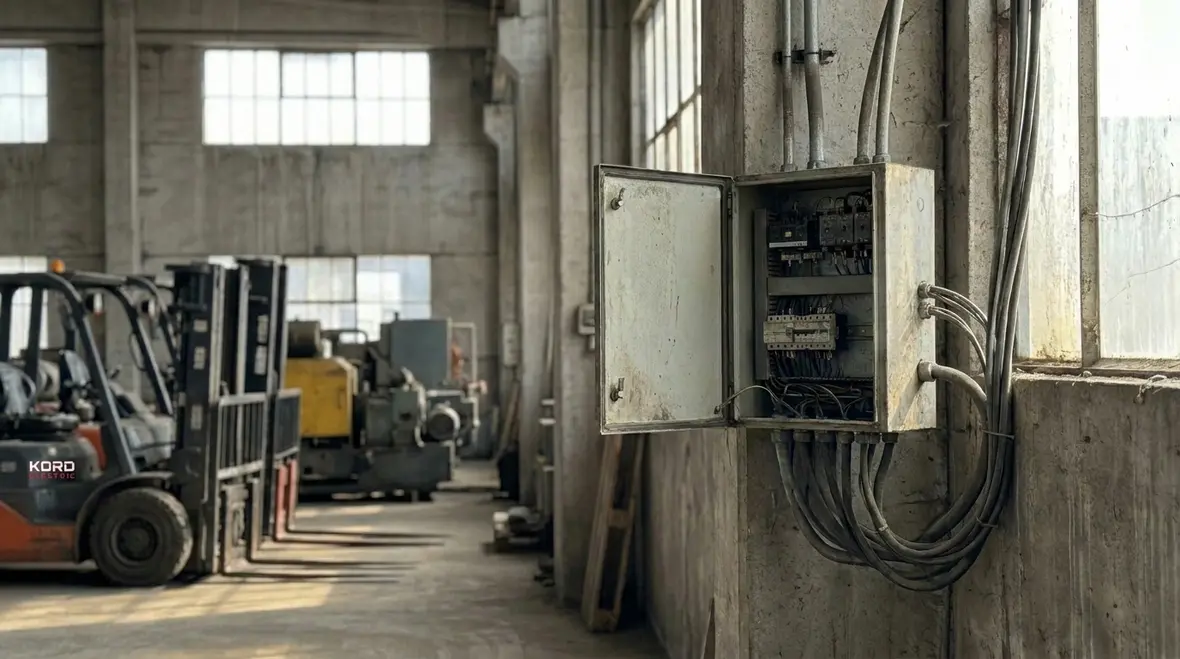
Facility teams usually notice electrical issues in small steps. Consequently, the signs often get dismissed until something interrupts operations. Common early indicators include frequent breaker trips that seem unrelated, lights that dim when motors start, and buzzing or crackling sounds near the panel area. Another indicator is heat. If workers feel unusually warm enclosures or notice discoloration, that is not just an aesthetic issue. It can point to loose connections, aging components, or an equipment load that no longer matches the design.
Also, nuisance alarms or soft failures can show up. Examples include building control systems that reboot, VFDs that fault, or standby systems that switch sooner than expected. These are clues. They do not always scream “panel upgrade,” but they often connect back to capacity limits, poor thermal margin, or voltage instability.
We remind clients that electrical overload often looks like “random” problems. Yet, when our technicians examine usage patterns and breaker behavior, those problems usually line up with specific start times and load combinations. In other words, the panel tells a story. You just need someone trained to read it.
What an overload looks like at the components level
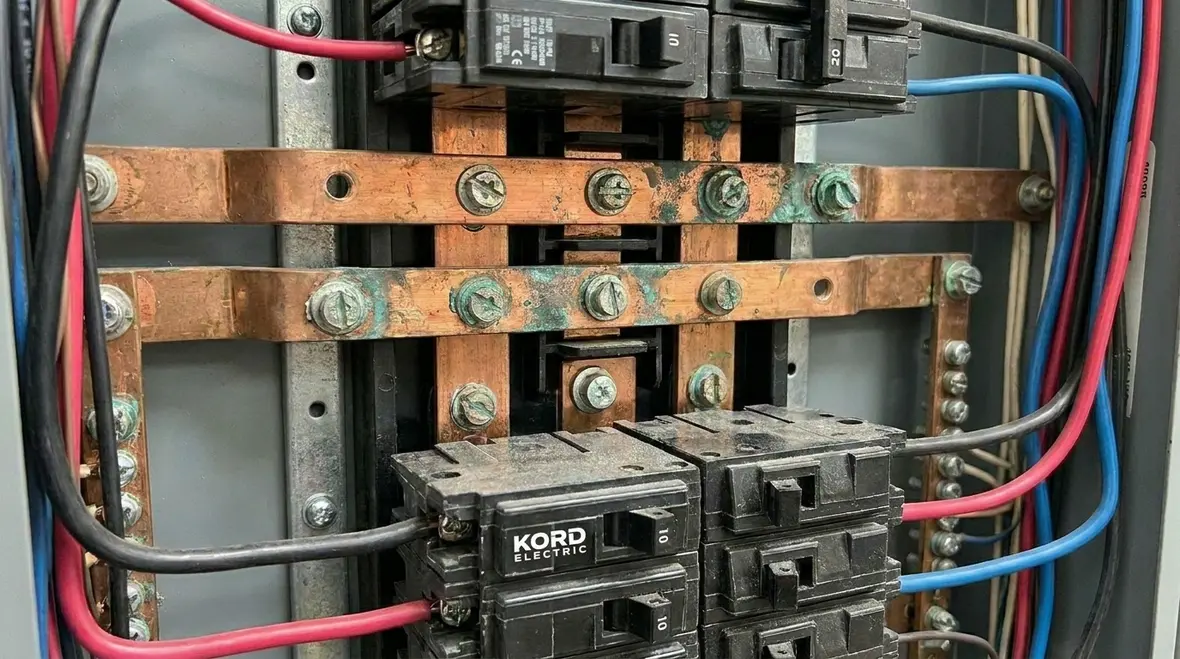
To move beyond surface symptoms, we look inside the panel performance story. A panel works as a system: bus bars, breaker sizing, terminations, conductor capacity, and heat dissipation all work together. When load increases, the entire assembly runs closer to its thermal limits. Meanwhile, terminations and connection points can loosen over years of expansion and contraction. If the load already runs high, the extra stress accelerates the problem.
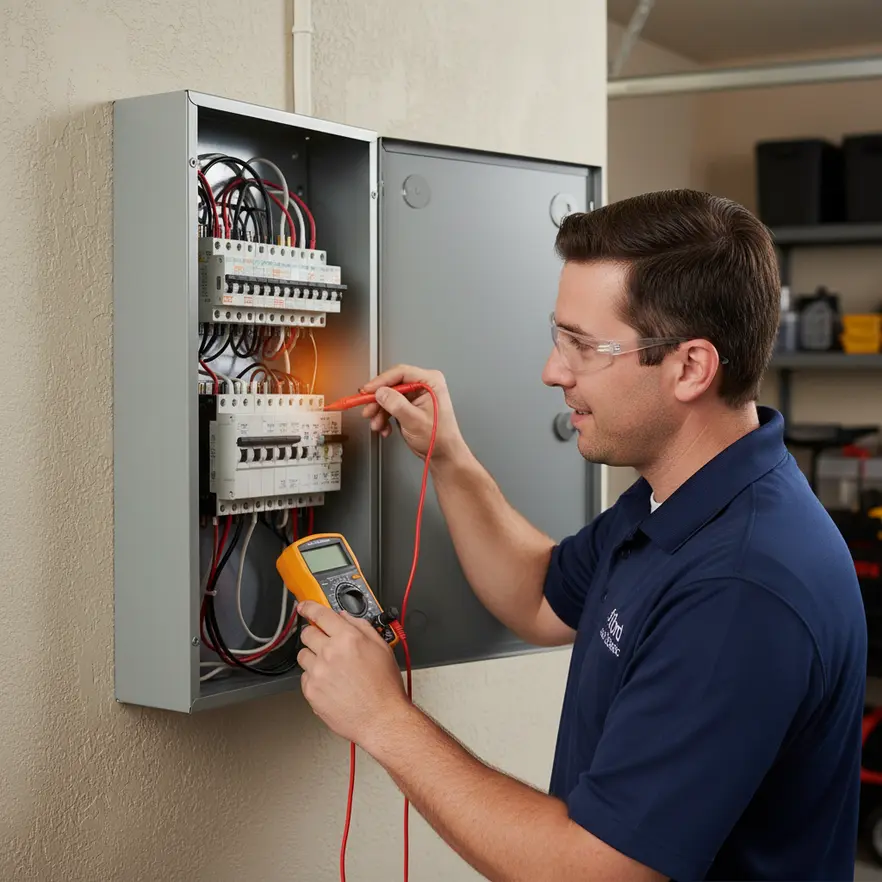
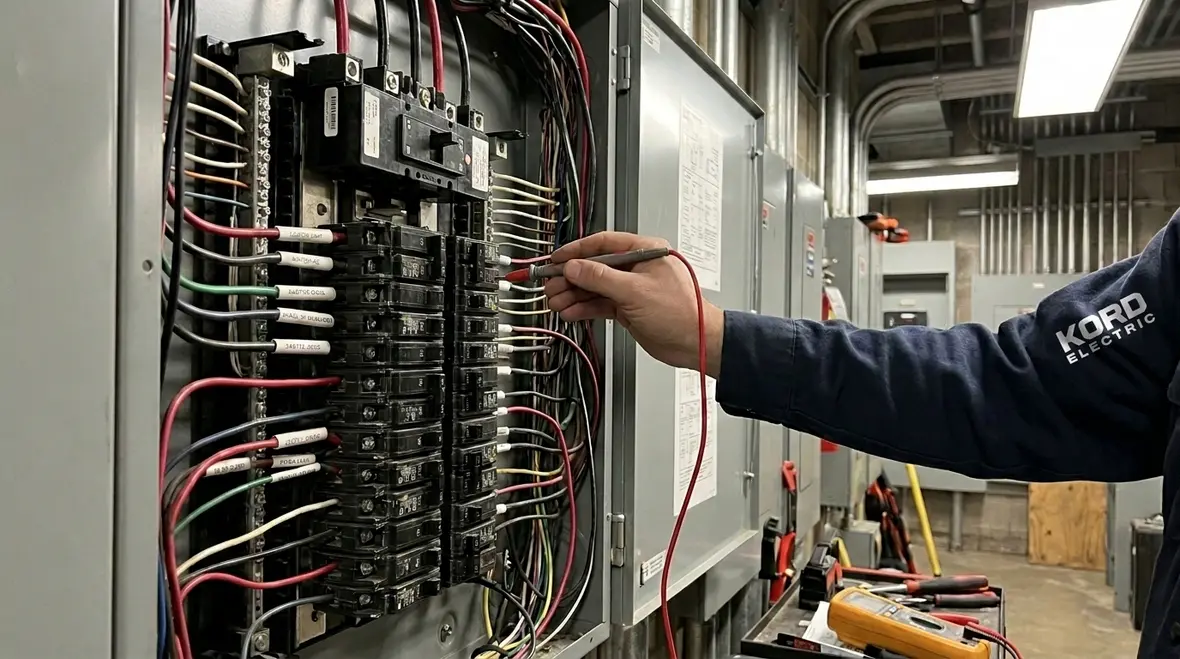
When we perform an assessment, our expert service staff will explain what they find during inspection. For example, a loose lug can create resistance. Resistance creates heat. Heat damages components. Then, the damaged components increase resistance even more. This cycle can escalate quickly in a busy building. Therefore, a facility may experience intermittent issues first, then steady failures later.
Furthermore, overload often interacts with other conditions. Corrosion in a humid environment can worsen connection quality. Harmonics from drives and modern equipment can increase effective heating. Poor grounding or bonding can add to voltage instability. So, while an undersized panel is frequently a driver, the root cause can be a combination of load, aging, and installation conditions that never got revisited.
And here is the pop culture truth: equipment does not “level up” just because someone hopes it will. It either has margin, or it does not. Our process makes margin measurable.
Why upgrading helps commercial and industrial operations
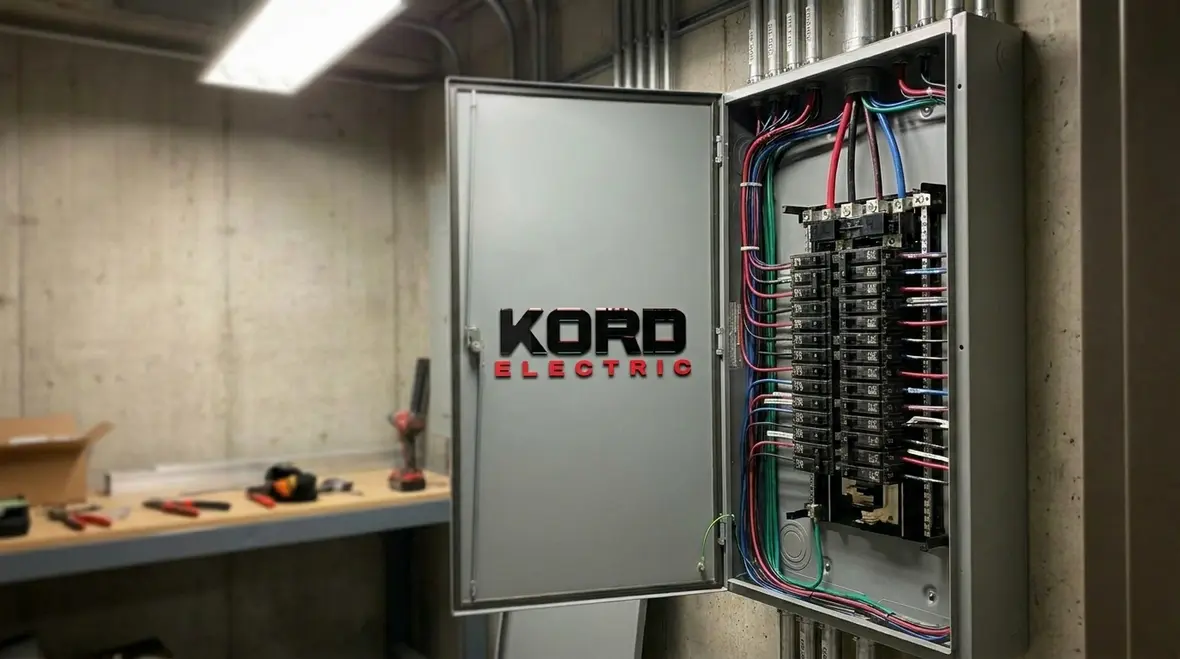
A capacity upgrade does more than increase available amps. It improves reliability across the building’s electrical ecosystem. First, the panel runs cooler under similar loads, which helps extend the life of breakers, bus systems, and terminations. Next, the facility gains the ability to add or support new equipment without forcing awkward workarounds. Additionally, upgrades can reduce nuisance trips that disrupt production schedules or tenant operations.
In a well planned project, we also align the electrical distribution with how the facility actually operates. For example, we can account for simultaneous demand events like air handler start cycles, motor ramp loads, and seasonal HVAC peaks. Then, we update the system so operations do not fight the electrical infrastructure. That means fewer unexpected interruptions and smoother daily workflows.
Our technicians consider safety, code alignment, and long term maintainability. And because commercial and industrial facilities carry real consequences for downtime, we work with schedules that respect operations. While the panel capacity upgrade is the visible solution, the real value is the operational stability that follows.
How we decide: load study, inspection, and a clear upgrade plan
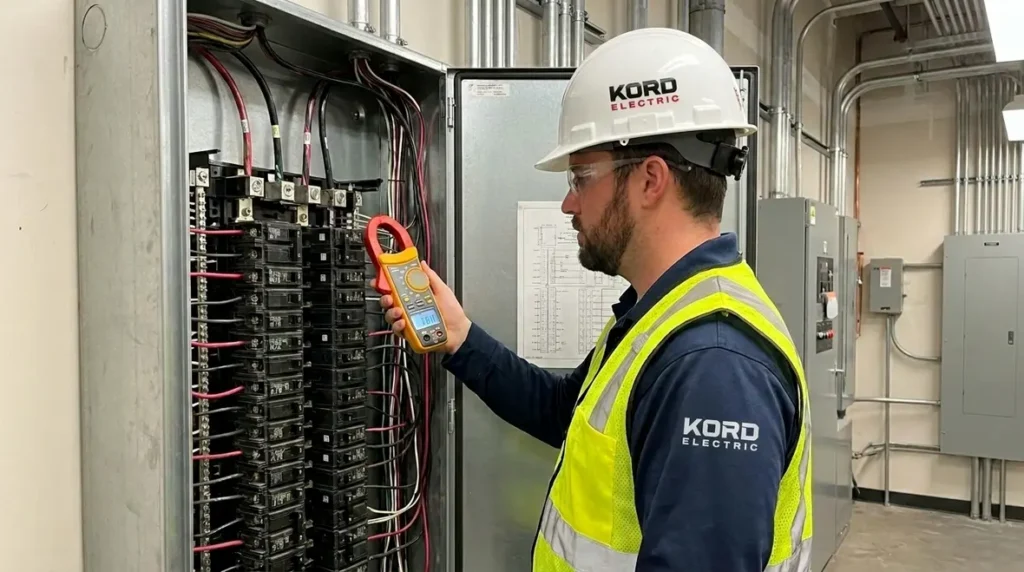
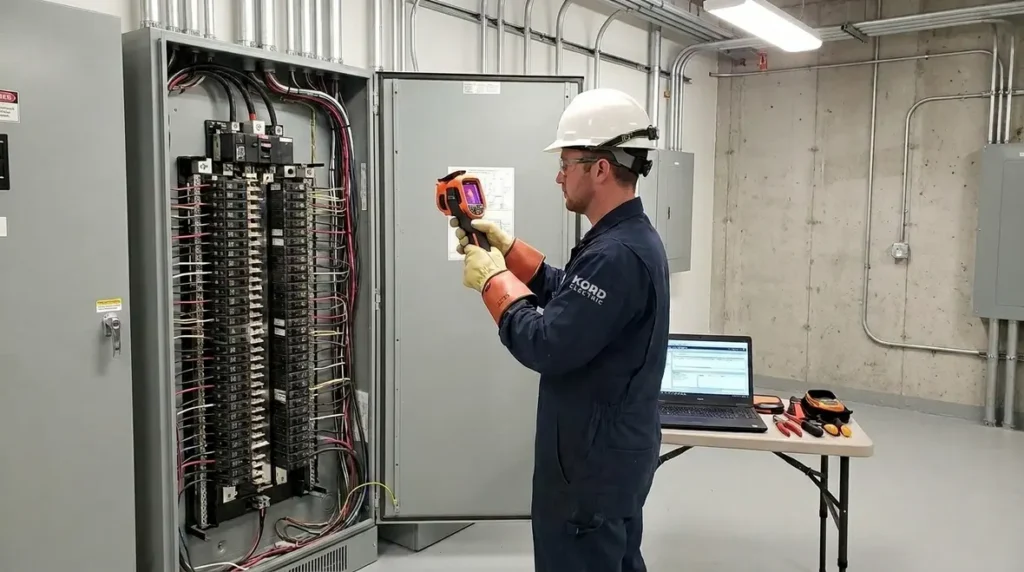
When clients ask about whether they need more capacity, we treat it like a professional investigation, not a sales pitch. Therefore, Kord Electric starts with an on site assessment and a careful review of existing conditions. Next, we conduct load evaluation and consider usage history. We also analyze breaker sizing, circuit counts, and the electrical equipment connected to the panel.
After that, our expert service staff explains the results in a way that supports action. We tell you what is driving the overload risk and what options fit your facility goals. Sometimes the right move involves a full commercial electrical panel capacity upgrade. Other times, targeted changes can reduce stress and rebalance distribution, but only after we confirm the cause. Either way, we keep the explanation clear and direct so you can choose the right path.
We also plan for what comes next. When a facility grows, it should not trigger another urgent scramble. So we discuss future equipment additions, tenant changes in major property buildings, and seasonal peaks that affect demand. In our experience, proactive planning beats reactive troubleshooting every time. One is calm. The other is like getting paged during dinner and pretending it is not happening.
If you are already wrestling with unstable power, pairing a capacity upgrade assessment with a review of voltage fluctuations in commercial and industrial facilities can give your team a fuller picture of what is happening across the system and what to fix first.
Common upgrade mistakes we help clients avoid
Some facilities rush into upgrades without fully addressing the underlying issues. First, they may increase panel capacity without checking terminations, bus condition, or breaker compatibility. Then, the new capacity simply delays the next failure. Another mistake is ignoring power quality factors like harmonics and voltage dips that can affect motors, controls, and modern equipment.
Also, some teams forget about the distribution side. If feeders, conductor ratings, or downstream components lack capacity, the panel upgrade alone will not solve the system bottleneck. Consequently, you can end up with a new panel and old problems, which feels like buying new tires for a vehicle with a misaligned frame. It might roll, but it will not last.
At Kord Electric, our approach remains methodical. We check the electrical “chain of custody” from the utility connection through the distribution layers, then we recommend changes that remove constraints rather than just adding more amperage. For some properties, that larger strategy may also include projects like rewiring aging commercial electrical systems so the upgraded panel is supported by equally capable infrastructure throughout the facility.
FAQ about panel overload and capacity upgrades
Final word from Kord Electric
If your commercial or industrial facility shows signs of electrical overload, waiting usually turns a manageable problem into an expensive interruption. Kord Electric helps you confirm whether a commercial electrical panel capacity upgrade is the right move through inspection, load evaluation, and a clear upgrade plan. Our technicians and expert service staff walk you through findings and options in plain language. Reach out today for an assessment, and let us bring calm back to your electrical system before the next breaker trip writes its own dramatic episode.
For properties planning broader improvements, a panel capacity project often pairs naturally with services like electrical preventive maintenance or targeted commercial and industrial lighting installation. That way, you are not only solving today’s overload issues, you are building a stronger, more resilient electrical backbone for everything your facility needs to power next.
If you are considering a commercial electrical panel capacity upgrade or need help diagnosing recurring electrical issues, our team is ready to help you design a practical, code aligned path forward that respects your schedule and your operations.