Commercial Lighting Control System Optimization
Maximizing Efficiency Through Commercial Lighting Control System Optimization
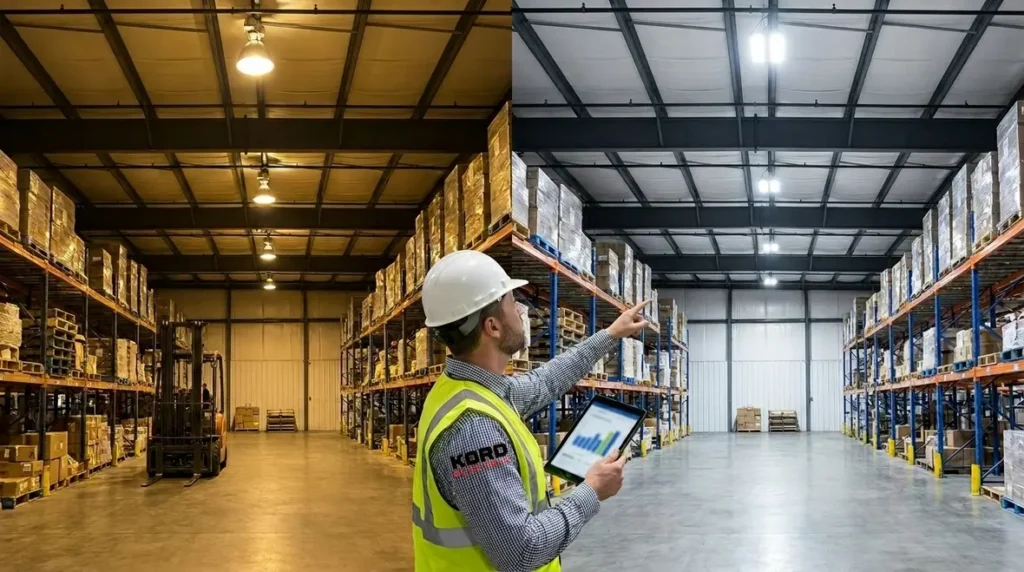
In commercial and industrial buildings, efficiency is not a slogan, it is a daily decision. At Kord Electric, we focus on Commercial lighting control system optimization that helps facilities cut waste, stabilize comfort, and improve uptime. Our team does not just “install and walk away.” Instead, we fine tune how lights behave across zones, schedules, sensors, and daylight strategies so the system performs like it was built for that exact building and not for some generic spreadsheet. And yes, we have seen systems that waste energy with the enthusiasm of a theatre spotlight pointed at a wall. We help correct that.
Why advanced control tuning matters in real buildings

Third person view, but let us speak plainly: commercial spaces often grow in complexity faster than lighting designs. Over time, tenants change, floors get remodeled, schedules drift, and sensors get blocked by new partitions or equipment. Consequently, the lighting system can keep following old assumptions long after the building has changed. That is where optimization earns its keep.
When we and our expert service staff review a site, we start with how the building actually runs. Then we compare that to how the controls are configured. After that, we identify the gaps. For example, occupancy sensors might keep dimming after the space becomes active because setpoints do not match real foot traffic. Alternatively, daylight harvesting might overcorrect if the building has glare or reflective surfaces that shift throughout the day.
In short, advanced control tuning aligns behavior with usage. And while this may sound like “turn it off and on smarter,” the difference is in the details: timing curves, calibration, zoning boundaries, and how the system responds when conditions change.
Optimization also helps buildings keep pace with evolving codes and performance expectations. Many California facilities discover that their older lighting control strategies no longer match current standards until an inspection or utility review brings it to the surface. A periodic optimization effort keeps the system aligned with real-world operation instead of outdated design assumptions.
For large properties and portfolios, these details compound quickly. A few misconfigured sensors on each floor can add up to thousands of hours of unnecessary run time per year. Tightening those behaviors is one of the fastest ways to reclaim savings without intrusive retrofits or disruptive construction work.
How our technicians audit efficiency without guessing
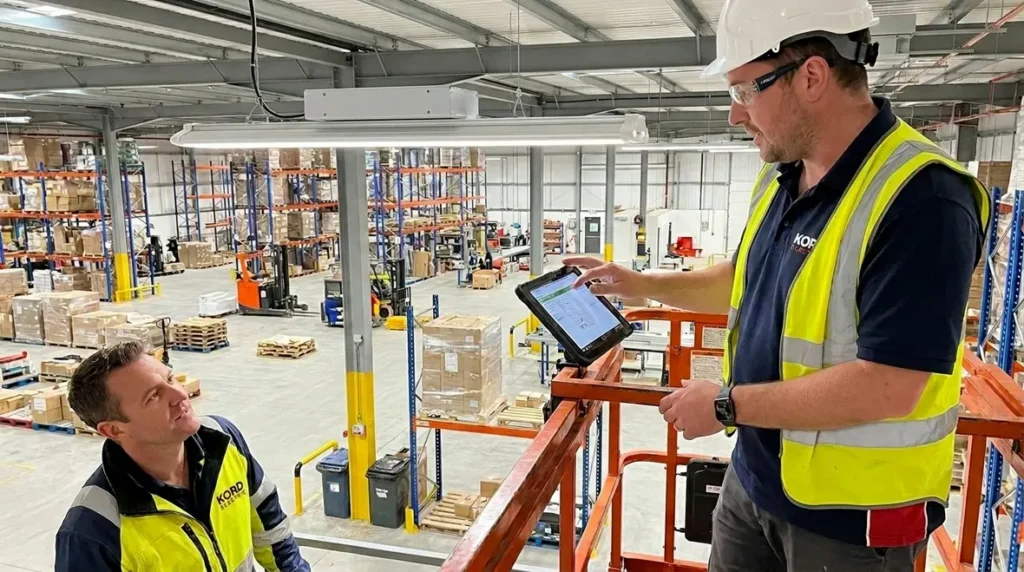
It is easy for anyone to claim they can “optimize.” However, optimization starts with measurement. Our technicians use a structured audit approach designed for commercial and industrial facilities, including major propertie buildings that need stable performance and predictable results.
First, we review the control sequence that was originally programmed. Next, we verify the current load behavior. Then we check whether sensors match the locations and fields of view they were intended to cover. After that, we evaluate schedules against how the building actually operates, including shift work, cleaning cycles, and after hours access.
To keep the process calm and clear, we also educate. When our expert service staff explains a finding, they explain what it means in plain terms. For example, if a zone is short cycling, we will show how the sensor logic and minimum dim levels create repeated switching. That kind of problem is like a sitcom laugh track that plays at the wrong time. You hear it, you notice it, and then you wonder why no one fixed it earlier.
During audits, we also compare the lighting control strategy to broader goals such as code compliance, safety, and equipment life. A system that barely passes inspection but constantly annoys occupants is not a success story. Our work looks at performance data, complaint history, and maintenance records so the final tuning supports both operational metrics and everyday experience.
For facilities that already track energy use closely, we integrate our findings with interval data or building analytics. That way, each optimization step can be traced to measurable changes in load profiles, demand peaks, and after-hours waste.
Advanced strategies we tune for consistent comfort

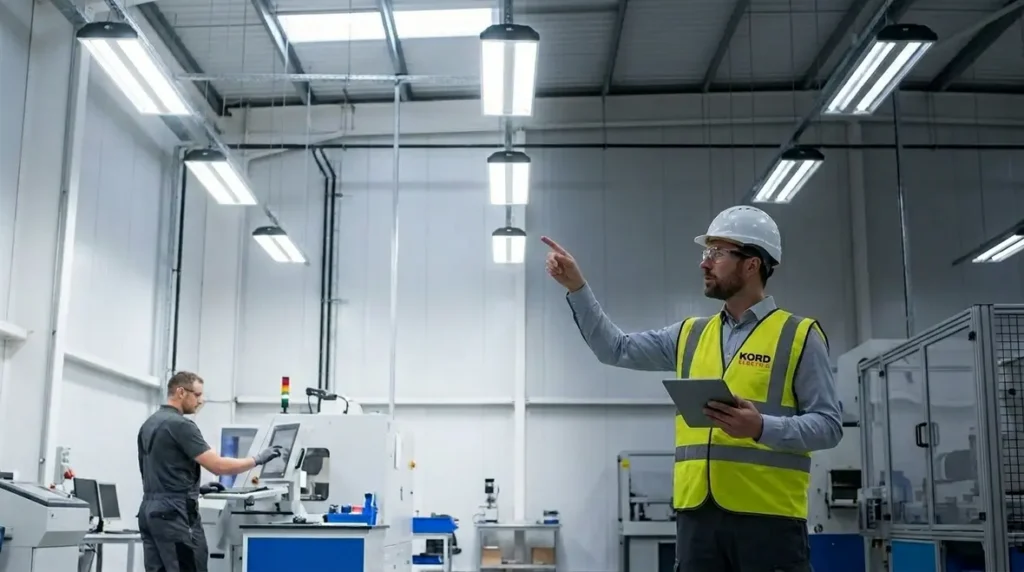
Commercial lighting control systems can do more than follow schedules. During our service, we optimize multiple strategies that work together, and we adjust them based on how people experience the space.
1) Occupancy and vacancy behavior We tune detection timing so lights respond quickly, but do not chase motion. In many industrial spaces, activity happens in bursts. Therefore, we adjust hold times and fade rates to prevent rapid dimming during normal workflows.
2) Daylight harvesting We optimize for actual daylight patterns, not just the “average” day. Sun angles change, and window tint, reflective floors, and exterior obstructions affect readings. Consequently, we calibrate setpoints and verify that glare does not trigger unwanted dimming.
3) Zoning and lighting group logic Large facilities need clear boundaries. When zones overlap or groups are misassigned, you get uneven illumination. Our team corrects group mapping so that the right fixtures respond to the right sensor inputs.
4) Minimum dim levels and system headroom Minimum levels affect both comfort and energy use. Too high and you waste power. Too low and people think the lights “feel broken.” We tune these levels to match the space purpose, from offices to manufacturing support areas.
And when somebody asks if the system can “just dim everything the same way,” we smile politely. Then we explain that buildings do not care about one-size-fits-all settings. They care about what happens at 2 p.m., under clouds, during shift changes, with equipment running in the background.
We also pay attention to how controls interact with other systems. In some facilities, lighting schedules tie into security, production lines, or conference room booking tools. A thoughtful Commercial lighting control system optimization effort respects those dependencies, so you do not fix one issue at the expense of another.
For property teams that want deeper resilience, we can pair lighting strategies with broader infrastructure planning. For example, facility managers who are already reviewing backup power, UPS systems, and distribution layouts often find it helpful to study how lighting behavior affects overall load shape. For a more infrastructure-focused view, many clients also explore resources like Kord Electric’s Data Center Electrical Infrastructure Essentials article, which dives into uptime, redundancy, and electrical system discipline at scale.
Reducing energy waste with smarter setpoint management

Energy savings often come from managing setpoints and reducing unnecessary transitions. In practice, many facilities lose savings through configuration drift. A control panel gets updated, a sensor gets replaced, or a zone gets re-labeled, and suddenly the behavior shifts.
Our approach focuses on Commercial lighting control system optimization through setpoint discipline. That means we establish clear baselines for normal operation, then track deviations. We also validate that the system enforces the intended hierarchy. For instance, occupancy should override schedule when the building is in use. Yet daylight harvesting should still influence output so that the system avoids full power when daylight covers the need.
We also examine escalation logic. If the system does not handle transitions smoothly, it will over-respond and then correct again. Those cycles waste energy and can shorten component life. Therefore, we tune fade curves and sensor response to keep changes gradual and predictable.
For major propertie buildings, we pay extra attention to coordination across floors and common areas. Lobby lighting might follow one schedule pattern, while parking structures follow another. Yet guests and staff move between them, so the handoff matters. A good handoff feels invisible. A bad one feels like walking into a room that is still buffering.
Setpoint management also plays a direct role in demand control and utility cost management. Facilities that participate in demand response programs or watch peak intervals closely can leverage optimized lighting behavior as a flexible tool. Instead of blunt shutoff events that frustrate occupants, we help design controlled, staged responses that trim load while keeping spaces functional.
When these strategies are combined with modern LED upgrades or broader retrofit efforts, the savings multiply. If you are already exploring fixture changes and system redesign, guides like Kord Electric’s Commercial Lighting Upgrade Cost Guide can help frame how controls fit into the overall investment picture.
Keeping controls reliable with commissioning and ongoing service

Optimization does not end after commissioning. For commercial and industrial facilities, the winning strategy is ongoing service that maintains accuracy as the building evolves. Our expert service staff schedules follow ups based on how the facility uses the spaces, the presence of seasonal daylight changes, and the pace of tenant or equipment updates.
During commissioning, we verify that each sensor reads correctly, each lighting group responds as expected, and each control scene matches the design intent. After that, we monitor for common issues like misalignment, damaged sensors, and software configuration drift. We also review alarms and logs to spot patterns early. Then we correct them before they become comfort complaints or maintenance emergencies.
Just as importantly, we document what we changed and why. That documentation helps the next technician or facilities manager act quickly. In other words, we do not just fix today. We help protect tomorrow.
For mission-critical or code-sensitive properties, Commercial lighting control system optimization is often paired with structured electrical preventive maintenance programs. Kord Electric’s Electrical Preventive Maintenance services support broader reliability goals, from Title 24 lighting checks to emergency lighting testing and thermal inspections.
That combined approach means lighting controls are not treated as “set it and forget it” add-ons. Instead, they become an integrated part of how the facility protects uptime, manages risk, and plans for future upgrades.
Commercial lighting control system optimization for demanding facilities
Commercial and industrial buildings include different risks and priorities than smaller projects. Facilities managers care about uptime, safety, and predictable outcomes. Therefore, we optimize controls in a way that supports maintenance realities, not against them.
For industrial environments, our work considers vibration, dust, and changing layouts. For office and mixed use floors inside major propertie buildings, we focus on occupant comfort and consistent illumination across zones. For multi tenant operations, we help keep control intent aligned with tenant schedules and building standards.
We also plan around how staff actually manage lighting. If a facility wants manual overrides during events or shift transitions, we configure overrides so they do not undo energy saving settings permanently. We help the system stay in control, even when people are busy. That is the difference between automation that feels helpful and automation that feels like a remote with a mind of its own.
In multi-building campuses or large portfolios, we can standardize lighting control philosophies so each property follows a familiar playbook. That makes it easier for facility teams to move between sites, read trend data, and apply lessons learned from one building to another without relearning the entire interface each time.
For projects involving rewiring, major distribution upgrades, or panel consolidation, lighting controls become part of a larger story about system health and long-term planning. Property leaders reviewing those decisions often find it useful to explore guidance like Kord Electric’s Rewiring Cost Guide for Commercial Electrical Systems, which explains how infrastructure changes and control strategies work together across a facility’s lifecycle.
FAQ: Commercial lighting control optimization
Ready to optimize your lighting controls with Kord Electric?
If your commercial or industrial facility needs steadier comfort and smarter energy use, we are ready to help. Kord Electric brings expert technicians and a disciplined process for Commercial lighting control system optimization that improves how controls respond across zones, schedules, and daylight. Contact us to schedule an audit for your property. We will review what you have, explain what is happening in plain language, and optimize for the way your building runs. Let us make your lighting behave like it should from day one.
For owners and facility teams planning broader improvements, Kord Electric also provides dedicated commercial lighting and maintenance services that support long term reliability. Explore options like structured Electrical Preventive Maintenance or project-specific solutions such as Recessed Lighting Installation to align your control strategy with the rest of your electrical infrastructure.