
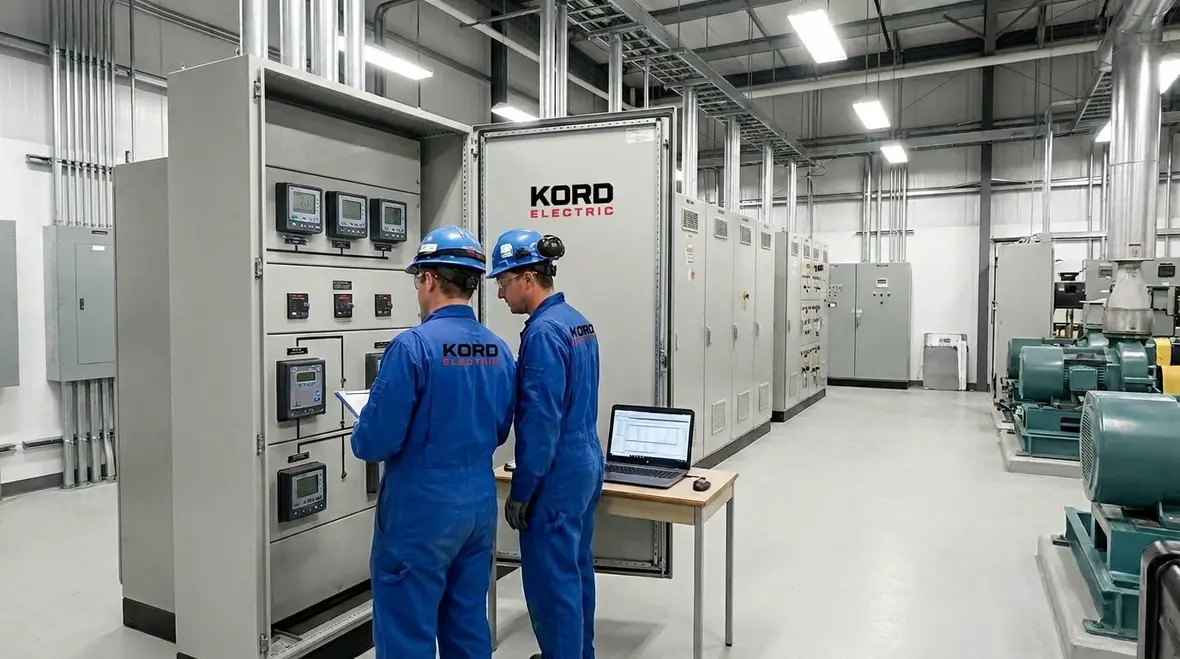
Industrial Facility Electrical Load Management Tips
Industrial Facility Electrical Load Management That Scales With Your Operations
At Kord Electric, we help commercial and industrial leaders protect uptime while they grow. In this article, we explain industrial facility electrical load management best practices that support scaling for expansion, new production lines, HVAC upgrades, and electrification projects. We do not treat electrical planning like a “set it and forget it” hobby. Instead, we build a practical approach that keeps service reliability high and surprises low.
And yes, if you have ever watched a building manager stare at a demand chart like it is a mysterious fortune cookie, you are in the right place. Industrial electrical systems can feel dramatic, but our process makes them behave.
Start With Real Data, Not Guesswork
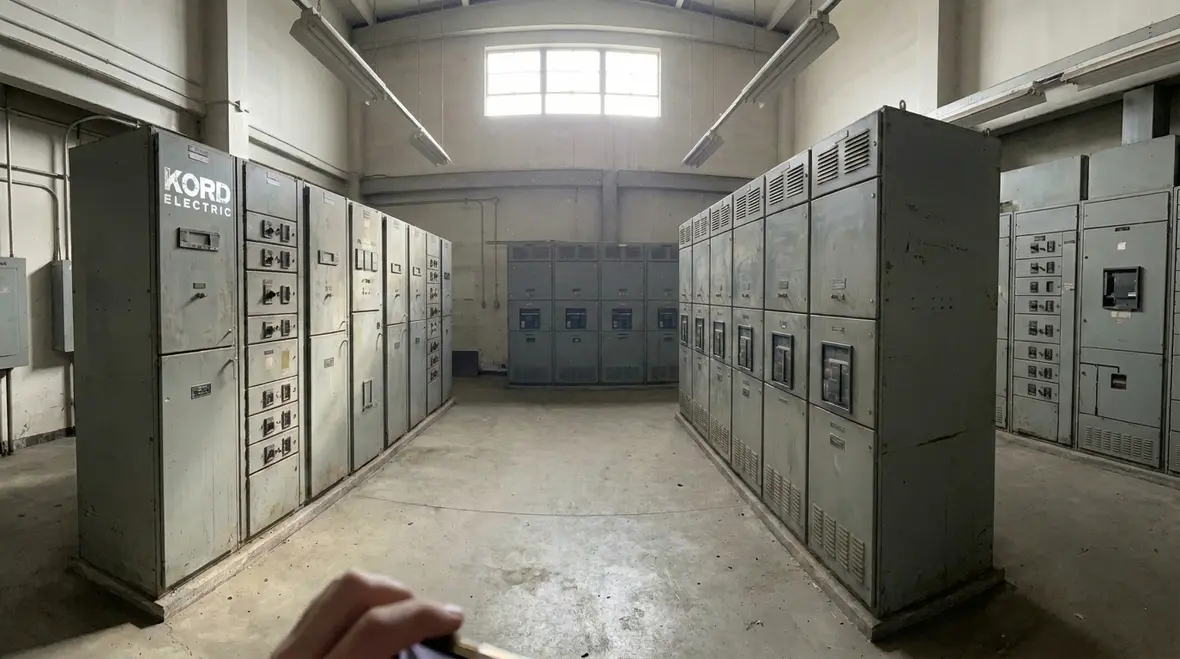
Before we recommend any load strategy, our team gathers the truth from your site. We use load profiles, utility data, and operational schedules to see how your facility actually behaves during peak demand hours, start up events, and seasonal swings. Then we compare that to the equipment list, circuit behavior, and historical alarms. This step matters because load planning based on nameplate values alone can mislead teams and waste money.
Next, we map critical processes to electrical sources. For example, we identify which loads must run during production, which loads can shed, and which loads can shift time without breaking the workflow. As a result, industrial facility electrical load management becomes a decision tool, not a guess. Also, our technicians explain what they find in plain language while walking you through the logic, so your leadership team knows exactly why each recommendation fits your risk level.
We also look at how your facility’s real-world profile compares to other large commercial and industrial properties we support through structured maintenance programs. When we see patterns that match issues like voltage fluctuations or chronic overloads, we can design a load plan that fixes root causes instead of just chasing symptoms.
Build a Load Management Plan That Controls Peaks

Scaling for growth usually means more equipment, more pumps, more motors, and more automation. However, the utility bill and the electrical stress often spike at the worst possible times. Therefore, we design a load management plan that reduces peak demand and stabilizes electrical loading.
First, we evaluate demand response options and time based control. Even simple controls like delaying non critical processes can flatten peaks. Meanwhile, we recommend smarter motor and pump strategies, such as soft starters where appropriate, VFD tuning, and load sequencing. When these choices align with process needs, industrial facility electrical load management becomes smoother, and your switchgear and feeders take a calmer ride.
Then, we set clear rules for load priority. Our expert service staff helps facilities define what gets protected, what gets reduced, and what can pause. This reduces the “everyone panics at once” scenario during a high demand event. In other words, you stop letting the electrical system improvise like it is in a late night comedy show.
We often align these rules with broader facility goals, such as LED retrofit projects or lighting control upgrades that reduce baseline load. When your lighting installation, process equipment, and building systems are all part of one coordinated plan, peak demand feels less like a surprise and more like a number you are steering on purpose.
For facilities that are planning EV charging, kitchen upgrades, or new automation, we also look several steps ahead. A thoughtful industrial facility electrical load management plan includes a roadmap for future breakers, feeders, and panels, so each new project fits into the picture instead of overwhelming it.
Preventive Maintenance Keeps Capacity From Slipping Away

Capacity does not only depend on the utility connection. It also depends on how your electrical system ages. Dust, heat, loose connections, and component wear reduce efficiency and can accelerate failures. That is why preventive maintenance plays a direct role in industrial facility electrical load management.
Kord Electric supports this with an approach aligned to our electrical preventive maintenance program. We focus on inspections, testing, and condition based checks that catch issues before they turn into outages. For example, we verify breaker performance, inspect terminations, test protective devices, and review thermal performance indicators. As we improve system health, we preserve the actual usable capacity of your distribution equipment.
In practical terms, well maintained conductors and connections reduce voltage drop and heat rise. Consequently, motors run closer to expected efficiency and the facility avoids hidden energy waste. Our technicians also explain what they observe during visits, including what failed, what is trending, and what to schedule next. You get decisions that feel informed, not hopeful.
For large campuses and industrial environments, we often integrate preventive maintenance findings directly into load management adjustments. When a transformer or feeder is approaching its limits, we flag it early, then update sequencing rules, start-up routines, or project plans so capacity stays ahead of demand instead of constantly chasing it.
Use Coordination and Protection Settings to Avoid Unplanned Trips

When facilities add loads, protective devices must work as a team. If settings and coordination drift over time, the result can be nuisance tripping, delayed fault clearing, or worse, improper protection during a fault. Therefore, we review coordination across the distribution system before and after major upgrades.
We examine relay settings, breaker types, and time current characteristics. Then we simulate likely scenarios such as motor starting surges, single phasing events, and bus faults. After that, we align protection schemes with the actual load profile and fault levels of the facility.
Next, we validate how the controls respond under real operating patterns. This helps facilities avoid a common growth problem: adding equipment, then learning the hard way that protection was tuned for an earlier world. Our expert service staff makes these changes clear and documented, so your team does not have to translate electrical engineering in the middle of an emergency. Nobody wants that. It is not a fun group project.
For industrial facility electrical load management, good protection also supports uptime during abnormal events. When the right device trips first and clears a fault quickly, the rest of the system stays online. That difference between a localized outage and a facility-wide shutdown is often measured in minutes of careful coordination work long before anything goes wrong.
Plan Expansion With Power Quality and Efficiency in Mind
Load management does not end at demand peaks. It extends into power quality, efficiency, and the impact of harmonics from drives and modern electronics. When a facility scales, harmonic distortion can rise, and that can cause overheating, nuisance alarms, and equipment stress.
For industrial facility electrical load management, we assess total harmonic distortion, voltage stability, and steady state performance. We also evaluate reactive power and potential issues related to motor loads, capacitor banks, and switching patterns. Then we recommend corrective steps that fit the site, such as harmonic mitigation where needed and capacitor control strategies that match the operating schedule.
In addition, we look at the operational side of the electrical system. We align maintenance planning and equipment changes with production realities. As a result, teams can electrify without turning the electrical room into a revolving door for troubleshooting calls. And when managers ask, “Will this work when we run at full speed,” our technicians walk them through the reasoning in a way that feels grounded and calm.
This planning mindset becomes even more important when facilities take on projects like commercial lighting upgrades, EV charger installations, or commercial kitchen electrical remodels. Each of those initiatives affects power quality and load shape in different ways. We help integrate them into a single, coherent electrical strategy instead of treating them as isolated jobs.
Track Performance With KPIs and Clear Reporting
Once the system is optimized, the facility should track results. Otherwise, progress turns into a vague memory, like last year’s holiday playlist. So we help clients define key performance indicators that measure electrical health and load control outcomes.
Typical KPIs include demand reduction at peak windows, transformer and feeder thermal indicators, nuisance trip counts, voltage drop metrics, and power factor trends. We also track maintenance effectiveness, such as the number of issues found during preventive work versus corrective work. This gives leadership a measurable view of reliability and cost control.
Then we provide reporting that makes sense to facility teams. We summarize what improved, what needs attention, and what supports the next phase of growth. Through consistent monitoring, industrial facility electrical load management becomes an ongoing program rather than a one time project.
For many commercial and industrial facilities, these KPIs also connect back to broader asset strategies. When you can show that a preventive maintenance plan, a lighting installation project, or a targeted voltage correction reduced trips and stabilized loads, it becomes easier to justify the next round of smart investment.
FAQs for Commercial and Industrial Facility Teams
How Kord Electric Helps Facilities Stay Ahead of Growth
Scaling should not mean constant electrical surprises. Kord Electric builds practical industrial facility electrical load management plans for commercial and industrial facilities, then supports them with preventive maintenance, protection coordination, and performance tracking. Our technicians and expert service staff explain each step clearly, so your team understands the “why” behind every recommendation. If you are planning expansion, electrification, or major equipment changes, call Kord Electric now to schedule an electrical load and reliability assessment for your facility.
We also help you connect load planning to real projects on the ground. Whether you are exploring a commercial and industrial lighting installation, addressing voltage fluctuations in commercial and industrial facilities, or upgrading critical spaces like kitchens and EV charging areas, we treat each project as part of one unified system instead of a collection of disconnected jobs.
FAQ
How soon should we start load planning?
Start early, ideally during the planning phase for new equipment, before schedules lock in and utility decisions become harder.
Do you work with major property buildings and industrial sites?
Yes. We focus on commercial and industrial facilities and major property buildings with real operational needs.
Will you provide documentation for decisions and maintenance scheduling?
Yes. We deliver clear findings and next steps so your facility team can plan confidently.
Put Industrial Facility Electrical Load Management To Work For Your Site
Industrial facility electrical load management is not a one-time exercise. It is an ongoing discipline that connects data, protection, maintenance, and project planning into one practical roadmap. When that roadmap is built on real measurements instead of guesswork, your facility gains the freedom to grow without wondering whether the next upgrade will break something important.
If you are reviewing future expansion, planning an electrification project, or simply tired of unexplained trips and uneven loading, Kord Electric can help you move from reactive fixes to a stable, scalable plan. From structured electrical preventive maintenance to specialized services like lighting installation for commercial and industrial facilities, our team focuses on keeping your operations reliable while you grow.
Start where it matters most: with a clear picture of your loads, risks, and options. Then build a plan that respects both the physics in your panels and the reality of your production schedule. When those two worlds line up, electrical systems stop acting like a mysterious fortune cookie and start behaving like the dependable backbone of your business.


