Commercial Electrical Panel Heat Mitigation Guide
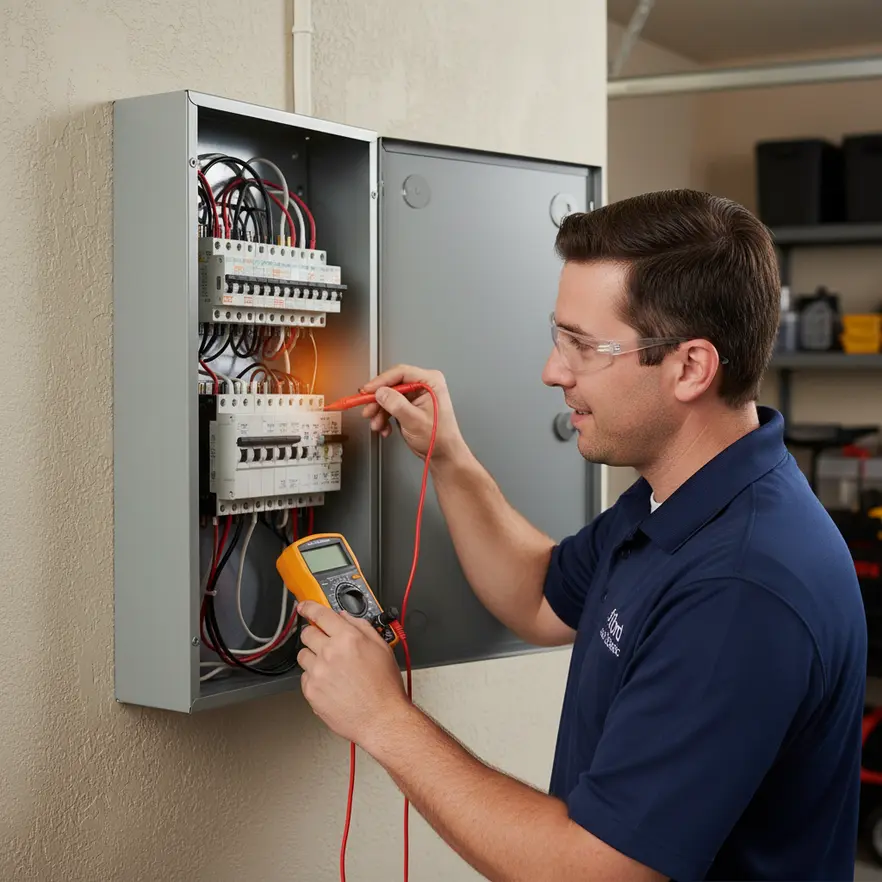
Kord Electric uses commercial electrical panel heat mitigation to spot thermal problems early, before they grow teeth and bite the entire operation. In commercial and industrial facilities, heat does not show up politely. It builds quietly, then it escalates: bus bars overheat, breakers loosen, insulation ages faster, and failures start to look inevitable. And while nobody wants to plan for downtime, we know that the smartest approach is prevention.
Now, other companies may treat heat like a seasonal issue, like a “summer problem” that goes away with better weather. We do not. We send expert technicians into major property buildings, data center spaces, and other critical commercial sites to identify and correct thermal issues in electrical panels before failure strikes. And yes, we will explain what we see in plain language, because your staff deserves answers, not a mystery novel.
Recognize thermal rise before the panel starts to scream
Thermal issues in electrical panels rarely start with dramatic flames. Instead, they begin with subtle temperature rise at specific locations. Therefore, a panel can feel “fine” during a casual walk through, yet still be running above safe limits at the terminals, where resistance turns electricity into unwanted heat.
At Kord Electric, our expert service staff approaches this as a pattern problem, not a one time event. We look at where heat concentrates, how it changes under load, and whether the heat matches known risk areas such as breaker connections, bus bar interfaces, and neutral paths. In many commercial settings, loads shift throughout the day. Consequently, the panel may run hottest during peak periods, even if it looks normal at night.
To keep things practical, we compare conditions across similar feeders and phases. Then we confirm findings with proper testing methods. We also document temperature trends so the facility team can make informed decisions instead of guessing.
What causes overheating in commercial panels that serve big loads
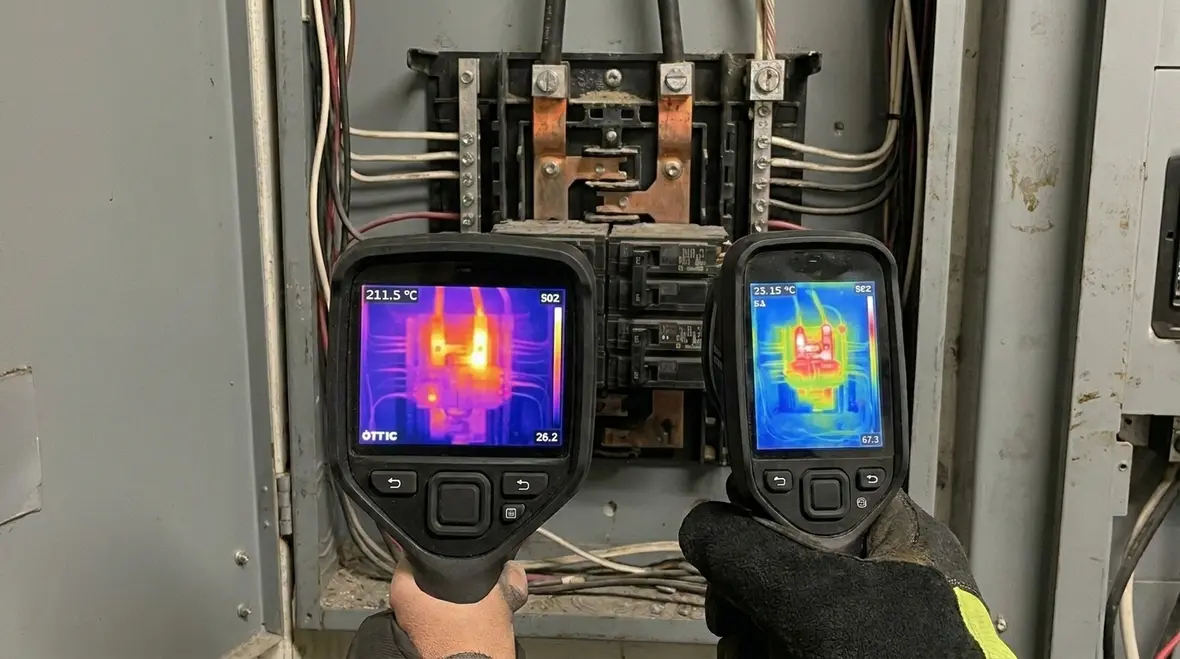
Thermal problems usually come from a few repeat causes. First, loose or damaged connections add resistance. Next, corrosion or oxidation increases contact resistance. Also, panel design limits may get exceeded if the system serves more demand than it was meant to handle, especially as facilities add equipment over time.
Another common driver is poor terminations made during installation or later modifications. Over time, vibration, thermal cycling, and minor movement can worsen an already weak connection. In addition, harmonics from certain loads can raise heat in conductors and neutrals, which matters a lot for commercial buildings with large electronics, variable frequency drives, or dense power loads.
And just in case someone thinks “heat only affects the hottest components,” we remind teams that heat travels. When one connection runs hot, it can heat nearby insulation, shift torque on adjacent hardware, and accelerate failure across the assembly. In other words, one bad connection can turn the panel into a slow burning drama. It just does not ask permission.
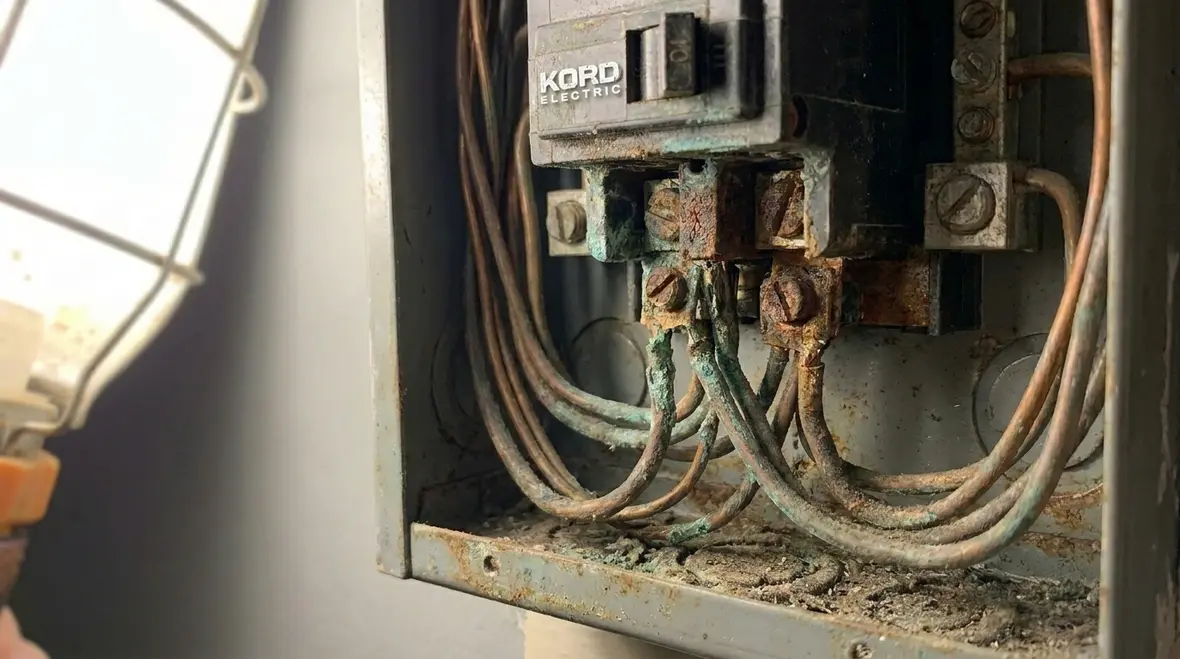
How our technicians troubleshoot thermal issues without guesswork
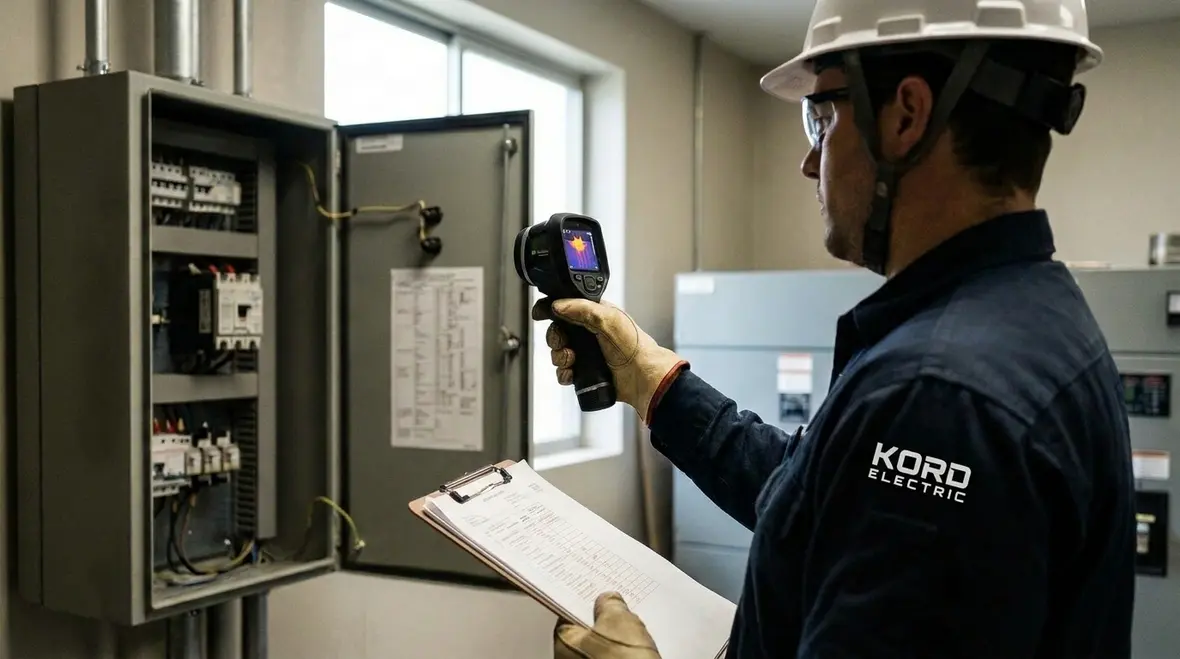
When Kord Electric technicians arrive on site, we do not start by swapping parts like a game show prize wheel. Instead, we follow a methodical process. First, we review the facility’s electrical layout, panel schedule, and recent changes. Then we assess load patterns and operating conditions during peak and non peak periods.
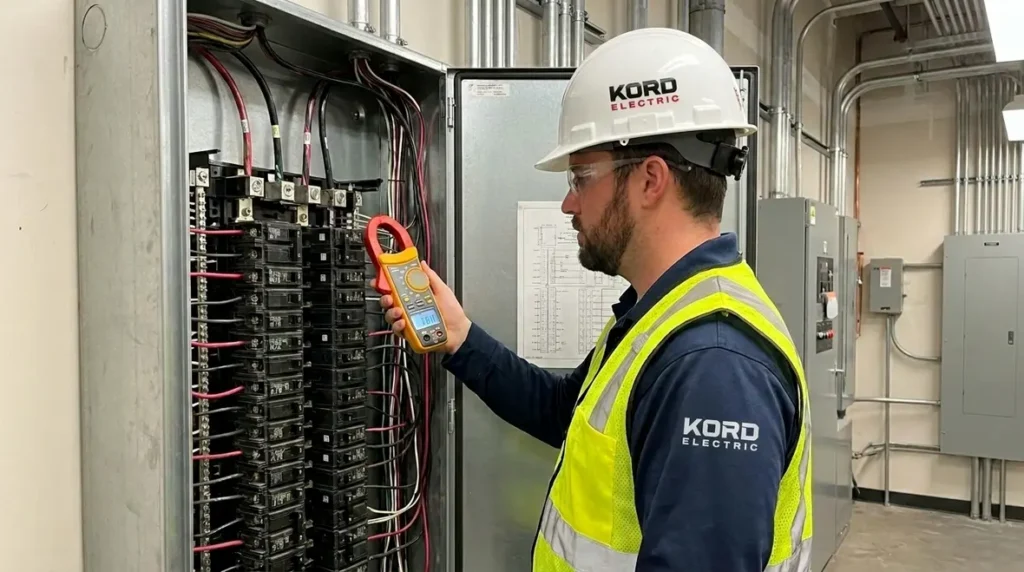
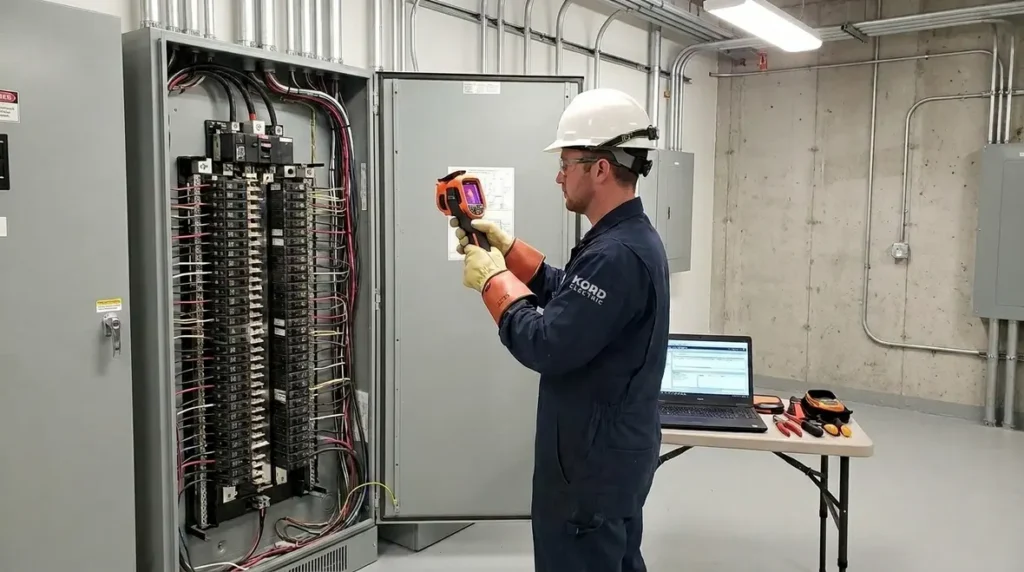
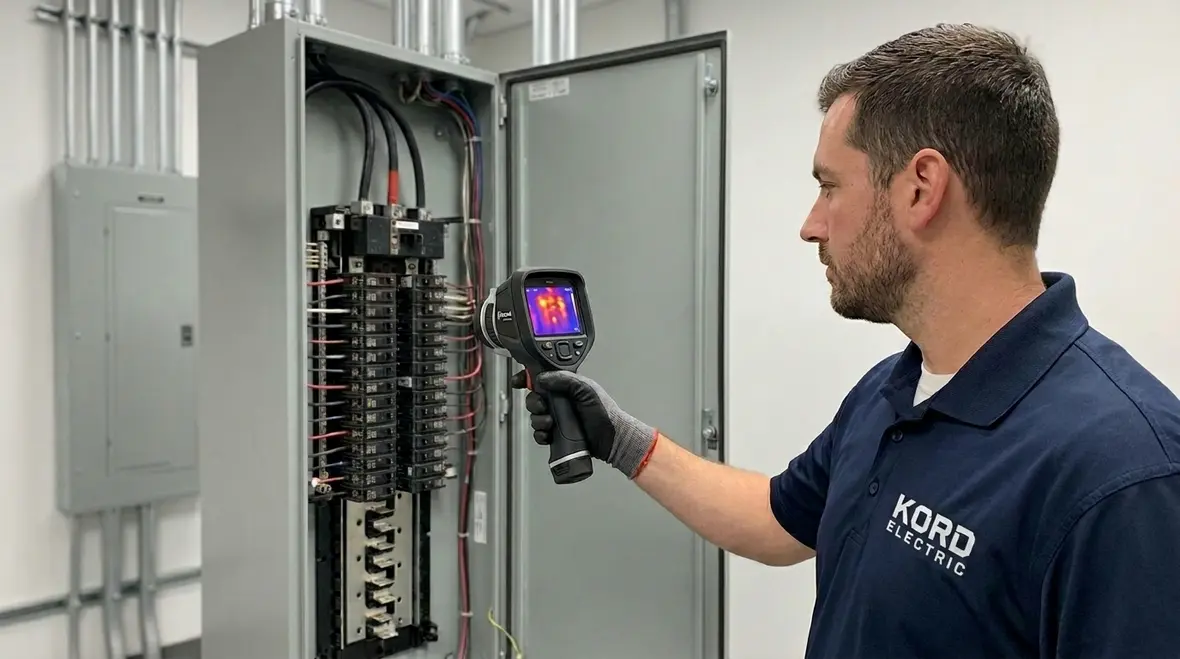
Next, our team focuses on thermal mapping and targeted inspection. We check for telltale signs that can align with heat: discoloration, oxidation at terminations, uneven torque marks, and signs of moisture exposure. After that, we evaluate whether the issue appears isolated or systemic. Is it one breaker, a group of feeders, or the whole distribution section? That answer shapes the repair plan.
Finally, we confirm the fix and verify the panel returns to a safer operating range. Therefore, we avoid the classic mistake of treating the symptom and ignoring the root cause. Our technicians explain the “why” as they work, so the facility manager and maintenance lead understand what to watch for later.
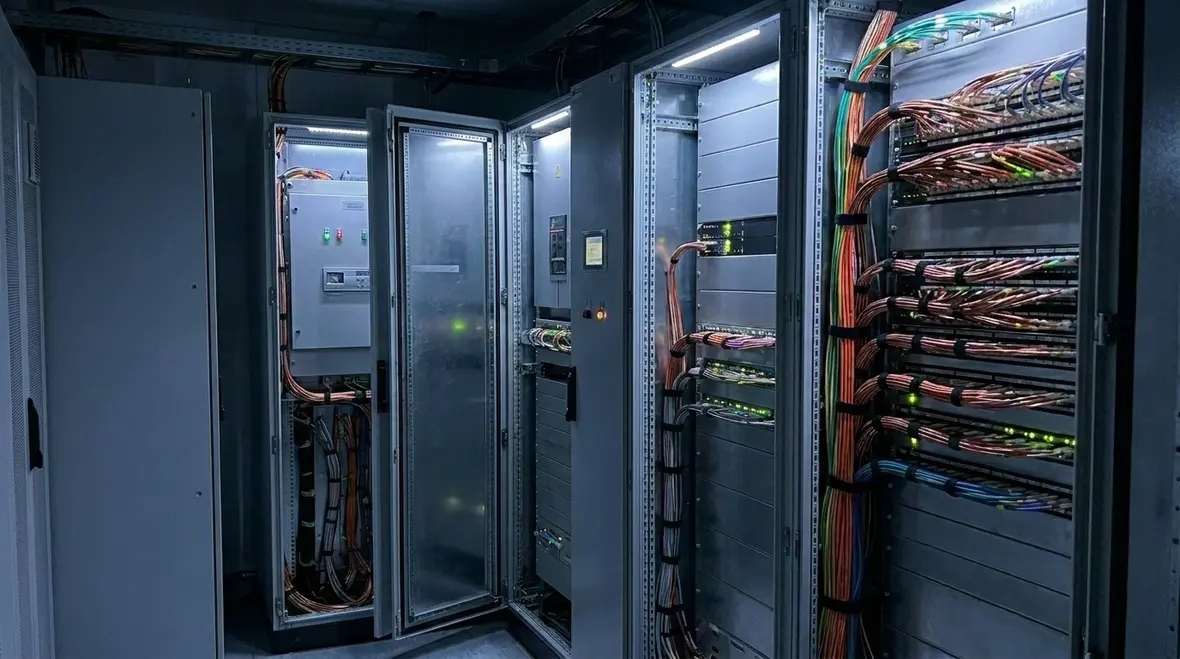
Data center and major property panels: thermal risk is not optional
Commercial data centers and major property buildings operate under tight uptime expectations. As a result, thermal issues do not get the luxury of waiting until the next scheduled shutdown. Instead, heat mitigation becomes part of reliability.
From our perspective, thermal risk grows when systems expand faster than maintenance plans. For example, when new racks, cooling loads, or power distribution upgrades are added, some panels may end up serving higher sustained loads. Meanwhile, overlooked changes to neutral currents or grounding pathways can add heat in unexpected parts of the panel.
If you look at the essentials of data center electrical infrastructure, you see a clear theme: power systems need stability, monitoring, and disciplined upkeep. Our blog on data center electrical infrastructure essentials emphasizes how critical it is to manage the whole environment, not just the breaker label on the door. In the field, that means thermal checks, connection health, and load balance belong in the same conversation.
So, in these settings, we prioritize early detection. We also coordinate with facility staff to minimize disruption, because downtime in a mission critical building never stays “small.” It always costs more than people plan for.
Preventive heat mitigation steps that protect your uptime
After we identify the cause, we act quickly and correctly. Our preventive approach typically includes connection verification, torque correction, and repair of damaged components. In many commercial electrical panel heat mitigation plans, we also address airflow and panel cleanliness, because heat needs a path to move away from critical parts.
However, the work does not stop at cleaning and tightening. We also review loading and distribution to reduce stress on the panel. If one branch runs far above others, we help the facility team redistribute loads when feasible, or plan an upgrade before the panel becomes a bottleneck.
Additionally, we recommend thermal inspection intervals tied to risk level. Facilities with heavy load swings, frequent equipment changes, or known power quality issues benefit from more frequent checks. Meanwhile, the facility team gets a simple report format that highlights where heat is present and what actions we took.
And if anyone asks, “Will this really make a difference?” our answer is steady. When a panel operates cooler at the connection points, insulation lasts longer and failures slow down. Reliability stops being a hope and starts being a plan.
Common warning signs maintenance teams can spot quickly
Some thermal issues stay hidden, yet others show up with clear signals. Therefore, maintenance teams can watch for a short list of practical indicators. You might notice a breaker that feels warmer than nearby devices. You might see faint discoloration around a termination point or a panel cover that carries heat more than usual.
Also, systems may show rising nuisance trips, especially under load. Sometimes, a panel will run at higher ambient temperature due to clogged vents, blocked airflow, or a cooling imbalance in the electrical room. Furthermore, if you hear unusual buzzing or popping sounds, do not “wait and see.” That can point to loose connections or arcing activity.
Now, we will say this in a friendly way: if a panel is acting weird, it usually is. Do not treat electrical problems like a sitcom. They do not resolve themselves after one commercial break.
When Kord Electric evaluates these signs, we connect the dots to thermal causes. Then we share our findings with the facility team in plain terms, so the next step is clear.
FAQ for thermal issues in commercial electrical panels
Next steps: protect your panels before the next outage
If thermal issues sit in your commercial electrical panels, the cost shows up later as failures, downtime, and rushed repairs. Kord Electric helps you prevent that story. Our technicians identify heat patterns, explain the findings clearly, and apply commercial electrical panel heat mitigation steps that address the root cause, not just the visible symptom.
Reach out to us for an on site evaluation and a practical plan for your facility. We will work with your schedule and keep your operation moving, steadily and safely. For facilities that want thermal checks woven into a broader strategy, our electrical preventive maintenance services integrate inspections, documentation, and risk reduction into one program built for commercial and industrial operations.
Whether you manage a data center, a major property portfolio, or a single high value facility, keeping your panels cool under pressure is not optional. It is the backbone of uptime, safety, and predictable operations.
If your team is also planning lighting upgrades or panel related improvements as part of a broader project, our lighting installation services help align electrical loads, visibility, and code compliance so thermal performance and lighting performance support each other instead of working at odds.
When you are ready to move from “we hope it holds” to “we know it is under control,” it is time to put a commercial electrical panel heat mitigation plan in writing and on the calendar.