Commercial Electrical Panel Load Balancing Guide
Proper Commercial Electrical Panel Load Balancing is one of those quiet upgrades that keeps a commercial building running like a well tuned engine. When loads share the work, electrical components stay cooler, breakers trip less often, and critical systems keep their rhythm. At Kord Electric, we explain this in plain terms and then we prove it in the field with careful testing, disciplined maintenance, and expert technician work that does not cut corners. And yes, we do talk through the process while we work, because downtime is expensive and confusion is just a hidden invoice. Others can sell anxiety. We prefer to sell stability.
What load imbalance does to a commercial panel
In a commercial or industrial facility, electrical panels often feed mixed loads: HVAC systems, lighting, pumps, refrigeration, elevators, IT rooms, and the many plug in surprises that tenants swear “were temporary.” Over time, those demands rarely stay evenly distributed. So, certain circuits carry more current than others, which creates heat where heat should not exist.
When one phase or group of breakers runs heavier than the rest, the panel experiences higher thermal stress. That stress speeds up insulation aging, loosens connections, and can push components toward failure. Meanwhile, the rest of the panel feels “fine,” which tricks people into delaying action. Then, on an ordinary day that feels like it should not be ordinary, a breaker trips or a busbar connection fails. That is not bad luck. That is imbalance showing up like a villain with a name tag.
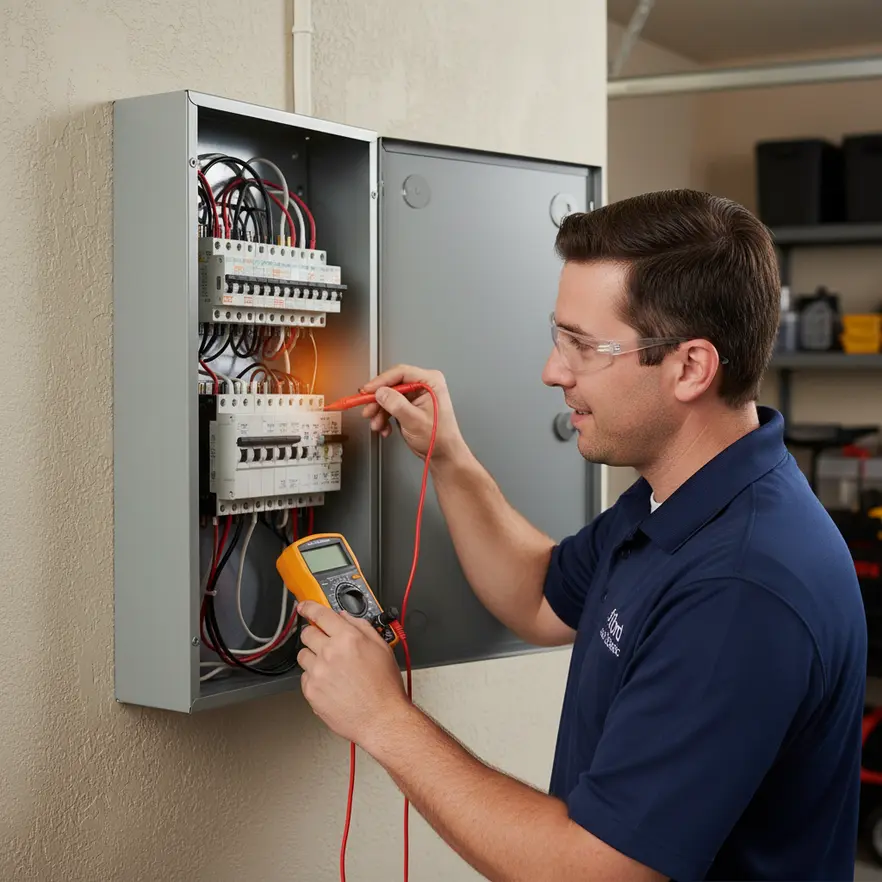
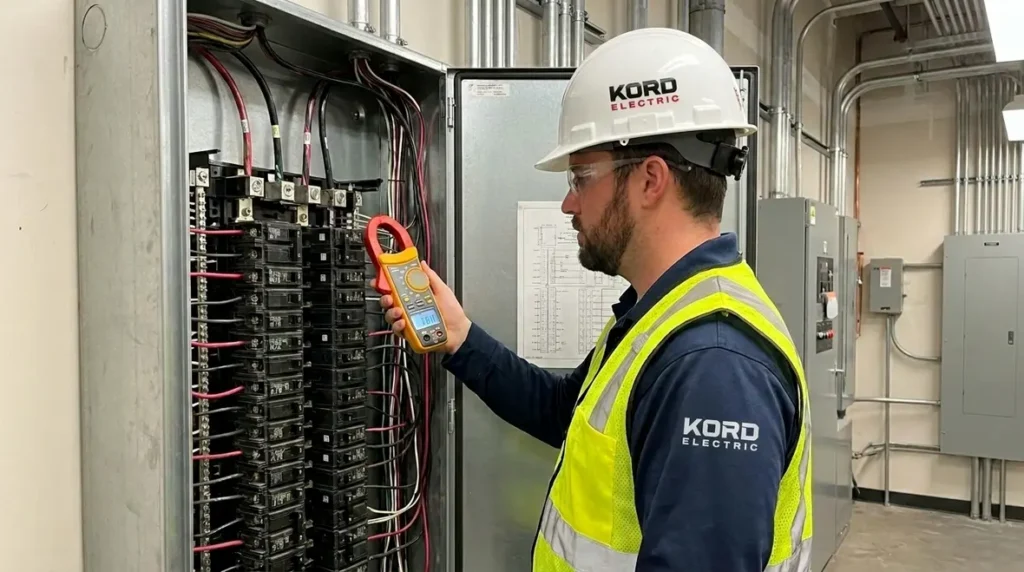
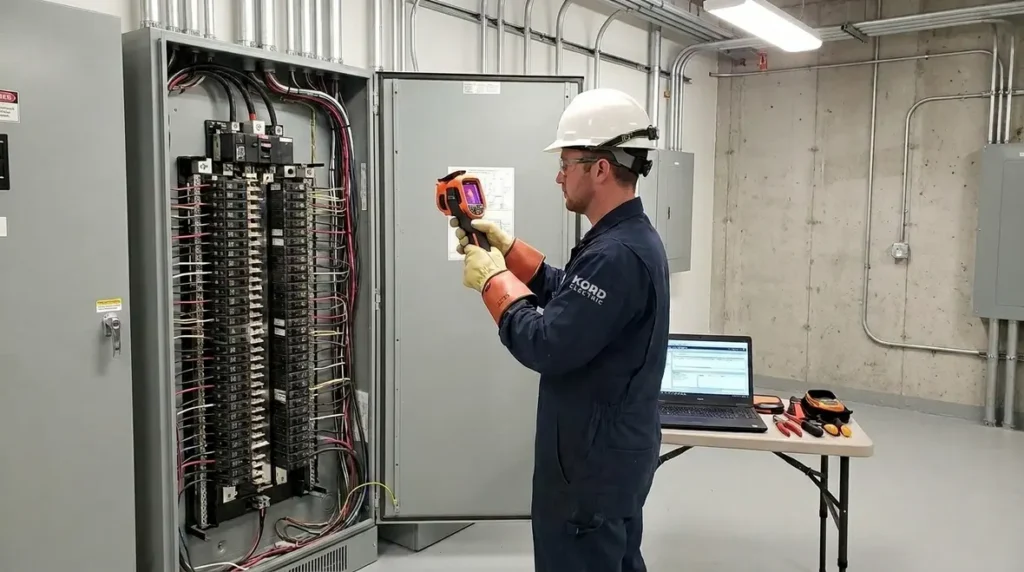
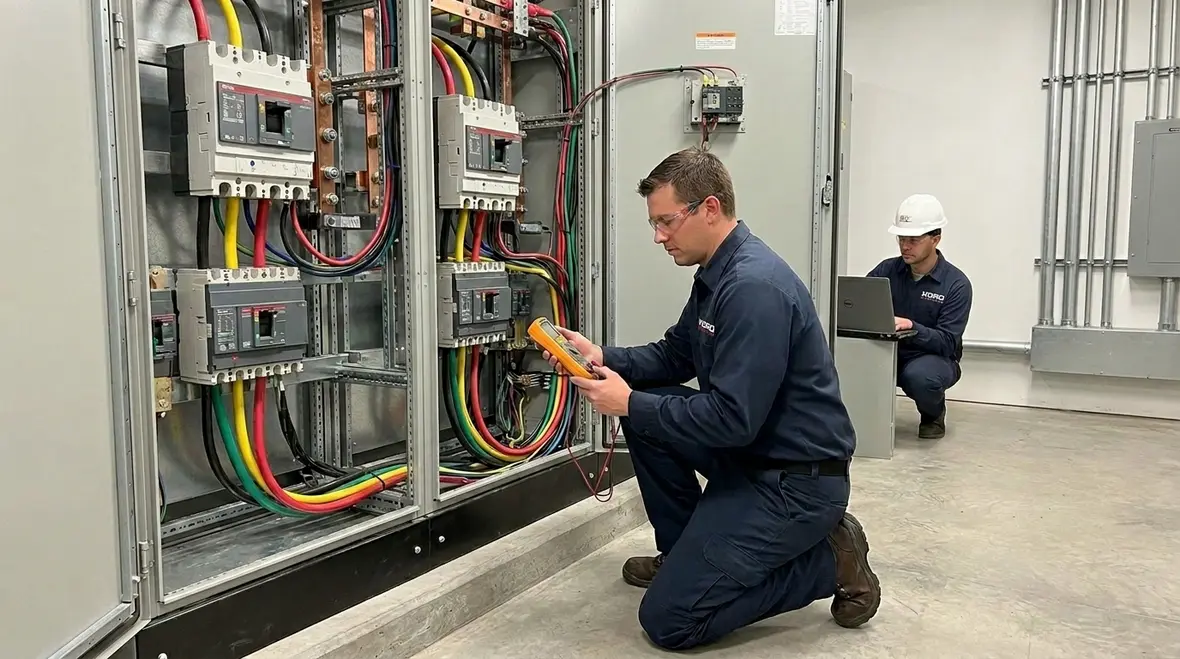
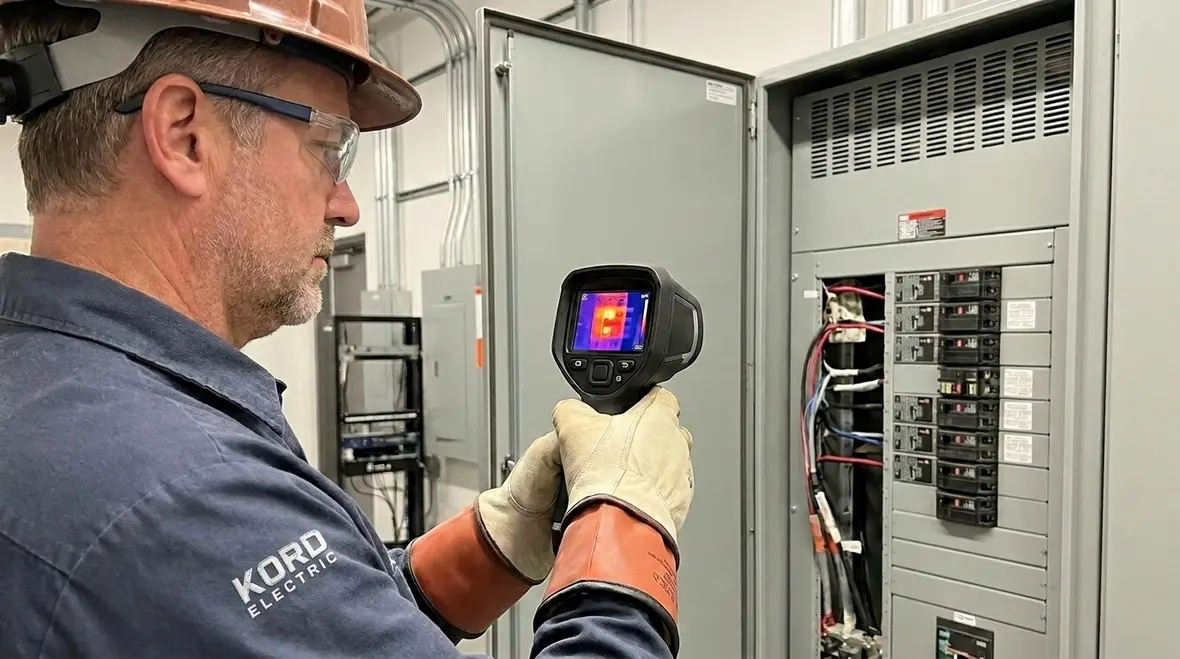
Technicians from our team track these patterns using measurement and inspection methods that make the problem visible. Then we explain what we see and why it matters, so owners and facility managers can plan repairs before the building pays for them in the form of lost operating hours.
For facilities building out broader reliability strategies, panel load balance work pairs naturally with disciplined service programs like commercial and industrial electrical maintenance plans, so the fixes made today stay effective as the building evolves.
Commercial Electrical Panel Load Balancing prevents downtime by reducing heat and stress
Commercial Electrical Panel Load Balancing works because electricity follows math, physics, and reality. When we distribute three phase loads in a steady and intentional way, current levels stay closer across phases and breaker groups. As a result, heat generation drops, temperature swings soften, and the wear on components slows down.
Here is the practical part. A panel is not just a box with breakers. It contains busbars, terminations, neutral pathways when applicable, and protective devices. If current runs high on one side, that side heats more. Over months, heat can loosen terminals, degrade insulation, and raise the chance of arcing. Arcing is the real “quiet disaster,” because it can start inside a panel without anyone noticing until it escalates.
Our expert service staff approach this with a calm, methodical mindset. First, we identify the load profile. Next, we evaluate which circuits belong together and how the panel is currently loaded. Then we recommend adjustments that align with the building’s operating schedule, not just what looks tidy on paper. Finally, we verify results with testing so you do not have to guess.
In other words, we help your system stop running like it is chasing its own tail.
How we measure load, find the real weak points, and document results
Many facilities believe the panel is either “working” or “not working.” We do not operate on that binary. We operate on evidence. Our process starts with understanding how the building uses power during morning ramp up, lunch peak, after hours, and weekend cycles. Then we compare actual performance with expected load distribution.
Our technicians typically focus on several indicators that reveal stress before it turns into downtime. We look at current draw by phase, observe where imbalance appears, and check for signs of loose connections through inspection. Where needed, we also confirm integrity of neutral and grounding pathways because faults in those areas can show up as unexpected heating and nuisance trips.
Then we document everything in a way a facility manager can act on. That documentation supports planning, helps with budgeting, and provides clarity for future service. After all, a building should not require a “mystery meeting” every time something trips.
For commercial and industrial clients, this level of detail matters because major property buildings run on schedules, leases, and uptime commitments. When service teams can see the data, they can make decisions that protect operations.
Preventive maintenance plans that keep load balancing consistent
Load distribution changes as soon as a facility changes. New equipment gets installed. Production lines run differently. Tenants expand. HVAC sequences get adjusted. Even a “simple” retrofit can shift how current returns through phases.
That is why we recommend a disciplined maintenance plan. In fact, Kord Electric aligns this thinking with our commercial and industrial electrical maintenance plans approach, including the ongoing checks that help keep panels healthy over time. We do not just fix one issue and walk away like a superhero who never checks the roof again.
In our expert service work, a solid plan typically includes periodic panel inspection, targeted testing, and load review so adjustments remain effective as the building evolves. Furthermore, we coordinate recommendations with the facility’s downtime constraints, because you cannot always schedule work when the building “would prefer” it.
If you have ever seen a building run until it does not, you know the pattern. Preventive work breaks that pattern early. It turns surprises into scheduled tasks.
Smart adjustments that fit business operations and equipment needs
Balancing loads does not mean forcing every circuit to behave identically. It means aligning distribution with real usage. For example, HVAC systems often follow predictable schedules, while kitchen equipment, laundries, or manufacturing loads might have sharper peaks. Lighting changes with occupancy and daylight. IT racks may have steady draw, while compressors may spike at startup.
Our technicians evaluate these profiles, then suggest panel adjustments that reduce imbalance without breaking operational logic. That can include moving certain circuits to better align phases, tightening up labeling so future work does not guess, and verifying that protective device ratings match actual needs. We also consider equipment manufacturer requirements, so we do not “optimize” in ways that increase risk.
Yes, sometimes the solution requires more than a breaker move. Over time, corrosion, aging insulation, or degraded terminations can contribute to heating even if loads are balanced. Therefore, we pair load balancing recommendations with the right repair or tightening where necessary.
Think of it like leveling a stage before a performance. If the floor is uneven, even a great act gets messy. Electricity deserves better than a wobbly platform.
FAQ: quick answers for commercial and industrial facilities
Common signs our team addresses during panel service
Facilities often discover imbalance through symptoms that appear unrelated at first. A common one is hot spots in or around the panel, even when the building seems to be operating normally. Another is frequent breaker nuisance trips, especially at predictable times like shift changes or HVAC cycling. Some sites also report intermittent equipment resets, which can point to voltage instability caused by stressed connections.
In industrial settings, motor starts can amplify issues. Motor inrush currents can reveal weakness in phase balance and connection integrity. Likewise, sensitive loads in office and mixed use spaces can behave oddly when protective devices or terminations run hot.
When our technicians arrive, we treat these as clues, not as “mysterious problems.” We correlate the symptom with measured loading and physical inspection. Then we recommend a plan that protects uptime, because our clients cannot afford the electrical version of a dramatic cliffhanger.
Conclusion: protect uptime with Kord Electric’s expert panel service
Downtime does not start with a big failure. It starts with small imbalance, hidden heat, and connections slowly losing strength. At Kord Electric, we help commercial and industrial facilities keep power distribution stable through careful Commercial Electrical Panel Load Balancing work, disciplined maintenance, and technician led testing you can understand. If your panel runs warm, trips often, or changes behavior with operations, contact us today. We will assess your system and lay out the next steps that protect your building and your schedule.
To extend that protection beyond the panel, many facilities pair this service with broader programs like our Commercial and Industrial Electrical Maintenance Plans, along with dedicated offerings such as commercial electrical services that keep distribution systems, lighting, and critical equipment operating as one coordinated whole.
When you are ready to stabilize load, reduce surprise shutdowns, and build a long term reliability strategy for your building, our team is ready to help you design a service plan that fits your operations—not the other way around.