Commercial Electrical Panel Replacement Timeline Guide
Every commercial building has a moment when the electrical backbone starts acting like it is tired of carrying everyone else’s problems. For many owners, the commercial electrical panel replacement timeline begins quietly, then speeds up fast when temperature, load, and age team up like a sitcom plot that refuses to end. Typically, the right window for action shows up between routine inspections and early warning signs, long before a full failure. In fact, we at Kord Electric often help building teams plan replacements in phases, so businesses keep operating, tenant complaints stay low, and budgets do not get ambushed. And yes, we do explain things clearly, because no one should have to interpret electrical jargon like it is ancient scrolls.
How Kord Electric defines the timeline for commercial panel replacement
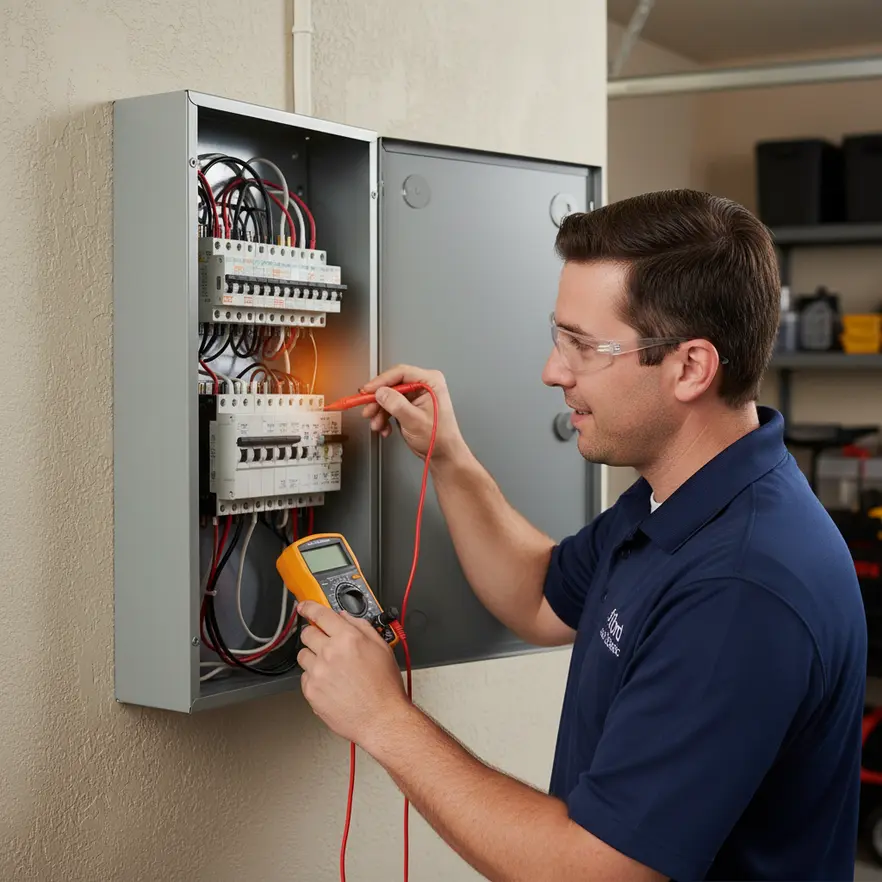
When we build a commercial electrical panel replacement timeline, we start with facts, not fear. Our technicians look at the panel’s condition, the building’s electrical use, and the safety risk. Then we map a practical schedule tied to real business needs. At first, that may sound slow and careful, but it prevents the kind of emergency work that forces closing areas or delaying operations.
To do this well, we follow a simple logic. First, we confirm the panel’s age, part condition, and labeling accuracy. Next, we test key components and review prior service history. After that, we connect what we find to your current load, including HVAC, refrigeration, lighting, motors, and any tenant upgrades. Finally, we offer a plan you can budget for, whether the schedule fits a quarterly maintenance window or a full building project.
Sometimes, the timeline shifts because of permits, utility requirements, or coordination needs. Even so, owners usually gain control. Meanwhile, our expert service staff explains each step, so the decision sounds like a plan, not a mystery.
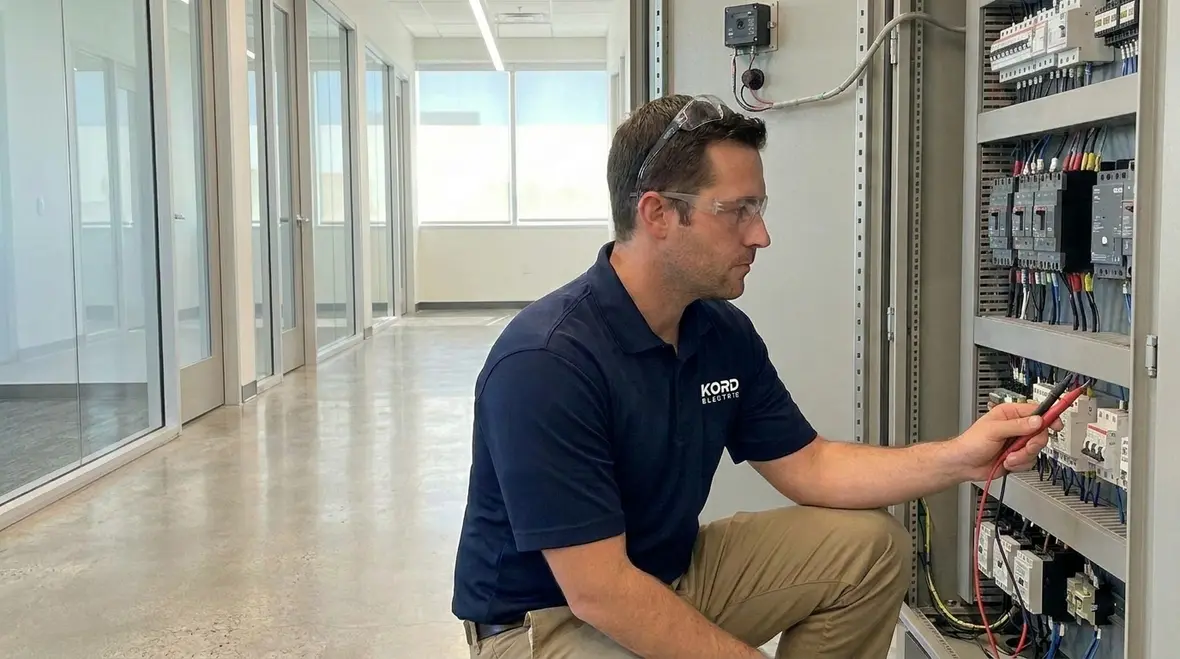
For many facilities, this planned approach pairs perfectly with ongoing electrical maintenance. When inspections and testing are already part of your rhythm, building a realistic commercial electrical panel replacement timeline becomes much easier than waiting for a failure and scrambling later.
Signs the panel is reaching its limit, not just getting older
Age matters, but behavior matters more. A commercial electrical panel that looks fine can still cause issues if it shows heat, corrosion, or loosened connections. Therefore, we treat symptoms as signals, not guesswork.
Here are the common indicators we see in commercial and industrial facilities:
- Frequent breaker trips that happen more often after equipment starts up
- Hot spots detected during inspection or noticed by smell, discoloration, or heat near the enclosure
- Corrosion around lugs, doors, or gutters, especially where moisture can enter
- Signs of overheating on bus bars, wiring, or protective devices
- Outdated labeling that no longer matches the building’s current circuits
- Too many past patches where fixes keep stacking instead of solving
Then there are the quieter signs. If breakers feel loose during inspection, or if certain circuits behave erratically under load, the panel may be losing reliability. And once that starts, the risk rises as the building’s demand grows. In other words, the panel does not “rest” just because your business hours end.
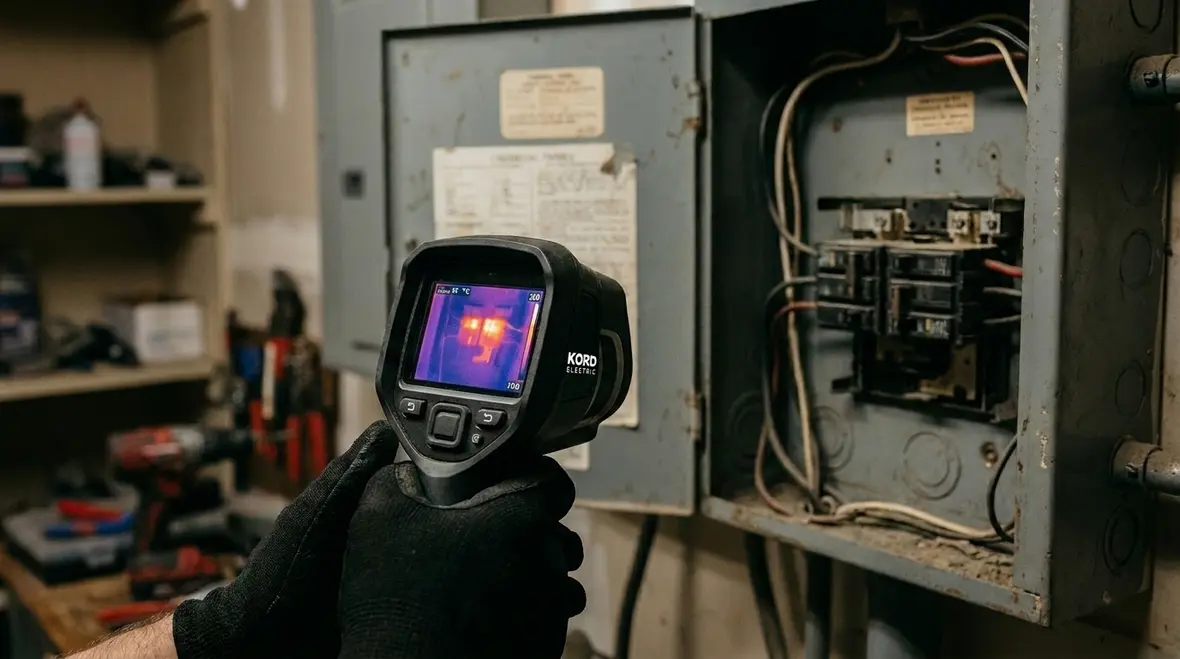
This is why many owners pair routine inspections with structured maintenance plans. By catching overheating, loose terminations, or overloaded circuits early, they gain the time and data needed to schedule panel replacement instead of reacting in the dark—literally and figuratively.
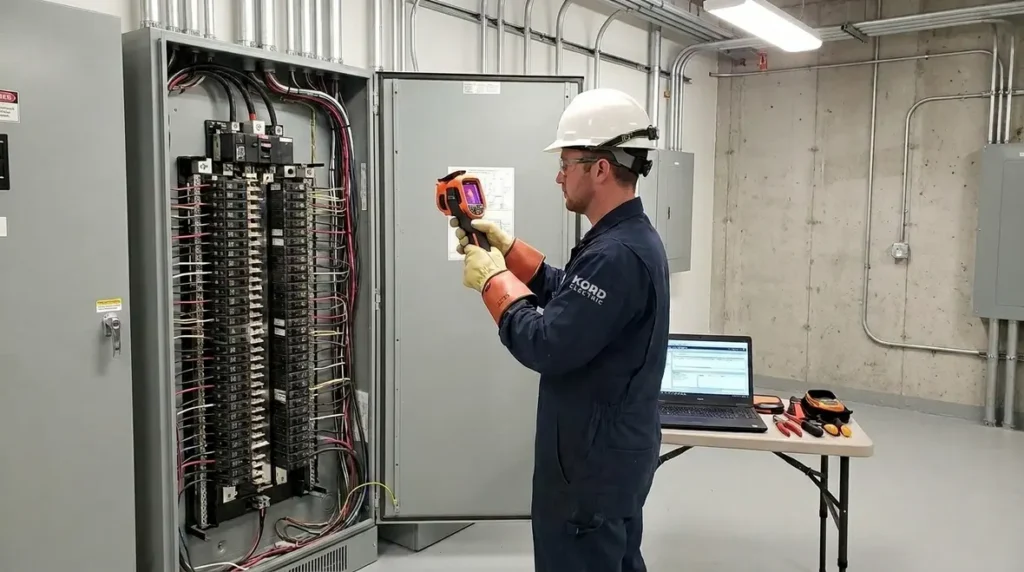
If your facility is already running a scheduled maintenance program, it is worth asking how panel health, infrared inspections, and voltage stability are being documented. Those findings are often the first chapters in your eventual commercial electrical panel replacement timeline.
Step by step: the strategic replacement timeline owners can follow
A strong plan includes dates, goals, and decision points. So we guide owners through a timeline that reduces surprise. Typically, we break the work into stages so the building stays safe and productive.
Stage 1: Early assessment and load check
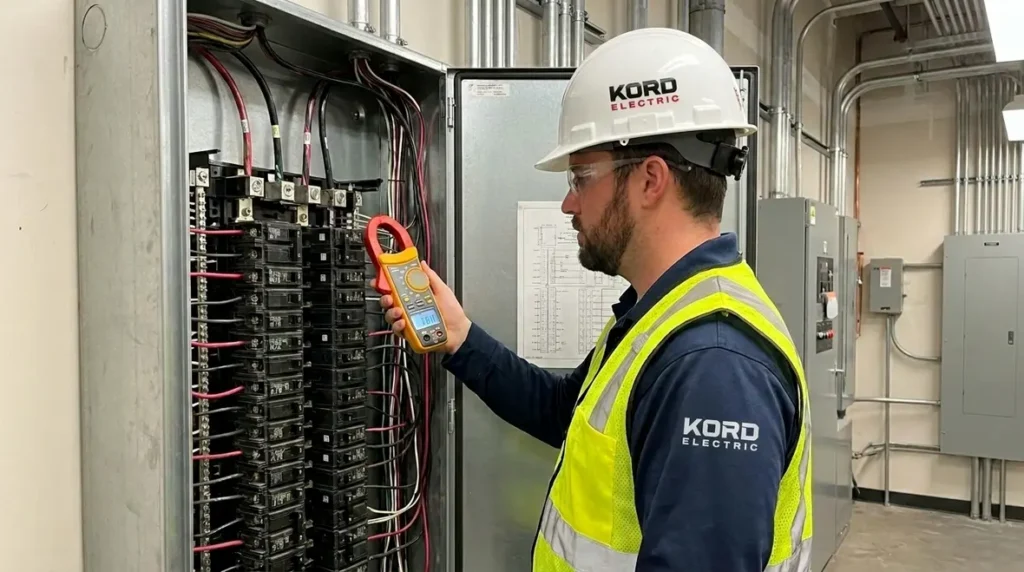
First, our technicians inspect the panel, document the condition, and review what the building actually powers. Next, we look at load growth, planned tenant changes, and any equipment that runs at peak times. Then we confirm whether the existing panel can handle future demands without strain.
Stage 2: Risk scoring and budget-ready options
After inspection, we outline what needs attention now, what can wait, and what should be part of a full replacement. At this stage, we explain the options clearly. We also talk about cost drivers that often catch owners off guard, like component availability, coordination needs, and the scope of wiring updates.
Stage 3: Coordination and downtime planning
Because commercial spaces run on schedules, we coordinate installation time windows. Then we plan how to keep critical loads covered. Sometimes, we phase circuits so not every area goes offline at once.
Stage 4: Panel replacement and verification
When the work begins, we replace or upgrade the equipment, verify connections, test breakers, and confirm proper labeling. Finally, we document the results so future inspections start with clarity, not guesswork. It’s like updating a map before your next business trip, not after you miss the exit.
As a result, the replacement stops being a crisis and becomes a managed project. And our team keeps owners informed because good communication saves money.
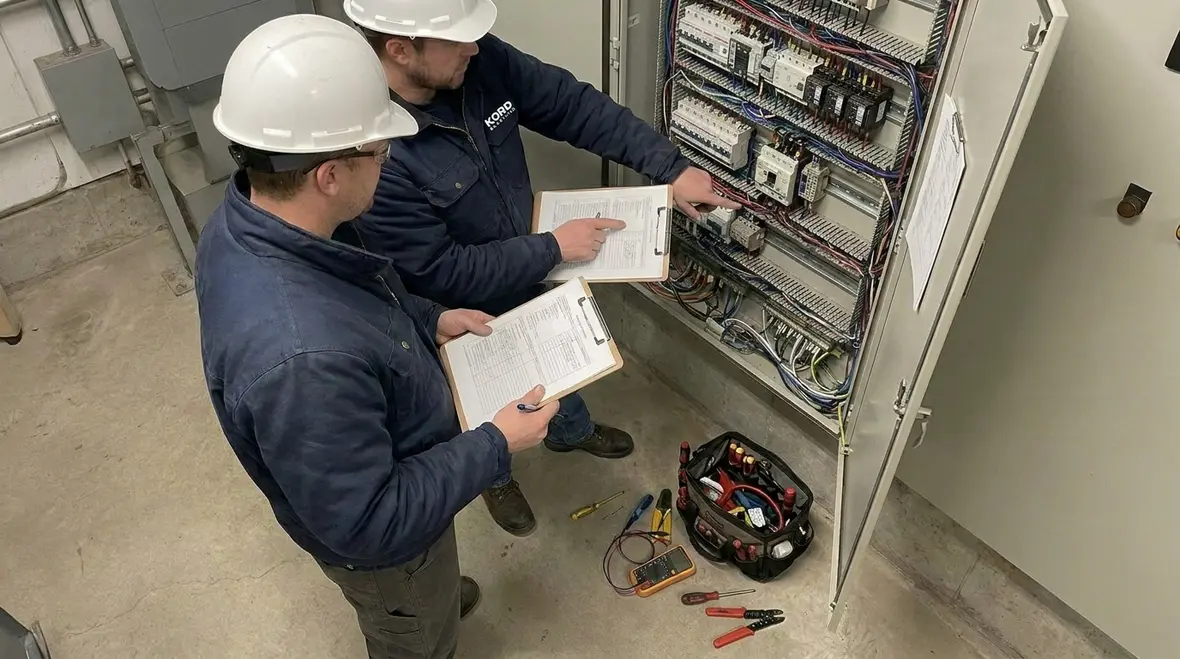
For large properties and critical facilities, this staged approach lines up well with broader electrical projects like rewiring, preventive maintenance, or targeted upgrades. By aligning panel replacement with those efforts, owners can modernize infrastructure once, instead of reopening the same rooms and panels again later.
How lighting and electrical upgrades change the panel schedule
Many owners ask us why panel replacement often comes up during lighting projects. The answer is simple: lighting upgrades can change electrical demand patterns. For example, if a facility shifts from older lighting to higher efficiency systems, the total load may drop. However, new controls, ballasts, drivers, or tenant-specific circuits can increase complexity. Therefore, the panel that once served one set of loads may need a refreshed circuit layout.
In our approach, we consider how lighting upgrade plans fit into the broader commercial electrical panel replacement timeline. We also use our experience to help owners understand the cost and scope impacts. One reason is that lighting projects can expose hidden issues inside panels, like corrosion, outdated breaker sizing, or lack of capacity for added control circuits.
We share guidance like the kind found in our commercial lighting upgrade cost guide, because owners need realistic expectations. That guidance supports smarter sequencing. If a building plans lighting work, our technicians often evaluate the electrical panel first, or at least in parallel, so you do not pay for changes that the panel cannot support.
Also, the reverse happens. If the panel is already near its limit, then lighting work alone may not solve the risk. In that case, we help owners plan panel replacement first, then roll out lighting improvements with better predictability. Nobody wants to replace the light fixtures only to discover the circuit system was the weak link all along.
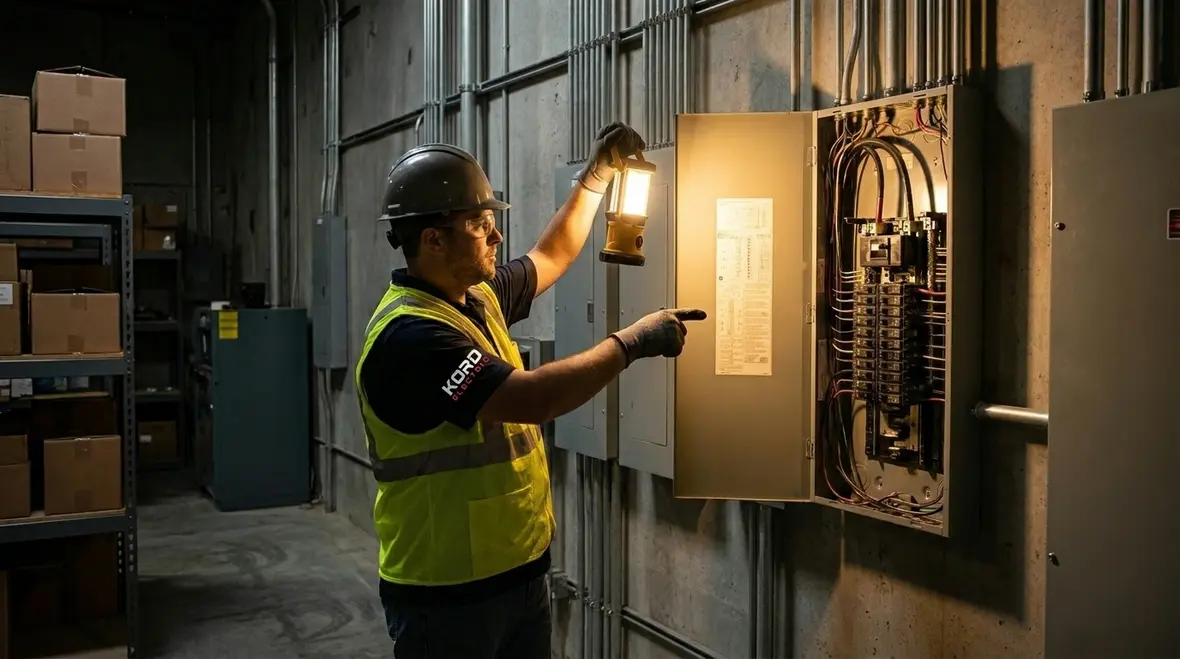
For facilities planning major lighting work, pairing panel evaluation with services like commercial lighting installation or LED retrofit upgrades can reveal where a simple fixture swap is enough—and where deeper electrical updates will protect that new investment.
Timing based on building size, use, and tenant activity
Not every facility follows the same calendar. A warehouse with steady daytime load behaves differently than a multi tenant office building with daily peaks. So we tailor the schedule to how the building actually operates.
In general, higher activity buildings see issues sooner because the panel experiences more starts, higher load swings, and more frequent circuit changes. Meanwhile, buildings with planned upgrades can sometimes schedule replacement during planned downtime windows. Additionally, tenant turnover matters. When new tenants move in, they often add equipment, rework lighting, and request dedicated circuits. If the panel remains unchanged, those changes can stack until the risk rises.
Here is how we commonly adjust timing for commercial and industrial use cases:
- Industrial facilities often need earlier planning due to motor loads, inrush currents, and harsh environments that can speed corrosion
- Retail and hospitality may require tighter scheduling due to peak customer hours and fast-paced system modifications
- Multi tenant office buildings often benefit from phased work tied to renovation cycles and lease events
- Mixed use properties usually need coordination across departments to avoid conflicting downtime needs
Even so, we keep owners in the driver’s seat. We explain how each factor impacts timeline and cost, and we help teams choose a path that protects safety and business continuity.
In some cases, it makes sense to align your commercial electrical panel replacement timeline with a broader electrical maintenance plan or a planned renovation. That way, shutdowns, inspections, and upgrades all happen within a single, clearly defined window.
What owners should ask during an inspection
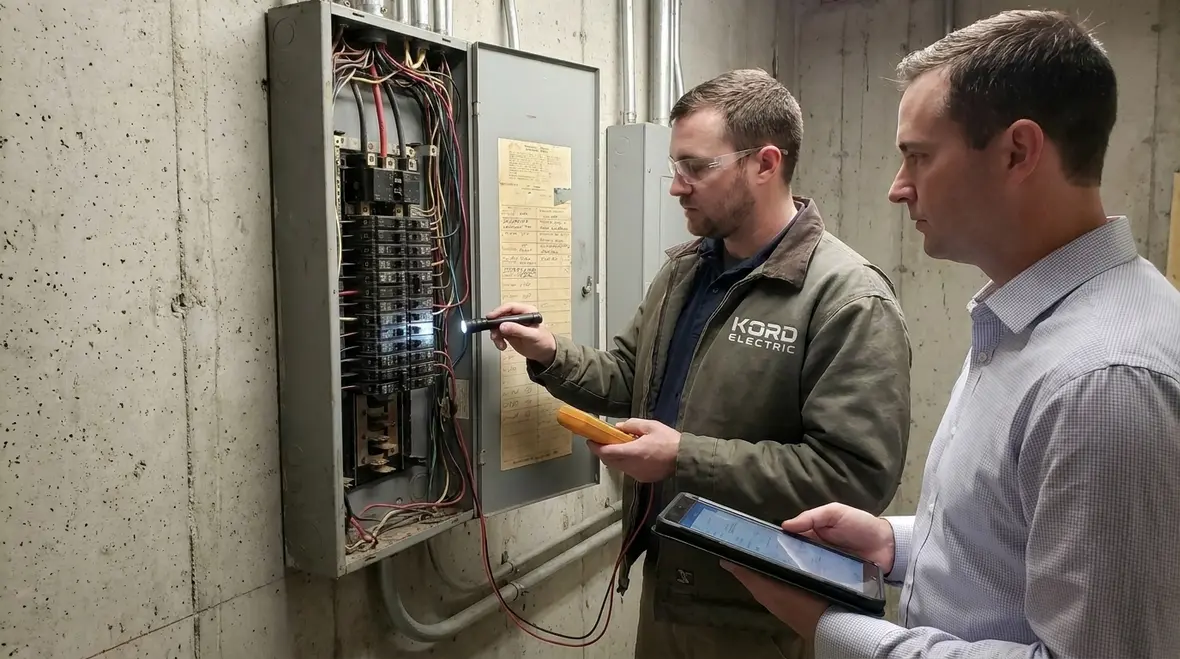
When owners meet our expert service staff, they should leave with answers that help them plan. So we encourage specific questions during inspection, because clarity beats confusion every time.
Owners often ask about:
- Panel capacity and whether current and future loads fit safely
- Breaker and bus bar condition, including signs of heat and wear
- Upgrades needed for code compliance and safe operation
- Downtime expectations and how we plan to keep critical circuits running
- Circuit labeling accuracy and how we prevent future confusion
- Coordination with ongoing projects like lighting, tenant improvements, or HVAC changes
We respond with clear explanations, and if something needs action, we say it directly. We also keep the tone practical. Think of it like a well run board meeting: no theatrics, just the facts, the options, and the next steps. And yes, we do allow a small amount of humor, because even electrical problems deserve a smile when the plan is solid.
If your inspection reveals aging wiring, voltage swings, or recurring breaker issues, that conversation is often the best time to connect the dots between today’s findings, your future upgrades, and the most realistic commercial electrical panel replacement timeline for your building.
FAQ: commercial electrical panel replacement timeline
Conclusion and call to action
Owners who plan early avoid rushed repairs, safety risks, and budget surprises that never show up on the schedule. Kord Electric helps commercial and industrial facilities build a clear commercial electrical panel replacement timeline based on inspection results, load needs, and real downtime limits. Our technicians explain every step in plain terms and coordinate the project so your facility stays productive. If you want a practical plan for your panel and your next electrical upgrades, contact Kord Electric today for an expert assessment.
If your building is already considering lighting work, power quality upgrades, or preventive maintenance, this is the right moment to align those efforts with a structured panel replacement plan. Our team can evaluate your existing infrastructure, design a safe and efficient upgrade path, and coordinate work so your operations stay on track from the first inspection through final testing.
To explore related upgrade options and see how panel work can connect with other improvements, you can also review our commercial lighting installation services. Coordinating these projects together often reduces downtime, improves safety, and delivers a stronger long-term return on your electrical investment.
When you are ready to turn your timeline into an actionable plan, our licensed commercial electricians are here to help—from first assessment to final sign off.