Electrical Risk Assessment for Manufacturing Facilities
Electrical Safety Begins Before the First Failure
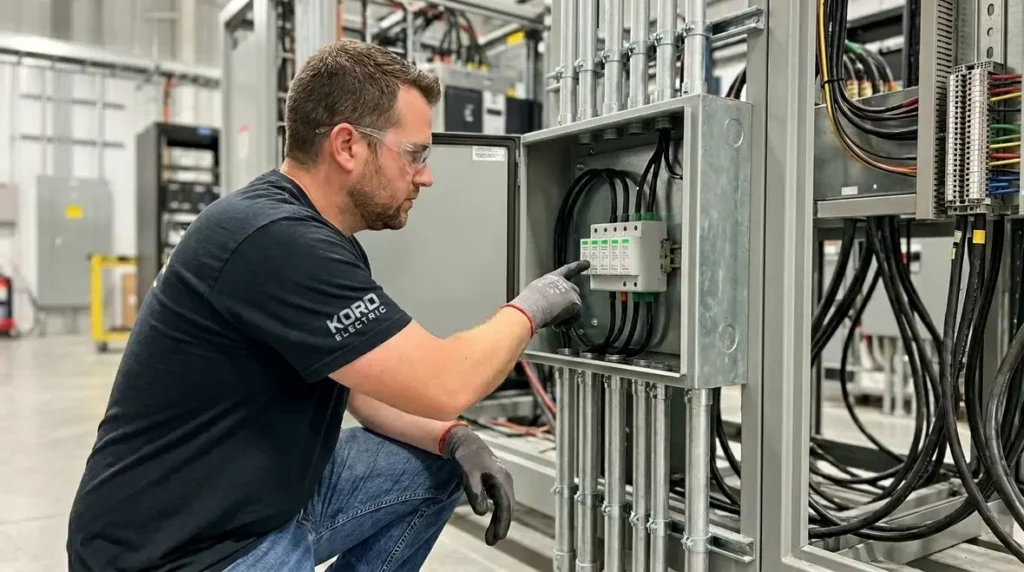
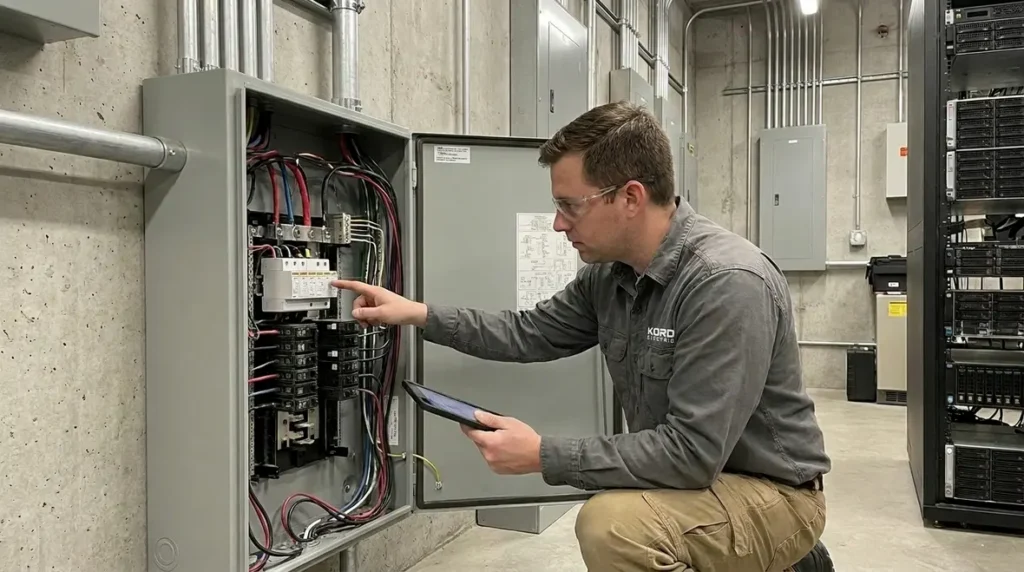
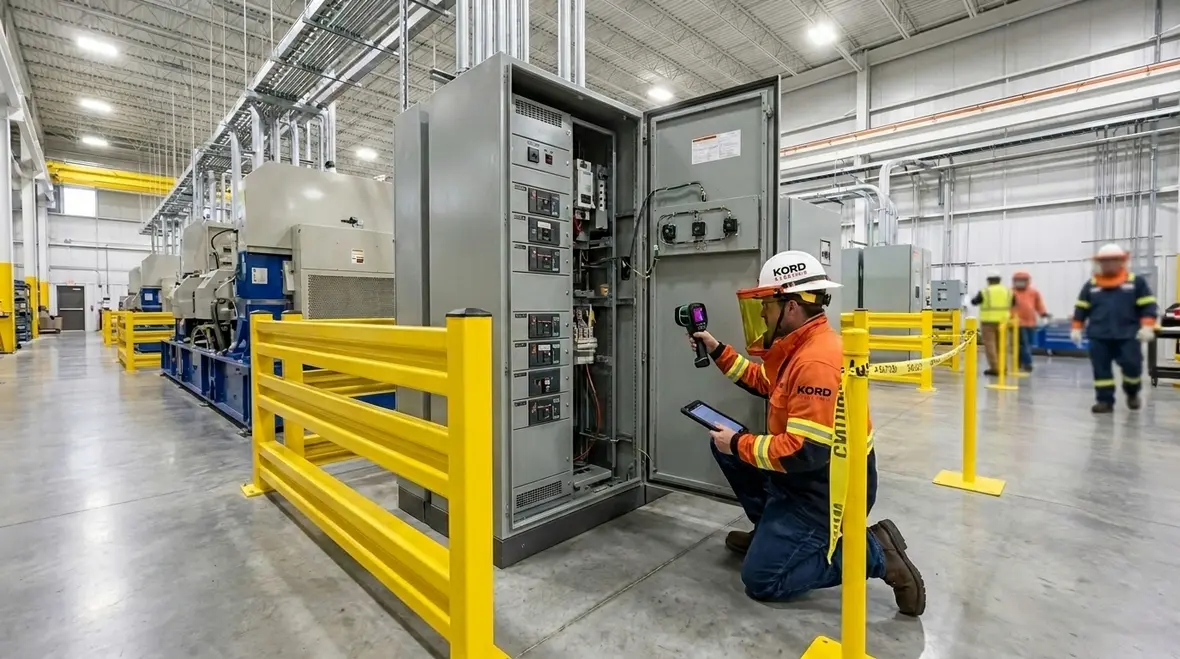
Kord Electric starts with an electrical risk assessment for manufacturing facilities and we do it early, while the site is still calm and the machines are still obeying the rules. In the first stage, our team surveys industrial zones, reviews past incidents, and checks how power flows through production areas, warehouses, and control spaces. Then we turn that information into a clear plan for fixes, upgrades, and safe work practices. It is proactive, not reactive, and it helps keep people safe and downtime short.
And yes, we have heard the jokes. Someone always says, “If it trips, we will deal with it later.” Later is a time period that never shows up on a safety report. So we schedule our work, we document our findings, and we help our clients act before the next surprise hits their operation.
What We Look For in Industrial Electrical Safety Audits
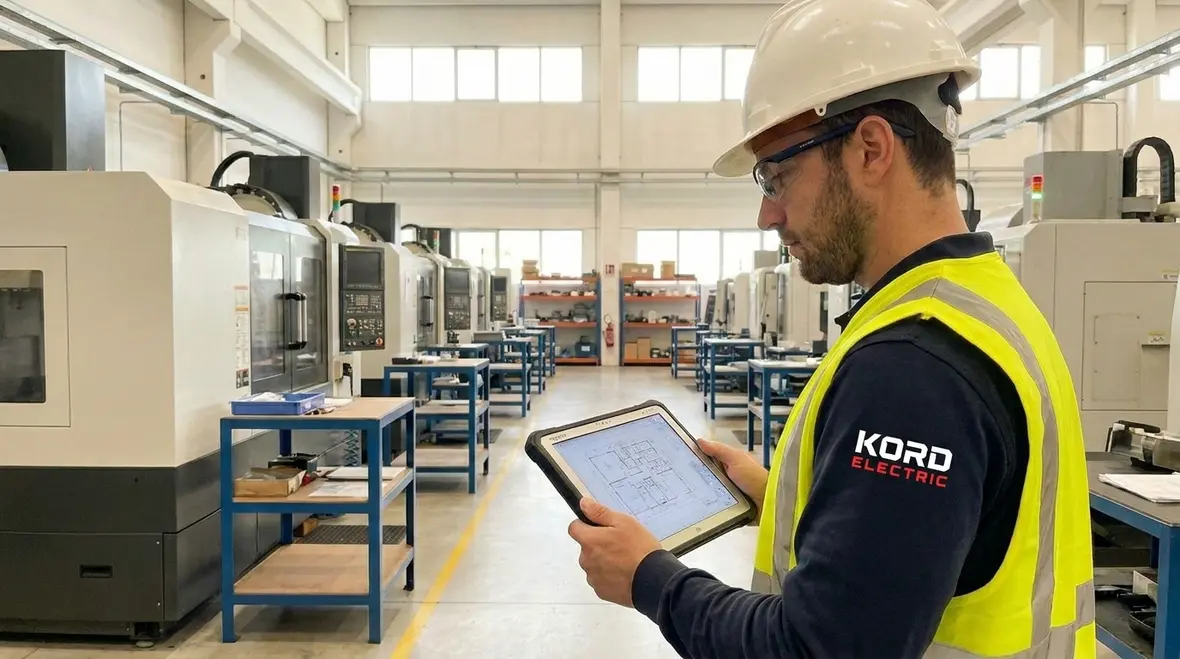
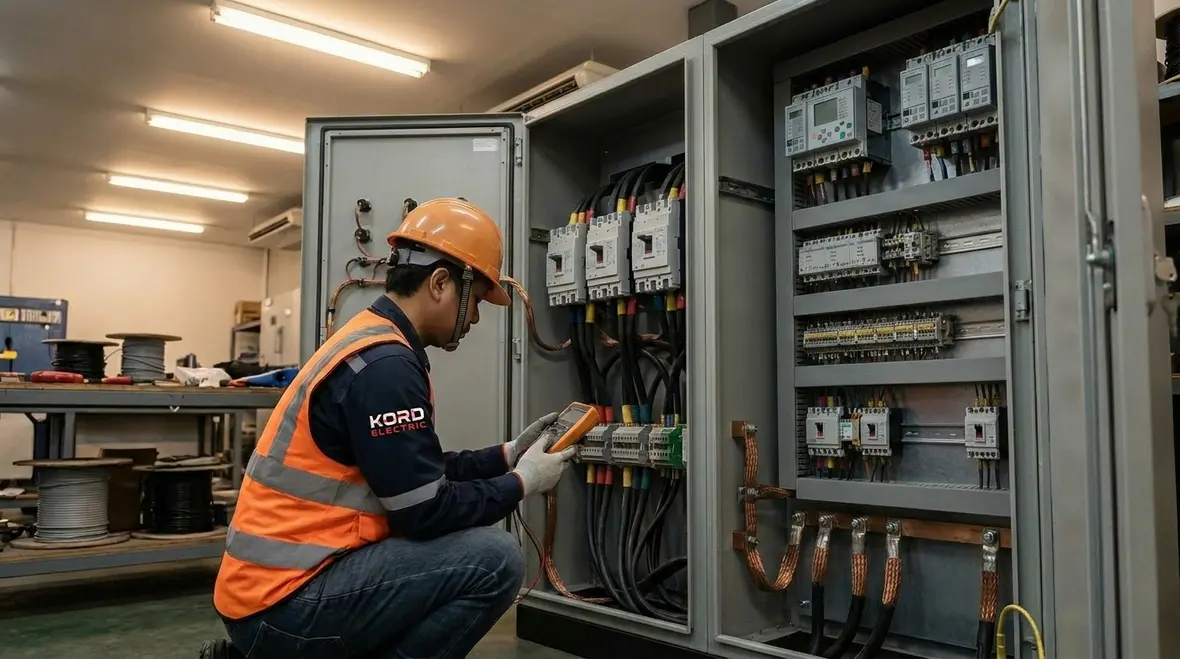
When our expert service staff conducts an industrial zone electrical safety audit, we do more than glance at panels and move on. First, we check equipment condition and installation quality, including cable routing, terminations, and protective devices. Then we validate that labeling, access routes, and lockout procedures match how the facility actually runs.
Next, we focus on hazardous areas where a normal “looks fine” check can miss real risk. We inspect grounding and bonding, because stray current does not care about anyone’s optimism. We also evaluate insulation resistance testing, where applicable, and we verify that protective relays coordinate properly so faults clear in the right order.
As we walk through production lines, maintenance bays, and plant offices, our technicians explain what we find in plain language. They also connect each issue to real outcomes, such as whether a problem could cause an arc event, a shock hazard, nuisance trips, or an outage that stops a whole shift.
How We Plan a Proactive Electrical Risk Assessment for Manufacturing Facilities
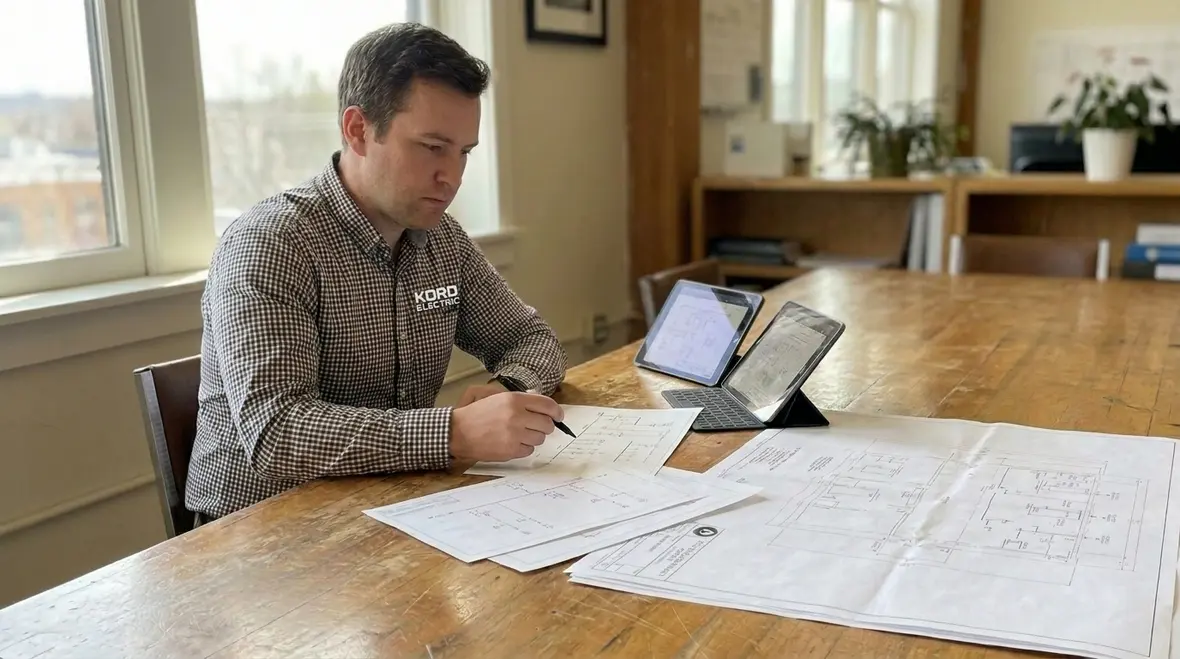
Our approach starts with site context and then we build a layered risk view. To begin with, we collect utility data, single line diagrams, equipment lists, and any maintenance records available. After that, we map electrical one line paths to the layout of the plant, so the assessment reflects reality, not just paper.
Then we score risk based on likelihood and impact. We also include how often sections of the facility are accessed, whether work happens near live equipment, and how changes are managed. In other words, if the plant is a place where forklifts, lifts, and ladders move daily near switchgear, that risk gets weighted.
Finally, we prioritize actions so the facility can improve fast. We focus first on conditions that can lead to shock, fire, or equipment damage. Then we address issues that reduce reliability and raise the chance of future faults. This sequence keeps budgets sane and schedules realistic.
Electrical Zones, Switching Practices, and Lockout That Actually Works
Many facilities have lockout rules. However, rules do not keep people safe by themselves. Our technicians verify how switching and isolation get done in practice. We observe how electricians and operators handle energized equipment boundaries and we check that temporary connections do not become permanent habits.
We also verify that isolation points exist where staff expects them, and that the labeling is clear. If the “main” disconnect is hard to find in an emergency, the facility has a problem that testing alone will not fix. Next, we review how circuits are protected and how crews confirm deenergization before work begins.
Additionally, we pay attention to electrical rooms and substations. These spaces often sit behind doors that get used as storage. So we check clearance requirements, ventilation, and housekeeping, because a dusty environment can raise temperature and degrade performance over time.
If you want a pop culture comparison, think of a lockout procedure like the security system in a heist movie. If the crew ignores the basics, the alarm goes off, everyone panics, and the plan falls apart. We prefer a plan that does not require panic.

Risk Controls That Improve Reliability, Not Just Compliance
Once we complete the audit, we move into corrective actions that reduce risk and improve system stability. For example, we recommend targeted upgrades to switchgear components, updated torque practices on terminations, and better cable management to prevent physical strain and abrasion.
We also help facilities improve protection settings and coordination, where needed, so the right devices clear faults without shutting down more than necessary. This matters in plants where production lines cannot tolerate a full loss of power due to one small problem.
In addition, our team helps clients align electrical maintenance with real operating patterns. Instead of a generic schedule, we suggest checks that match the plant’s use, loads, and equipment condition. That is how electrical risk management turns into fewer shutdowns and fewer costly emergency callouts.
When customers ask us whether an audit is “worth it,” we explain it like this. Compliance is the floor, not the ceiling. We aim for a safer ceiling, one that keeps people working and equipment running.
If your facility wants to push reliability even further, integrating structured programs like electrical preventive maintenance and smarter responses to issues like voltage fluctuations in commercial and industrial facilities keeps that safer ceiling strong over time.
From Audits to Safer Upgrades Including EV Charging
Industrial sites keep evolving, and electrical changes can add risk if they land without proper planning. Kord Electric supports commercial and industrial facilities with upgrades that fit real constraints, including electric vehicle charging in major property buildings. If a facility adds EV charging bays, we evaluate how that load affects the electrical system, and we check whether existing panels, feeders, and protective devices can handle the change safely.
On the project side, we bring clarity to the process. Our work typically follows a step by step path, and we coordinate details like site power availability, charger placement, wiring routes, conduit requirements, and safety controls. We also make sure the solution matches the needs of the property and the people who use it.
For a closer look at how Kord Electric approaches EV charging, you can review our EV charger installation service page. Our technicians and expert service staff explain the decisions along the way, so stakeholders understand what gets installed and why it supports safety and reliability.
When an electrical risk assessment for manufacturing facilities uncovers capacity limits or future expansion needs, pairing those findings with carefully planned EV charging upgrades helps the site stay ready for fleet changes, new regulations, and shifting tenant expectations.
Frequently Asked Questions About Electrical Safety Audits
FAQ: Quick Answers for Featured Snippets
What does Kord Electric document after an audit?
We provide audit findings, risk notes, recommended actions, and priorities so leadership can plan upgrades with confidence. That summary often feeds into broader programs like commercial and industrial electrical maintenance plans that keep improvements moving forward.
Can an electrical safety audit handle new construction and upgrades?
Yes. We assess how new work affects existing systems and we support safer planning and safer installation practices. During an electrical risk assessment for manufacturing facilities, we review one line diagrams, loads, and protective device settings so expansions and retrofits fit safely into the bigger picture.
Who benefits from electrical safety audits in industrial zones?
Plant managers, maintenance teams, safety officers, and facility owners benefit because they get clear steps to reduce incidents. In many cases, tenants, production crews, and even nearby properties also see fewer disruptions when electrical systems withstand faults instead of failing unpredictably.
How do electrical audits connect with preventive maintenance?
An audit highlights current risks and weak points, while preventive maintenance programs keep those issues from returning. Many manufacturing sites use findings from an initial audit to design an electrical preventive maintenance schedule that fits production cycles and compliance requirements.
Can we combine safety audits with lighting or power quality upgrades?
Yes. Once high priority risks are under control, many facilities fold in related projects such as lighting installation services or targeted power quality corrections. That way, one planning cycle supports safety, visibility, and long-term efficiency together.
Call Kord Electric for a Safer Industrial Zone
If your facility runs on real deadlines, you cannot afford surprises. Kord Electric helps commercial and industrial clients reduce electrical hazards through thorough audits, clear risk notes, and practical upgrade plans. Our technicians and expert service staff walk your team through findings so decisions move forward, not in circles. Contact us to schedule an electrical safety audit and start building a safer electrical environment today. We handle the heavy lifting while you keep production moving, like it is supposed to.
When your assessment uncovers urgent issues, our emergency electrical services team can respond quickly to stabilize systems, and our electrical preventive maintenance programs help lock in long-term reliability once those immediate risks are under control.